What is this stone?
Narrow down the stone in your hand with a few observations and simple tests you can do at home. Skip any question you cannot answer. The result is a guess; for a definite identification ask a geologist, a geological survey or a museum.
Safety: do not taste stones or breathe their dust. Protect your eyes and hands in the vinegar test. Do not scratch a stone that might be valuable. How to do the tests →
As you answer, the most likely stones line up here.
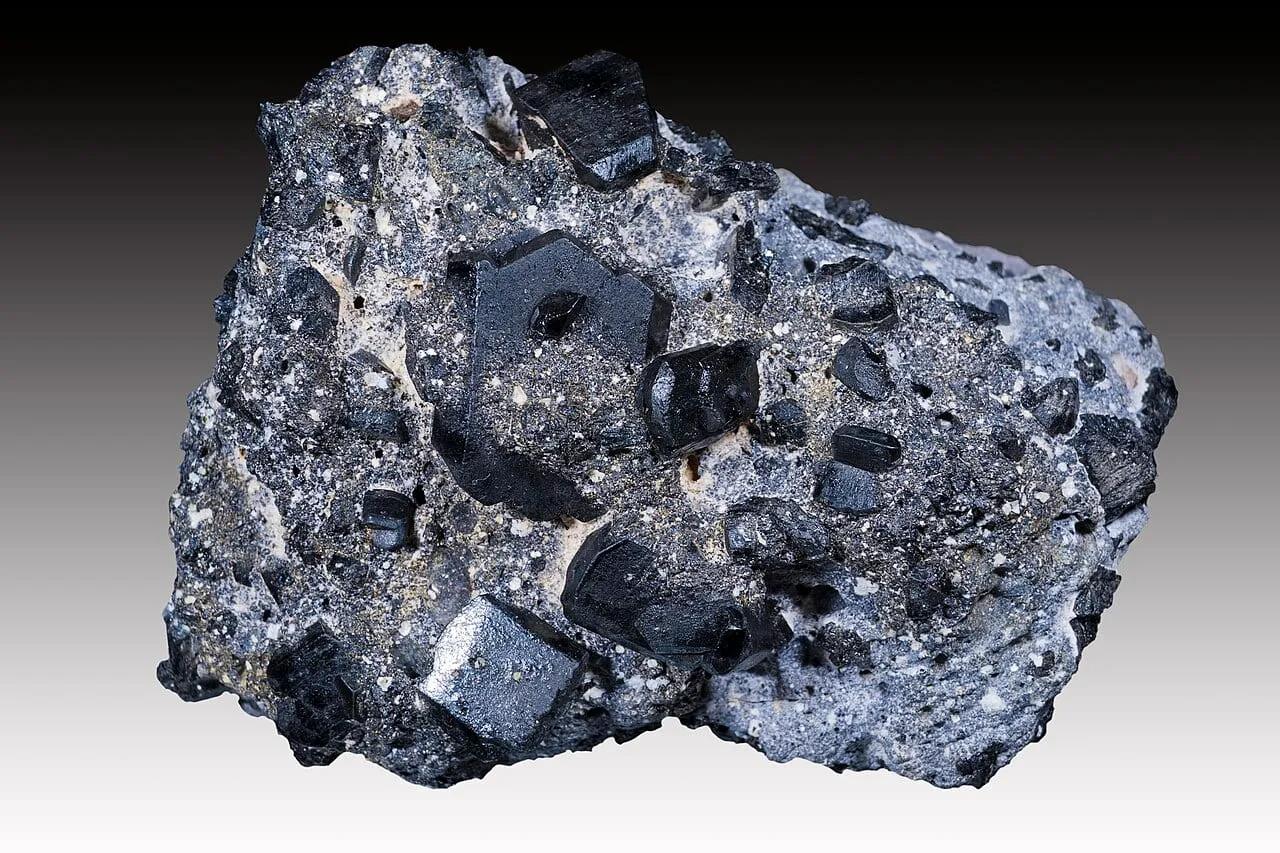
Andesite
The rock of volcanic arcs, named after the Andes — and the pink-grey stone of Ankara Castle.

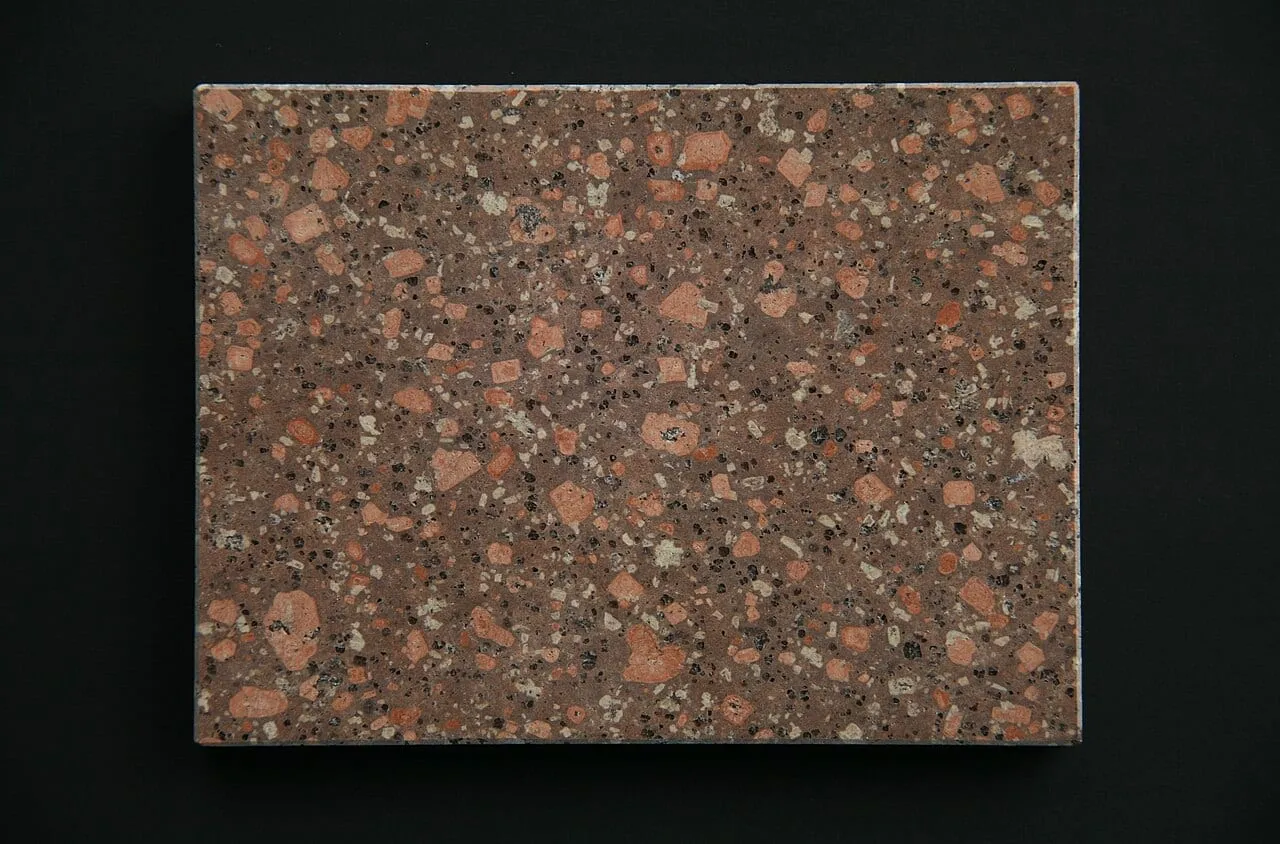
Rhyolite
Granite’s volcanic twin: a silica-rich rock born from sticky lava, often pink and banded.
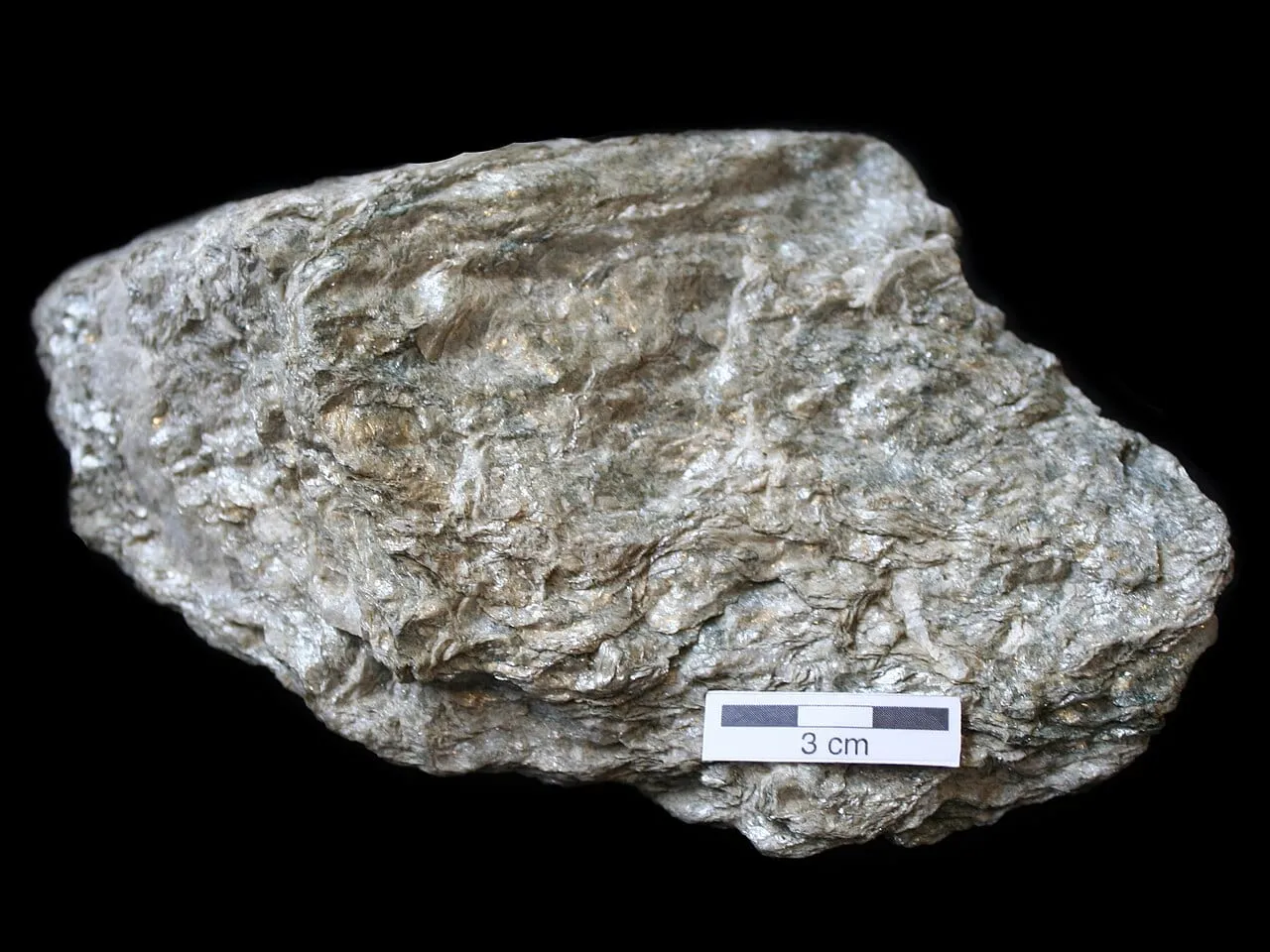
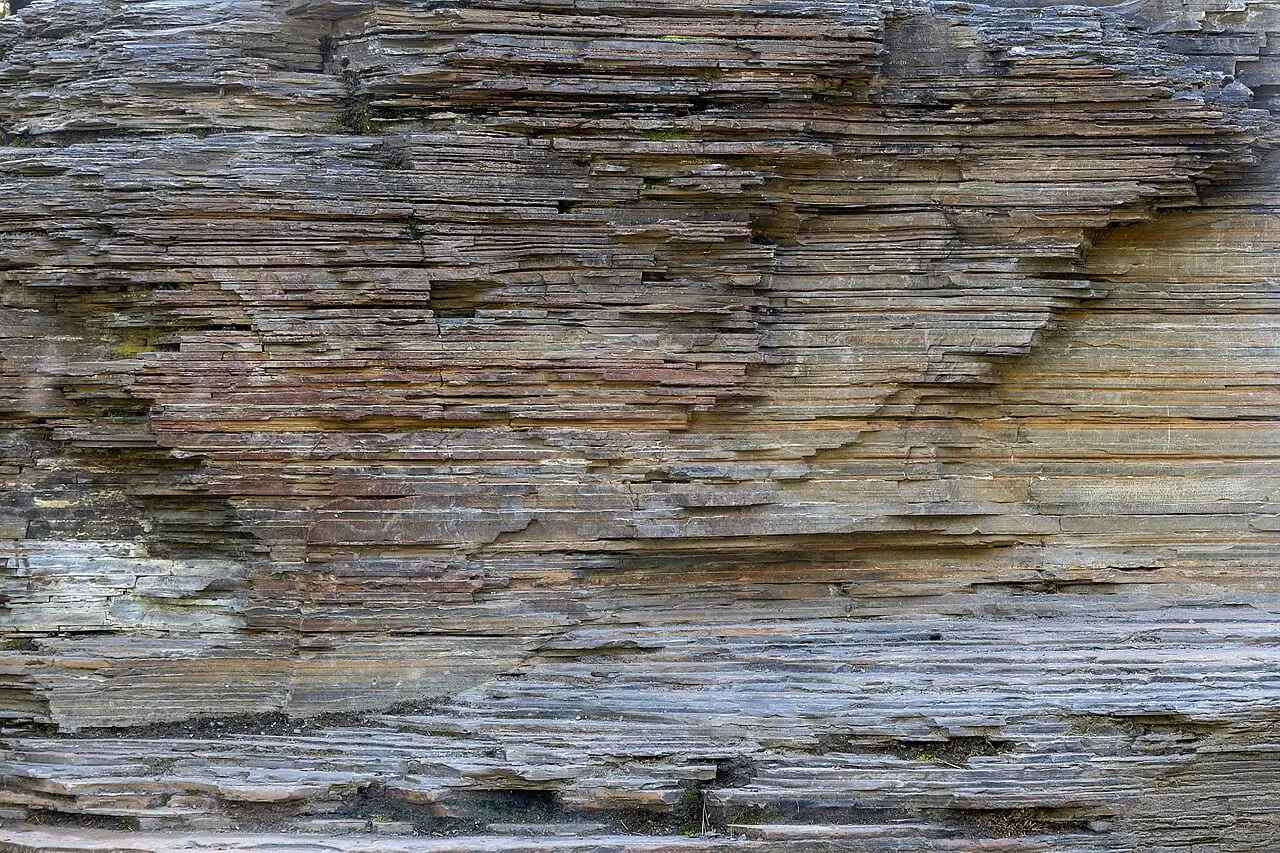
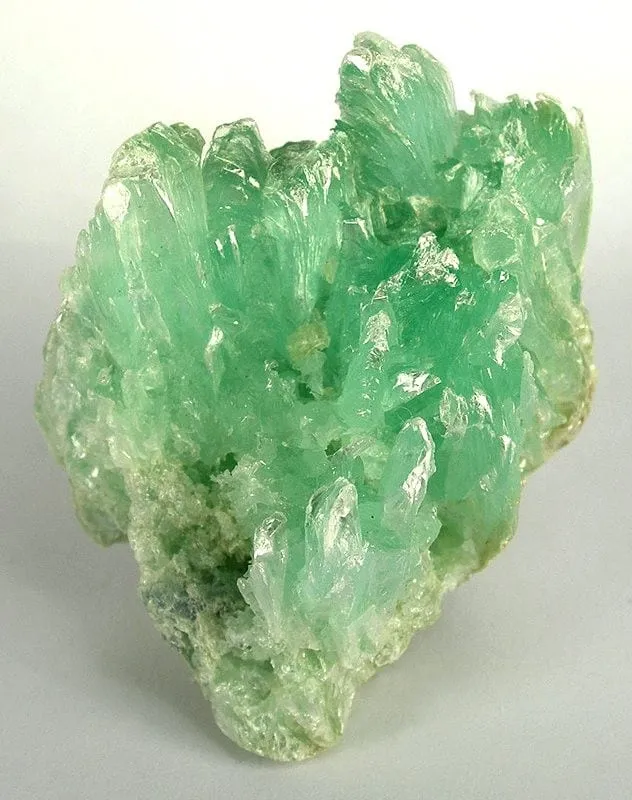
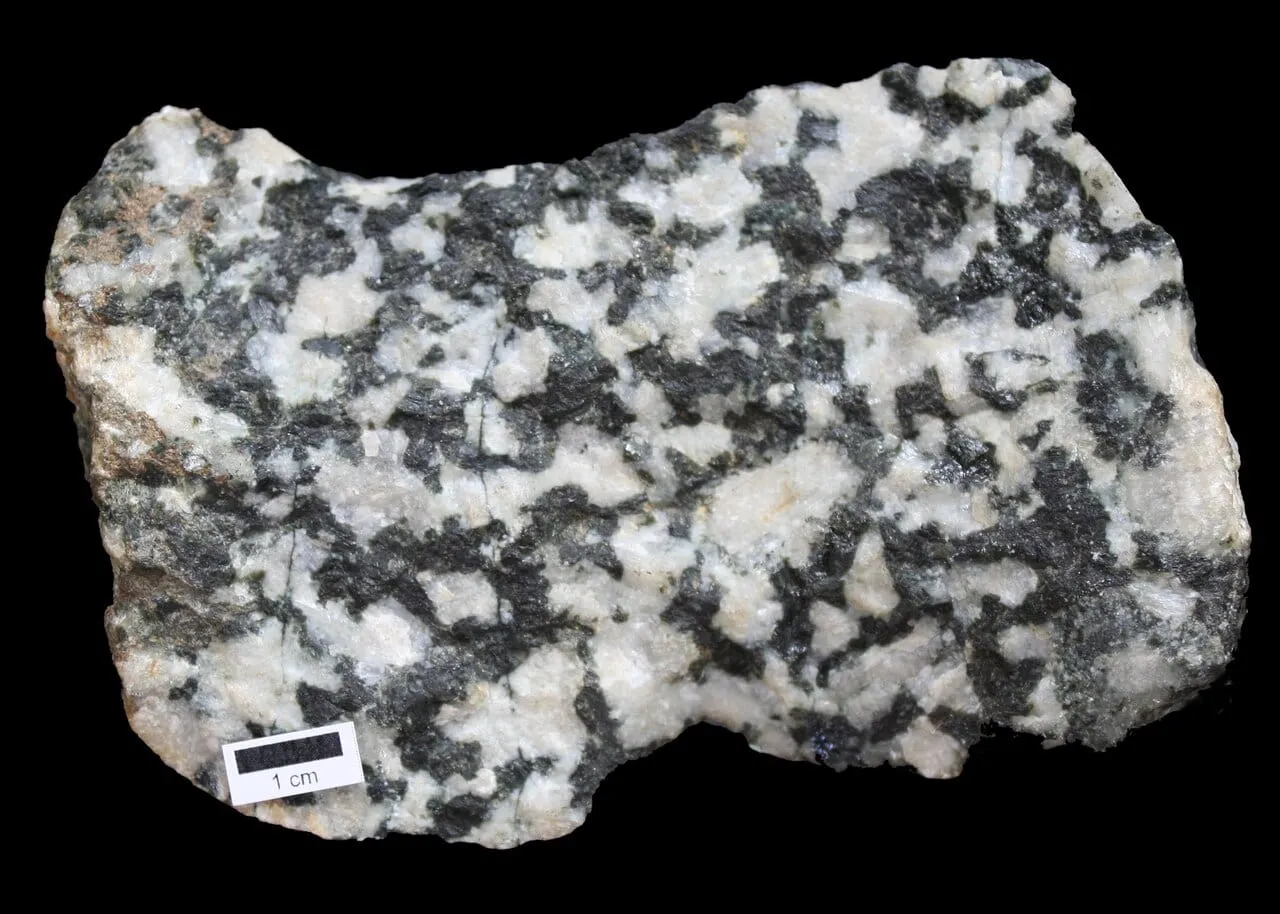

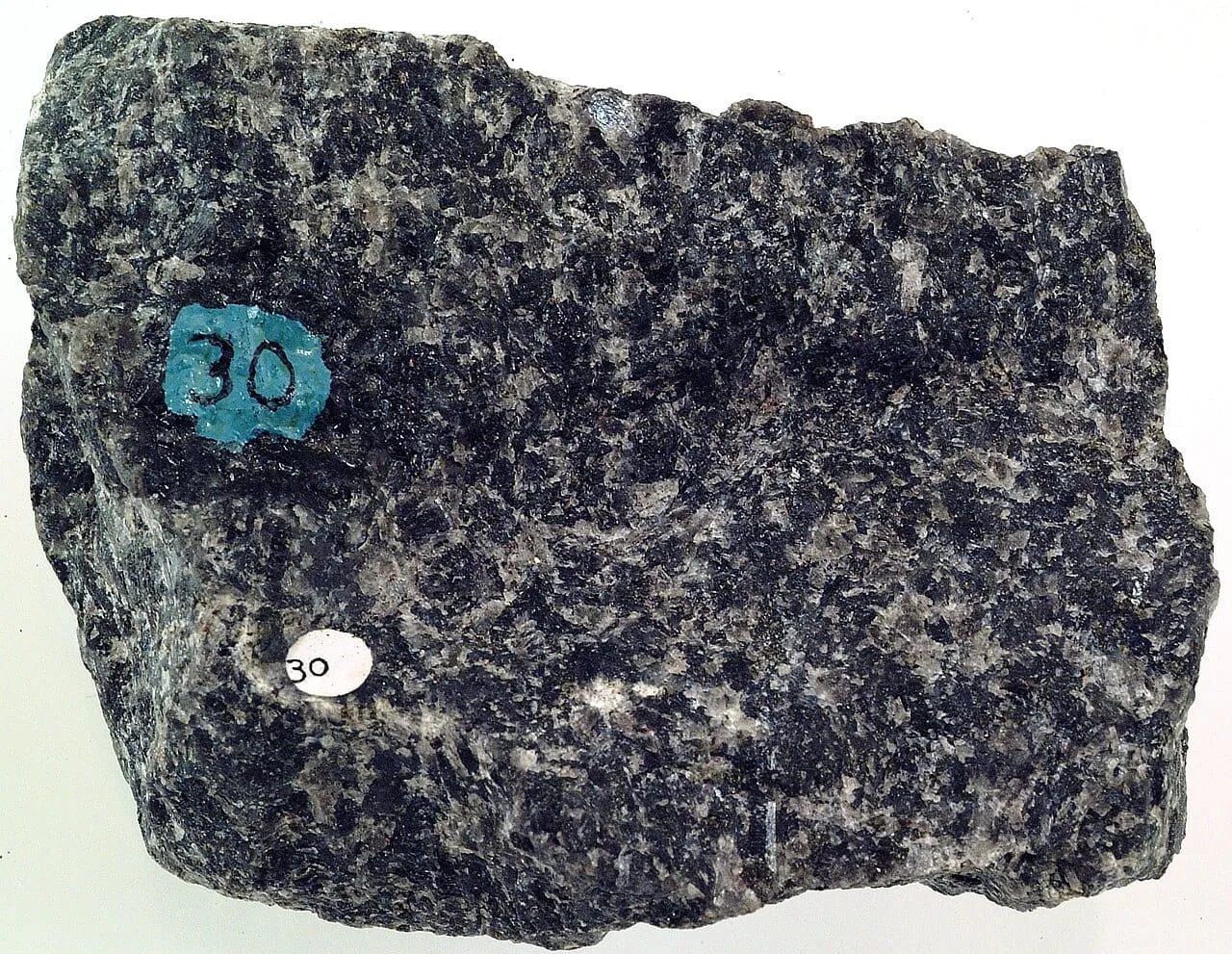
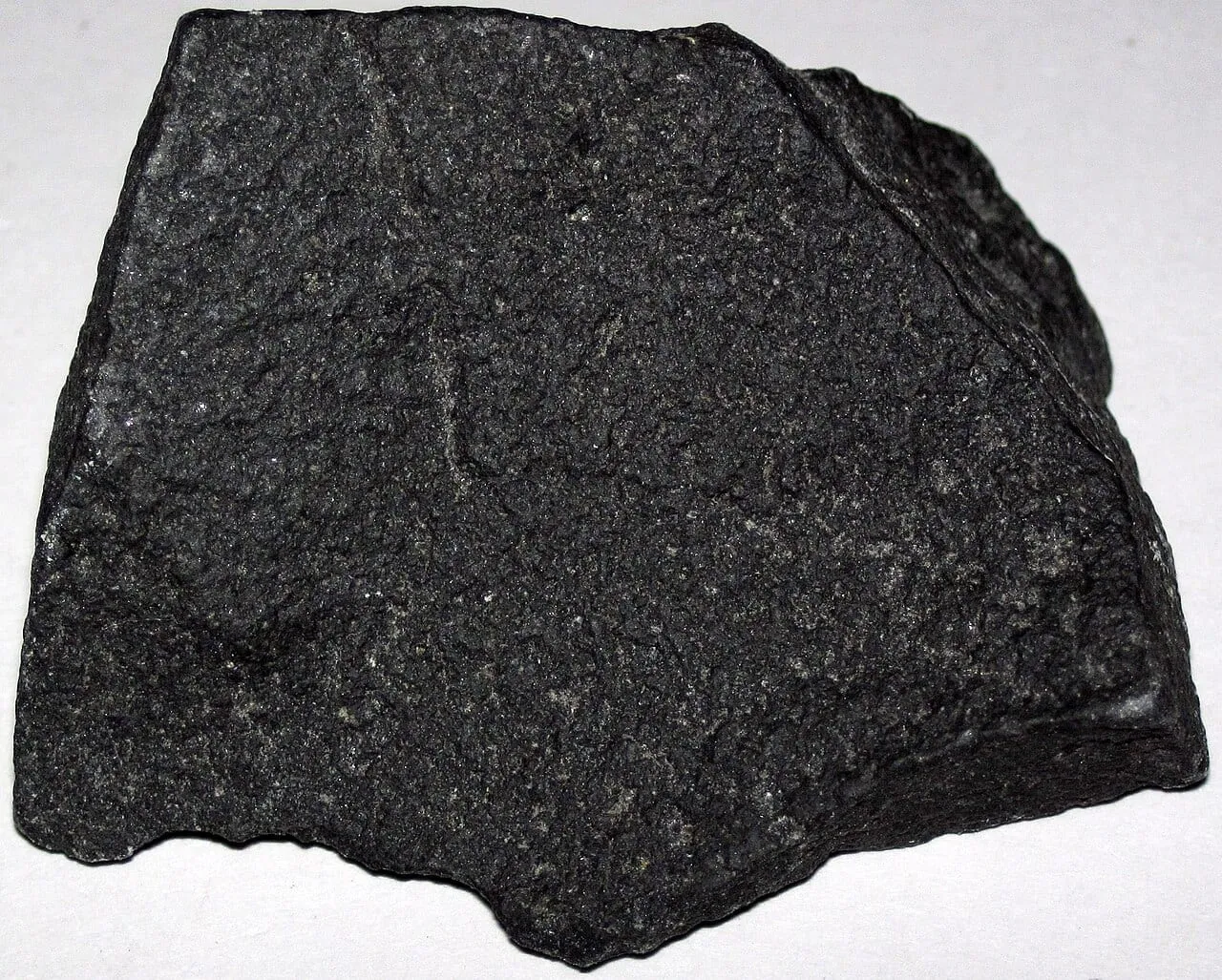
Gabbro
The deep building block of the ocean crust: the slowly cooled, coarse-grained twin of basalt.
Nothing looks right? Most stones people find are ordinary rocks. Is my stone valuable? →