VarietyA variety of Quartz
Prasiolite
SiO₂Prasiolit
The green variety of quartz: natural stones are very rare, and nearly all on the market is heated amethyst or irradiated quartz.
Also known as: Vermarine · Lime citrine
- Popularly: Semi-precious stone
- Gemstone
In short
Prasiolite is the green, transparent variety of quartz; its name means “leek-green stone” in Greek. It takes its green from Fe²⁺ iron ions in the crystal structure. Natural prasiolite is very rare; it was first found in the early 19th century in Lower Silesia, Poland. Nearly all the prasiolite sold today is artificial: amethyst from certain deposits is heated to 400–500 °C, or yellow-tinged quartz is irradiated.
Photos
How does it form?
The green of prasiolite comes from Fe²⁺ iron ions in the crystal structure. In nature this colour arises only rarely; it is said to occur where amethyst-bearing rocks have been heated by lava flows or intrusions. Commercial prasiolite, by contrast, is mostly made by heating amethyst in a laboratory oven to about 400–500 °C, or by irradiating yellow-tinged quartz.
What is it used for?
- Jewellery: it is used as a faceted stone in rings, necklaces and earrings; the main sources of the stone on the market are heated amethyst from the Montezuma mine and irradiated yellow-tinged quartz from various places in Brazil.
- Collecting: crystals and clusters are collected.
Where is it found?
Natural prasiolite is known from a few places, such as Płóczki Górne in Lower Silesia, Poland, Bahia in Brazil, Thunder Bay in Canada and the Rooisand farm in Namibia; a natural occurrence is also reported near Susanville in California. The main source of commercial prasiolite is the Montezuma mine in the Brazilian state of Minas Gerais.
What determines its value?
The value of prasiolite depends on the tone and saturation of the green, on clarity and on the cut. Natural prasiolite is very rare; nearly all the stones on the market are heated amethyst or irradiated quartz, and the treatment should be disclosed. Because the colour of treated stones can fade in sunlight and some artificial light, they should be stored with care. As prasiolite can stand in for far more valuable stones such as peridot, tsavorite and emerald, the seller should state clearly what the stone is and how it was treated.
This information is educational, not buying, selling or investment advice. Value varies enormously with quality and treatment.
How to recognise it
- 1
Its colour ranges from pale green to yellowish green; natural prasiolite is often a very light, translucent green, while darker green quartz is generally the result of artificial treatment.
- 2
It is as hard as quartz (7): it scratches glass, and a steel knife cannot scratch it; it has no cleavage plane.
- 3
The green of heat-treated stones can fade after long exposure to sunlight and some kinds of artificial light.
- 4
Whether a stone is natural, heated or irradiated cannot be told at home; that needs a gem laboratory.
Fakes and imitations
What shops usually don’t tell you:
- “Green amethyst”: prasiolite is sometimes sold under this name; according to the US Federal Trade Commission (FTC) guidelines the name is not acceptable, because it is misleading.
- Irradiated quartz: yellow-tinged quartz can be turned green with gamma rays; the pale green obtained is not stable and fades above about 150 °C.
- Other green quartzes: prase, chrysoprase, chrome chalcedony and quartz coloured green by chlorite or epidote inclusions are not prasiolite.
Myths and misconceptions
MythPrasiolite (“green amethyst”) is a natural kind of amethyst.
FactNatural prasiolite is very rare. Nearly all of what is sold is made by heating amethyst from certain deposits or by irradiating yellow-tinged quartz. The name “green amethyst” is not acceptable under FTC guidelines.
MythEvery green quartz is prasiolite.
FactPrasiolite is not the only green quartz. It should not be confused with prase, chrysoprase, chrome chalcedony or quartz coloured green by chlorite and epidote inclusions; these are all different stones.
MythAny amethyst turns green when heated.
FactMost amethyst turns yellow or orange when heated; only amethyst from certain deposits turns green.
Did you know?
The name comes from the Greek prason (leek) and lithos (stone), so it means “leek-green stone”.
Commercial prasiolite production began in the mid-1950s, when it was discovered that amethyst from the Montezuma mine in Brazil turned green when heated.
Where is it found?
Loading map…
- Montezuma mine, Minas Gerais, Brazil · Major depositThe main source of commercial prasiolite; amethyst from here turns green when heated, and commercial production began with this discovery in the mid-1950s
- Płóczki Górne, Lower Silesia, Poland · Historic sourceLower Silesia is where natural prasiolite was first found, in the early 19th century; Płóczki Górne is one of the known natural occurrences
- Bahia, Brazil · Known localityOne of the natural prasiolite deposits
- Thunder Bay, Ontario, Canada · Known localityOne of the natural prasiolite deposits
- Rooisand farm, Namibia · Known localityOne of the natural prasiolite deposits; the point is country-level
- Susanville area, California, USA · Known localityGeology.com reports a natural prasiolite occurrence near Susanville
Locations are approximate to protect sites. Red dots mark places in Türkiye. Open in the big map →
Frequently asked questions
What is prasiolite?
Prasiolite is the green, transparent variety of quartz; its name means “leek-green stone” in Greek. It takes its green from Fe²⁺ iron ions in the crystal structure. Natural prasiolite is very rare; it was first found in the early 19th century in Lower Silesia, Poland. Nearly all the prasiolite sold today is artificial: amethyst from certain deposits is heated to 400–500 °C, or yellow-tinged quartz is irradiated.
What is prasiolite used for?
Jewellery: it is used as a faceted stone in rings, necklaces and earrings; the main sources of the stone on the market are heated amethyst from the Montezuma mine and irradiated yellow-tinged quartz from various places in Brazil. Collecting: crystals and clusters are collected.
How hard is prasiolite?
It has a hardness of 7 on the Mohs scale. It scratches glass and steel; a steel knife cannot scratch it. Its specific gravity is 2.65–2.66 g/cm³.
Where is prasiolite found?
Its best-known localities: Montezuma mine, Minas Gerais, Brazil; Płóczki Górne, Lower Silesia, Poland; Bahia, Brazil; Thunder Bay, Ontario, Canada; Rooisand farm, Namibia.
How can you tell if prasiolite is real?
Its colour ranges from pale green to yellowish green; natural prasiolite is often a very light, translucent green, while darker green quartz is generally the result of artificial treatment. It is as hard as quartz (7): it scratches glass, and a steel knife cannot scratch it; it has no cleavage plane. The green of heat-treated stones can fade after long exposure to sunlight and some kinds of artificial light. “Green amethyst”: prasiolite is sometimes sold under this name; according to the US Federal Trade Commission (FTC) guidelines the name is not acceptable, because it is misleading.
Is prasiolite valuable?
On the “street to diamond” value ladder it sits on step 5 of nine: Ornamental stone. The value of prasiolite depends on the tone and saturation of the green, on clarity and on the cut. Natural prasiolite is very rare; nearly all the stones on the market are heated amethyst or irradiated quartz, and the treatment should be disclosed. Because the colour of treated stones can fade in sunlight and some artificial light, they should be stored with care. As prasiolite can stand in for far more valuable stones such as peridot, tsavorite and emerald, the seller should state clearly what the stone is and how it was treated.
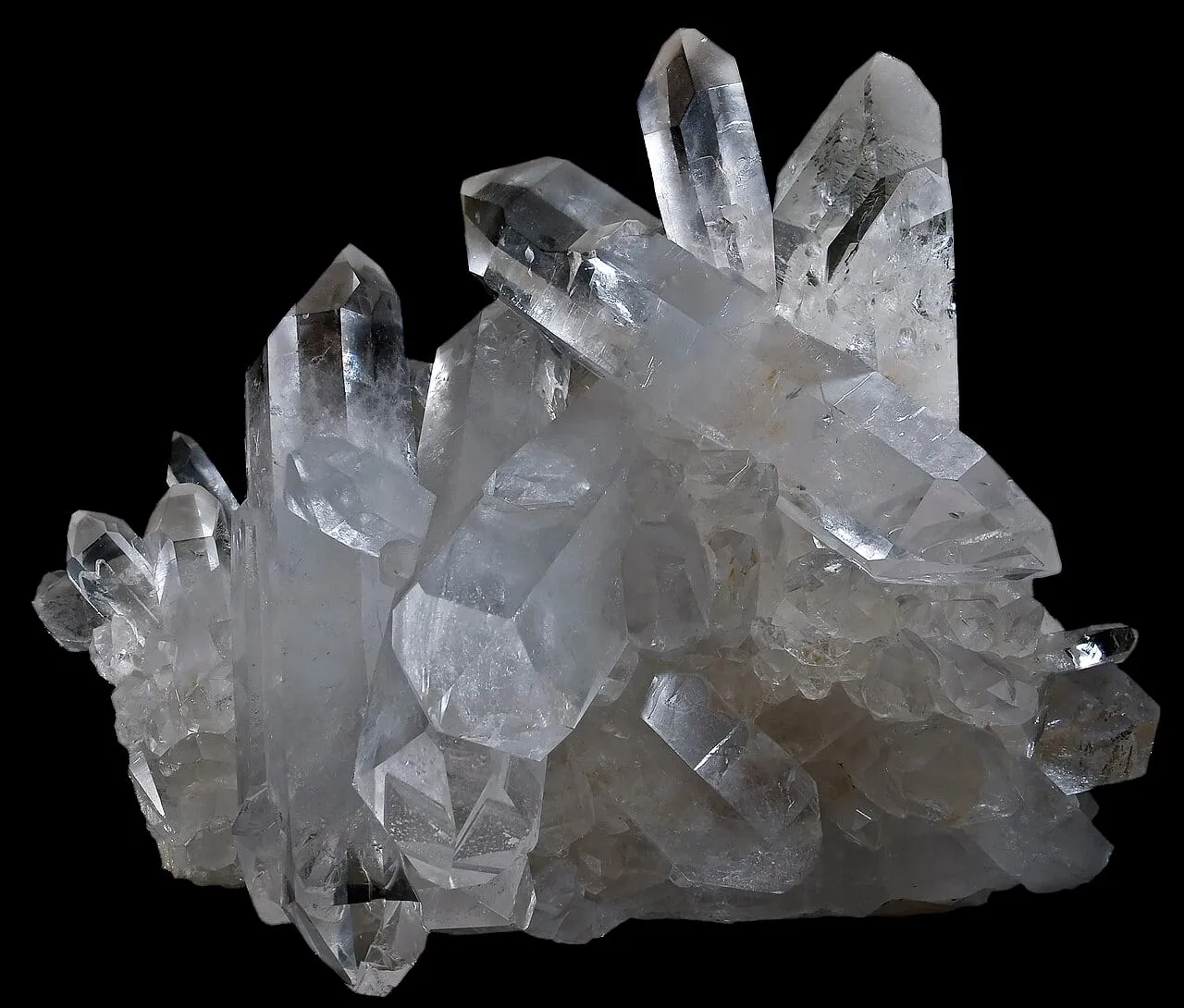
Family



Sources
- Prasiolite · Wikipedia
- Prasiolite · Geology.com
External links
Draft: awaiting expert reviewReport an error ↗
On the same step
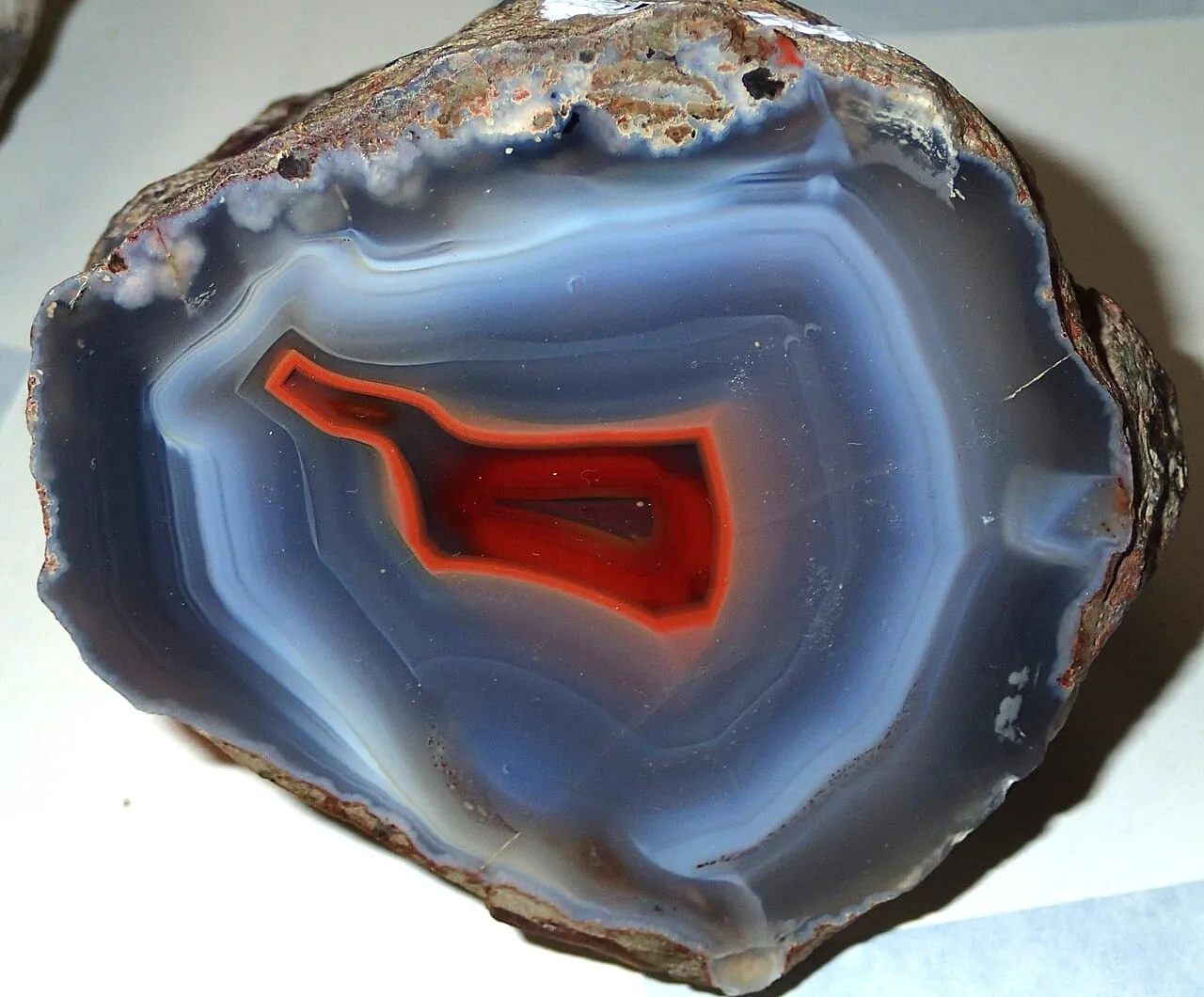
Agate
The banded variety of chalcedony: it grows layer by layer in hollows in volcanic rock and shows a new pattern every time it is cut.

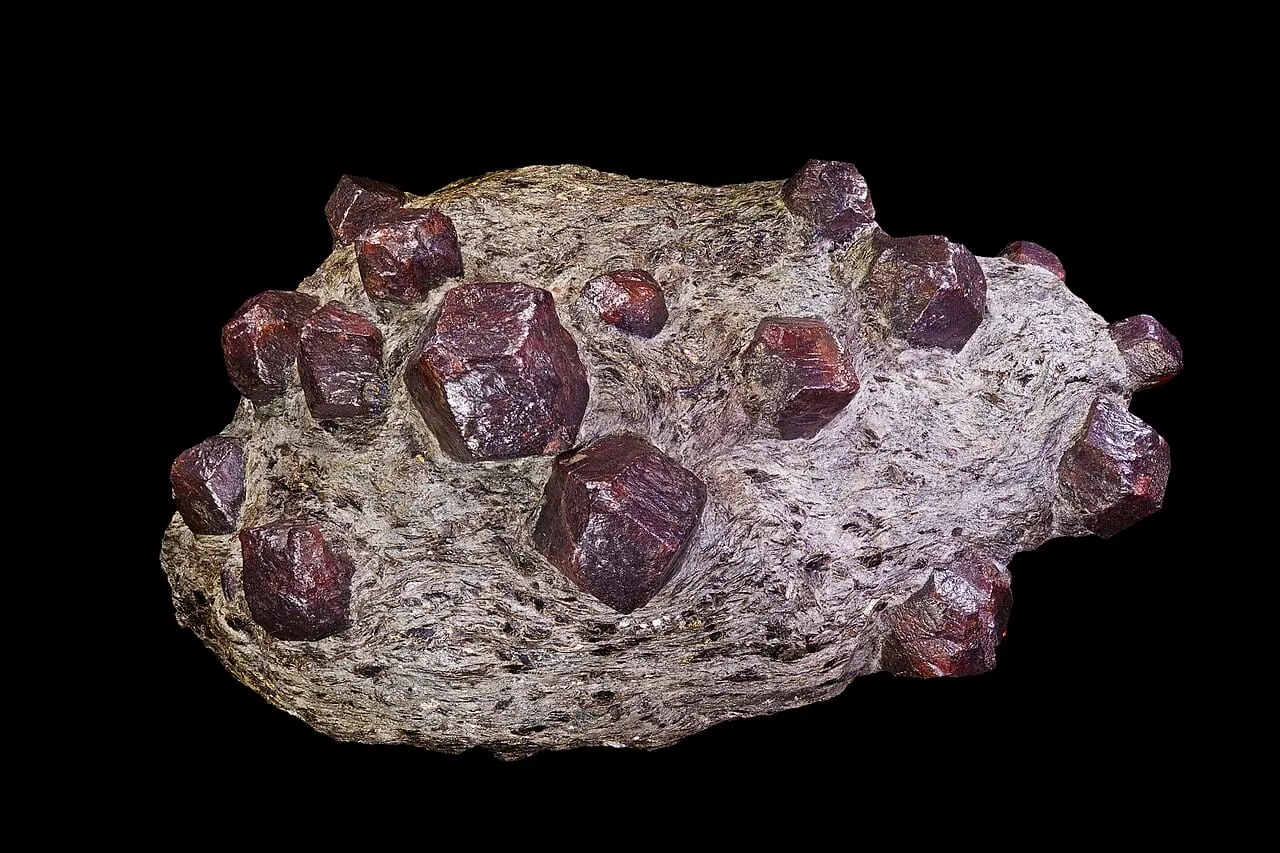
Almandine
The commonest garnet: a deep red, iron-rich stone named after the ancient city of Alabanda in Anatolia, used in jewellery and in sandpaper alike.
Amazonite
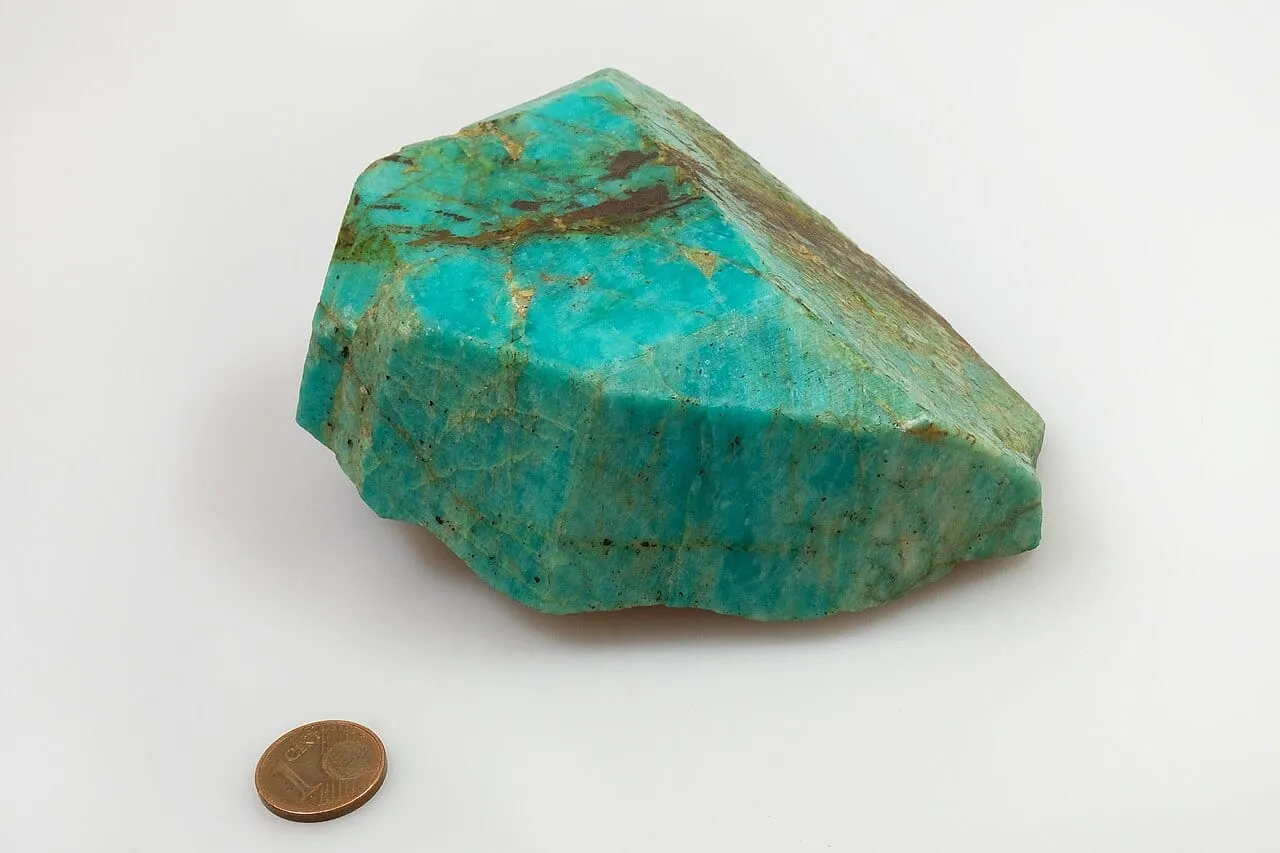
A turquoise-like green-blue feldspar: a variety of microcline worn as jewellery for more than three thousand years, but it can release lead.