VarietyA variety of Quartz
Amethyst
SiO₂Ametist
The purple variety of quartz, coloured by traces of iron working together with natural radiation.
Also known as: Purple quartz
- Gemstone
- Ornamental
- Important in Türkiye
In short
Amethyst is the purple variety of quartz. Tiny amounts of iron inside the crystal, exposed to natural radiation from the surrounding rocks, turn it purple. It is often found lining hollows in old lava rocks, forming geodes filled with crystals.
How does it form?
Some of the world’s largest amethyst deposits lie in old basalt lava flows in southern Brazil and northern Uruguay. As the lava cooled, trapped gas bubbles left hollows behind. Later, silica-rich waters seeping through these hollows deposited quartz layer by layer, creating geodes lined with crystals. Amethyst also grows in quartz veins left in cracks by hot underground waters.
Where does the purple come from?
The colour of amethyst comes from tiny amounts of iron built into the quartz crystal structure, combined with natural radiation from the surrounding rocks. The colour is sensitive to heat: heated amethyst turns yellow or orange, and most citrine on the market is made this way. The colour of some amethyst can also fade after long exposure to strong sunlight.
What makes it valuable?
Amethyst is relatively plentiful, so large, clean pieces can be found. Colour matters most: a deep, saturated and evenly distributed purple is the most sought after. Clarity and the quality of the cut also count.
In Türkiye, amethyst in quartz veins cutting volcanic rocks near Dursunbey (Balıkesir) has been documented in academic studies.
How to recognise it
- 1
It is as hard as quartz (7): it scratches glass, and a steel knife cannot scratch it.
- 2
Its colour is often uneven, with darker and lighter purple zones or bands inside the stone.
- 3
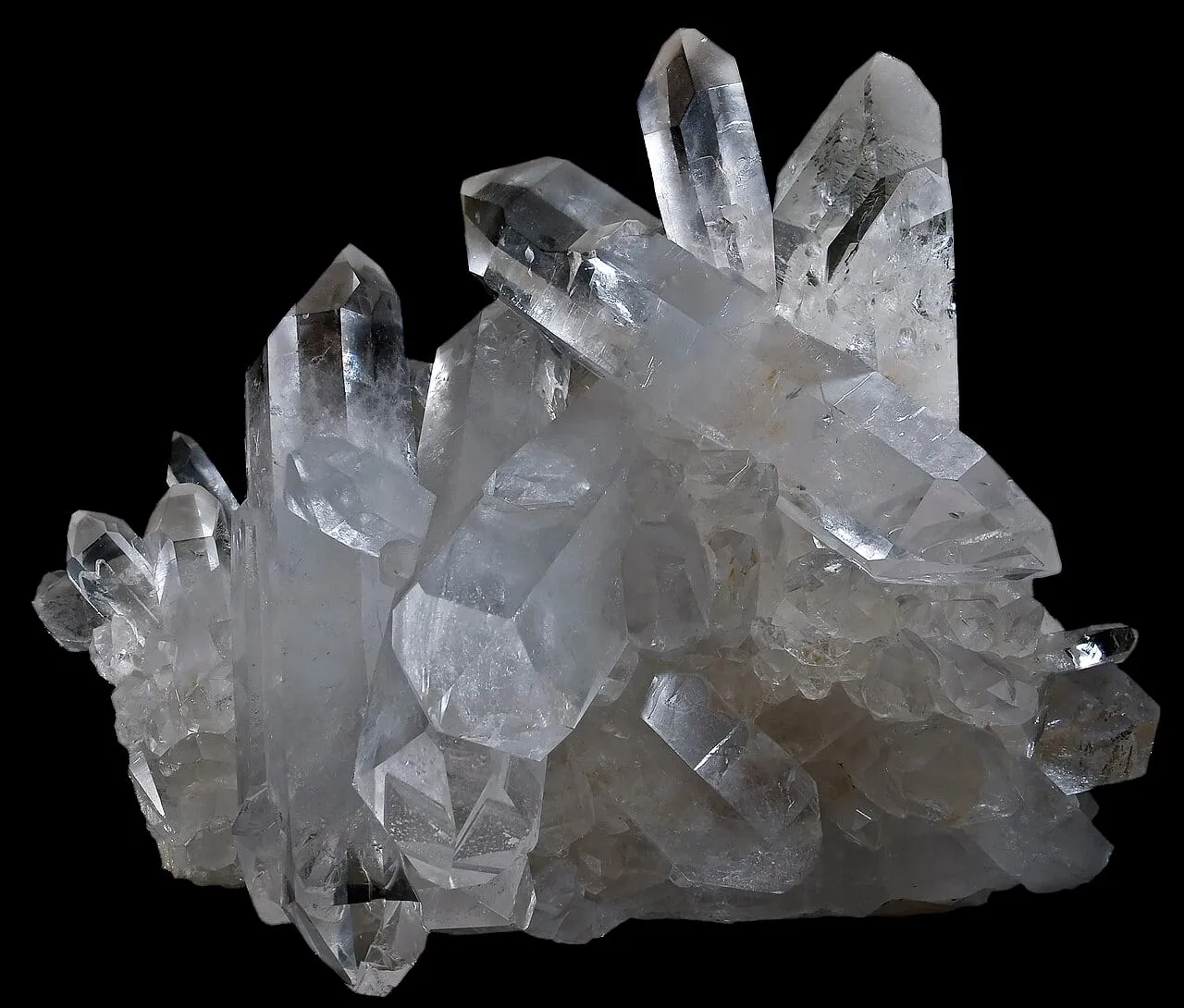
Crystals end in six-sided points and usually grow in clusters lining the inside of a geode.
- 4
Whether a cut stone is natural or synthetic cannot be told at home; that needs a gem laboratory.
Fakes and imitations
What shops usually don’t tell you:
- Synthetic amethyst: grown in the laboratory by the hydrothermal method and chemically identical to natural amethyst. Advanced laboratory testing can tell them apart.
- Glass imitations: softer than amethyst, may show round air bubbles inside, and their colour is often too even.
- Most citrine on the market is heat-treated amethyst. This is a common and accepted treatment, but the seller should state it clearly.
Did you know?
The name comes from the Ancient Greek “amethystos”, meaning “not drunk”: the ancient Greeks believed the stone prevented drunkenness.
Amethyst from some deposits turns green rather than yellow when heated; this green quartz is called prasiolite.
Where is it found?
Loading map…
- Ametista do Sul, Rio Grande do Sul, Brazil · Major depositLarge amethyst geodes in basalt lava flows
- Artigas, Uruguay · Major depositKnown for deeply coloured geodes in basalt
- Kariba area, Southern Province, Zambia · Major deposit
- Las Vigas, Veracruz, Mexico · Known localityPale, elongated and very clear crystals
- Dursunbey (Güğü area), Balıkesir, Türkiye · Known localityIn quartz veins cutting volcanic rocks; documented in academic studies
Locations are approximate to protect sites. Red dots mark places in Türkiye. Open in the big map →
Family

Sources
- Handbook of Mineralogy: Quartz · Mineralogical Society of America
- Amethyst Description (Gem Encyclopedia) · GIA
- Is citrine treated? · GIA
- Güğü (Dursunbey-Balıkesir) civarındaki ametistlerin oluşumunun incelenmesi (tez) · YÖK Açık Bilim
External links
Draft: awaiting expert reviewReport an error ↗
On the same step
Agate
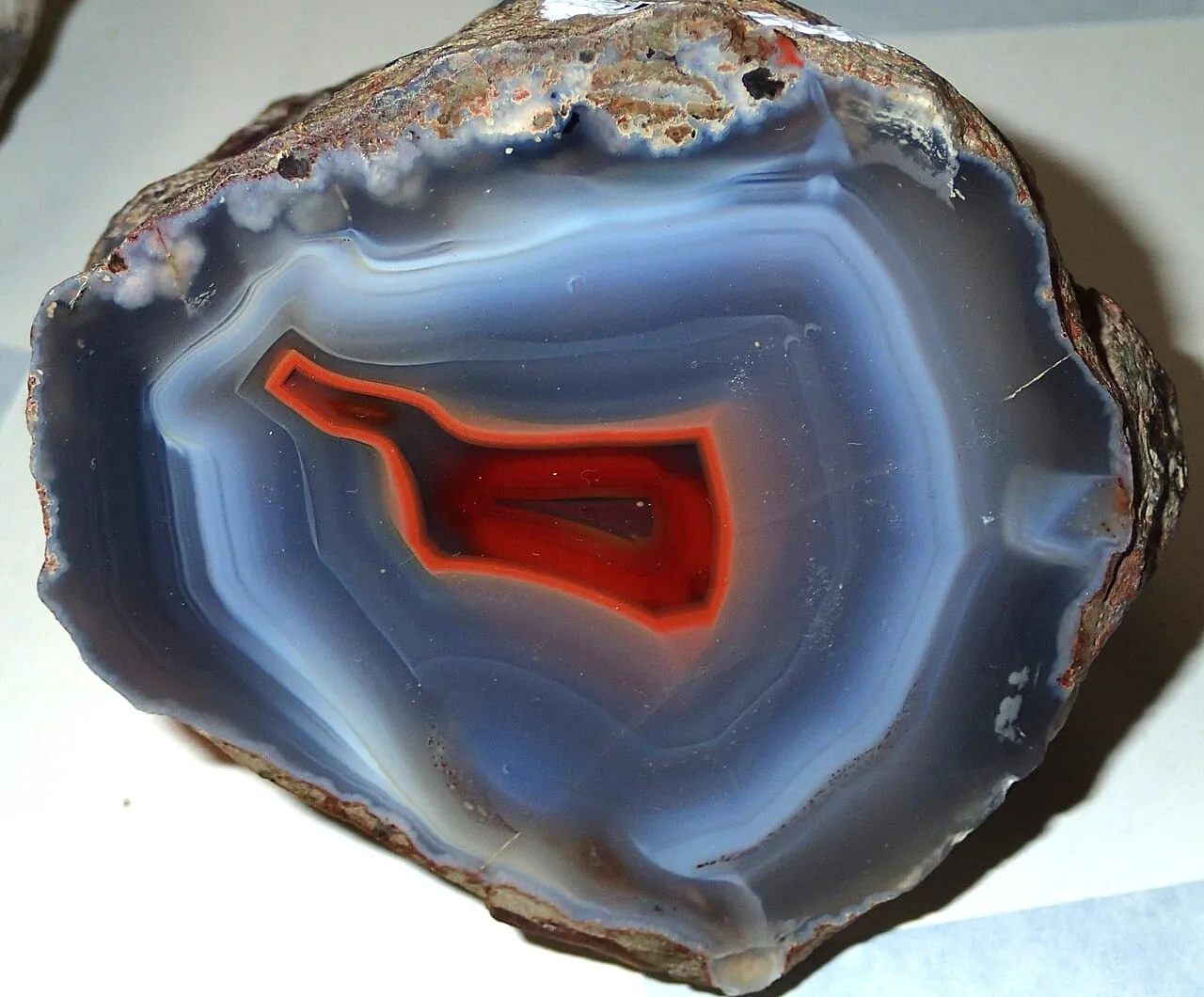
The banded variety of chalcedony: it grows layer by layer in hollows in volcanic rock and shows a new pattern every time it is cut.
Azurite
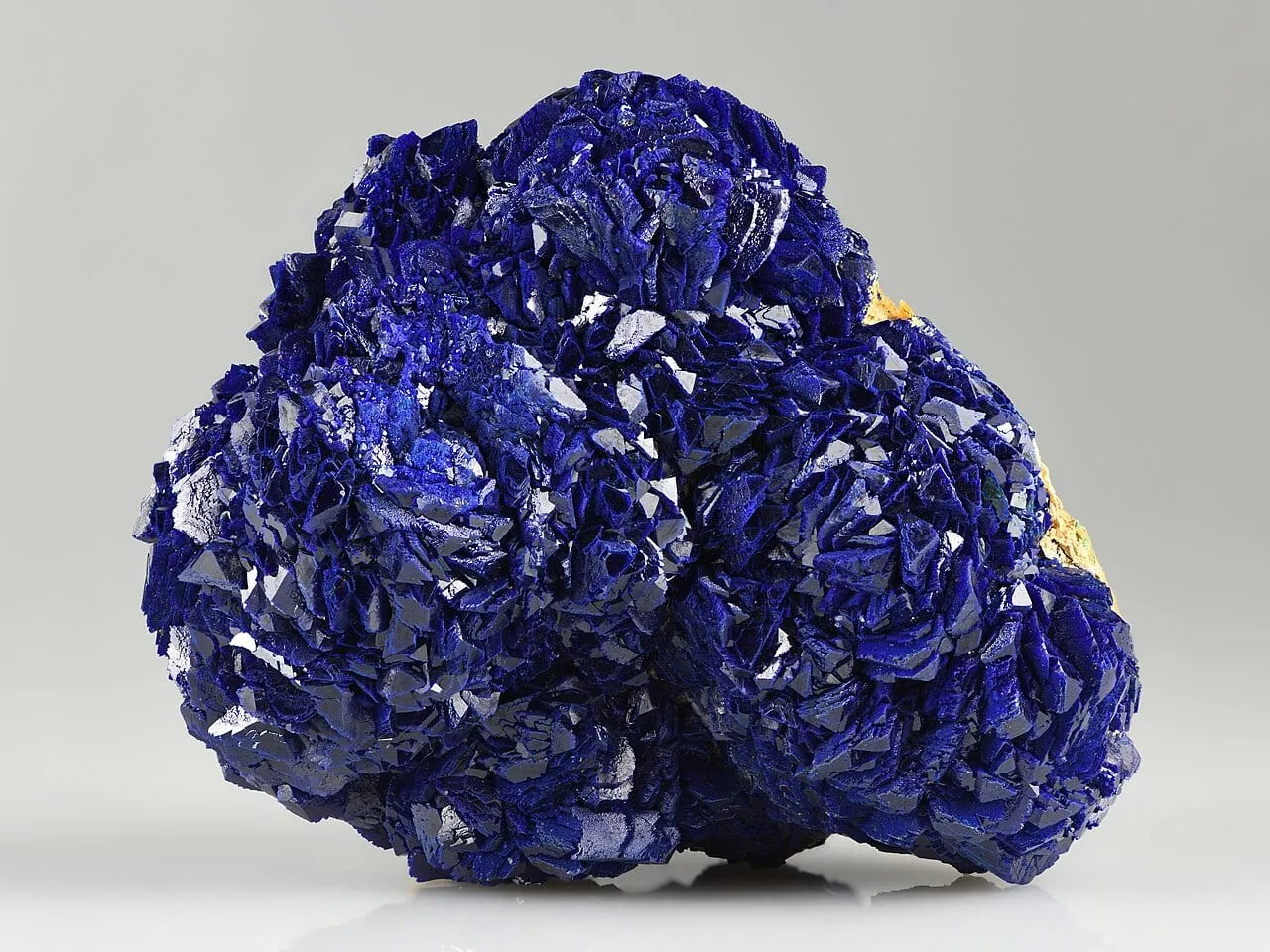
A deep blue copper mineral that was the most important blue pigment of medieval and Renaissance painters.
Beryl
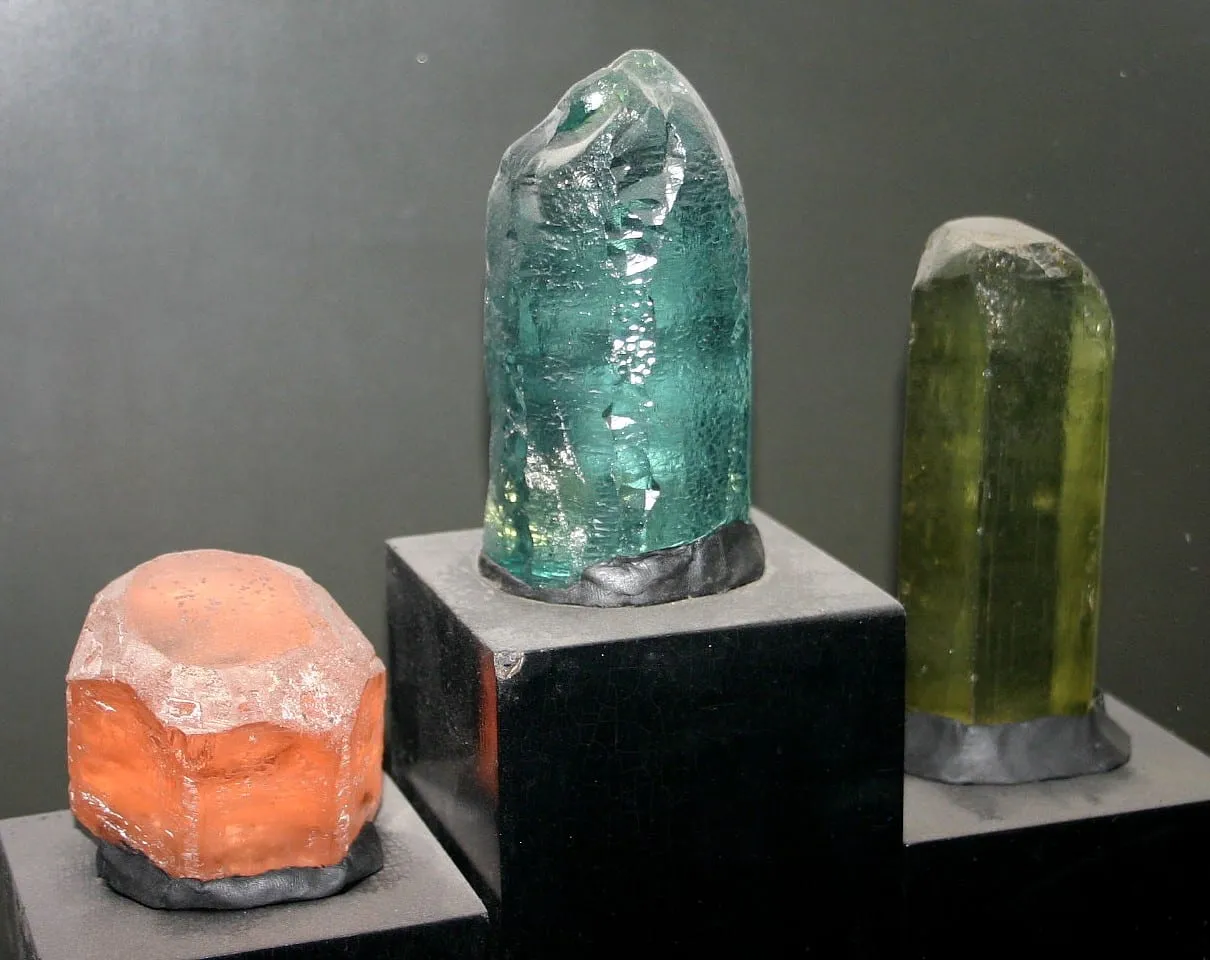
The mineral behind emerald and aquamarine: a gem family running from colourless to green, blue and pink, and an ore of beryllium.