Rock
Claystone
Kiltaşı
Clay turned to stone: a raw material for bricks, studied as a home for radioactive waste because water barely passes through it.
- Industrial

In short
Claystone is a very fine-grained sedimentary rock formed when clay is squeezed and hardened. It looks like shale but does not split into thin sheets; instead it breaks into blocks. Because water hardly passes through it, scientists study claystone layers to see whether dangerous waste could be stored safely deep underground.
How does it form?
As rocks weather, minerals such as feldspar break down into clay minerals. These tiny clay-sized particles settle out of water only very slowly, so they collect on lake beds, floodplains and calm sea floors. Once buried, the clay is compressed by the weight of the sediment above, loses its water and hardens into claystone.
Claystone belongs to the mudrock family. If most of the grains are clay-sized the rock is claystone; if they are silt-sized it is siltstone; a mix of clay and silt is mudstone, and a mudrock that splits into thin sheets is called shale.
What is it used for?
- Bricks and tiles: Ground claystone can be mixed with water, shaped and fired.
- Cement: It can be used, together with limestone, as a raw material for cement.
- Waste-disposal research: Because water barely moves through it and its cracks tend to seal themselves over time, countries such as Switzerland and France study claystone layers for the deep geological disposal of radioactive waste.
Engineers treat it with care: some claystones crumble or swell as they get wet and dry out again, which can trigger slope failures and damage structures.
How to recognise it
- 1
It is very fine-grained: the surface is smooth and dull, and no grains are visible even with a hand lens.
- 2
It is soft: a knife scratches it easily, and weathered pieces can even be scratched with a fingernail.
- 3
Unlike shale it does not split into sheets; it breaks into massive blocks.
- 4
A small piece wetted and rubbed between the fingers makes a slippery, smooth mud, whereas siltstone feels slightly gritty.
Fakes and imitations
What shops usually don’t tell you:
- Clay and claystone are not the same: clay is a loose sediment that can be moulded when wet, while claystone is hardened rock.
- Round, hard lumps (concretions) common in claystone and shale are sometimes sold as “fossil eggs” or “dinosaur eggs”. Most are lifeless structures formed by mineral precipitation; a real fossil egg can only be confirmed by expert study.
- Claystone, shale and marl are often confused in everyday language. Marl contains a large amount of calcium carbonate besides clay and fizzes in dilute acid.
Did you know?
At the Mont Terri rock laboratory in Switzerland, experiments on the safe storage of radioactive waste are carried out in tunnels dug into Opalinus Clay, a claystone about 175 million years old.
The red, yellow and black bands of Oregon's Painted Hills are layers of claystone and ancient soils formed from weathered volcanic ash.
Where is it found?
Loading map…
- Mont Terri Rock Laboratory, Jura, Switzerland · Known localityAn international underground laboratory dug into Opalinus Clay, a claystone about 175 million years old (Jurassic), where deep geological disposal of radioactive waste is studied.
- Bure, Meuse/Haute-Marne, France · Known localityUnderground research laboratory studying radioactive waste disposal in Callovo-Oxfordian claystone about 500 m below the surface.
- Painted Hills, Oregon, USA · Known localityHills banded in red, yellow and black, made of claystone and ancient soil (palaeosol) layers formed from weathered volcanic ash.
Locations are approximate to protect sites. Red dots mark places in Türkiye. Open in the big map →
Sources
- Claystone · Encyclopaedia Britannica
- Mudstone · Encyclopaedia Britannica
- Mont Terri Project · Federal Office of Topography swisstopo
- John Day Formation — John Day Fossil Beds National Monument · U.S. National Park Service
External links
Draft: awaiting expert reviewReport an error ↗
On the same step
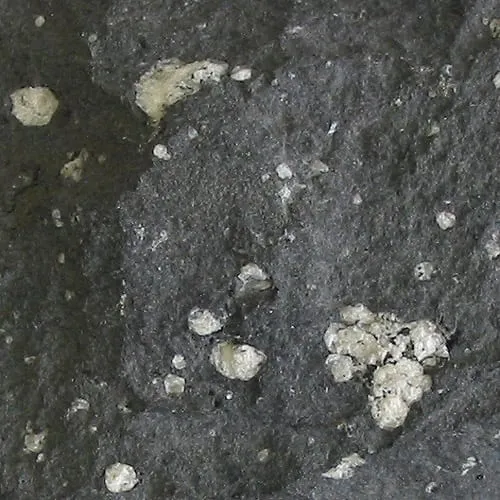
Andesite
The rock of volcanic arcs, named after the Andes — and the pink-grey stone of Ankara Castle.
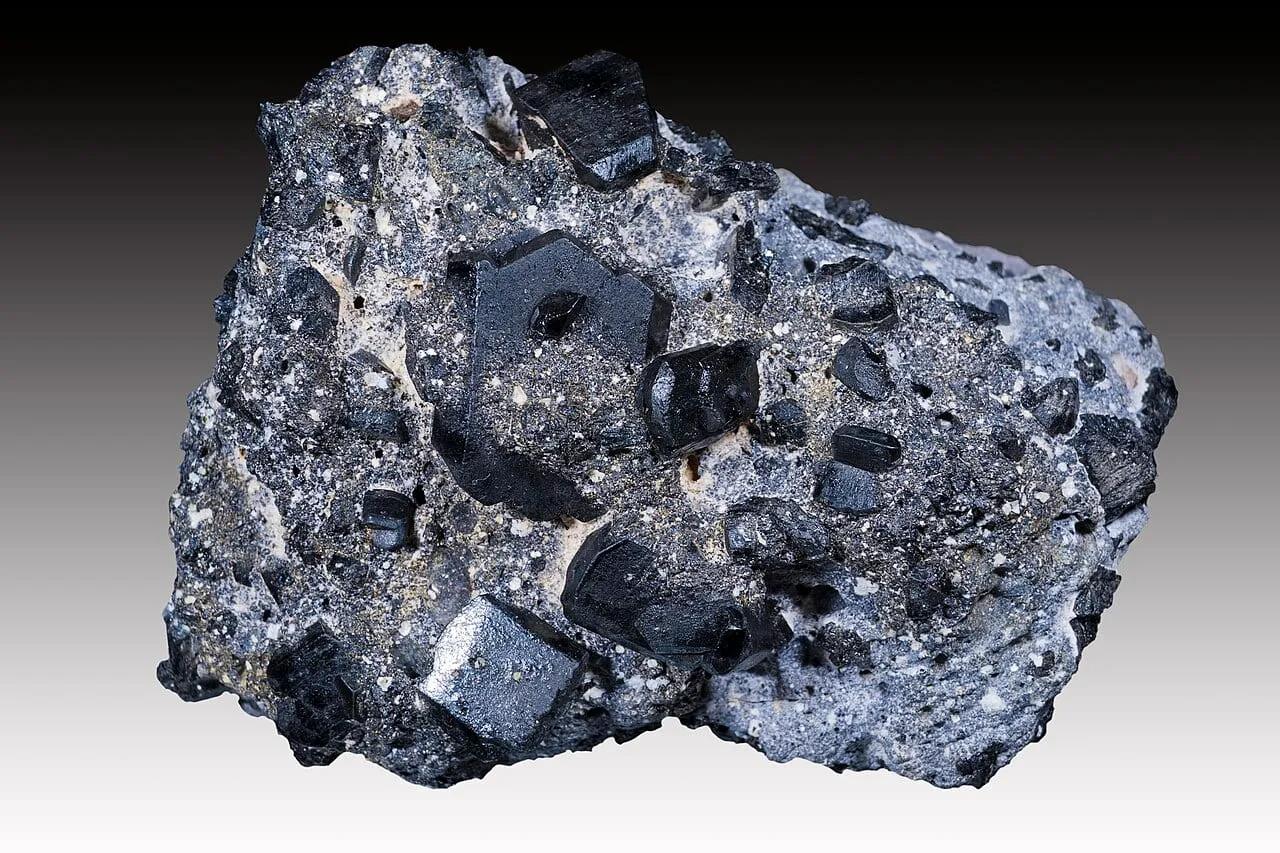
Augite (pyroxene)
The most common pyroxene, which darkens basalt and gabbro: inconspicuous, yet one of the key building blocks of Earth’s crust.
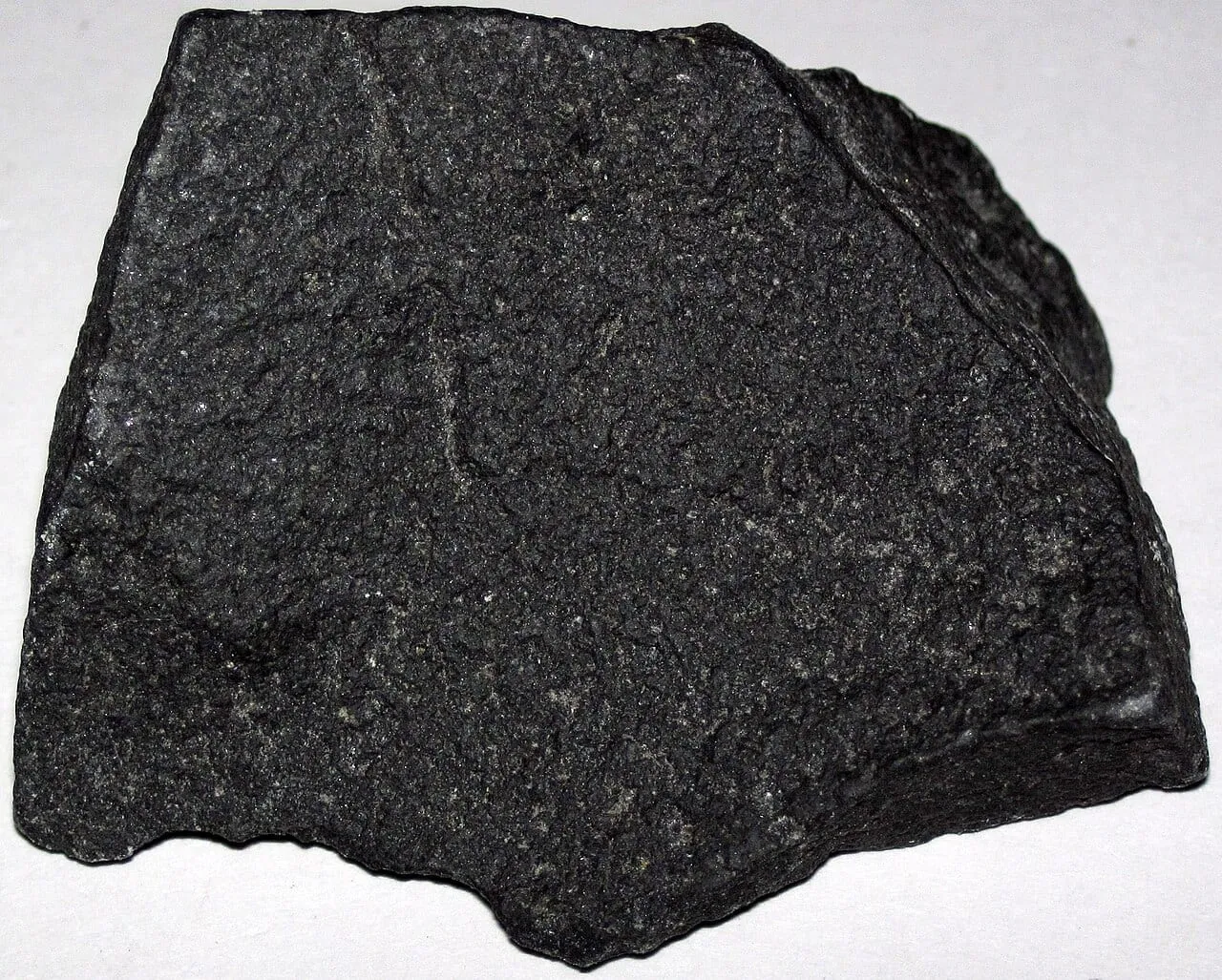
Basalt
The rock of the ocean floors and the Moon’s dark plains — the most common volcanic rock on Earth.