Mineral
Muscovite
KAl₂(AlSi₃O₁₀)(OH)₂Muskovit
The white mica that peels into paper-thin, clear, flexible sheets; in Russia it was once used instead of window glass.
Also known as: White mica · Potash mica · Muscovy glass (historic) · Fuchsite (green, chromium-rich variety)
- Everyday
- Industrial

In short
Muscovite is the most common member of the mica family. It shows up as shiny, silvery flakes in rocks such as granite, schist and gneiss. It can be split into very thin sheets like the pages of a book, and the sheets spring back instead of breaking when you bend them.
How does it form?
Muscovite is one of the most common minerals in Earth’s crust. It crystallises as magma cools in granite and granite pegmatites, and it forms under heat and pressure in metamorphic rocks such as schist, phyllite and gneiss. In pegmatites it can grow crystals measured in metres; these stacks of sheets are called “books”. Because it resists weathering quite well, it survives as shiny flakes in sand and sandstone after rocks wear away.
What is it used for?
- Electrical insulation: Sheet mica resists heat and does not conduct electricity, so it is used as an insulator in electrical and electronic parts.
- Ground mica: Ground mica is used in joint compound, paint, roofing, rubber products and oil-well drilling muds. The shimmer in cosmetics often comes from finely ground mica too.
- History: In Russia it was long used in windows instead of glass.
The mica family
Muscovite is also known as white mica. Its dark relative, rich in iron and magnesium, is biotite. Green, chromium-bearing muscovite is called fuchsite; the glittering flakes that give green aventurine quartz its sparkle are usually fuchsite.
How to recognise it
- 1
With a fingernail or knife tip it easily peels from the edge into thin, clear sheets; a bent sheet springs back when released (it is elastic).
- 2
It is colourless, silvery or light brown. Its relative biotite, from the same family, is dark brown to black.
- 3
The sheet surface has a pearly or silky shine and is soft (hardness about 2.5); towards the edges of the sheets the hardness rises to 4.
- 4
Talc and chlorite also split into flakes, but their flakes are not elastic: once bent, they stay bent. Talc also feels soapy, and chlorite is green.
Fakes and imitations
What shops usually don’t tell you:
- Yellowish mica flakes glittering in stream sand or rock can be mistaken for gold. Mica flakes lift off easily with a needle and are very light; gold is heavy and flattens when pressed.
- Industry often uses synthetic mica or sheets pressed from mica powder (mica paper) instead of natural sheets; these are not single natural sheets.
- The English word “isinglass” is used both for mica sheets and for a gelatine made from fish, which can cause confusion in old texts.
Safety
Muscovite is harmless to handle. Breathing in fine mica dust from grinding and cutting over long periods can damage the lungs; wear a suitable dust mask for dusty work.
Did you know?
Its name comes from “Muscovy glass”, the old English name for mica sheets from Muscovy (old Russia), which were long used instead of window glass.
Because mica sheets resist heat and do not conduct electricity, they have been used to hold the heating wires in appliances such as toasters and hair dryers.
Where is it found?
Loading map…
- Eastern Minas Gerais pegmatite province, Brazil · Major deposit
- Nellore, Andhra Pradesh, India · Major depositCommercial mica deposits that may contain huge crystals
- Black Hills, South Dakota, USA · Known localityMuscovite in granite pegmatites
- Slyudyanka, near Lake Baikal, Russia · Known locality
Locations are approximate to protect sites. Red dots mark places in Türkiye. Open in the big map →
Sources
- Handbook of Mineralogy: Muscovite · Mineralogical Society of America
- Mineral Commodity Summaries 2026: Mica (Natural) · U.S. Geological Survey, 2026
External links
Draft: awaiting expert reviewReport an error ↗
On the same step
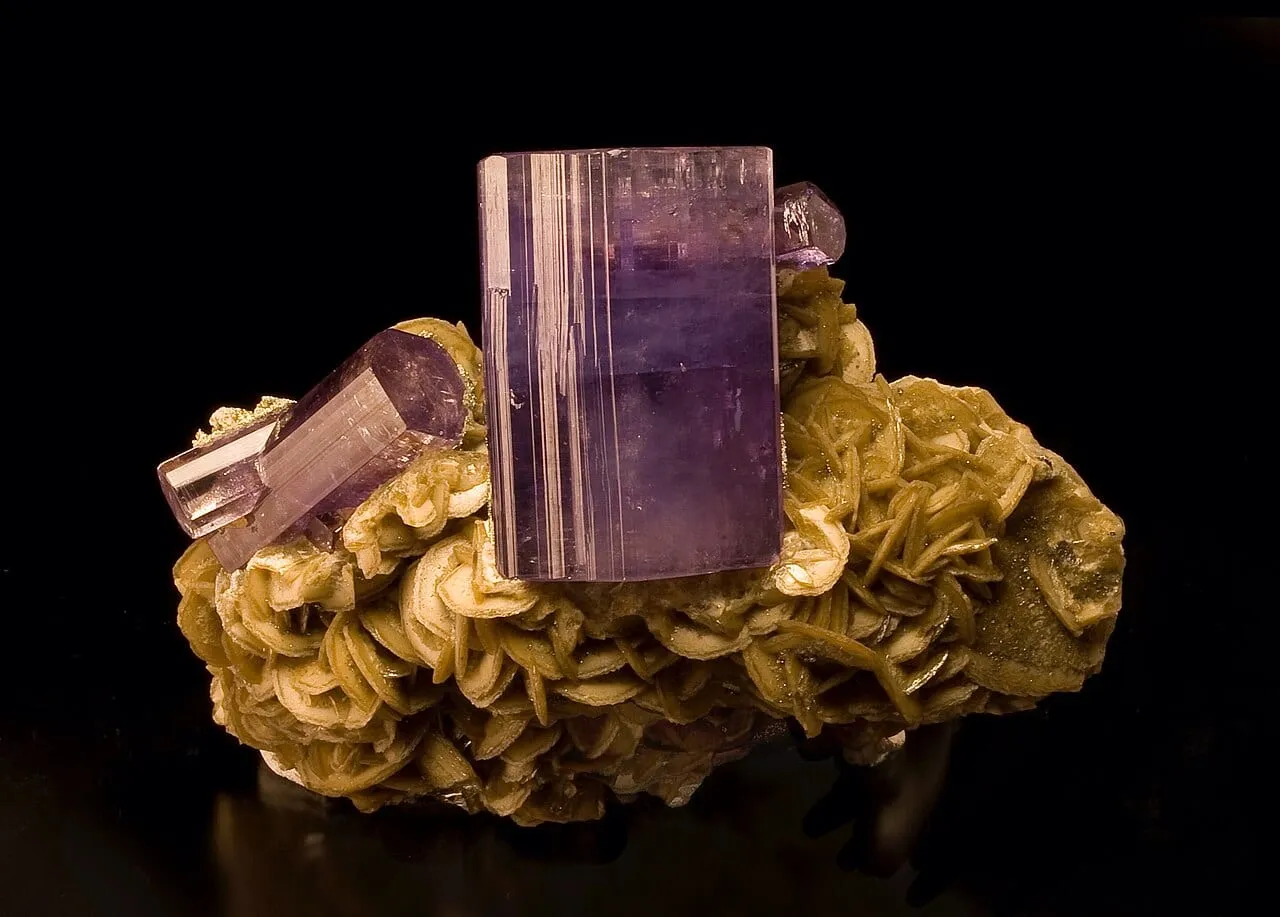
Apatite
A mineral cousin of our teeth and bones, the source of the phosphorus in fertilisers, and number 5 on the Mohs scale.
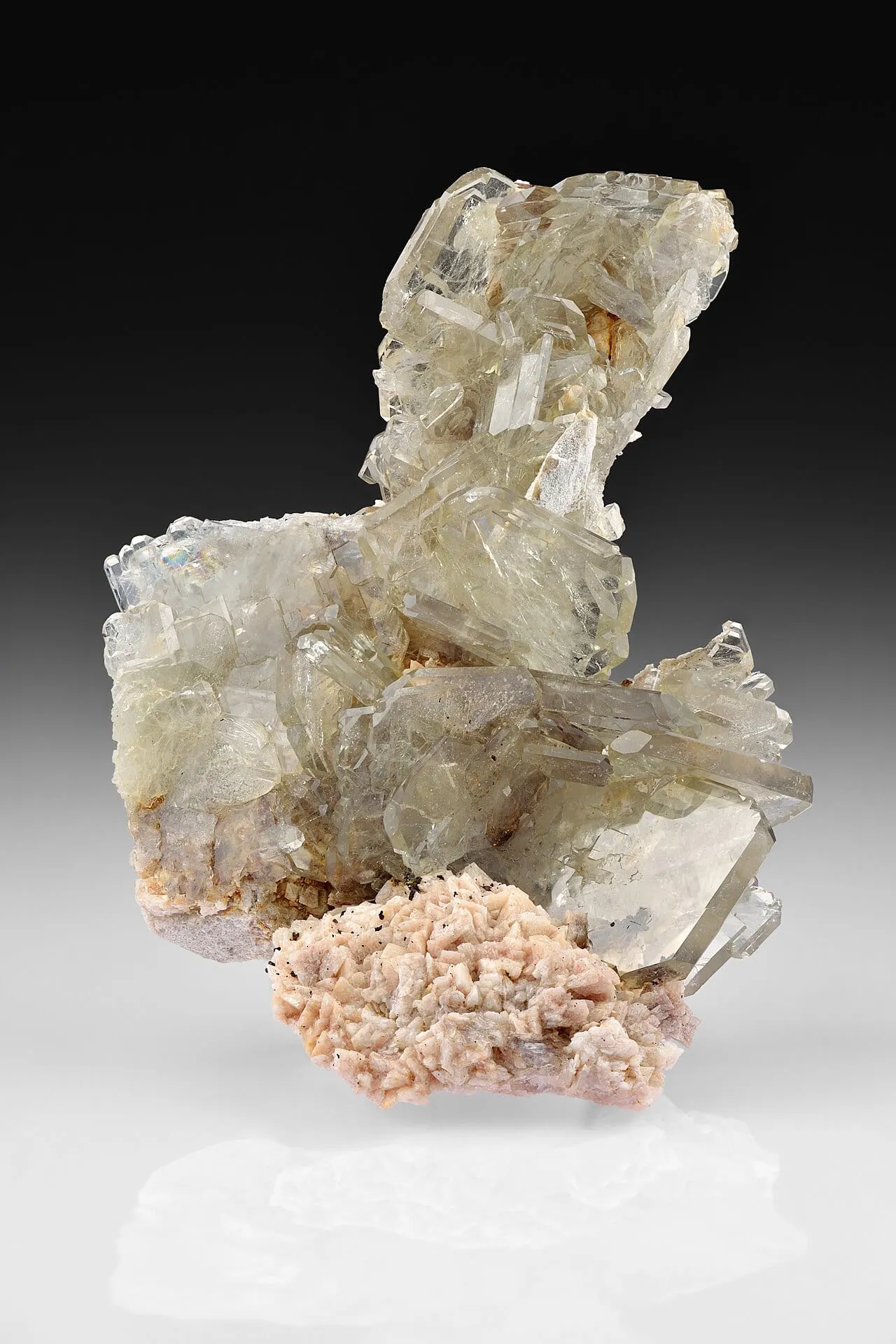
Baryte
A pale barium mineral that feels surprisingly heavy in the hand; even its name comes from the Greek word for heavy.
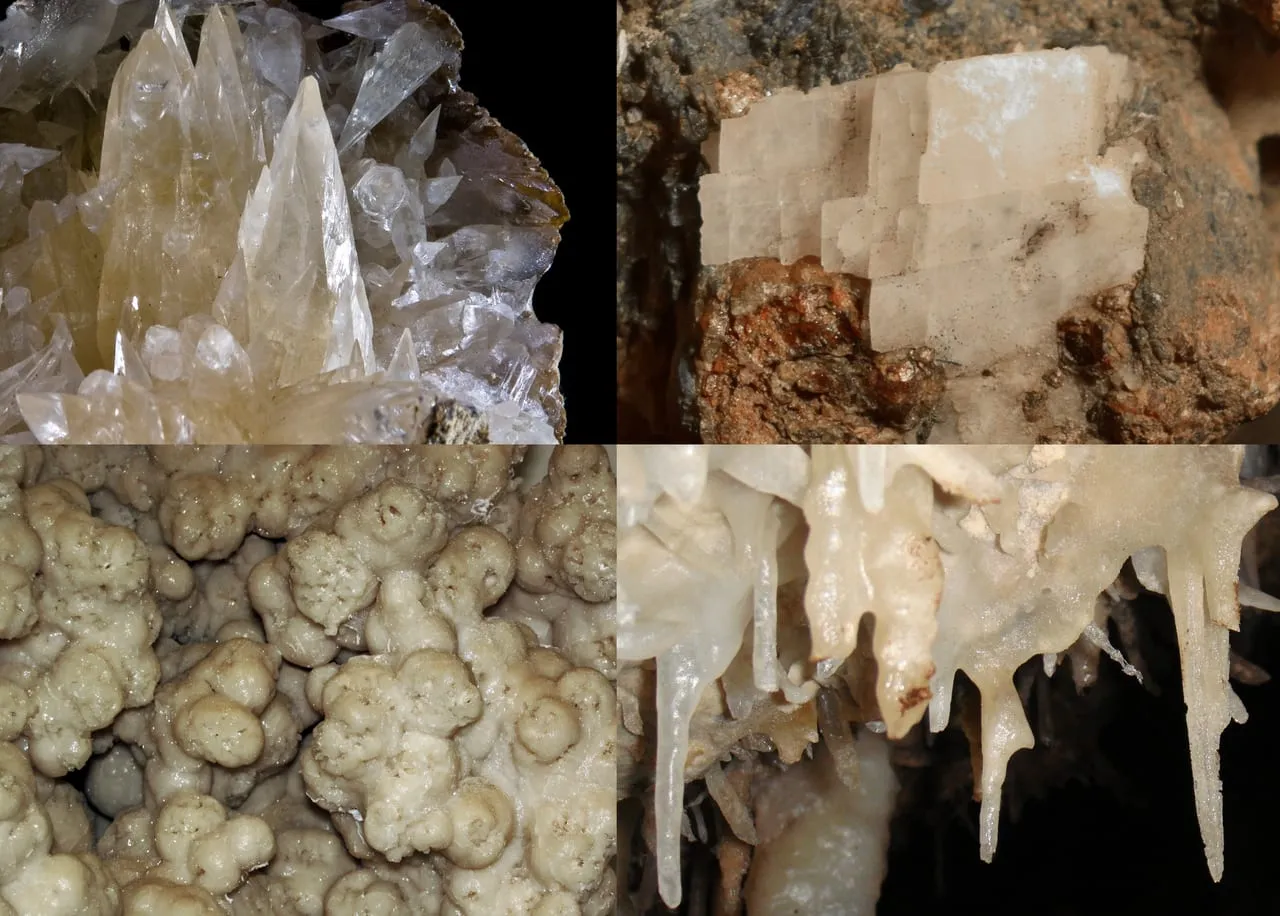
Calcite
The main mineral of limestone, marble and cave stalactites: it fizzes in acid, and its clear crystals show everything double.