VarietyA variety of Agate
Botswana agate
SiO₂Botsvana akiği
Small agate nodules from the ancient basalts of eastern Botswana, known for fine bands of pink, purple, grey, black and white.
- Popularly: Semi-precious stone
In short
Botswana agate is a kind of agate that formed in gas cavities in the roughly 180-million-year-old Karoo basalts of eastern Botswana, in southern Africa. It usually occurs as small nodules 2.5–5 cm across, and when cut it shows very fine, closely spaced bands of pink, purple, grey, black and white. These soft colours and tight, regular bands set it apart from other agates.
Photos
How does it form?
About 180 million years ago, in the Jurassic, Karoo lava flows covered much of southern Africa. As the lava cooled, trapped gas bubbles left small cavities in the basalt. Later, silica-rich water or silica gel seeped into these cavities; once a cavity was full, the silica crystallised layer by layer into finely banded agate nodules. Each band has its own mix of silica, water and colouring trace elements, and the colours of the bands come from these differences.
As the agate crystallises and ages it becomes denser and shrinks slightly. A soft green clay (celadonite) fills the gap left between the cavity wall and the agate, which is why unweathered Botswana agates have a green skin. When the basalt weathers away, the hard agate nodules are freed and end up on the surface.
What is it used for?
- Jewellery: used for beads, cabochons, pendants and ring stones; its fine bands show well when cut and polished.
- Decoration and collecting: whole nodules are cut in half and polished for collections and display.
- Economy: agate makes a contribution, if a small one, to Botswana’s mineral-based economy and creates jobs in collecting, processing and jewellery making.
Where and how is it collected?
Botswana agates are found mainly in the Central District in the east of the country: around Bobonong, along the Motloutse River and in the Serowe area south-west of Bobonong. After the rainy season, the fields along the river are littered with agates freed from the weathering basalt, and the stones are mostly picked up from the surface. Smaller amounts occur around Mahalapye and Kanye, where the nodules are embedded in the rock rather than lying loose. The same Bobonong area also yields a white stone with green streaks, known locally as “green moss agate” or, after the Italian cheese, “gorgonzola”; scientific study has shown that it is in fact microcrystalline quartz rather than agate.
What determines its value?
Value depends mostly on how fine and regular the bands are and how natural and attractive the colours look: pieces combining pink, purple and grey tones in sharp, tight bands are the most sought after. Because the nodules are small, larger pieces without cracks are worth more. The quality of the cut and polish also matters. It is a plentiful ornamental stone; being undyed and naturally coloured keeps its value.
This information is educational, not buying, selling or investment advice. Value varies enormously with quality and treatment.
How to recognise it
- 1
The cut face shows very fine, closely spaced concentric bands in pink, purple, grey, black and white.
- 2
The nodules are small, mostly 2.5–5 cm across; unweathered rough nodules have a greenish clay skin.
- 3
Like other agate it is hard (6.5–7): it scratches glass, and a steel knife cannot scratch it.
- 4
Its colours are soft, natural tones; neon-bright pink, purple or blue agates are most likely dyed.
Fakes and imitations
What shops usually don’t tell you:
- Other dyed agates: because most commercial agate is dyed, ordinary agate dyed pink or purple can be passed off as Botswana agate. In dyed stones the colour is often unnaturally vivid and concentrated in the more porous bands.
Myths and misconceptions
MythThe “green moss agate” (gorgonzola) from Bobonong is an agate, and its green streaks are fossilised moss.
FactAn electron-microscope study at the University of Botswana showed that this stone is not agate but microcrystalline quartz. The green streaks are not moss but a clay mineral called celadonite.
What is it believed to be good for?
This section reports beliefs; it is not health information. There is no scientific evidence for these claims and no stone replaces medical treatment.
The meanings people give this stone, and who holds them:
- Today crystal-therapy sites present Botswana agate as a “stone of change” and a “soothing stone” and claim that it calms the mind and body.
- The same sources claim that Botswana agate helps people quit smoking, eases withdrawal symptoms and is good for the lungs and skin.
What science says
There is no scientific evidence that Botswana agate calms people, makes it easier to stop smoking or is good for the lungs or skin; it is a form of quartz made of silica that does not interact with the body. Anyone who wants to quit smoking should turn to a doctor or a quit line for support that has been shown to work.
Did you know?
According to one study, about 48 tonnes of polished agate are exported from Botswana every year to the world's jewellery and ornament trade.
Most agates are thought to have formed at about 120 °C; that is the temperature of hot waters seeping into the cavities long after the lava had cooled.
Where is it found?
Loading map…
- Bobonong area and the Motloutse River, Central District, Botswana · Major depositThe main source of Botswana agates; after the rainy season the fields along the river are littered with agates freed from the rock
- Serowe area, Central District, Botswana · Known localityA second area with agates in Karoo basalt, south-west of Bobonong
- Mahalapye area, Central District, Botswana · Known localitySmaller quantities; the agates are embedded deep in the rock rather than lying loose
- Kanye area, Southern District, Botswana · Known localitySmaller quantities; the agates are embedded in the rock
Locations are approximate to protect sites. Red dots mark places in Türkiye. Open in the big map →
Frequently asked questions
What is botswana agate?
Botswana agate is a kind of agate that formed in gas cavities in the roughly 180-million-year-old Karoo basalts of eastern Botswana, in southern Africa. It usually occurs as small nodules 2.5–5 cm across, and when cut it shows very fine, closely spaced bands of pink, purple, grey, black and white. These soft colours and tight, regular bands set it apart from other agates.
What is botswana agate used for?
Jewellery: used for beads, cabochons, pendants and ring stones; its fine bands show well when cut and polished. Decoration and collecting: whole nodules are cut in half and polished for collections and display. Economy: agate makes a contribution, if a small one, to Botswana's mineral-based economy and creates jobs in collecting, processing and jewellery making.
How hard is botswana agate?
It has a hardness of 6.5–7 on the Mohs scale. It scratches glass and steel; a steel knife cannot scratch it. Its specific gravity is 2.59–2.61 g/cm³.
Where is botswana agate found?
Its best-known localities: Bobonong area and the Motloutse River, Central District, Botswana; Serowe area, Central District, Botswana; Mahalapye area, Central District, Botswana; Kanye area, Southern District, Botswana.
How can you tell if botswana agate is real?
The cut face shows very fine, closely spaced concentric bands in pink, purple, grey, black and white. The nodules are small, mostly 2.5–5 cm across; unweathered rough nodules have a greenish clay skin. Like other agate it is hard (6.5–7): it scratches glass, and a steel knife cannot scratch it. Other dyed agates: because most commercial agate is dyed, ordinary agate dyed pink or purple can be passed off as Botswana agate. In dyed stones the colour is often unnaturally vivid and concentrated in the more porous bands.
Is botswana agate valuable?
On the “street to diamond” value ladder it sits on step 5 of nine: Ornamental stone. Value depends mostly on how fine and regular the bands are and how natural and attractive the colours look: pieces combining pink, purple and grey tones in sharp, tight bands are the most sought after. Because the nodules are small, larger pieces without cracks are worth more. The quality of the cut and polish also matters. It is a plentiful ornamental stone; being undyed and naturally coloured keeps its value.
What is botswana agate good for?
Today crystal-therapy sites present Botswana agate as a “stone of change” and a “soothing stone” and claim that it calms the mind and body. The same sources claim that Botswana agate helps people quit smoking, eases withdrawal symptoms and is good for the lungs and skin. There is no scientific evidence that Botswana agate calms people, makes it easier to stop smoking or is good for the lungs or skin; it is a form of quartz made of silica that does not interact with the body. Anyone who wants to quit smoking should turn to a doctor or a quit line for support that has been shown to work. This section reports beliefs; it is not health information. There is no scientific evidence for these claims and no stone replaces medical treatment.
Family


Sources
- Optical Features, Microstructure and Microanalysis of Botswana Agates (Jain, Coetzee & Diskin), Botswana Notes and Records 45 · University of Botswana, 2015
- Agate · Wikipedia
- Karoo-Ferrar · Wikipedia
- Motloutse River · Wikipedia
- Serowe · Wikipedia
- Mahalapye · Wikipedia
- Kanye, Botswana · Wikipedia
Draft: awaiting expert reviewReport an error
On the same step

Almandine
The commonest garnet: a deep red, iron-rich stone named after the ancient city of Alabanda in Anatolia, used in jewellery and in sandpaper alike.
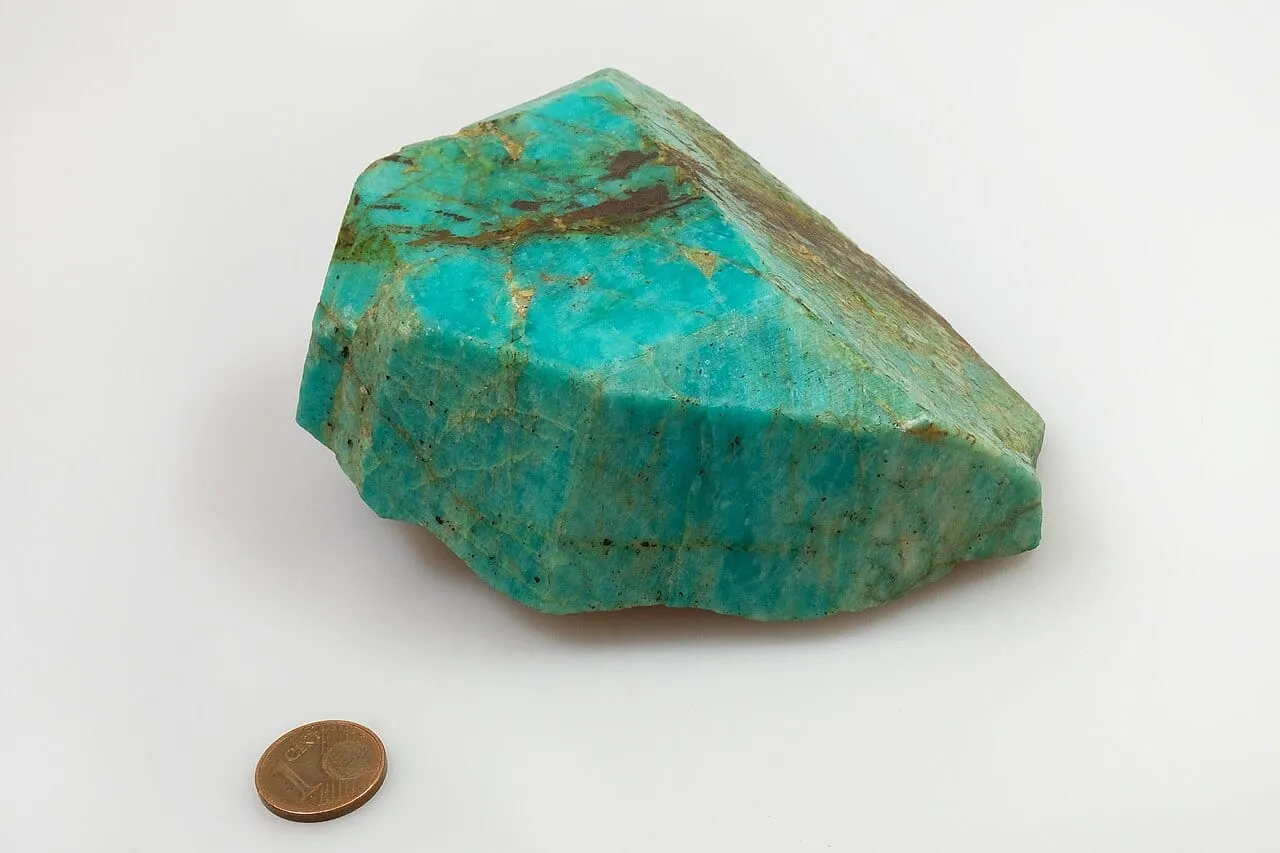
Amazonite
A turquoise-like green-blue feldspar: a variety of microcline worn as jewellery for more than three thousand years, but it can release lead.
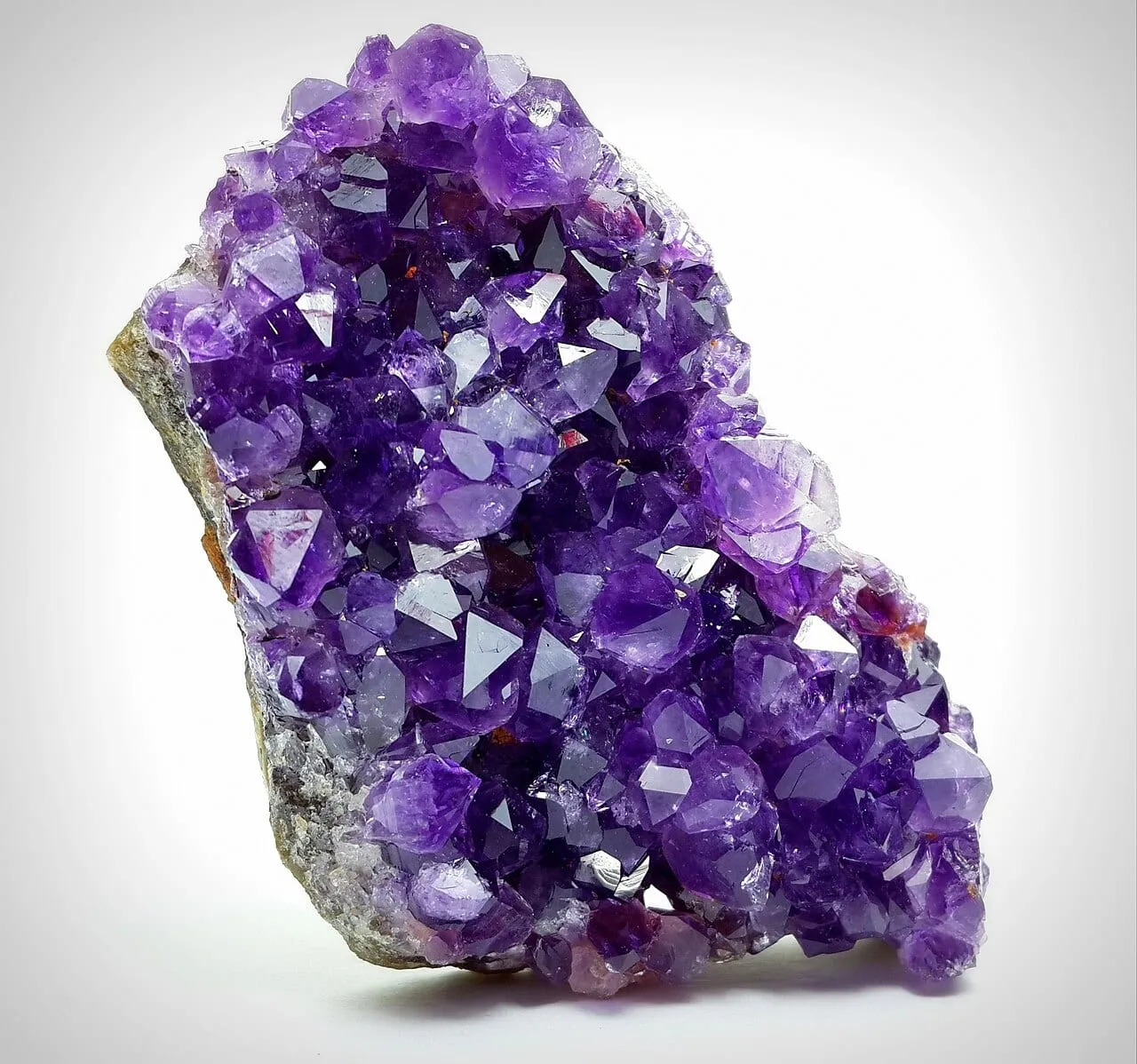
Amethyst
The purple variety of quartz, coloured by traces of iron working together with natural radiation.