Rock
Jade
Yeşim
Really a shared name for two stones: nephrite and jadeite, extremely tough materials used for tools, jewellery and art for thousands of years.
Also known as: Nephrite · Jadeite jade · Fei cui (jadeite, Chinese) · Pounamu (New Zealand nephrite)
- Gemstone
- Ornamental

In short
Jade is the shared name of two different rocks that look very much alike: nephrite and jadeite. Both are made of crystals far too small to see, tightly locked together. That is why jade, though not especially hard, is extraordinarily difficult to break. It has been used in China, Central America and New Zealand for thousands of years.
Two different jades
Nephrite is made of fine fibres of the amphibole minerals tremolite and actinolite, matted together like felt. It usually forms where rocks such as serpentinite or dolomitic marble meet other rocks, through the action of circulating fluids. Jadeite jade is made of crystals of the pyroxene jadeite. It grows in subduction zones, where an ocean plate sinks beneath another plate, at high pressure and relatively low temperature, which makes it rarer. In 1863 the French mineralogist Alexis Damour named jadeite and showed that the material called “jade” was really two different kinds.
From history
Jade carving in China is a tradition more than 3,000 years old, and for a long time it relied mainly on nephrite gathered from the rivers around Hotan. The Maya and Aztecs used jadeite for jewellery and ceremonial objects; it came from the Motagua Valley in Guatemala. In New Zealand, the Māori made tools, weapons and ornaments from nephrite (pounamu).
What makes it valuable?
In jadeite the most sought-after stones show an intense, evenly distributed emerald green with semi-transparency and a fine texture. In nephrite, pure white or even green colour and fine texture matter. In both, untreated stones are worth far more.
How to recognise it
- 1
It feels cool and smooth in the hand; polished nephrite has an oily lustre, jadeite a more glassy one.
- 2
Its hardness is 6–7, so a steel knife does not scratch it easily. Its real strength is toughness: thanks to its interlocking fibres and grains it is very hard to break with a blow.
- 3
Jadeite is noticeably heavier than nephrite (specific gravity about 3.3 against about 2.95); laboratories tell them apart by this and by refractive index.
- 4
Only a gem laboratory (for example with infrared spectroscopy) can reliably detect bleaching, resin impregnation and dyeing.
Fakes and imitations
What shops usually don’t tell you:
- The A-B-C system: “Type A” jadeite has not been treated in any way except surface waxing. “Type B” has been bleached with acid and impregnated with polymer resin, and “Type C” has been dyed; both may be combined (B+C). The colour and durability of Type B and C stones can deteriorate over time; sellers must disclose the treatment clearly.
- Serpentine (sold as “new jade” or “Korea jade”), green aventurine quartzite (“Indian jade”), dyed quartzite (“Malaysia jade”), chalcedony and glass are the most common imitations.
- Not every trade name containing “jade” means real jade; a laboratory report shows whether a stone is nephrite, jadeite or something else.
Did you know?
The English word “jade” comes from the Spanish “piedra de ijada” (stone of the side), because the Spaniards saw people in Central America holding it against their sides. “Nephrite” likewise comes from the Greek “nephros”, kidney.
The first jadeite reached China from Myanmar only in the late 1700s; until then China's jade art, thousands of years old, was based on nephrite.
Where is it found?
Loading map…
- Hpakant, Kachin State, Myanmar · Major depositThe world’s most important source of gem-quality jadeite
- Hotan (Khotan), Xinjiang, China · Historic sourceNephrite carried down by rivers from the Kunlun Mountains; China’s classic jade source for thousands of years
- Motagua Valley, Guatemala · Historic sourceThe jadeite source of the Maya and other Mesoamerican civilisations
- Dease Lake–Cassiar area, British Columbia, Canada · Major depositOne of the world’s important nephrite-producing regions
- West Coast, South Island, New Zealand · Known localityNephrite of great cultural importance, called “pounamu” by the Māori
Locations are approximate to protect sites. Red dots mark places in Türkiye. Open in the big map →
Sources
- Jade Description (Gem Encyclopedia) · GIA
- Jade History and Lore · GIA
- Jade · Encyclopaedia Britannica
- Handbook of Mineralogy: Jadeite · Mineralogical Society of America
- Handbook of Mineralogy: Tremolite · Mineralogical Society of America
External links
Draft: awaiting expert reviewReport an error ↗
On the same step
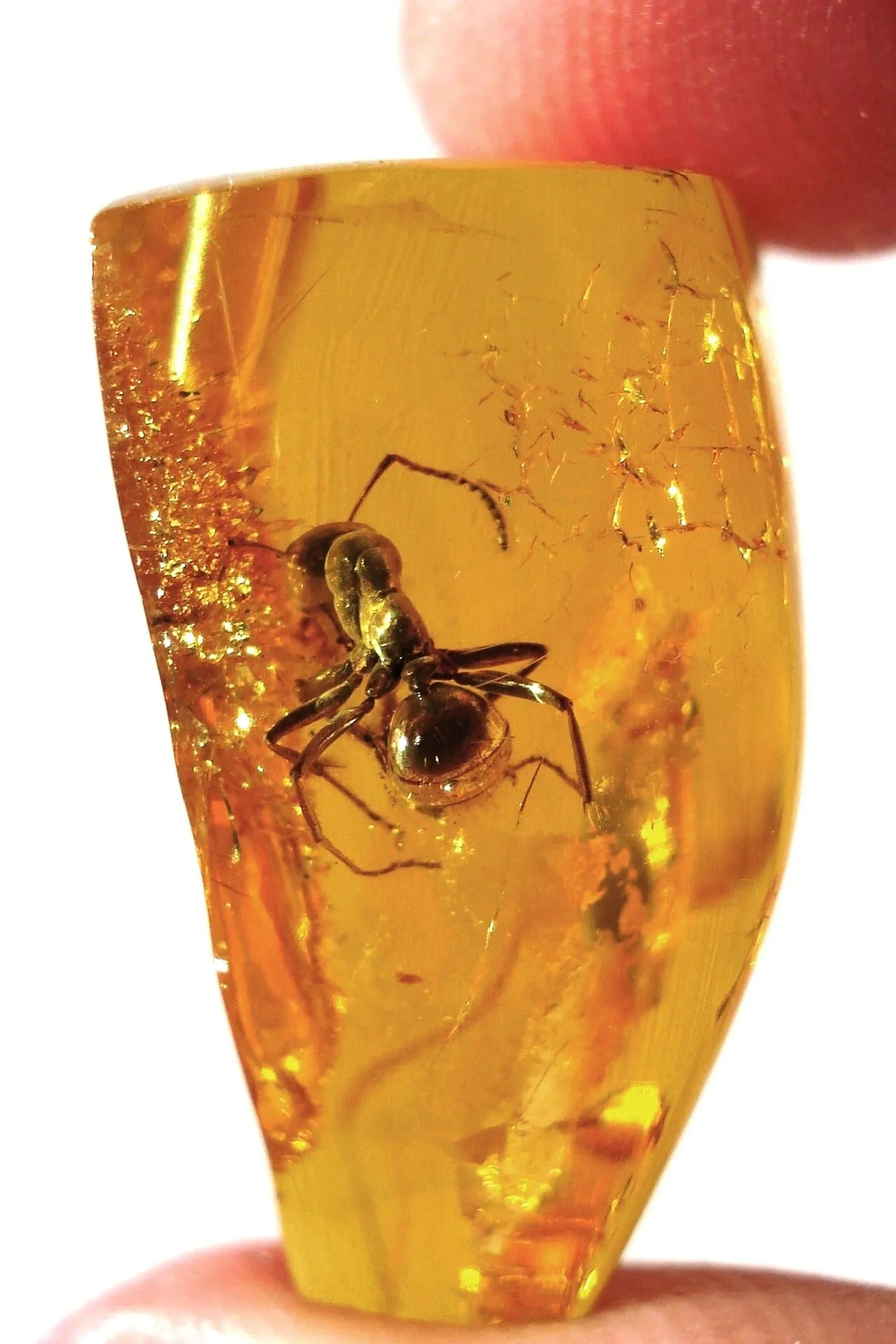
Amber
Tree resin fossilised over millions of years: a light, warm organic gem that sometimes holds prehistoric insects.
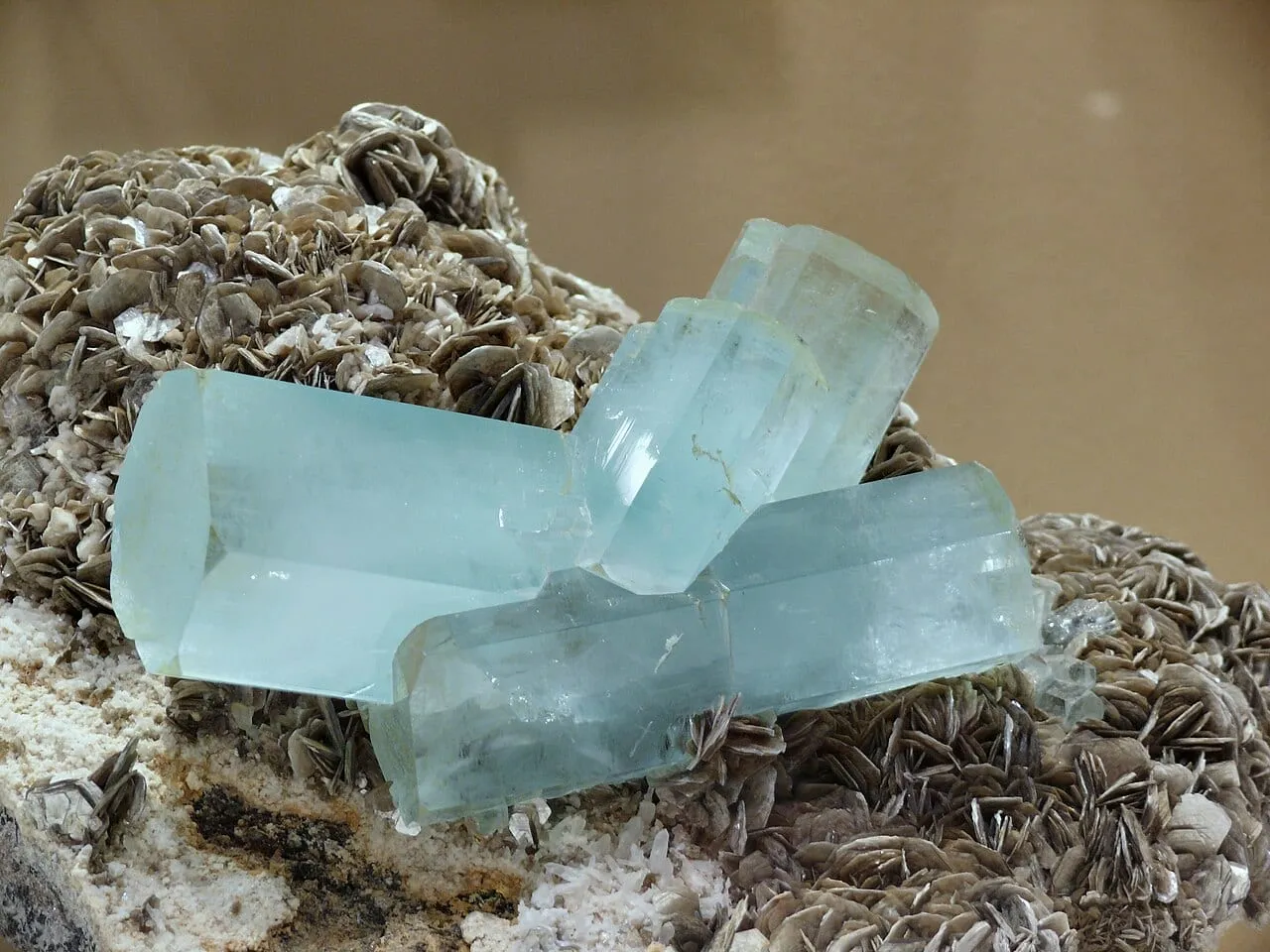
Aquamarine
The blue member of the beryl family, named after seawater: often found as large, clear, nearly flawless crystals.
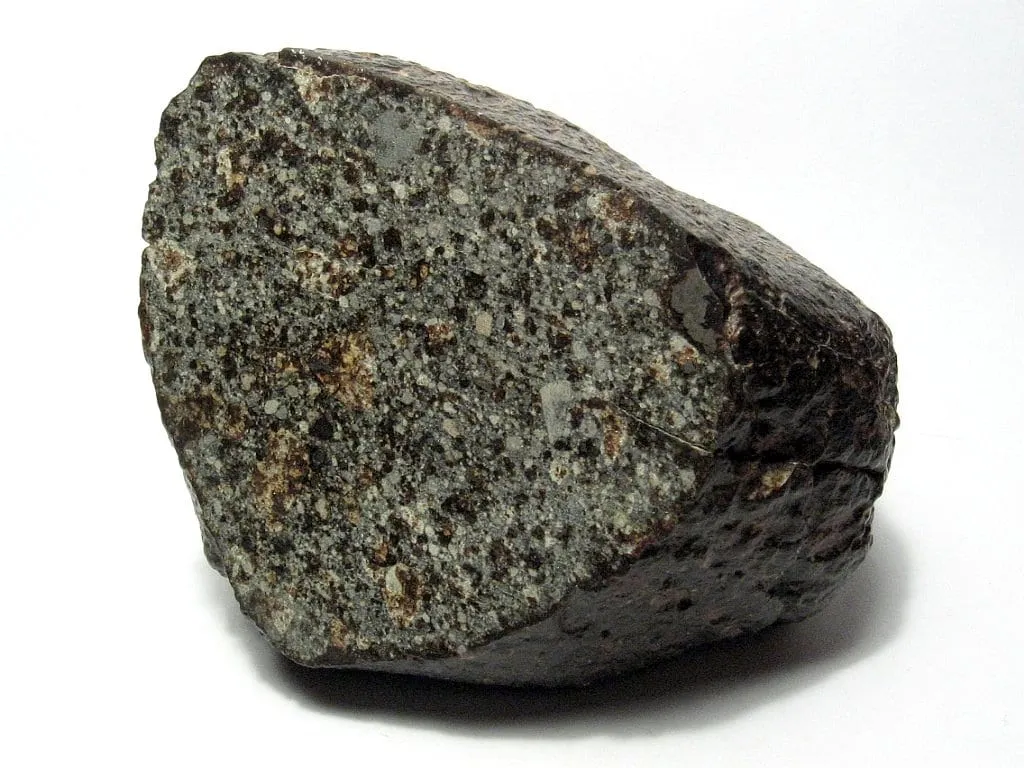
Chondrite
A leftover from the birth of the Solar System, full of tiny once-molten droplets, and the commonest kind of meteorite to fall to Earth.