VarietyA variety of Pyrope
Rhodolite
Mg₃Al₂(SiO₄)₃Rodolit
A rose-pink to purplish garnet that is a mixture of pyrope and almandine: its name means “rose”, and it was named in North Carolina in 1898.
- Popularly: Semi-precious stone
- Gemstone
In short
Rhodolite is a garnet that is a mixture of pyrope and almandine, in tones from purplish red to rose pink. Its name comes from the Greek word rhodon, “rose”. It is not an official mineral name but an accepted trade name. It is durable, usually clean inside and an affordable gem; it was first described in North Carolina in 1898.
Photos
How does it form?
Rhodolite belongs to the mixture (solid-solution) series between pyrope and almandine; its composition is roughly two parts pyrope to one part almandine. As the share of magnesium rises the stone resembles pyrope, and as the share of iron rises, almandine; for the settings in which these two species form, see their own pages. Rhodolite always contains some other garnet components too, such as grossular and spessartine; as the spessartine share rises, the colour gets lighter.
Its main deposits lie in the countries of the geological unit called the Mozambique Belt in East Africa: Kenya, Madagascar, Malawi, Mozambique and Tanzania. It also occurs in Brazil, India (Odisha), Sri Lanka, Zimbabwe and the USA. For the family as a whole, see garnet.
What is it used for?
- Jewellery: Hard (7–7.5), without cleavage and usually clean, it is durable in any kind of jewellery; to show off its brilliance it is mostly faceted, sometimes cut as a cabochon. It is used as an affordable choice for engagement ring stones, and as a member of the garnet family it appears in January birthstone jewellery.
- Collecting: Rare star and colour-change rhodolites are collectors’ pieces; the Smithsonian holds a 74.3-carat rhodolite from Tanzania.
Pyrope or almandine?
Sources place rhodolite differently: Wikipedia calls it a variety of pyrope, while gemological sources such as the International Gem Society (IGS) list it as an almandine–pyrope variety. On this site it sits under pyrope, because two-thirds of its composition is pyrope.
Name and discovery
Rhodolite was found in the 1890s in Cowee Valley in Macon County, North Carolina. The mineralogist William E. Hidden and J. H. Pratt named the stone “rhodolite” in 1898, deriving the name from the Greek word rhodon, “rose”. Some experts believe the name comes from the comparison with a rose (rhodon), others from a comparison with the rhododendron flower.
What determines its value?
Colour matters most for rhodolite: vivid, saturated purplish red stones are sought after, while stones with a high spessartine share are lighter in colour. Gem-quality stones are usually clean, so differences in clarity are small and cut and size count for more. The type locality in North Carolina usually yields small stones of 1–2 carats and under, while stones over 75 carats have come from Africa. Rhodolite is usually not treated.
This information is educational, not buying, selling or investment advice. Value varies enormously with quality and treatment.
How to recognise it
- 1
The colour runs from purplish red to reddish purple, and from raspberry red to lavender pink; the most typical colour is purplish red. Not every purplish red garnet is rhodolite: a chemical analysis decides.
- 2
It usually has no eye-visible inclusions; most rhodolite is a “clean” stone.
- 3
It may react strongly to a strong magnet; this is not a proof of identity, but it helps separate similar stones quickly.
- 4
Its hardness is 7–7.5 and it has no cleavage; the refractive index is 1.745–1.761 and the specific gravity about 3.8–3.9.
Fakes and imitations
What shops usually don’t tell you:
- Glass and coloured cubic zirconia may be sold online as “synthetic rhodolite”; these are not really synthetic but imitations.
- Pyrope–almandine garnets made by the hydrothermal method have been produced for research; the process is too expensive for commercial rhodolite, but in stones of exceptional clarity, signs of growth such as seed plates are looked for.
Myths and misconceptions
MythRhodolite and rhodonite are the same stone.
FactThe names are very alike but the two are different minerals: rhodolite is a garnet, a mixture of pyrope and almandine, while rhodonite is a pink, manganese-bearing and softer (hardness 5.5–6.5) silicate.
MythRhodolite is a mineral species of its own.
FactRhodolite is not an official mineral name but an accepted variety and trade name for garnets that are mixtures of pyrope and almandine.
What is it believed to be good for?
This section reports beliefs; it is not health information. There is no scientific evidence for these claims and no stone replaces medical treatment.
The meanings people give this stone, and who holds them:
- Today crystal-therapy websites claim that rhodolite is linked to the heart chakra and increases love, compassion and empathy.
- The same circles say that rhodolite helps old emotional wounds to heal and soothes anger and tension, bringing emotional balance.
What science says
Rhodolite was named only in 1898, so there is no tradition of belief reaching back to ancient times. There is no scientific evidence that the stone increases love or empathy, heals emotional wounds or reduces tension; for lasting emotional distress, a mental-health professional should be consulted.
Did you know?
The name rhodolite was given in 1898 by William E. Hidden and J. H. Pratt, who found the stone in Macon County, North Carolina, and introduced it in their paper “On Rhodolite, a New Variety of Garnet” in the American Journal of Science.
Some rhodolites turn irreversibly to a hessonite brown when heated; at around 600 °C a purplish stone turns brown.
Rare star (asterism) rhodolites come from East Africa, and some examples from the North Pare Mountains in Tanzania change colour, looking blue in daylight and purplish red in lamplight.
Where is it found?
Loading map…
- Cowee Valley (Cowee Creek area), Macon County, North Carolina, USA · Type localityWhere rhodolite was first described, in 1898; it usually yields small stones of 1–2 carats and under
- North Pare Mountains and Umba valley, Tanzania · Major depositOne of the main African sources; colour-change examples that look bluish in daylight and purplish red in lamplight have also been found here
- Lodwar area, Turkana, Kenya · Known localityA Kenyan area known for its crystals; Kenya is one of the rhodolite countries of the Mozambique Belt
- Odisha (Orissa) state, India · Known localityStones of a deeper purple and less red than most rhodolites
- Sri Lanka's gem gravels (Ratnapura area) · Known localityOne of the principal sources of rhodolite
Locations are approximate to protect sites. Red dots mark places in Türkiye. Open in the big map →
Frequently asked questions
What is rhodolite?
Rhodolite is a garnet that is a mixture of pyrope and almandine, in tones from purplish red to rose pink. Its name comes from the Greek word rhodon, “rose”. It is not an official mineral name but an accepted trade name. It is durable, usually clean inside and an affordable gem; it was first described in North Carolina in 1898.
What is rhodolite used for?
Jewellery: Hard (7–7.5), without cleavage and usually clean, it is durable in any kind of jewellery; to show off its brilliance it is mostly faceted, sometimes cut as a cabochon. It is used as an affordable choice for engagement ring stones, and as a member of the garnet family it appears in January birthstone jewellery. Collecting: Rare star and colour-change rhodolites are collectors’ pieces; the Smithsonian holds a 74.3-carat rhodolite from Tanzania.
How hard is rhodolite?
It has a hardness of 7–7.5 on the Mohs scale. It scratches glass and steel; a steel knife cannot scratch it. Its specific gravity is 3.79–3.89 g/cm³.
Where is rhodolite found?
Its best-known localities: Cowee Valley (Cowee Creek area), Macon County, North Carolina, USA; North Pare Mountains and Umba valley, Tanzania; Lodwar area, Turkana, Kenya; Odisha (Orissa) state, India; Sri Lanka's gem gravels (Ratnapura area).
How can you tell if rhodolite is real?
The colour runs from purplish red to reddish purple, and from raspberry red to lavender pink; the most typical colour is purplish red. Not every purplish red garnet is rhodolite: a chemical analysis decides. It usually has no eye-visible inclusions; most rhodolite is a “clean” stone. It may react strongly to a strong magnet; this is not a proof of identity, but it helps separate similar stones quickly. Glass and coloured cubic zirconia may be sold online as “synthetic rhodolite”; these are not really synthetic but imitations.
Is rhodolite valuable?
On the “street to diamond” value ladder it sits on step 5 of nine: Ornamental stone. Colour matters most for rhodolite: vivid, saturated purplish red stones are sought after, while stones with a high spessartine share are lighter in colour. Gem-quality stones are usually clean, so differences in clarity are small and cut and size count for more. The type locality in North Carolina usually yields small stones of 1–2 carats and under, while stones over 75 carats have come from Africa. Rhodolite is usually not treated.
What is rhodolite good for?
Today crystal-therapy websites claim that rhodolite is linked to the heart chakra and increases love, compassion and empathy. The same circles say that rhodolite helps old emotional wounds to heal and soothes anger and tension, bringing emotional balance. Rhodolite was named only in 1898, so there is no tradition of belief reaching back to ancient times. There is no scientific evidence that the stone increases love or empathy, heals emotional wounds or reduces tension; for lasting emotional distress, a mental-health professional should be consulted. This section reports beliefs; it is not health information. There is no scientific evidence for these claims and no stone replaces medical treatment.
Family
.jpg)
.jpg)
Sources
- Rhodolite Garnet Value, Price, and Jewelry Information · International Gem Society
- Rhodolite · Wikipedia
- Pyrope · Wikipedia
- On Rhodolite, a New Variety of Garnet (W. E. Hidden and J. H. Pratt), American Journal of Science, series 4, vol. 5 · American Journal of Science, 1898
- Rhodolite Garnet · edelsteine.at (Gem Encyclopedia)
- Garnet Description · GIA
External links
Draft: awaiting expert reviewReport an error ↗
On the same step
Agate
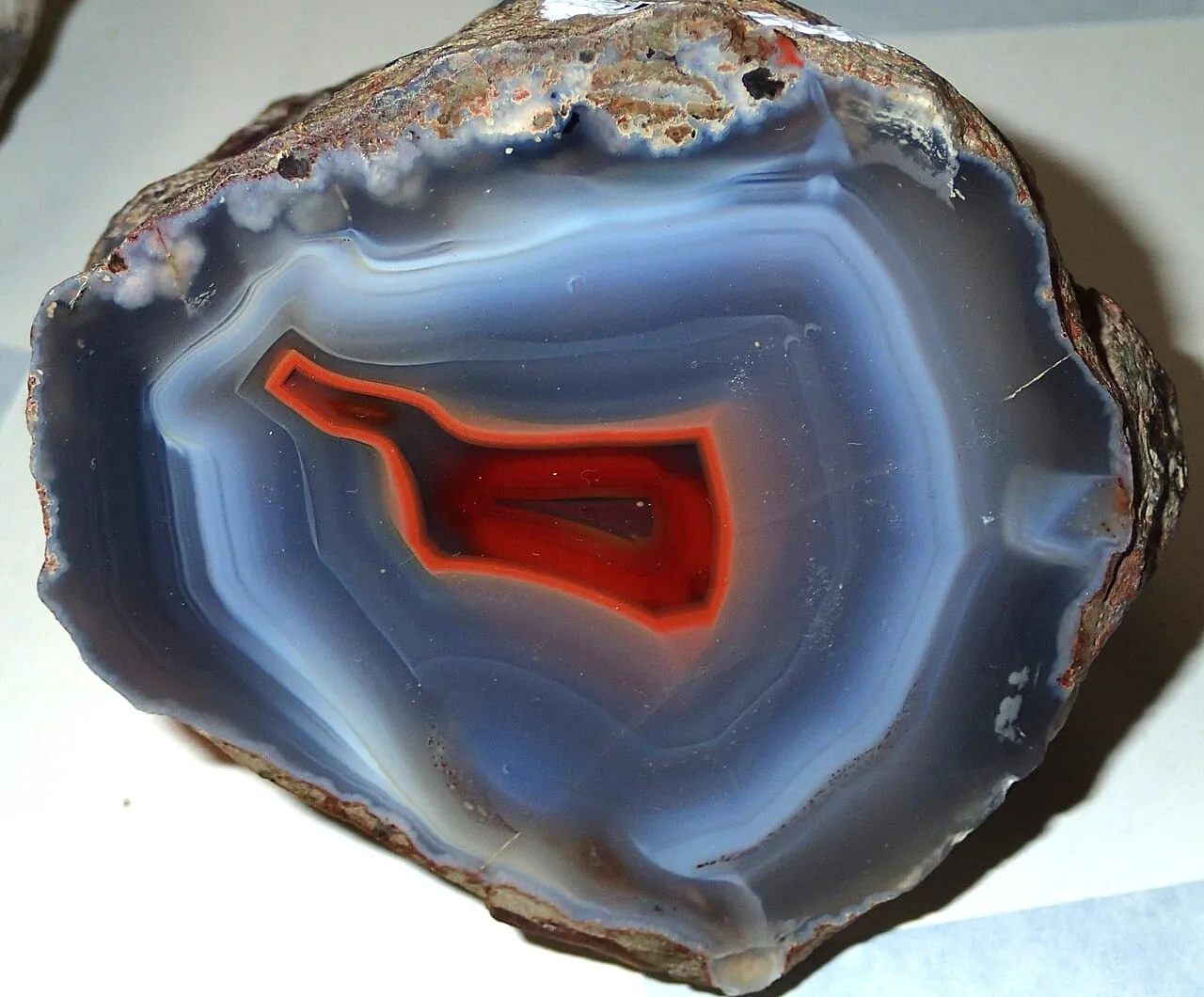
The banded variety of chalcedony: it grows layer by layer in hollows in volcanic rock and shows a new pattern every time it is cut.
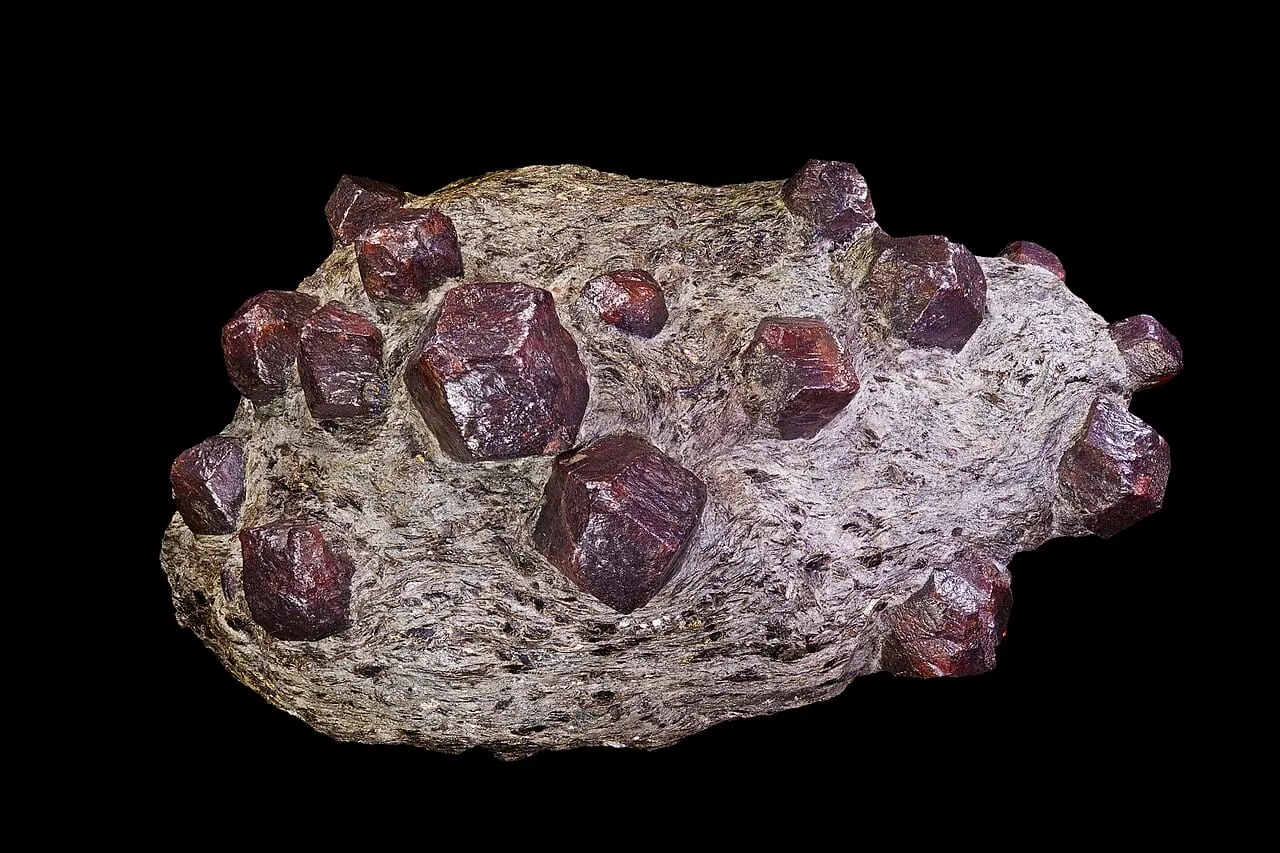
Almandine
The commonest garnet: a deep red, iron-rich stone named after the ancient city of Alabanda in Anatolia, used in jewellery and in sandpaper alike.
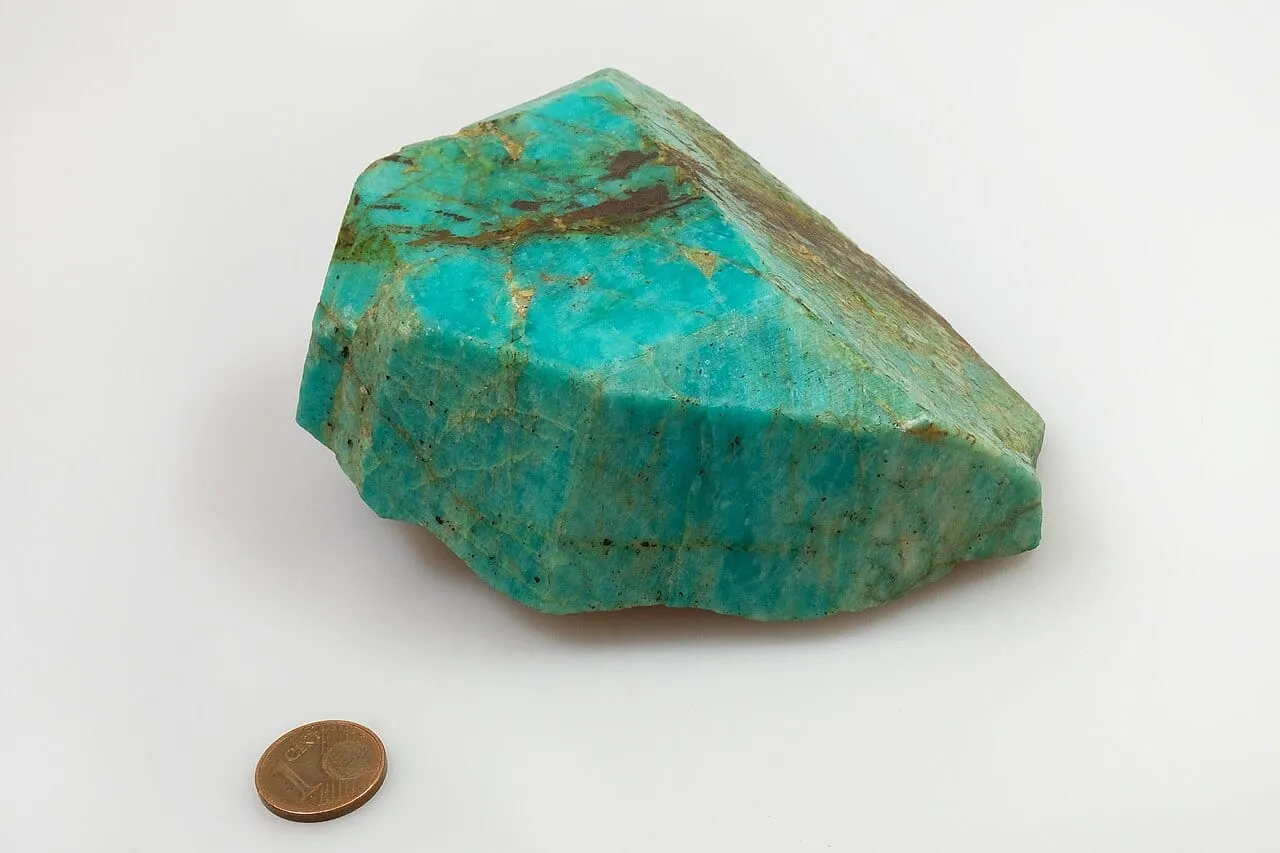
Amazonite
A turquoise-like green-blue feldspar: a variety of microcline worn as jewellery for more than three thousand years, but it can release lead.