Mineral
Chalcopyrite
CuFeS₂Kalkopirit
The world’s most important source of copper: a brass-yellow sulfide that resembles gold and often tarnishes to rainbow colours.
Also known as: Copper pyrites
- Ore
- Important in Türkiye

In short
Chalcopyrite is a brass-yellow mineral made of copper, iron and sulfur. It is the most important ore of copper: most of the copper produced in the world comes from it. As its surface reacts with air it can become coated with a thin layer that shimmers blue, purple and red.
How does it form?
Chalcopyrite forms in many settings. In porphyry copper deposits, the world’s largest copper sources, it occurs as small grains spread through cracks around granite-like bodies of magma. Massive sulfide deposits, which built up around hot springs on ancient ocean floors, are also rich in chalcopyrite. It is also found in quartz veins together with pyrite, galena and sphalerite.
In Türkiye
Türkiye’s most important copper deposits are volcanic-hosted massive sulfide deposits, and chalcopyrite is their main copper mineral. In the Eastern Black Sea region, Murgul in Artvin and Çayeli in Rize lie in rocks formed by submarine volcanic activity. Küre in Kastamonu and the Ergani deposit at Maden in Elazığ, on the other hand, lie within ophiolites, remnants of ancient ocean crust, and are called “Cyprus-type” because they resemble the deposits of Cyprus.
How is copper won from it?
The ore is first ground, then concentrated by a process called flotation, in which the copper minerals stick to a froth. The concentrate is smelted and refined into pure copper. The sulfur released along the way is often turned into sulfuric acid.
How to recognise it
- 1
Its colour is a deeper, more “golden” yellow than pyrite; the surface often tarnishes with blue-purple iridescent colours.
- 2
A steel knife scratches it (hardness 3.5–4), whereas pyrite is too hard for a knife to scratch (6–6.5).
- 3
Rubbed on unglazed white porcelain it leaves a greenish-black streak; gold’s streak is yellow.
- 4
It is brittle: unlike gold it does not flatten when hammered but crumbles.
Fakes and imitations
What shops usually don’t tell you:
- Most of the brightly coloured stones sold in shops as “peacock ore” are chalcopyrite whose colours have been artificially intensified with acid. The name is also used for bornite, which tarnishes to similar colours naturally.
- Like pyrite, chalcopyrite is often mistaken for gold; streak, hardness and weight tests easily tell it apart.
Safety
Chalcopyrite is generally harmless to handle. Heating it releases irritating sulfur dioxide gas, and acid-treated coloured specimens should never be put in the mouth.
Did you know?
Its name joins the Greek “khalkos”, meaning copper or bronze, with the name pyrite.
Chalcopyrite crystallises in the tetragonal system, yet its crystals often look like regular four-faced tetrahedra.
Where is it found?
Loading map…
- Kidd Creek, Timmins, Ontario, Canada · Major depositOne of the world’s largest volcanic-hosted massive sulfide deposits
- Huarón, Pasco, Peru · Known localityCollector-quality chalcopyrite crystals
- Murgul, Artvin, Türkiye · Major depositMassive sulfide copper deposit in the volcanic rocks of the Eastern Black Sea; chalcopyrite and pyrite are the main minerals
- Küre, Kastamonu, Türkiye · Major depositCyprus-type massive sulfide deposit in ophiolites, worked for centuries
- Maden (Ergani copper deposit), Elazığ, Türkiye · Historic sourceCyprus-type massive sulfide deposit in the Southeast Anatolian ophiolite belt
Locations are approximate to protect sites. Red dots mark places in Türkiye. Open in the big map →
Sources
- Handbook of Mineralogy: Chalcopyrite · Mineralogical Society of America
- Türkiye ve Dünyada Bakır · MTA Genel Müdürlüğü, Fizibilite Etütleri Dairesi Başkanlığı, 2021
External links
Draft: awaiting expert reviewReport an error ↗
On the same step
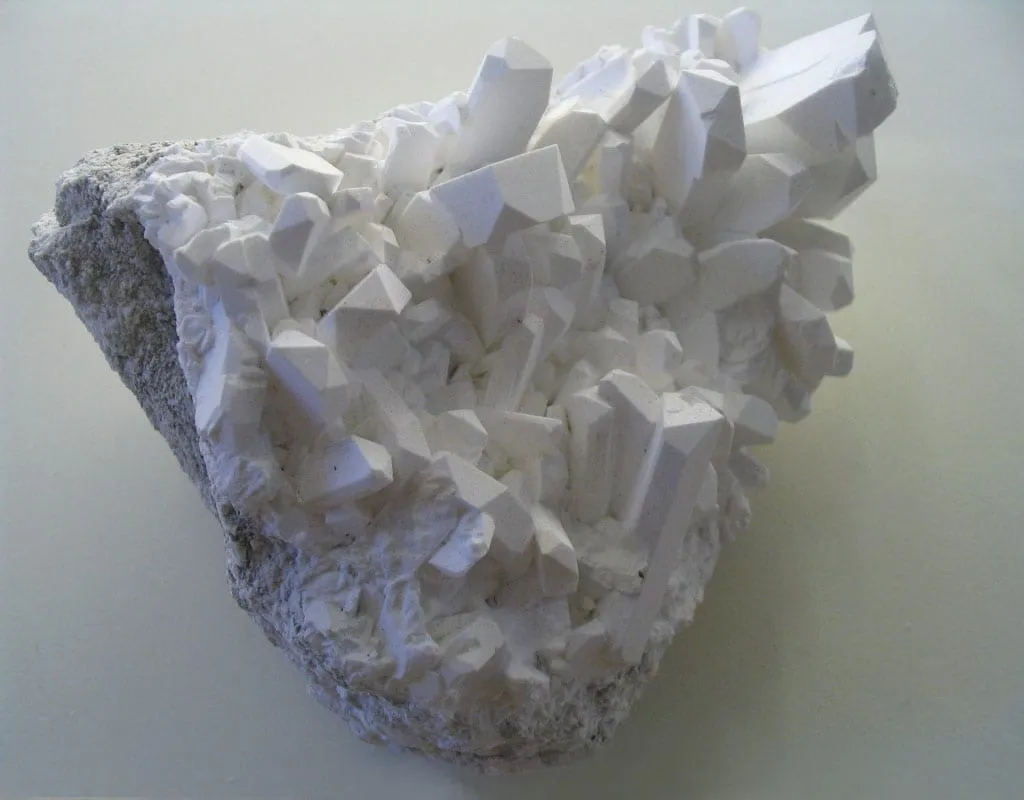
Borax (tincal)
A sodium borate that dissolves in water and crumbles to white powder in dry air; one of the world’s key tincal deposits is at Kırka in Eskişehir.
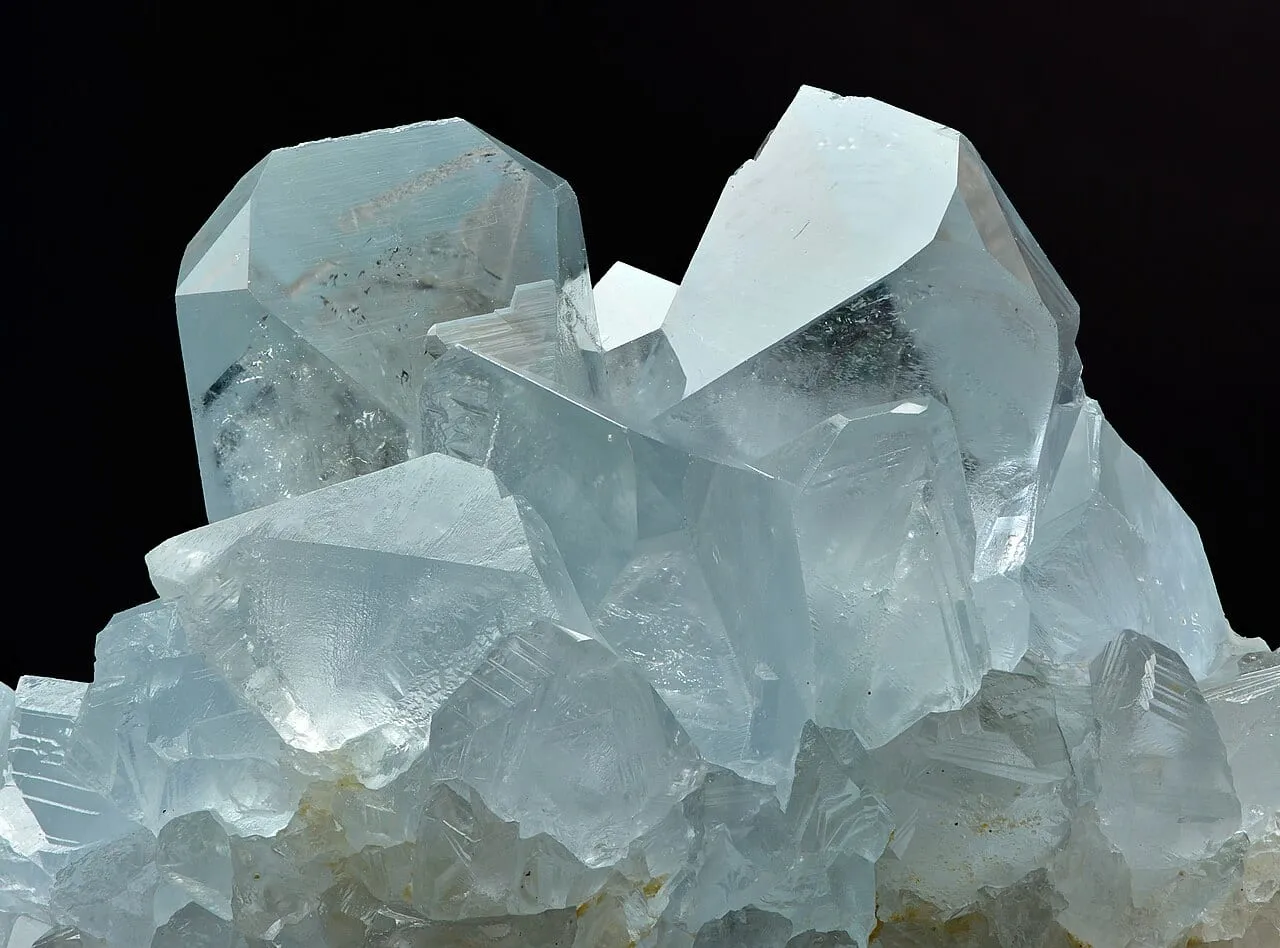
Celestine
A strontium mineral named after the sky, often forming pale blue crystals; the source of the red in fireworks.
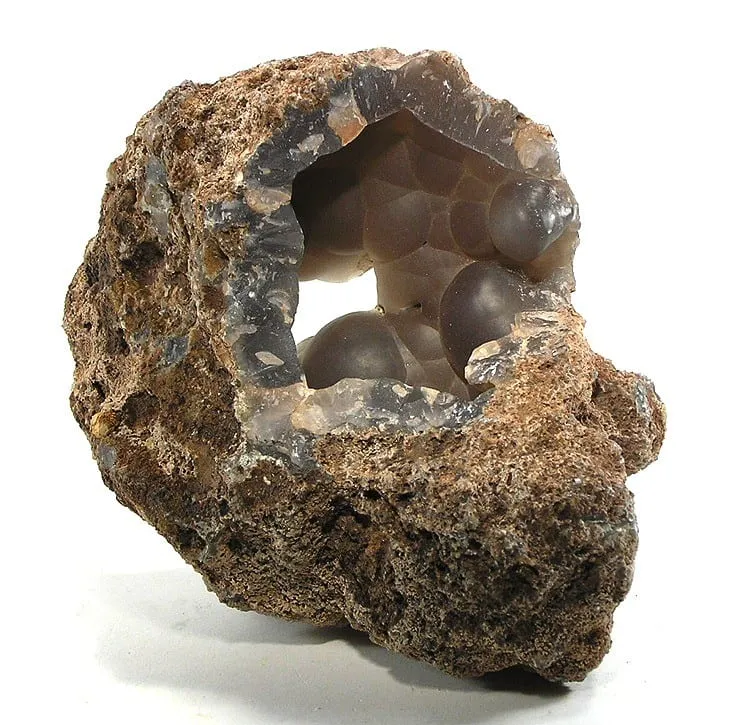
Chalcedony
A waxy-lustred stone made of quartz crystals far too small to see: the family name for agate, onyx and many other ornamental stones.