Everyday name
Flagstone and slate tiles
Kayrak taşı ve arduvaz
Flagstone is any stone that splits along its natural layers into thin slabs: it may be slate, schist, gneiss, sandstone or quartzite.
Also known as: Flagstone · Flags · Slate tiles · Roofing slate · Stone slabs · Stone shingles
- Popularly: Natural stone (building and decor)
- Everyday
- Building stone

In short
Flagstone is not a scientific rock name but an everyday name for stones that can be split along their natural layers into flat, thin slabs. They are used for garden paths, patios and terraces, wall cladding and roofs. Slate in the scientific sense is a very fine-grained metamorphic rock formed when mud rocks such as shale are transformed by pressure and heat, and it is best known as a roofing material. In the trade, however, the names “flagstone” and even “slate” are also used for schist, gneiss, sandstone, quartzite and limestone that split into slabs.
In scientific terms
This is an everyday name; in science it means these stones:
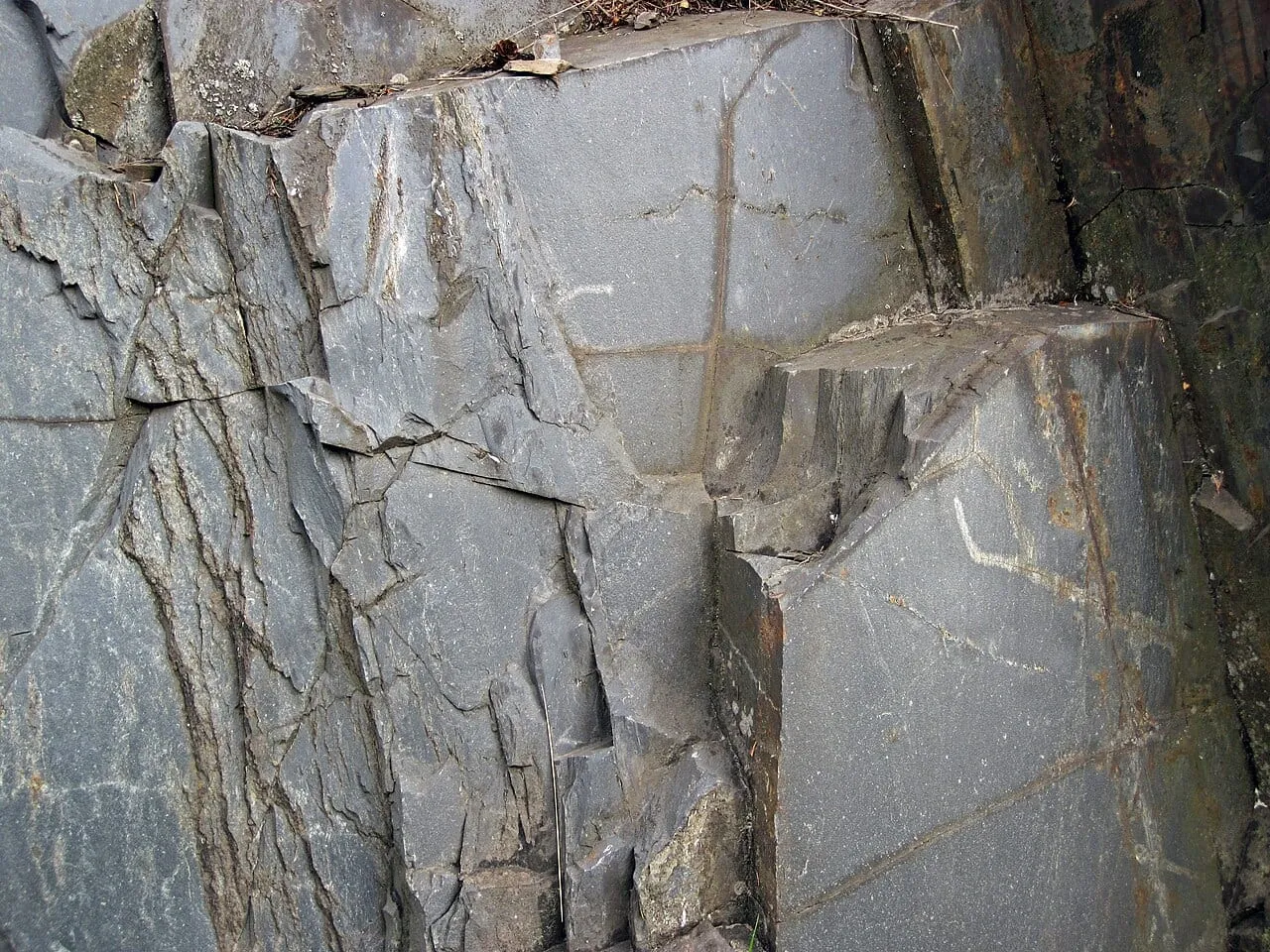
Slate
The stone that splits into sheets: for centuries it has roofed houses and become blackboards and billiard-table beds.
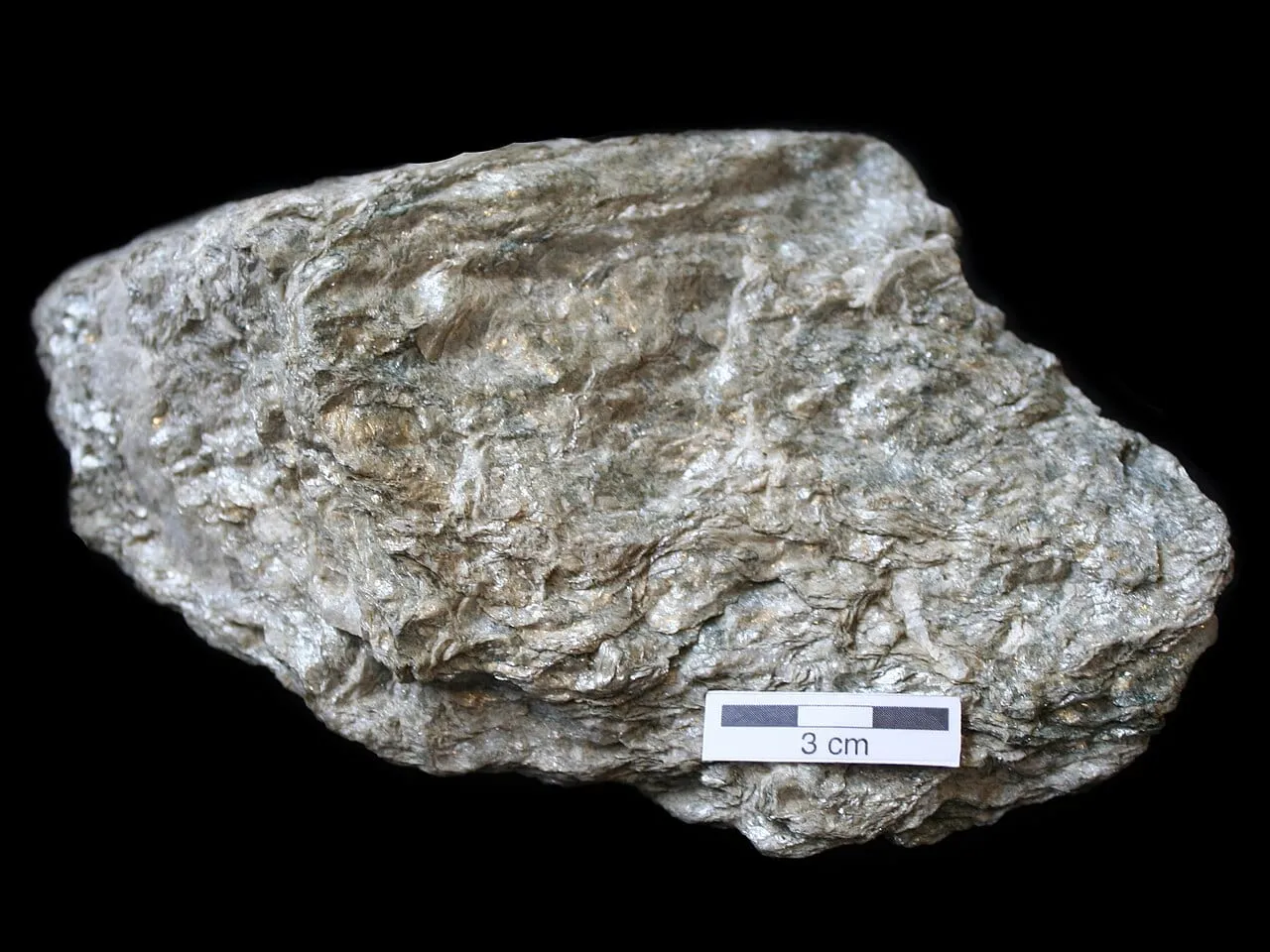
Schist
A glittering, flaky metamorphic rock: its mica flakes catch the light, and red garnets often stud its surface.
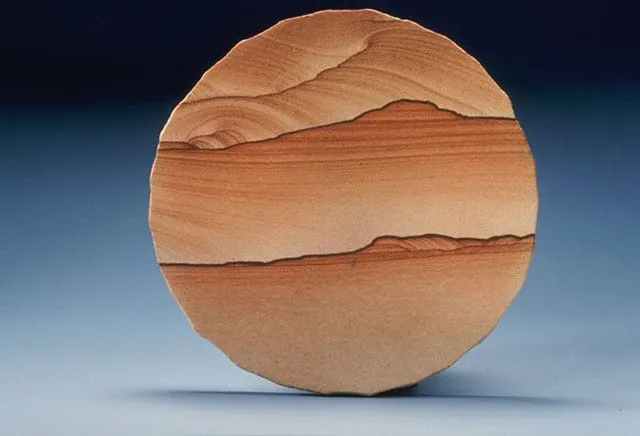
Sandstone
Sand turned to stone: from the carved facades of Petra to the layers that hold groundwater and oil.
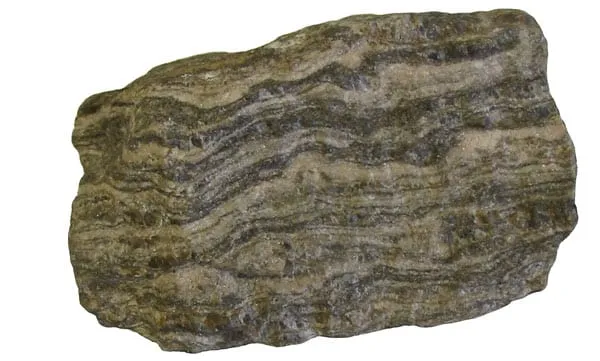
Gneiss
Striped in light and dark bands, the rock that underpins the continents: some gneisses are around 4 billion years old.
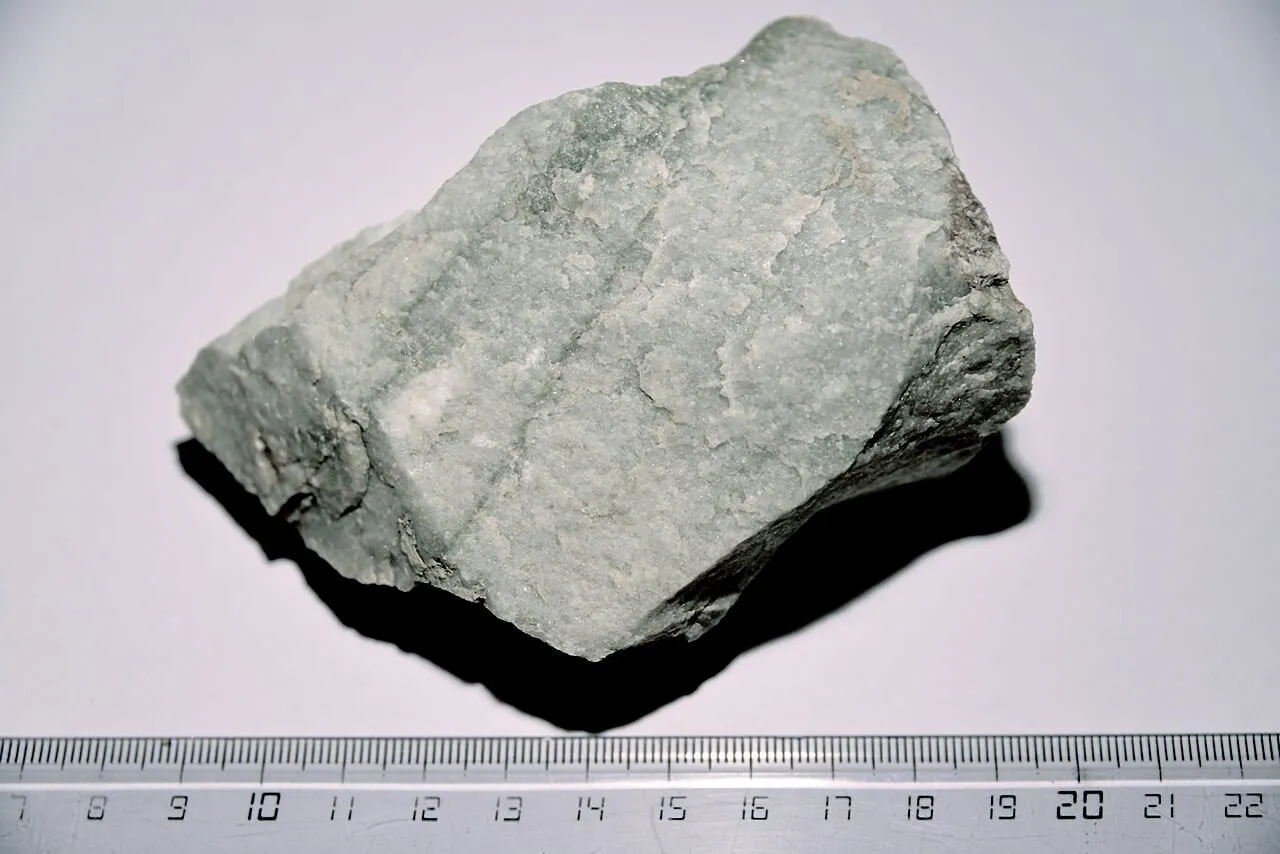
Quartzite
Sandstone turned to steel: an almost pure quartz rock that stubbornly resists wear.
What is it used for?
- Paths and patios: Garden paths, terraces, courtyards, steps and squares are paved with flagstones.
- Roofing: Thin slates make a watertight, long-lasting roof covering; in mountain regions thicker stone slabs cover roofs too.
- Wall cladding: It is used to face buildings, garden walls and fireplaces.
- Other uses: Slate was once used for school blackboards and writing slates, and today for billiard table beds, gravestones and worktops. In some regions stone slabs set upright have been used as fences and boundary markers.
Why does the stone split into slabs?
What flagstones have in common is a set of parallel planes of weakness inside them. In sandstone and limestone these planes are the layers of sediment that settled one on top of another as the rock formed. Slate is different: when clay-rich rocks such as shale are squeezed in the Earth’s crust, their flaky clay minerals line up at right angles to the pressure, and the rock can then be split in that direction into sheets as thin as card. This is called slaty cleavage. Schist and gneiss split in a similar way along layers of minerals such as mica that lined up under pressure.
What do “flagstone” and “slate” mean?
In everyday English, a flagstone is any flat stone slab used for paving. Slate is used both for roofing slates and, more loosely, for many dark stones that split into thin sheets; in Turkish the same confusion exists between “kayrak” and “arduvaz”. In geology, slate is only the rock formed by the metamorphism of shale. Asking a stone seller which rock their “slate” or “flagstone” actually is remains the best way to find out how well it will last outdoors.
What determines its value?
Flagstone is a building stone sold by the square metre. Its value depends on how thin, flat and evenly it splits, the size of the slabs, the evenness of colour, low water absorption and frost resistance. Roofing slate must be free of defects such as pyrite and carbonates that cause deterioration. In Europe, natural stone slabs for outdoor paving are tested to the EN 1341 standard. Because the stone is heavy, transport costs and the labour of laying it by hand make up a large share of the total cost.
This information is educational, not buying, selling or investment advice. Value varies enormously with quality and treatment.
How to recognise it
- 1
Looking at the edge, you can see thin layers stacked on top of each other; the stone splits along these layers into flat slabs.
- 2
True slate is very fine-grained with a dull or slightly silky sheen; a sound slab gives a clear ringing sound when tapped.
- 3
Sandstone flags have a gritty, sandpaper-like surface with visible sand grains; schist and gneiss flags show mica flakes that glitter in the light and wavy bands.
- 4
Limestone flags fizz when a drop of vinegar is added; slate, schist and quartzite do not.
Fakes and imitations
What shops usually don’t tell you:
- “Slate-look” roof coverings made of fibre cement or plastic are common; they are all the same thickness and pattern and show no natural layering at the edges.
- “Slate-look” porcelain tiles and concrete slabs sold for walls and floors are not natural stone either; their broken edges show no layers, and the pattern repeats from one tile to the next.
Myths and misconceptions
MythFlagstone and slate are the same stone.
FactIn science, slate is a particular rock formed by the metamorphism of shale. “Flagstone” is an everyday name for any stone that splits into slabs; it may also be schist, gneiss, sandstone, quartzite or limestone. In the trade the name “slate” is also used loosely for these stones.
MythAny flagstone will last for years outdoors.
FactDurability depends on the type of stone. Some sandstone and schist slabs that absorb water easily can gradually swell and flake away layer by layer through frost and salt. Stone for outdoor use should have tested water absorption and frost resistance.
Did you know?
In the Alps some houses are roofed with stone slabs laid dry and secured with pegs or hooks; in Italy’s Aosta Valley, historic buildings are required to use stone roofing.
With water absorption below 0.4 percent, slate is highly frost-resistant; a well-laid slate roof can last 60 to 125 years.
Spain today supplies about 90 percent of the roofing slate used in Europe.
The word “flag” comes from Middle English “flagge” (turf), possibly from Old Norse “flaga”, a slab or chip; the Turkish word for slate, “arduvaz”, comes from the French “ardoise”.
Frequently asked questions
What is flagstone and slate tiles?
Flagstone is not a scientific rock name but an everyday name for stones that can be split along their natural layers into flat, thin slabs. They are used for garden paths, patios and terraces, wall cladding and roofs. Slate in the scientific sense is a very fine-grained metamorphic rock formed when mud rocks such as shale are transformed by pressure and heat, and it is best known as a roofing material. In the trade, however, the names “flagstone” and even “slate” are also used for schist, gneiss, sandstone, quartzite and limestone that split into slabs.
What is flagstone and slate tiles used for?
Paths and patios: Garden paths, terraces, courtyards, steps and squares are paved with flagstones. Roofing: Thin slates make a watertight, long-lasting roof covering; in mountain regions thicker stone slabs cover roofs too. Wall cladding: It is used to face buildings, garden walls and fireplaces. Other uses: Slate was once used for school blackboards and writing slates, and today for billiard table beds, gravestones and worktops. In some regions stone slabs set upright have been used as fences and boundary markers.
How can you tell if flagstone and slate tiles is real?
Looking at the edge, you can see thin layers stacked on top of each other; the stone splits along these layers into flat slabs. True slate is very fine-grained with a dull or slightly silky sheen; a sound slab gives a clear ringing sound when tapped. Sandstone flags have a gritty, sandpaper-like surface with visible sand grains; schist and gneiss flags show mica flakes that glitter in the light and wavy bands. “Slate-look” roof coverings made of fibre cement or plastic are common; they are all the same thickness and pattern and show no natural layering at the edges.
Is flagstone and slate tiles valuable?
On the “street to diamond” value ladder it sits on step 3 of nine: Building and industrial stone. Flagstone is a building stone sold by the square metre. Its value depends on how thin, flat and evenly it splits, the size of the slabs, the evenness of colour, low water absorption and frost resistance. Roofing slate must be free of defects such as pyrite and carbonates that cause deterioration. In Europe, natural stone slabs for outdoor paving are tested to the EN 1341 standard. Because the stone is heavy, transport costs and the labour of laying it by hand make up a large share of the total cost.
Sources
- Flagstone · Wikipedia
- EN 1341:2012 Slabs of natural stone for external paving — Requirements and test methods · CEN (Estonian Centre for Standardisation listing), 2012
- Slate · Wikipedia
External links
Draft: awaiting expert reviewReport an error ↗
On the same step
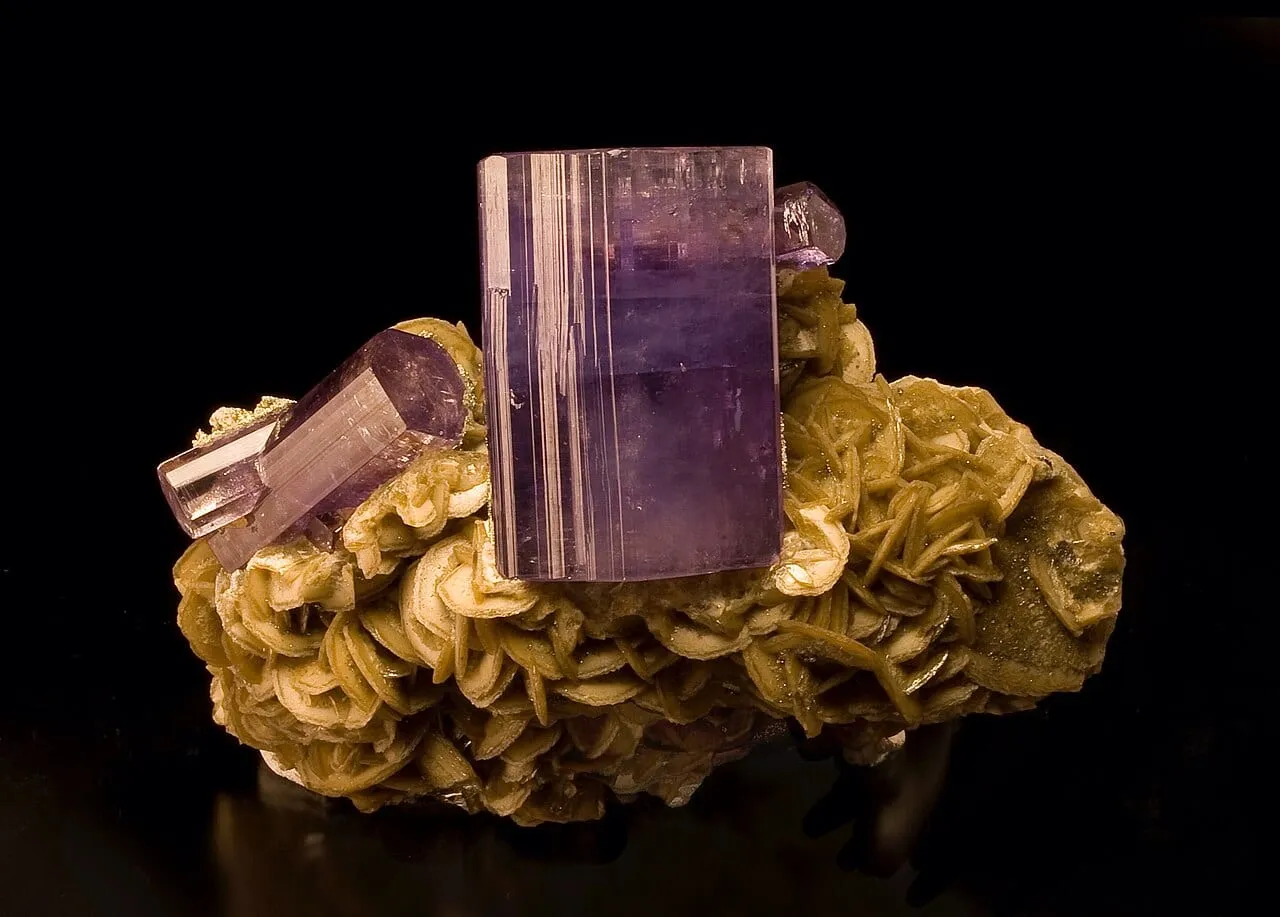
Apatite
A mineral cousin of our teeth and bones, the source of the phosphorus in fertilisers, and number 5 on the Mohs scale.
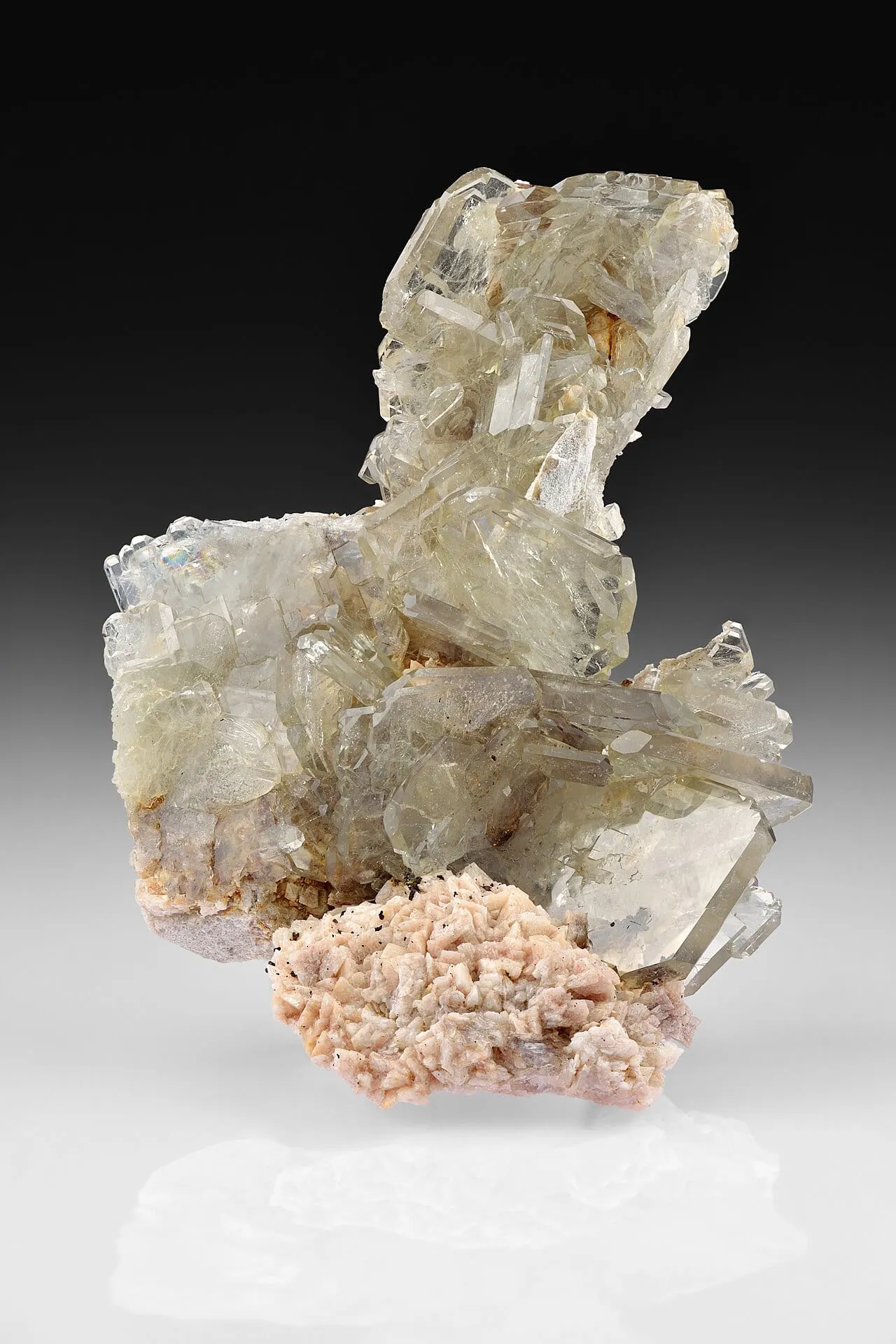
Baryte
A pale barium mineral that feels surprisingly heavy in the hand; even its name comes from the Greek word for heavy.
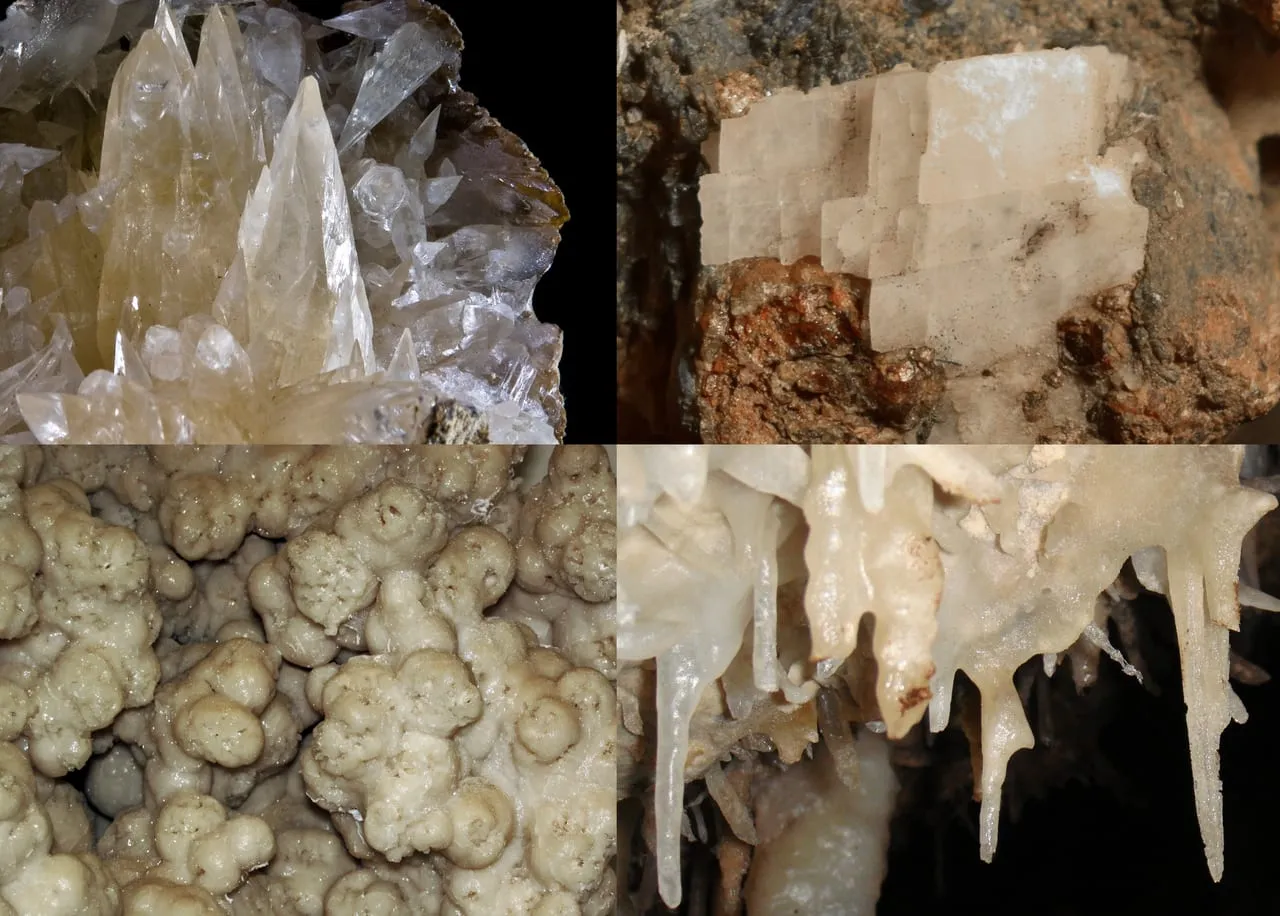
Calcite
The main mineral of limestone, marble and cave stalactites: it fizzes in acid, and its clear crystals show everything double.