How to identify a stone: simple tests you can do at home
Colour deceives; streak, hardness, lustre, cleavage, heft, a magnet and a drop of vinegar tell you far more. A step-by-step, safe guide to identifying stones.
To identify a stone, combine several simple tests rather than relying on one property: streak, hardness, lustre, the way it breaks, how heavy it feels, its response to a magnet and whether it fizzes in acid. Colour is the least reliable clue; streak and hardness tell you much more. You can do these tests at home, but do not taste the stone, do not breathe its dust, and wash your hands when you have finished.
Safety first
Most stones are harmless to handle, but some are not. A safety guide written for natural history museums notes that identifying minerals by taste is an old method, but that some water-soluble minerals are toxic; it recommends not licking unidentified specimens, wearing gloves where needed and washing your hands afterwards.
- Do not taste. Rock salt (halite) is known for its salty taste, but that is no reason to lick unknown stones.
- Do not breathe the dust. Do not break or scrape stones that look fibrous or thread-like; asbestos minerals such as chrysotile look like this.
- Take care with heavy-metal minerals. Always wash your hands after handling minerals such as cinnabar (mercury), galena (lead) and stibnite (antimony), and store them out of children’s reach.
- Radioactive minerals such as uraninite should not be cut, ground to powder or kept in living spaces.
- Acid: at home, use vinegar rather than strong acids such as hydrochloric acid. Protect your eyes.
- Do not test jewellery. Scratches and acid marks are permanent.
What you need
A magnifier (a 10× hand lens is ideal), unglazed white porcelain (the back of a tile works), a steel nail or pocket knife, a piece of glass with sanded edges, copper wire, a small magnet, vinegar and a dropper, and a notebook.
1. Colour: the first clue, and the most misleading
The colour of many minerals comes from tiny amounts of other elements mixed into their structure. That is why one mineral can come in very different colours: quartz can be colourless, purple (amethyst), yellow (citrine), pink or smoky, and fluorite comes in almost every shade of purple, green, blue and yellow. On top of that, stones can be dyed or heated to change their colour.
Some minerals do have a characteristic colour: malachite is green, azurite deep blue and sulfur yellow. Note the colour, but do not rely on it alone.
2. Streak: the true colour of the powder
Press the stone onto unglazed white porcelain, rub it across, and look at the colour of the powder it leaves. A stone’s visible colour varies, but its colour as a powder is far more constant.
| Mineral | Appearance | Streak |
|---|---|---|
| Hematite | Silvery black, red or brown | Reddish brown |
| Magnetite | Black | Black |
| Pyrite | Brassy yellow, metallic | Greenish black |
| Chalcopyrite | Brassy yellow, sometimes iridescent | Greenish black |
| Gold | Golden yellow | Golden yellow |
| Goethite | Brown to black | Yellowish brown |
This table settles one of the most common mix-ups: if a shiny yellow stone leaves a yellow streak it may be gold; if it leaves a greenish-black one it is pyrite or chalcopyrite.
The porcelain has a hardness of about 6.5–7. Minerals harder than that, such as quartz, leave no powder and scratch the plate instead; their streak is described as colourless.
3. Hardness: what does it scratch, and what scratches it?
Check what the stone scratches and what scratches it. A fingernail is about 2.5, copper about 3, and a steel knife and window glass about 5.5. A white stone that scratches glass may be quartz, for example; one that a steel nail scratches easily may be calcite. The scale and how to do the test properly are explained in The Mohs hardness scale.
4. Lustre: how does it reflect light?
The way a stone’s surface reflects light is called its lustre.
- Metallic: shines like metal; pyrite, galena.
- Vitreous: shines like glass; quartz, calcite, fluorite.
- Adamantine: very strong and brilliant; diamond, zircon.
- Pearly: like mother-of-pearl on flat sheets; talc, muscovite.
- Resinous: amber, sphalerite.
- Silky: in fibrous materials; tiger’s eye.
- Dull or earthy: clay and weathered surfaces.
5. Cleavage and fracture: how does it break?
Some minerals split along flat, shiny surfaces in directions where the bonds between atoms are weak; this is called cleavage. The pattern of cleavage is often a mineral’s signature:
- One direction: micas (muscovite, biotite) split into thin, flexible sheets.
- Three directions at right angles (cubes): halite and galena.
- Three directions, not at right angles (rhombs): calcite breaks into slanted boxes.
- Four directions: fluorite can split into octahedra.
Minerals without cleavage break irregularly. Quartz and obsidian break with curved surfaces like the inside of a shell; this is called conchoidal fracture.
6. Heft: heavier than it looks?
Every mineral has a specific gravity: how many times heavier it is than the same volume of water. It is measured by weighing in a laboratory, but you can feel it in your hand too. Compare the stone in your palm with an ordinary stone of similar size.
| Stone | Specific gravity (approx.) | How it feels |
|---|---|---|
| Amber | 1.05–1.1 | Surprisingly light |
| Quartz | 2.65 | An ordinary stone (for comparison) |
| Baryte | 4.5 | Heavy despite its pale colour |
| Pyrite | 5.0 | Heavy |
| Galena | 7.6 | Very heavy |
| Gold | 19.3 | Extraordinarily heavy |
Porous pumice, on the other hand, is so light that it often floats on water.
7. The magnet test
Bring a small magnet close to the stone. Magnetite sticks to a magnet strongly, which is the easiest way to tell it from similar-looking black minerals. Natural hematite responds weakly or not at all. The shiny black beads sold as “magnetic hematite”, which attract each other, are usually not natural stone but factory-made ferrite ceramics.
Sticking to a magnet can be a sign of a meteorite, but iron slag and local rocks containing magnetite are far more common. If you suspect a meteorite, see Is my stone valuable?.
8. The vinegar (acid) test
Put a few drops of vinegar on a clean surface of the stone and watch through a magnifier. Calcite and rocks made of it, such as limestone, marble and travertine, fizz as they release bubbles of carbon dioxide. Vinegar is a weak acid, so the bubbles may be small. Dolomite reacts much more slowly and often fizzes only when powdered.
This test instantly separates two white minerals that are often confused: calcite fizzes, quartz does not. Rinse the stone with water afterwards.
Special properties
Some minerals give themselves away by one striking property:
- Double refraction: place a clear piece of calcite on printed text and the text appears doubled.
- Fluorescence: some fluorite glows in colour under an ultraviolet (UV) lamp; the word fluorescence comes from this mineral. Do not look directly into a UV lamp.
- Elasticity: muscovite sheets spring back when bent; talc flakes do not.
- Image transfer: fibrous ulexite seems to lift text up to its top surface.
Put the results together
Write down what you find, for example: “Brassy yellow, metallic lustre, greenish-black streak, scratches glass with difficulty, heavy in the hand.” That description matches the pyrite page on this site. The ID cards on the stone pages list hardness, specific gravity, streak, lustre and cleavage; compare your notes with them. The What is this stone? wizard does this comparison for you and ranks the most likely stones from your answers.
Remember: these tests are enough to recognise many common minerals, but telling cut gemstones, synthetics and treated stones apart takes a gemmological laboratory. With rocks, deciding first whether you have a mineral or a rock makes the job easier. To learn about imitations, see the Fake gemstones guide.
Quick questions, quick answers
How can I find out what stone I have found?
Do not rely on a single property; combine several tests: streak, hardness, lustre, the way it breaks, how heavy it feels, its response to a magnet and whether it fizzes in vinegar. Write down the results and compare them with the properties on the stone pages. A firm identification often needs an expert or a laboratory.
Can I tell what a stone is from its colour?
Usually not. One mineral can come in very different colours; quartz can be colourless, purple, yellow, pink or smoky. Stones can also be dyed or heated to change their colour. Colour only means something together with other tests.
What is a streak test and how do I do it?
You rub the stone on unglazed white porcelain (the back of a tile works) and look at the colour of the powder it leaves. This colour is more reliable than the colour of the stone: brassy yellow pyrite leaves a greenish-black streak, while gold leaves a yellow one.
What does it mean if a stone fizzes in vinegar?
It shows that the stone is a carbonate mineral such as calcite, or a carbonate rock such as limestone or marble. The acid reacts with the carbonate and releases carbon dioxide gas. Vinegar is a weak acid, so the bubbles may be small; use a magnifier.
If a stone sticks to a magnet, is it a meteorite?
It could be, but usually it is not. The natural stone that most often sticks to a magnet is magnetite; iron slag and some man-made materials do too. If you suspect a meteorite, also check the streak, the weight and the surface, and ask an expert.
Is it safe to taste a stone?
No. Rock salt can be recognised by its salty taste, but some water-soluble minerals are toxic. Do not lick unknown stones, do not breathe their dust, and wash your hands after handling them.
Stones in this guide
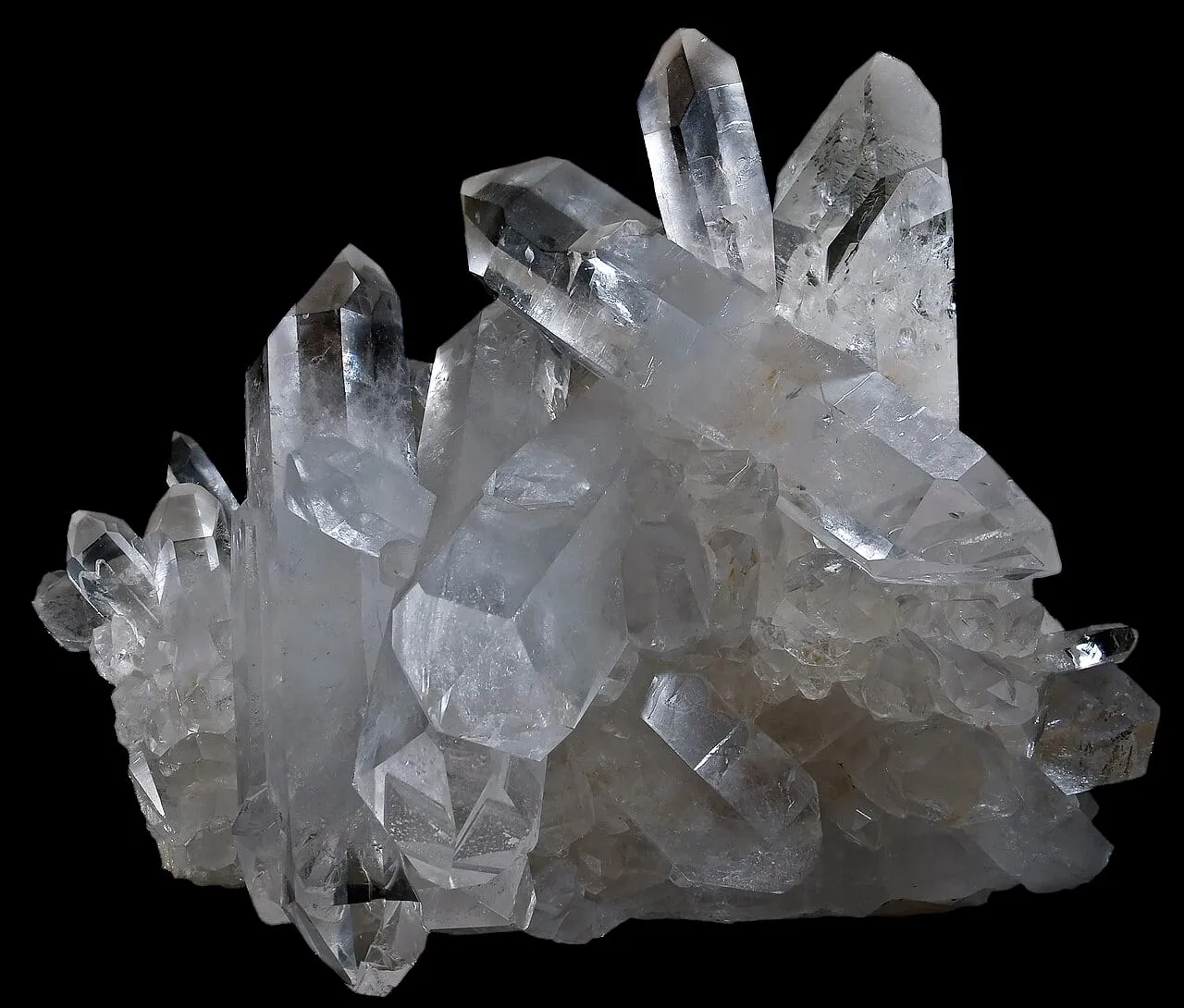
Quartz
The common root of sand, glass and amethyst — one of the most abundant minerals in Earth’s crust.
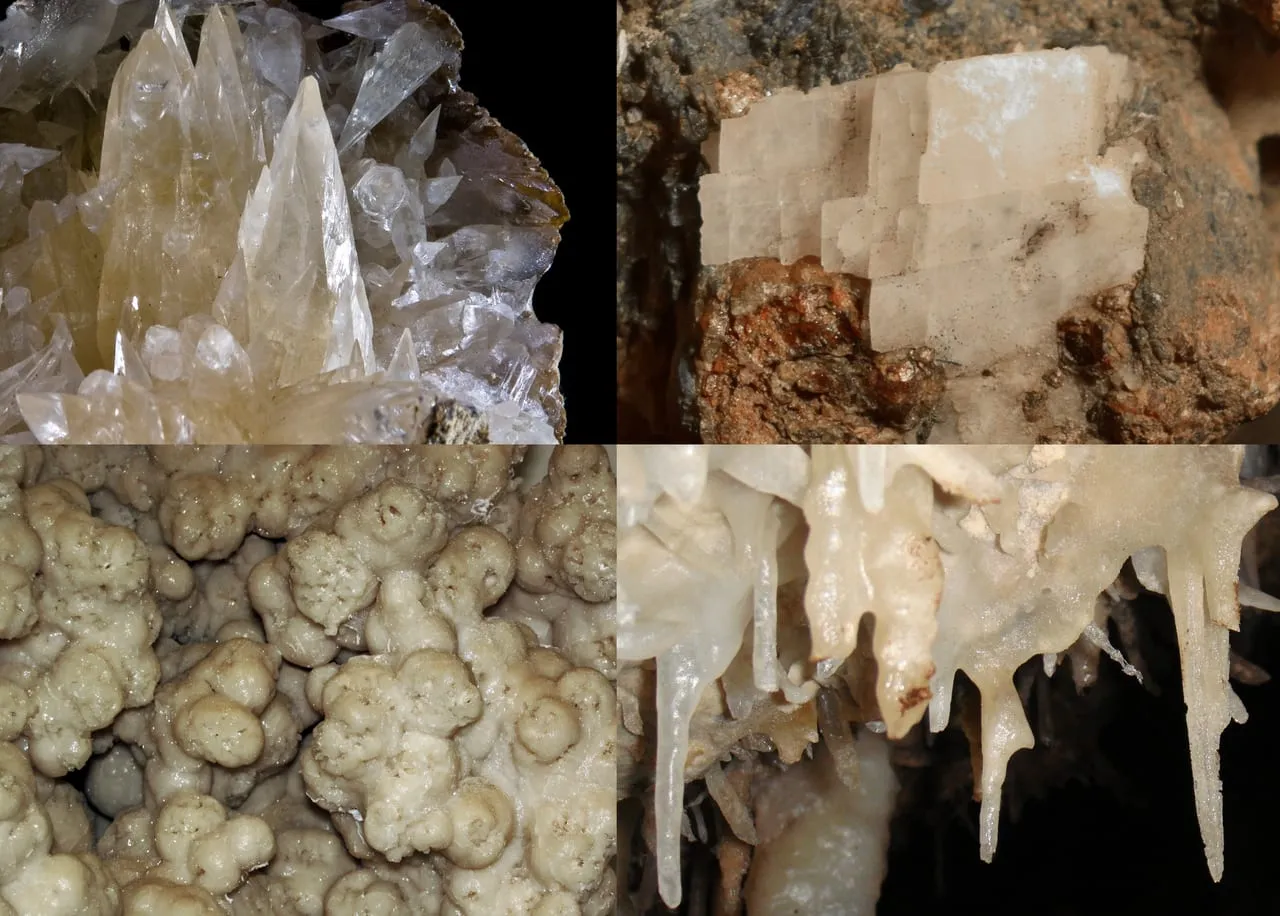
Calcite
The main mineral of limestone, marble and cave stalactites: it fizzes in acid, and its clear crystals show everything double.
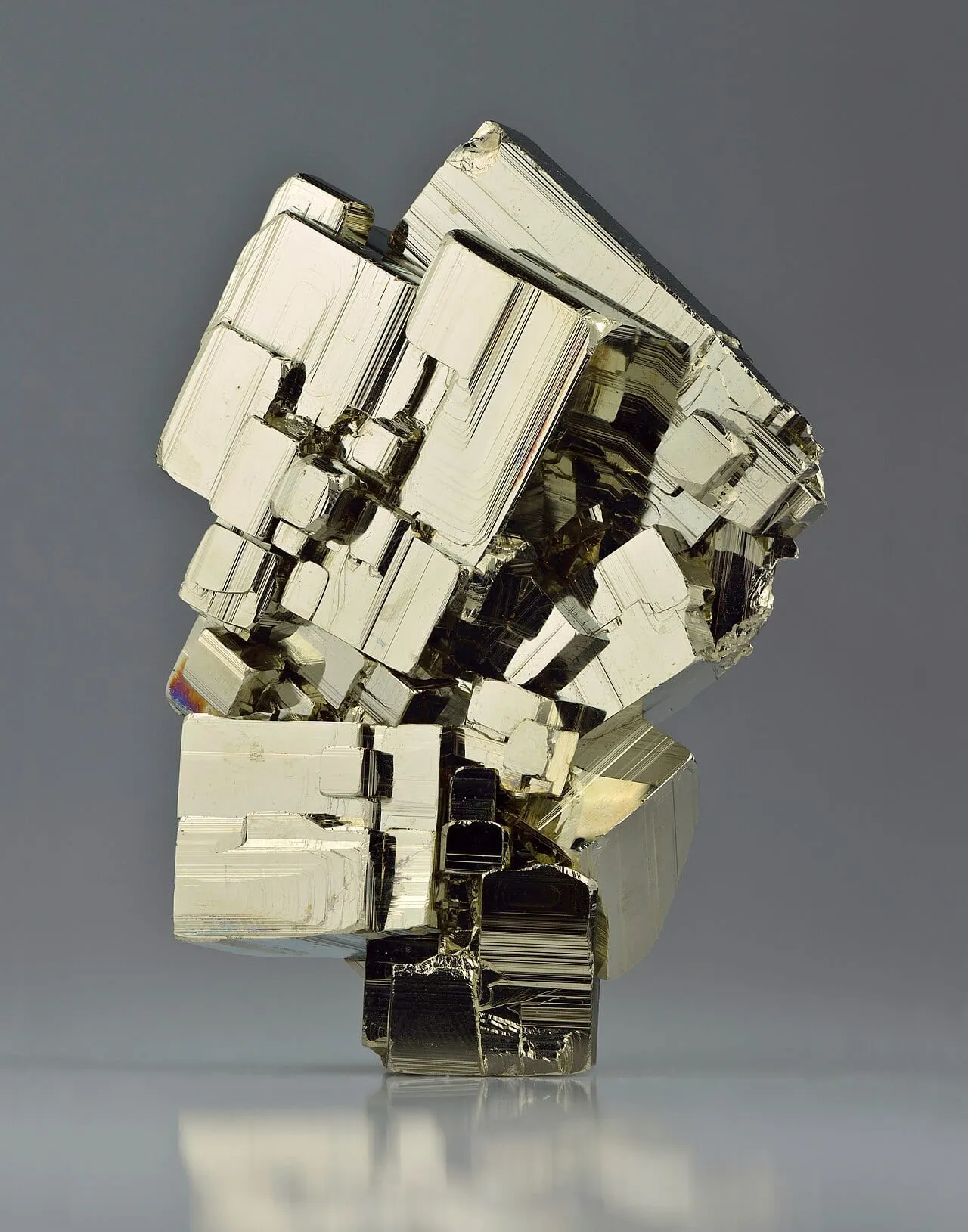
Pyrite
“Fool’s gold”: the most common sulfide mineral on Earth, looking like gold but far harder, more brittle and lighter.
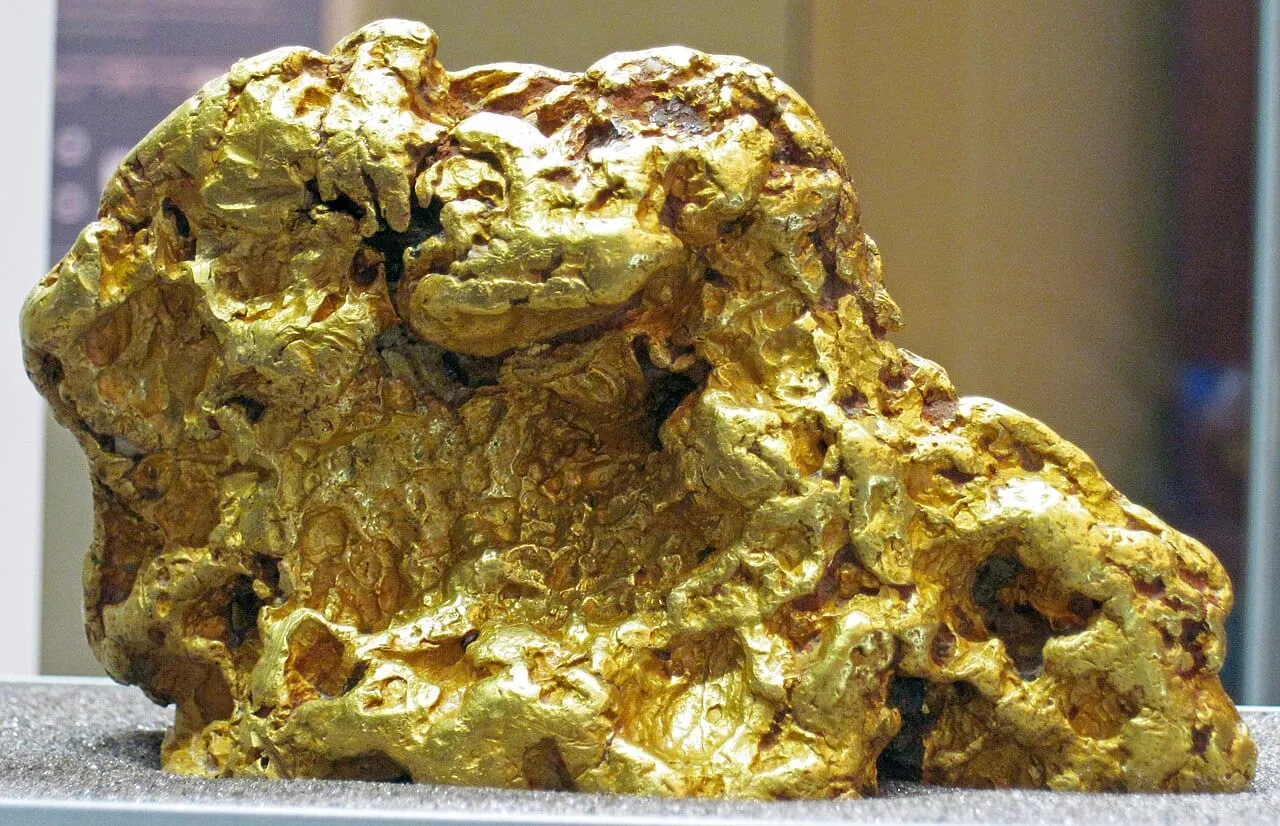
Gold
A heavy, bright yellow metal that occurs pure in nature, never tarnishes and can be hammered into sheets or drawn into wire.
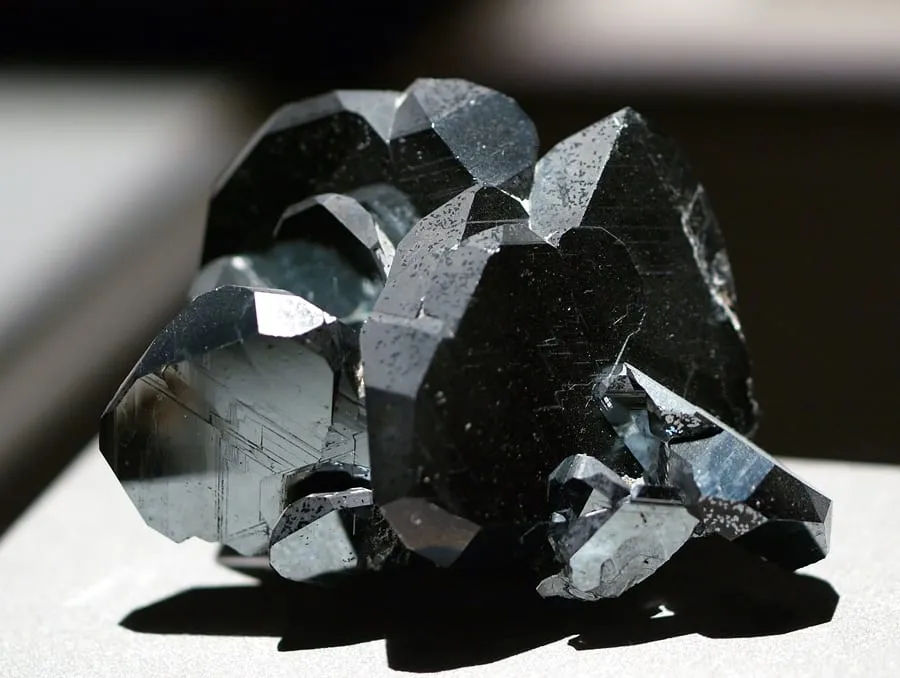
Hematite
Even when it looks black and metallic, its streak is blood red: one of the world’s most important iron ores.
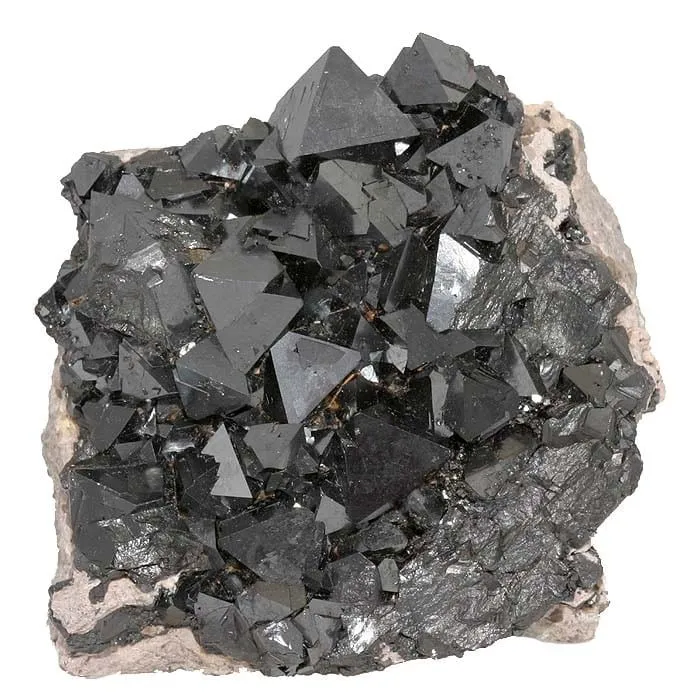
Magnetite
The black iron mineral that sticks to a magnet: its naturally magnetised pieces were the first magnets people knew.
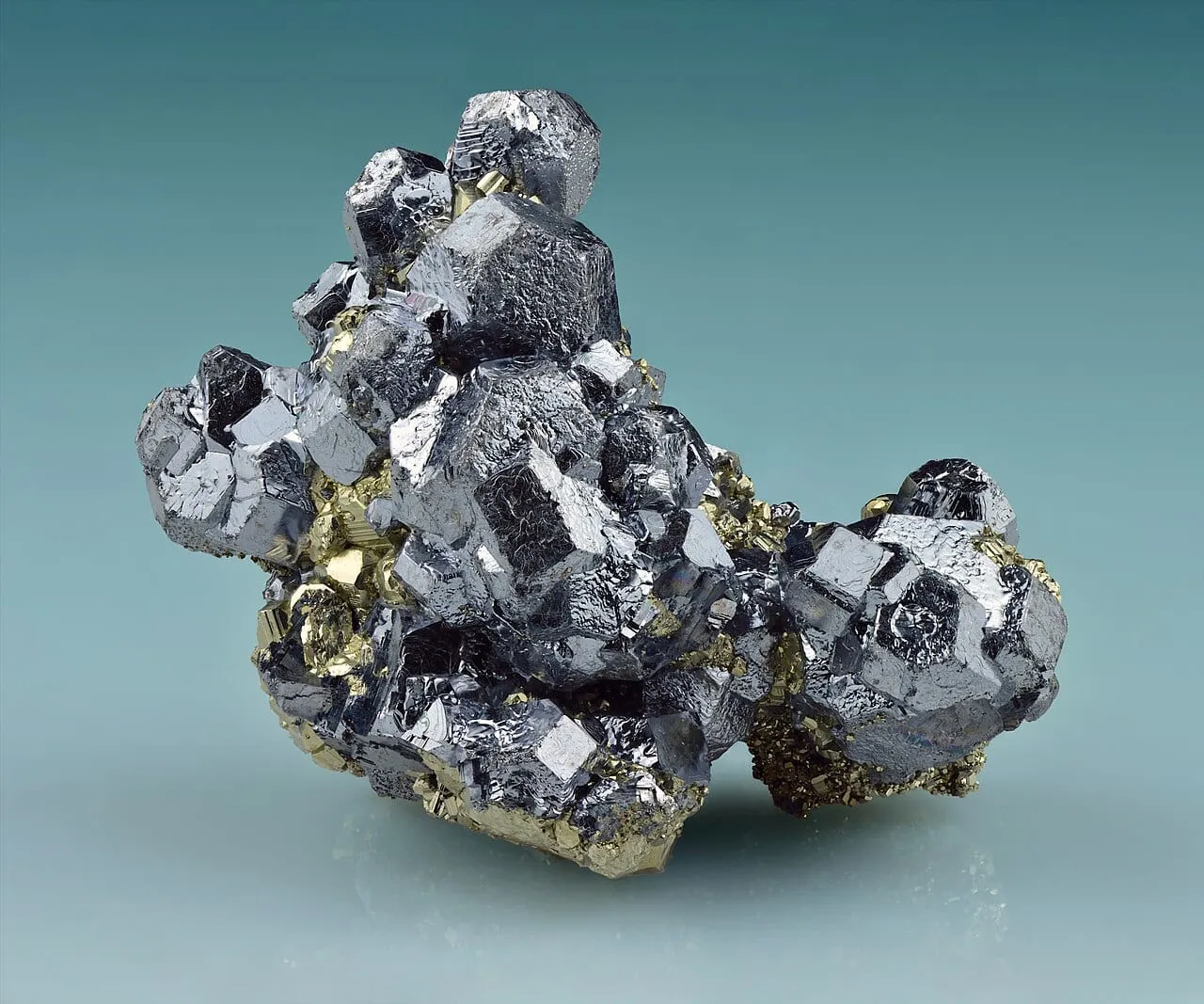
Galena
The main ore of lead: a lead-grey, metallic mineral that breaks into little cubes and feels surprisingly heavy in the hand.
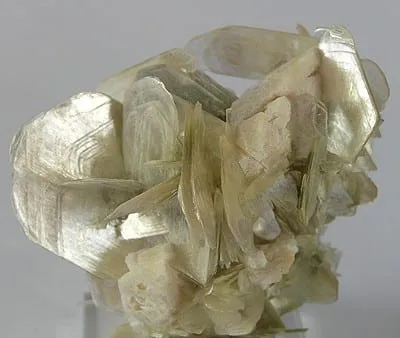
Muscovite
The white mica that peels into paper-thin, clear, flexible sheets; in Russia it was once used instead of window glass.
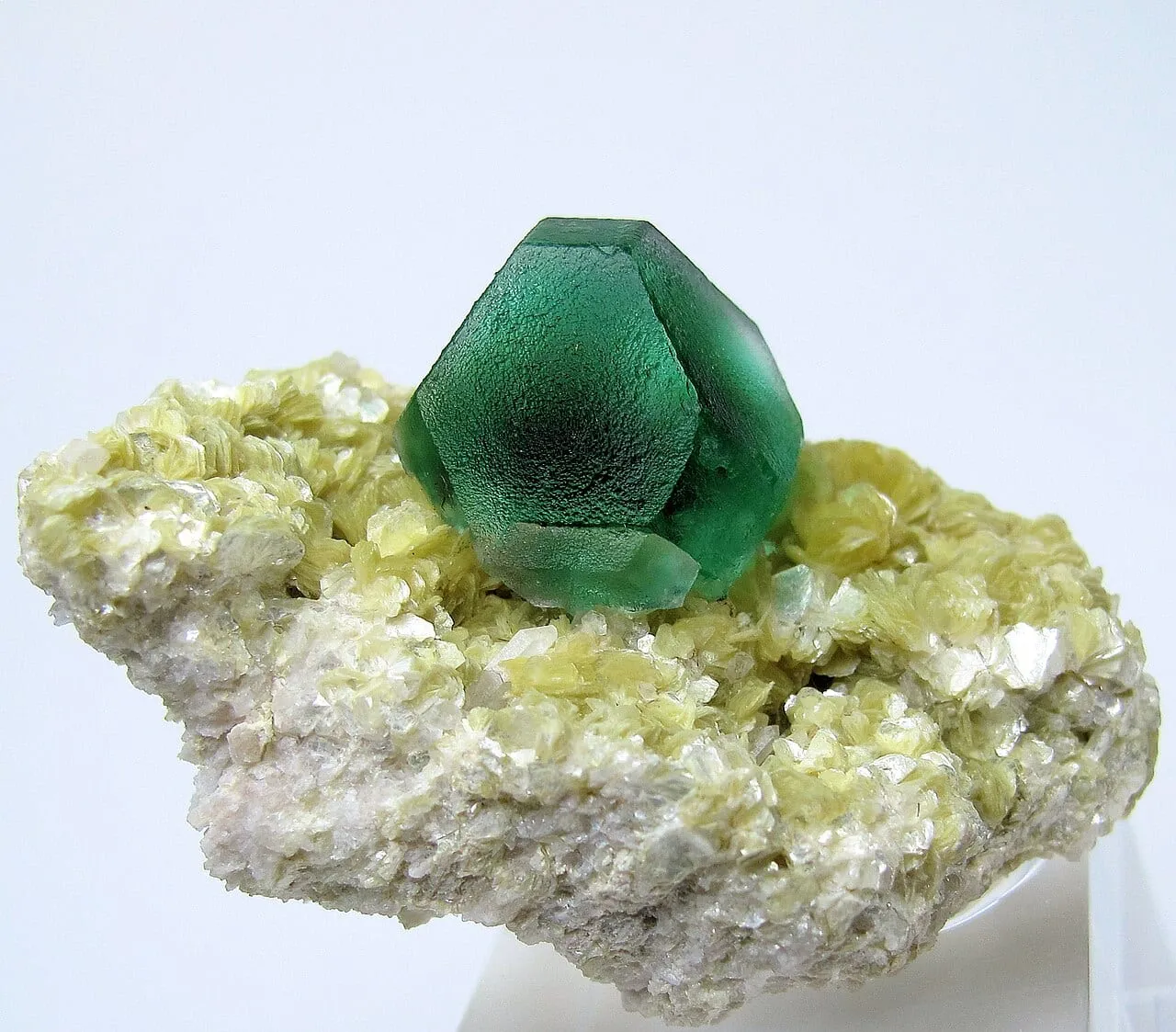
Fluorite
Number 4 on the Mohs hardness scale and the mineral that gave “fluorescence” its name, found in almost every colour from purple to green.
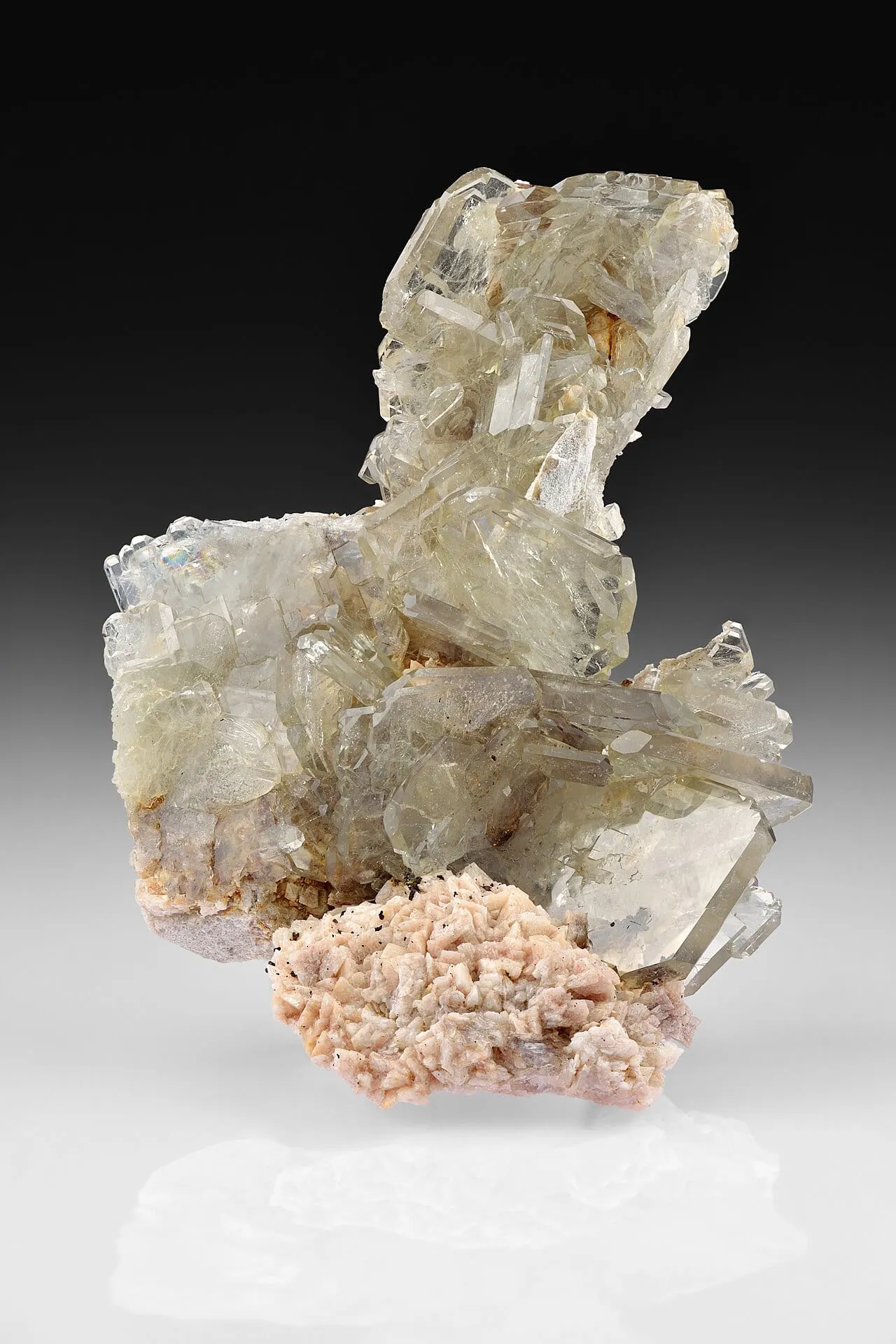
Baryte
A pale barium mineral that feels surprisingly heavy in the hand; even its name comes from the Greek word for heavy.
Sources
- The Streak Test for Minerals · Geology.com
- The “Acid Test” for Carbonate Minerals and Carbonate Rocks · Geology.com
- Mohs Hardness Scale · Geology.com
- Meteorite ID · Buseck Center for Meteorite Studies, Arizona State University
- Safe Storage and Handling of Potentially Hazardous Minerals in Natural History Collections (Freedman, J.), NatSCA News 22: 51–65 · Natural Sciences Collections Association (NatSCA), 2012