Rock
Pumice
Pomza
The stone that floats: volcanic glass frothed up by gas in an eruption and frozen full of holes.
Also known as: Pumice stone · Pumicite (fine, ash-sized pumice)
- Everyday
- Industrial
- Important in Türkiye

In short
Pumice is a very light, porous volcanic rock that forms when gas-rich lava froths up and cools extremely quickly in an explosive eruption. It is full of countless tiny gas bubbles, so it can float on water. It is used as a foot scrubber, in lightweight building blocks and for stone-washing jeans, and Türkiye is the world’s largest producer.
How does it form?
Pumice forms when silica-rich, gas-charged magma is blasted to the surface in an explosive eruption. As the pressure suddenly drops, the water vapour and other gases dissolved in the magma expand into bubbles, like a fizzy drink when the bottle is opened. The frothy, bubble-filled lava freezes before crystals can grow, leaving a glassy rock riddled with holes. Because the bubbles are sealed off from each other by thin glass walls, pumice can float on water for a long time.
What is it used for?
- Building material: It is used as lightweight aggregate in lightweight concrete and in the light blocks known in Türkiye as “bims”; it insulates well against heat and sound.
- Abrasive: It is used in cleaning and polishing products, as a foot scrubber, and in the stone-washing that gives denim a worn look.
- Horticulture: It is used to aerate soil and balance its moisture.
Pumice in Türkiye
According to U.S. Geological Survey data, Türkiye is the world’s leading pumice producer. The main pumice districts are Nevşehir and Kayseri in Central Anatolia and Bitlis in eastern Anatolia. Studies based on MTA data put the largest known reserve in the Bitlis–Tatvan area, on the flanks of Mount Nemrut. In Türkiye pumice is mined in open pits and is used above all as a lightweight building material.
How to recognise it
- 1
It is surprisingly light for its size; most pieces float when dropped in water.
- 2
It is white, cream or light grey; under a magnifying glass you can see countless bubbles separated by thin glass walls.
- 3
Its surface is rough and abrasive and feels like sandpaper when rubbed on the skin.
- 4
It differs from scoria (volcanic cinder), which is dark, heavier and has larger holes, by its pale colour and lightness.
Fakes and imitations
What shops usually don’t tell you:
- Some “pumice stones” sold as cosmetic products are not natural pumice but artificial stones made of foamed glass or ceramic; their pores are usually more regular.
- Dark “lava stone” beads in jewellery are not pumice but usually porous basalt or scoria.
- Perlite is also a pale volcanic glass and can be confused with pumice; perlite contains water in its structure and expands when heated.
Safety
Pieces of pumice are harmless to handle. However, the fine dust produced in quarries and during grinding or cutting irritates the airways; a dust mask should be worn in dusty conditions.
Did you know?
After the 1883 eruption of Krakatau, vast areas of ocean were covered with floating banks of pumice; pumice can float for months before it becomes waterlogged and sinks.
According to the U.S. Geological Survey (USGS), Türkiye is the world’s largest producer of pumice, supplying roughly half of world output.
Where is it found?
Loading map…
- Tatvan, Bitlis, Türkiye · Major depositPumice deposits on the flanks of Mount Nemrut; according to MTA data, Türkiye's largest known pumice reserve lies in the Bitlis–Tatvan area.
- Avanos–Ürgüp, Nevşehir, Türkiye · Major depositLarge pumice deposits on the volcanic plateau of Cappadocia; one of Central Anatolia's main pumice-producing areas.
- Talas–Tomarza, Kayseri, Türkiye · Major depositPumice deposits south-east of Kayseri; one of Central Anatolia's main pumice-producing areas.
- Krakatau, Sunda Strait, Indonesia · Historic sourceAfter the 1883 eruption, vast areas of ocean were covered by floating banks of pumice.
Locations are approximate to protect sites. Red dots mark places in Türkiye. Open in the big map →
Sources
- Pumice · Encyclopaedia Britannica
- Mineral Commodity Summaries 2026: Pumice and Pumicite · U.S. Geological Survey, 2026
- Orta Anadolu Pomza Oluşumlarının Endüstriyel Olarak Kullanılabilirlik Ölçütleri (Gündüz & Yılmaz) · Türkiye 17. Uluslararası Madencilik Kongresi (TUMAKS 2001), Maden Mühendisleri Odası, 2001
- Nemrut Dağı · MTA, Türkiye Volkanları (TurkVolc)
External links
Draft: awaiting expert reviewReport an error ↗
On the same step
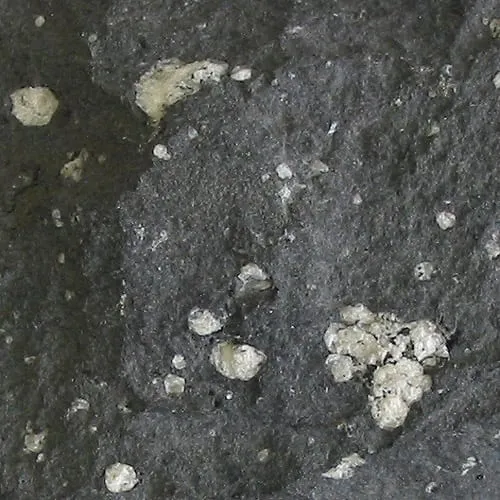
Andesite
The rock of volcanic arcs, named after the Andes — and the pink-grey stone of Ankara Castle.
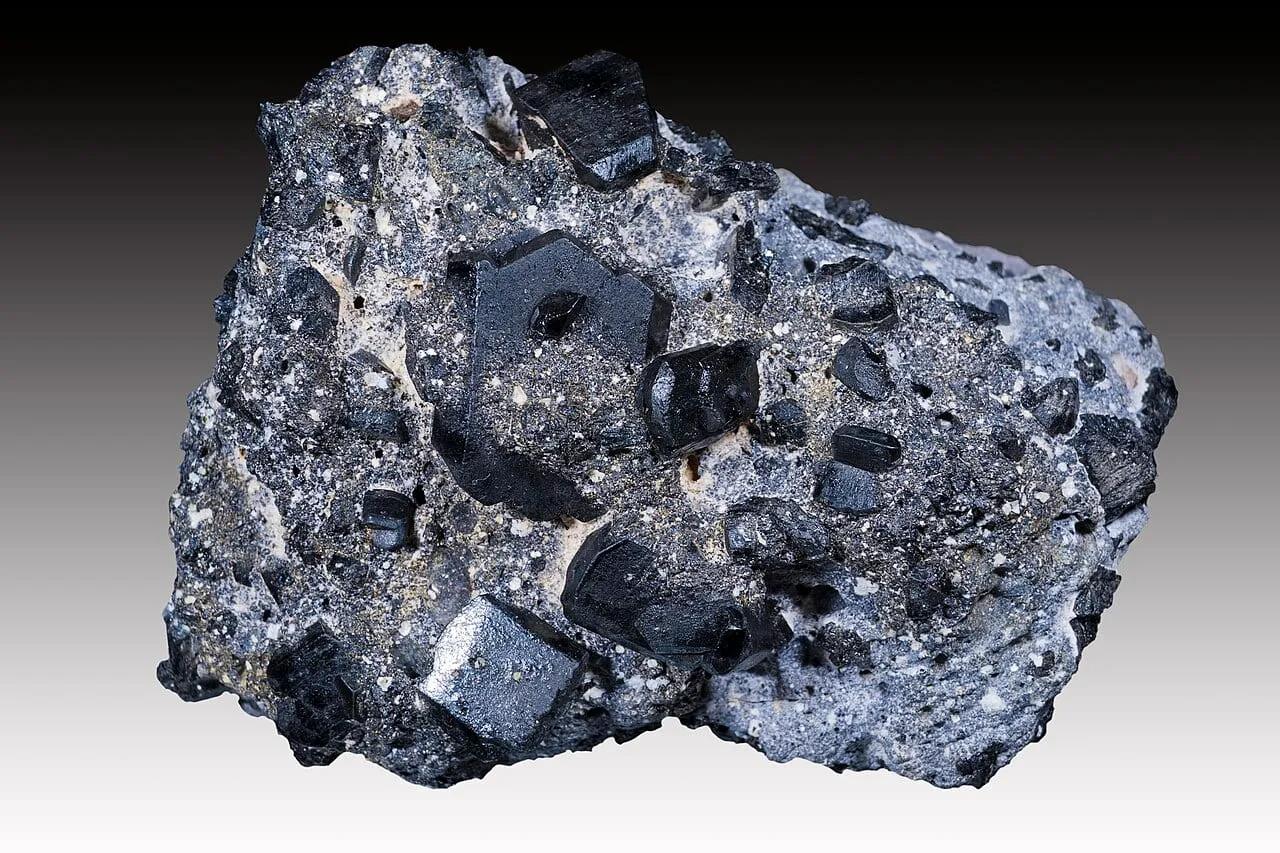
Augite (pyroxene)
The most common pyroxene, which darkens basalt and gabbro: inconspicuous, yet one of the key building blocks of Earth’s crust.
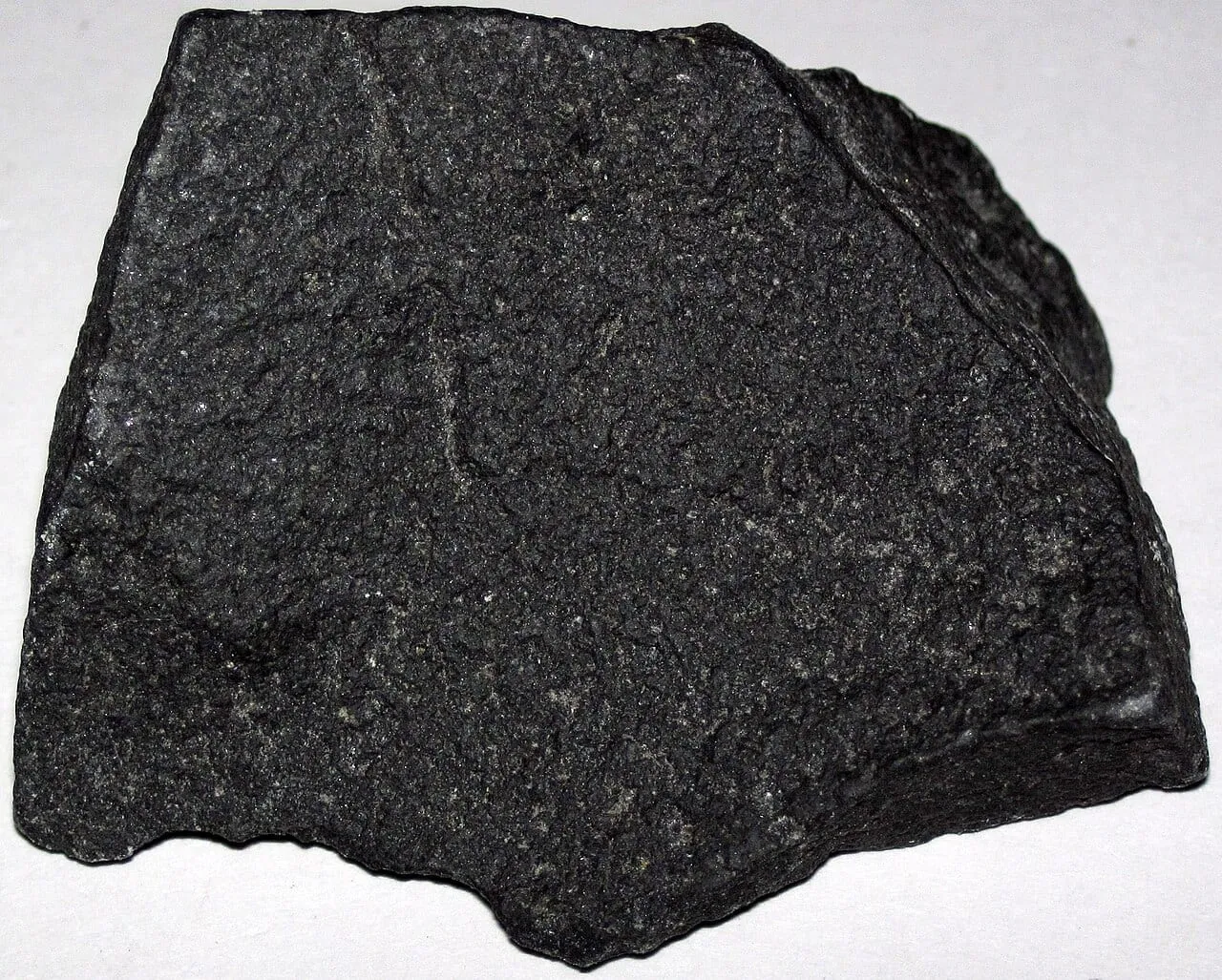
Basalt
The rock of the ocean floors and the Moon’s dark plains — the most common volcanic rock on Earth.