Everyday name
Sand
Kum
Sand is not a kind of stone but a size: grains between 0.06 and 2 millimetres, mostly quartz, sometimes shell fragments or black magnetite.
Also known as: Beach sand · River sand · Building sand · Manufactured sand · Silica sand · Black sand
- Popularly: Ore and raw material
- Everyday
- Industrial

In short
Sand is loose rock debris with grains roughly 0.06 to 2 millimetres across. In other words, “sand” is the name of a grain size, not of a mineral. As rocks weather and crumble, soft minerals turn into clay or dissolve, while hard, chemically resistant quartz is left behind. That is why the sand of continents and temperate coasts is mostly quartz. The white sand of tropical beaches is made of coral and shell fragments, and the black sand of volcanic islands of basalt or magnetite. Sand is the raw material of concrete, glass and silicon chips; compacted and cemented, it becomes sandstone.
In scientific terms
This is an everyday name; in science it means these stones:
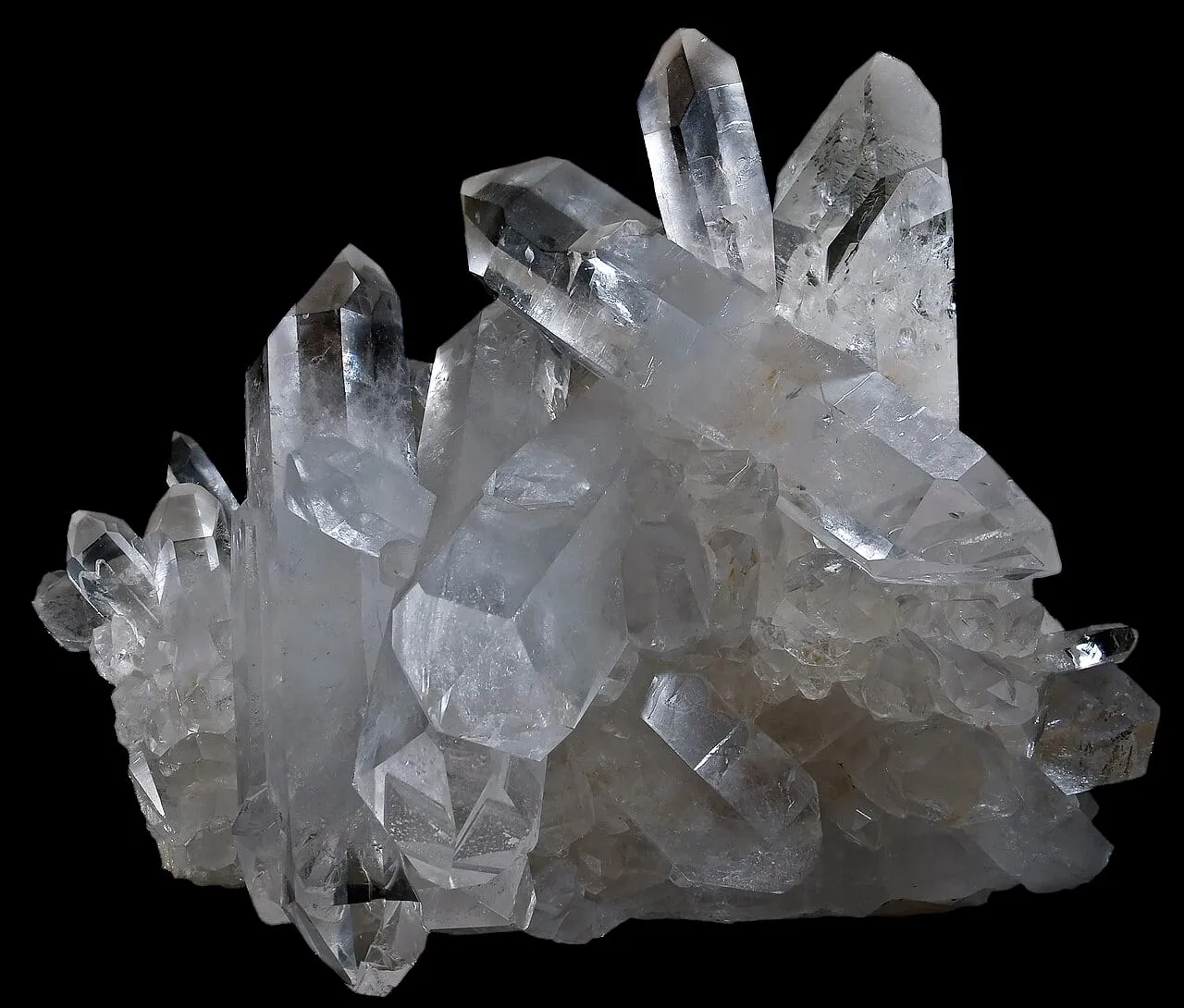
Quartz
The common root of sand, glass and amethyst — one of the most abundant minerals in Earth’s crust.
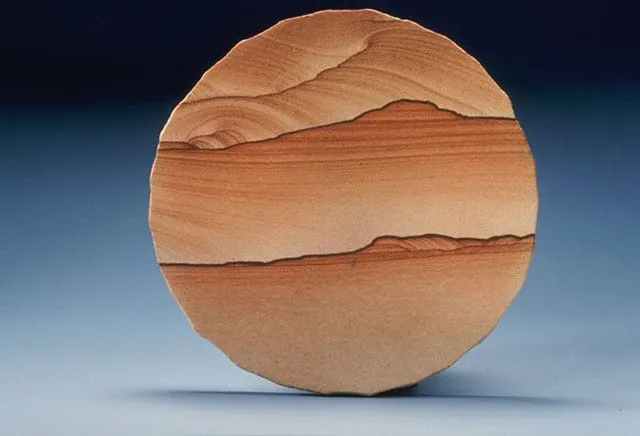
Sandstone
Sand turned to stone: from the carved facades of Petra to the layers that hold groundwater and oil.
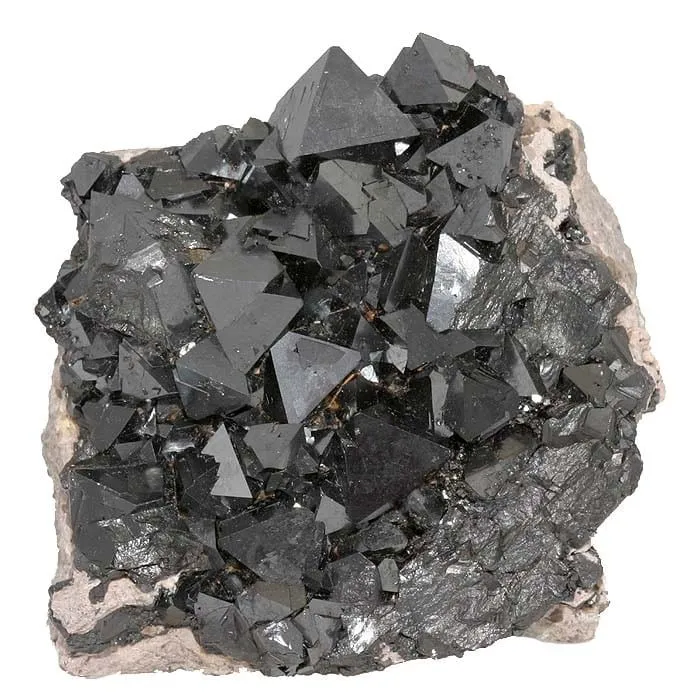
Magnetite
The black iron mineral that sticks to a magnet: its naturally magnetised pieces were the first magnets people knew.
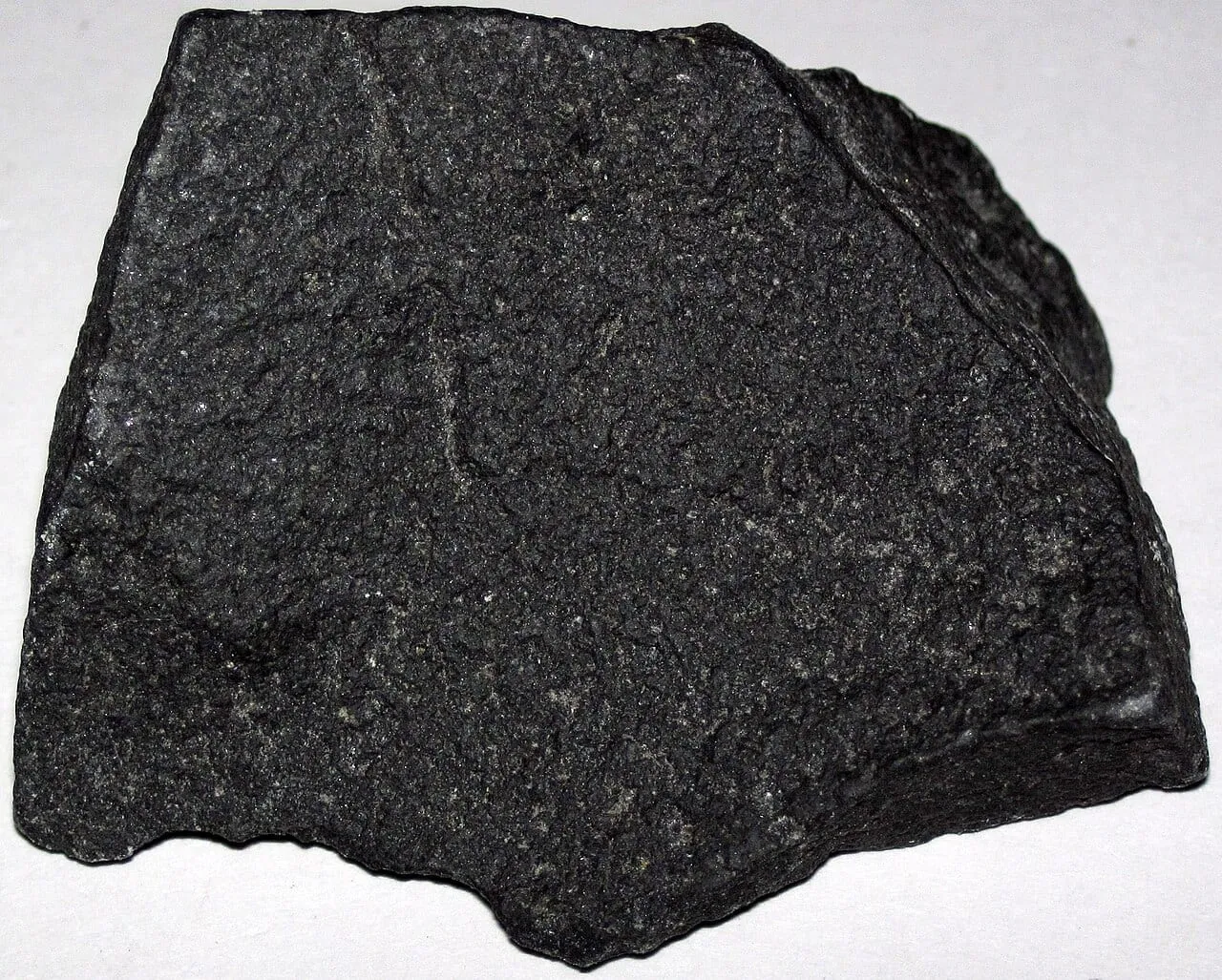
Basalt
The rock of the ocean floors and the Moon’s dark plains — the most common volcanic rock on Earth.
What is it used for?
- Concrete and mortar: Together with gravel and cement, sand is a main ingredient of concrete, and it is also used in plaster and mortar. The best sand for concrete is angular, clean river or pit sand.
- Glass: Silica-rich sand is the main raw material of ordinary glass.
- Silicon: The silicon used in solar panels and electronic chips is made from pure quartz sand.
- Casting, filters and blasting: It is used in moulds for metal casting, in drinking-water filters and for surface cleaning.
- Coasts and land: It is used to replenish beaches and to build up reclaimed land.
Where does sand come from?
Sand forms as rocks weather and crumble, and it is carried by rivers, waves and wind. Along the way, soft and easily weathered minerals disappear and durable quartz grains accumulate. Rivers are therefore natural sorting machines: when the sand that collects in riverbeds and on coasts is buried, compacted and its pores filled with natural cement, it becomes sandstone. The colour of sand also reveals its source: quartz makes white and yellowish sand, shell fragments brilliant white sand, and basalt and magnetite black sand.
Sand in Türkiye
The sand used in construction in Türkiye is natural sand dug from riverbeds and sand pits, as well as manufactured sand made by crushing and screening rocks such as limestone. Türkiye’s Coastal Law (Law No. 3621) prohibits excavation that would alter the shoreline and the removal of sand and gravel from the coast. Using sea sand in concrete is dangerous in any case: the salt in unwashed sea sand makes the steel reinforcement inside the concrete rust and weakens the structure.
What determines its value?
Sand is one of the cheapest raw materials, sold by the tonne, and transport makes up most of its cost. Building sand must have the right grading of grain sizes, be clean (free of clay, silt, organic matter and salt) and have angular grains. Glassmaking and silicon production need sand that is almost pure quartz with very little iron; silica sand of this quality is much rarer and more valuable.
This information is educational, not buying, selling or investment advice. Value varies enormously with quality and treatment.
How to recognise it
- 1
You can see the individual grains with the naked eye and they feel gritty between your fingers. Silt and clay are too fine to see grain by grain and feel smooth like flour or dough.
- 2
Under a magnifying glass, glassy, colourless or milky grains are usually quartz. White, opaque grains that look like broken shell are calcium carbonate and fizz when a drop of vinegar is added.
- 3
Test black grains with a magnet: those that stick are magnetite. Black grains that do not stick are mostly fragments of basalt or volcanic glass.
- 4
Wind-blown desert sand has rounded grains with a frosted, matt surface; river sand grains are more angular.
Fakes and imitations
What shops usually don’t tell you:
- Most coloured sands sold for aquariums and decoration are dyed quartz sand or crushed glass, not naturally coloured.
- “Manufactured sand” is not natural sand but fine aggregate made by crushing and screening rocks such as limestone or basalt; its grains are angular and dusty.
Safety
When dry, fine quartz sand is cut, blasted or ground, it releases respirable crystalline silica dust; breathing it for long periods can cause silicosis. Quartz sand should be used for abrasive blasting only with proper protective equipment. Beach sand, by contrast, is harmless because it is not fine enough to be inhaled.
Myths and misconceptions
MythSand will never run out; the deserts hold endless amounts.
FactSand is being used far faster than it forms. According to UNEP, about 50 billion tonnes of sand and gravel are used every year, and dredging and mining it cause erosion of rivers and coasts, salinisation of groundwater and harm to wildlife. Desert sand is of no use for concrete: its wind-rounded grains do not bind well to cement.
MythBlack sand has been blackened by pollution, oil or coal.
FactBlack sand is usually natural: it is made either of dark, heavy minerals such as magnetite or of fragments of basalt and volcanic glass. Grains that stick to a magnet are magnetite.
Did you know?
According to the UN Environment Programme (UNEP), the world uses about 50 billion tonnes of sand and gravel every year, enough to build a wall 27 metres wide and 27 metres high around the planet. After water, sand is the most used natural resource.
From window glass to solar panels and the silicon in computer chips, many products are made from pure quartz sand.
Sands derived from olivine-rich basalt lava can be green, which is why Hawaii has green-sand beaches.
Frequently asked questions
What is sand?
Sand is loose rock debris with grains roughly 0.06 to 2 millimetres across. In other words, “sand” is the name of a grain size, not of a mineral. As rocks weather and crumble, soft minerals turn into clay or dissolve, while hard, chemically resistant quartz is left behind. That is why the sand of continents and temperate coasts is mostly quartz. The white sand of tropical beaches is made of coral and shell fragments, and the black sand of volcanic islands of basalt or magnetite. Sand is the raw material of concrete, glass and silicon chips; compacted and cemented, it becomes sandstone.
What is sand used for?
Concrete and mortar: Together with gravel and cement, sand is a main ingredient of concrete, and it is also used in plaster and mortar. The best sand for concrete is angular, clean river or pit sand. Glass: Silica-rich sand is the main raw material of ordinary glass. Silicon: The silicon used in solar panels and electronic chips is made from pure quartz sand. Casting, filters and blasting: It is used in moulds for metal casting, in drinking-water filters and for surface cleaning. Coasts and land: It is used to replenish beaches and to build up reclaimed land.
How can you tell if sand is real?
You can see the individual grains with the naked eye and they feel gritty between your fingers. Silt and clay are too fine to see grain by grain and feel smooth like flour or dough. Under a magnifying glass, glassy, colourless or milky grains are usually quartz. White, opaque grains that look like broken shell are calcium carbonate and fizz when a drop of vinegar is added. Test black grains with a magnet: those that stick are magnetite. Black grains that do not stick are mostly fragments of basalt or volcanic glass. Most coloured sands sold for aquariums and decoration are dyed quartz sand or crushed glass, not naturally coloured.
Is sand valuable?
On the “street to diamond” value ladder it sits on step 1 of nine: Everywhere, worthless. Sand is one of the cheapest raw materials, sold by the tonne, and transport makes up most of its cost. Building sand must have the right grading of grain sizes, be clean (free of clay, silt, organic matter and salt) and have angular grains. Glassmaking and silicon production need sand that is almost pure quartz with very little iron; silica sand of this quality is much rarer and more valuable.
Is sand dangerous?
When dry, fine quartz sand is cut, blasted or ground, it releases respirable crystalline silica dust; breathing it for long periods can cause silicosis. Quartz sand should be used for abrasive blasting only with proper protective equipment. Beach sand, by contrast, is harmless because it is not fine enough to be inhaled.
Sources
- Use sand resources ‘wisely’ or risk development fallout – UNEP report · UN News, 2022
- The Right Kind of Sand (EarthDate, episode ED 485) · Bureau of Economic Geology, The University of Texas at Austin
- Kıyı Kanunu (3621 sayılı), madde 6 · T.C. Resmî Gazete / Mevzuat Bilgi Sistemi, 1990
- Plant nutrition for food security: A guide for integrated nutrient management — Soil · FAO, 2006
- Sand · Wikipedia
External links
Draft: awaiting expert reviewReport an error ↗
On the same step
Gravel and river pebbles
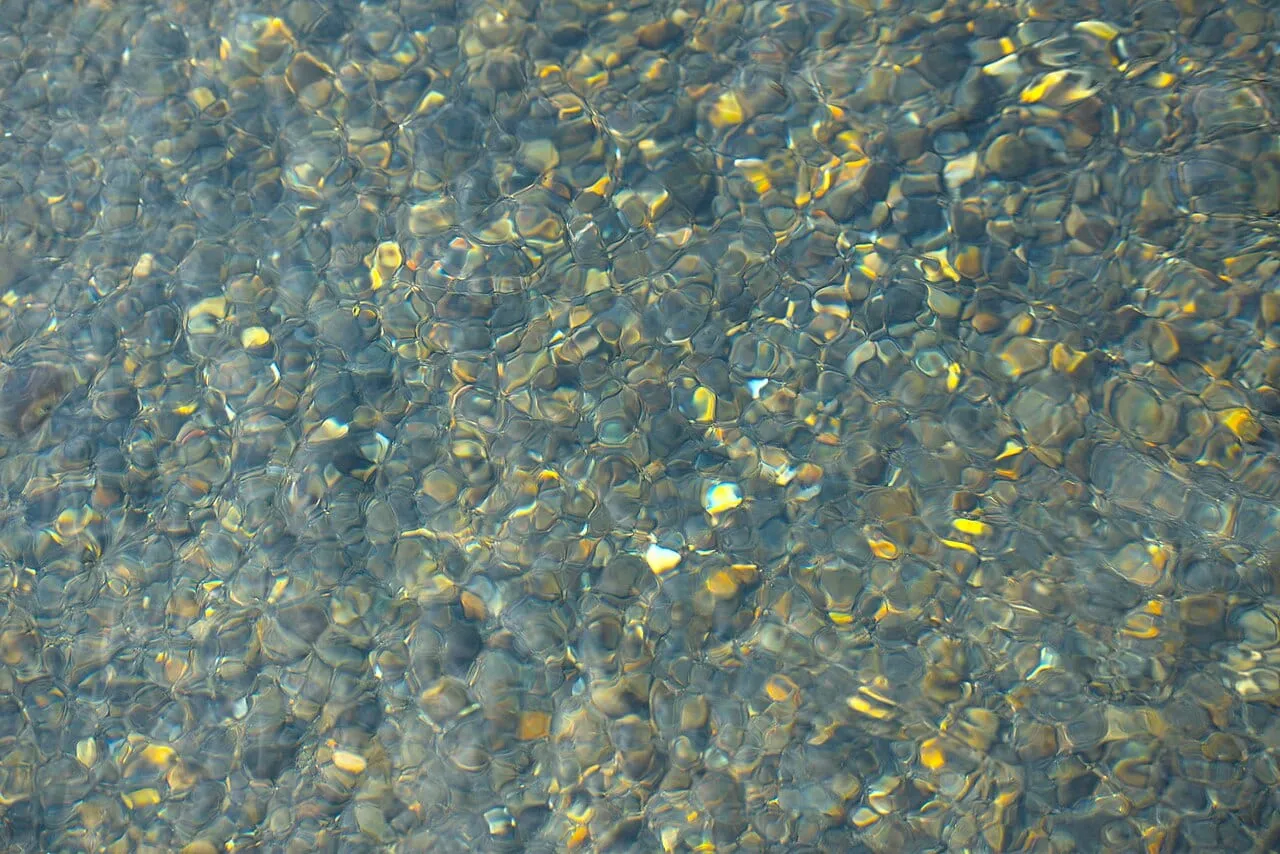
Gravel is rock fragments over 2 millimetres, rounded by rivers and waves; a river stone is not a kind of rock but any hard stone worn smooth by water.
Soil
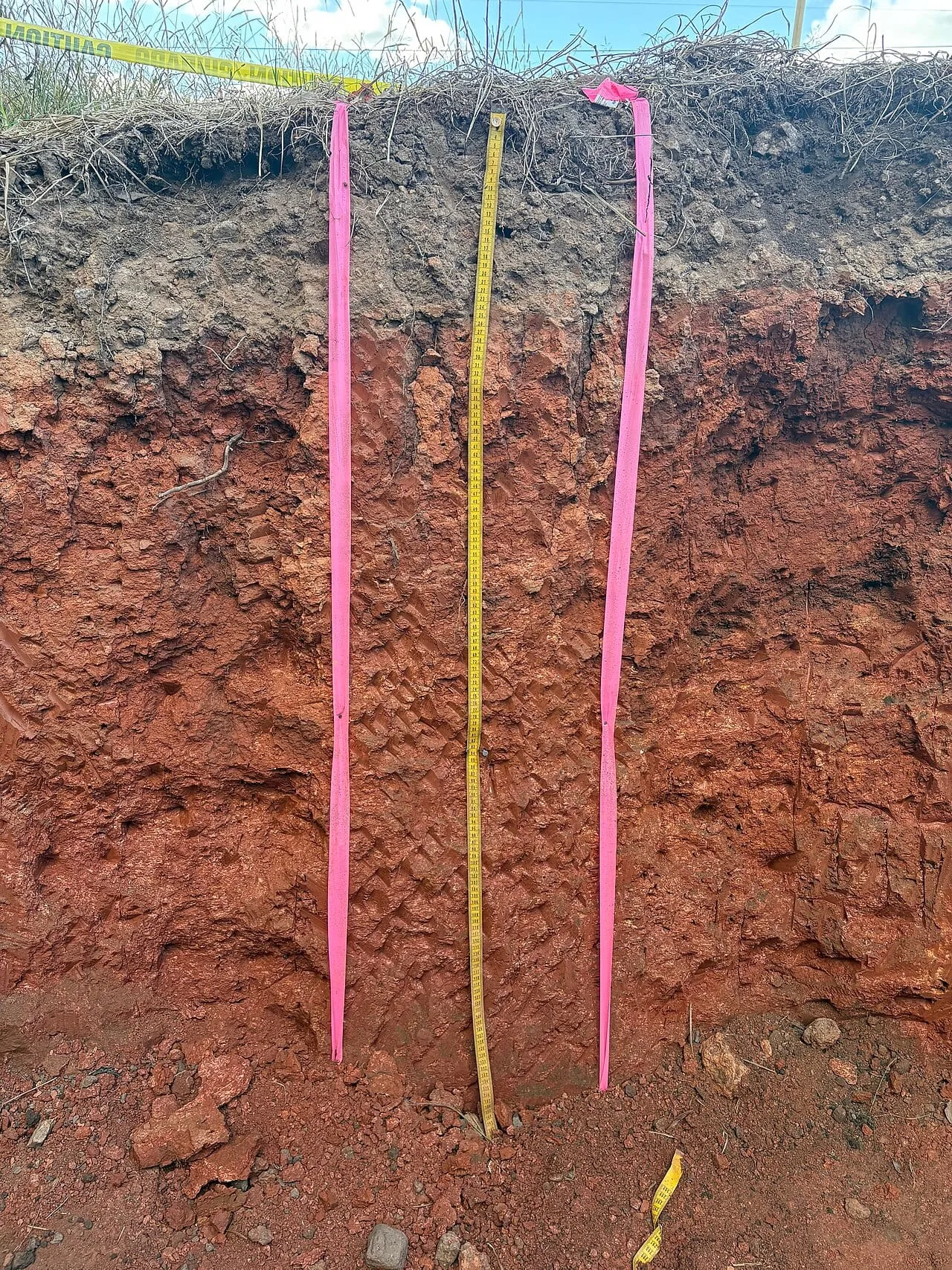
Soil is not a stone: it is sand, silt and clay from crumbled rock, mixed with rotted plants, water, air and living things.