Everyday name
Engineered stone (quartz countertops)
Kuvars tezgâh (yapay taş)
A quartz countertop is not a natural stone but a factory product, about 90 percent crushed quartz bound with resin. It causes severe silicosis in the workers who cut it.
Also known as: Quartz countertop · Quartz surface · Artificial stone · Agglomerated stone · Engineered quartz
- Popularly: Natural stone (building and decor)
- Everyday
- Building stone
- Handle with care

In short
The slabs known in kitchens as “quartz”, “engineered stone” or “artificial stone” are not cut from nature but made in factories. About 90–93 percent of their weight is crushed quartz and silica; the rest is polyester resin and pigments. The mix is pressed into moulds and hardened to make slabs that look like marble or granite. A finished countertop is not dangerous to the people who use it at home, but the workers who cut, grind and polish these slabs breathe in very large amounts of crystalline silica dust. In recent years severe silicosis has been reported in young workers in many countries, including Türkiye, and in 2024 Australia became the first country to ban these products.
In scientific terms
This is an everyday name; in science it means these stones:
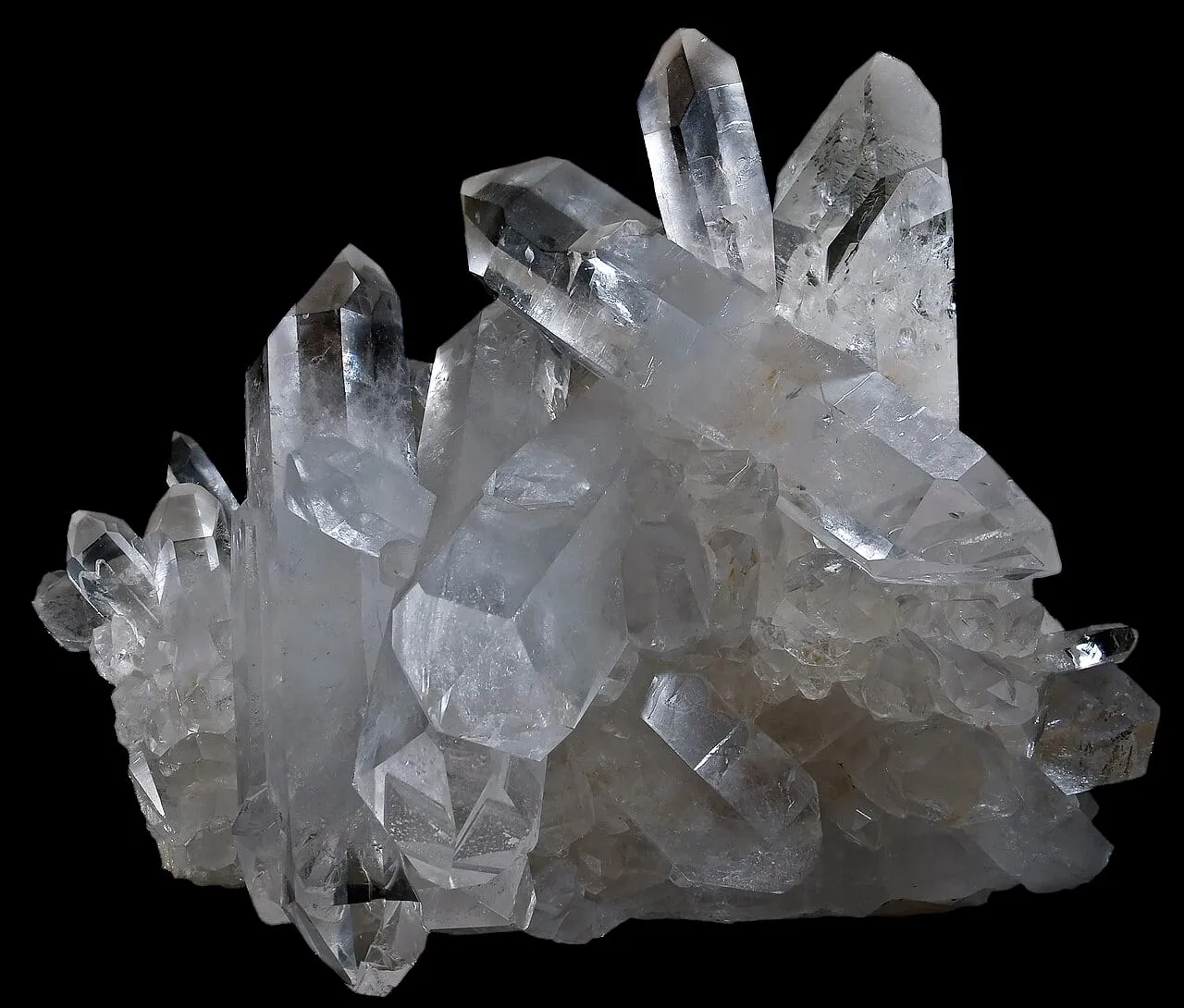
Quartz
The common root of sand, glass and amethyst — one of the most abundant minerals in Earth’s crust.
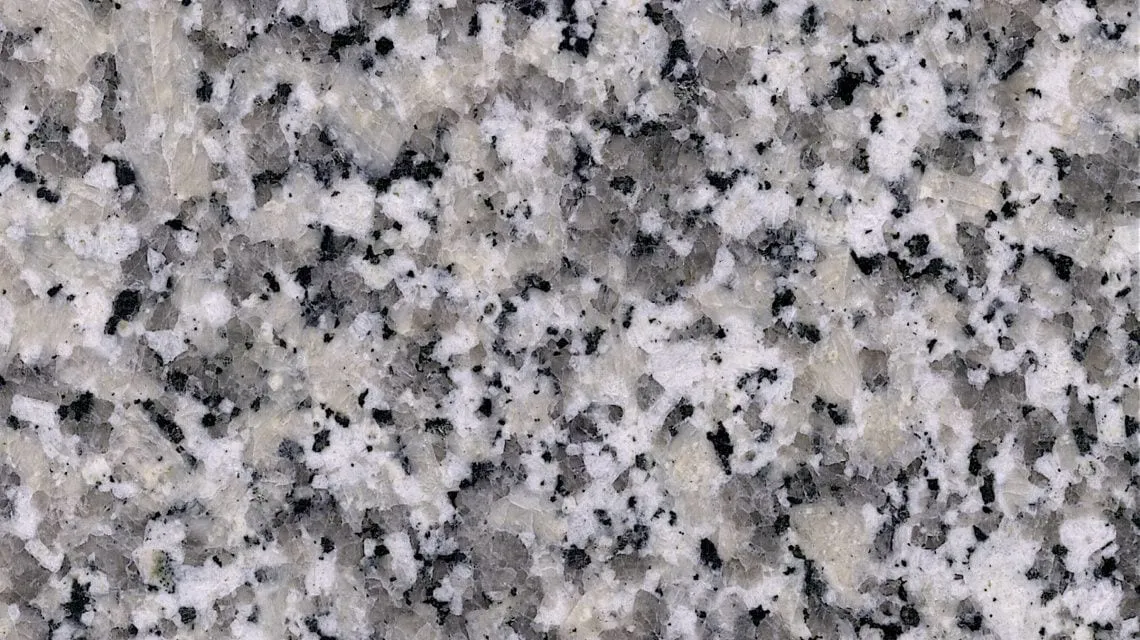
Granite
From kitchen worktops to monuments: a tough, coarse-grained rock born from magma that cooled slowly deep underground.
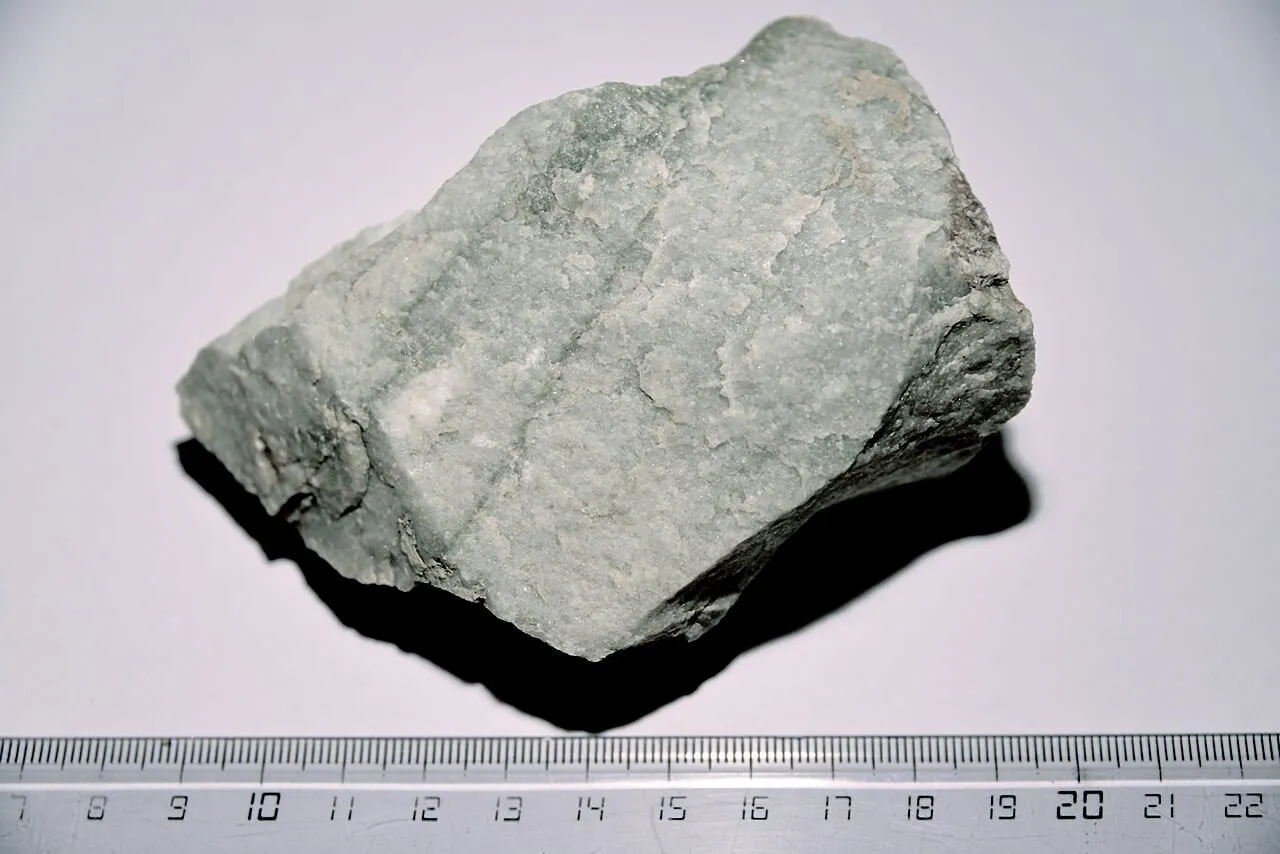
Quartzite
Sandstone turned to steel: an almost pure quartz rock that stubbornly resists wear.
What is it used for?
- Kitchen and bathroom countertops: This is by far its most common use; it is chosen because it does not stain, is non-porous and comes in many colours.
- Wall and floor cladding: It is used for wall panels, floors and stairs in shops, hotels and offices.
- Furniture: It is used for table and cabinet tops.
How is it made?
High-purity quartz and silica are ground into sand and powder. This powder is mixed with polyester resin and pigments, poured into moulds and compacted by vibration under vacuum. The slab is cured with heat, then calibrated and polished. The finished product contains more than 90 percent crystalline silica by weight; granite usually contains less than 45 percent, and marble far less. New low-silica and silica-free materials are also being developed.
The silicosis epidemic
Outbreaks of silicosis among workers who cut and finish engineered stone were reported first in Israel, Spain and Australia, and then in the United States. In 2019, 18 cases and two deaths were reported in California, Colorado, Texas and Washington, the first silicosis deaths linked to engineered stone in the US stone fabrication industry. Many patients are young, and the disease can appear after only a few years of exposure; in advanced cases a lung transplant may be needed. From 1 July 2024 Australia became the first country to ban these products.
Engineered stone in Türkiye
Türkiye has paid the heavy price of silicosis before: in the 2000s thousands of young workers in denim sandblasting workshops developed silicosis and many died young; sandblasting with silica sand was banned in 2009. The first national case series, published in 2025, showed that silicosis has begun to appear among engineered stone workers in Türkiye too. Chest physicians warn that Türkiye is unlikely to be spared this new epidemic and call for urgent regulation so that the denim sandblasting disaster is not repeated.
What determines its value?
Engineered stone is a factory product, so its value is set not by the stone but by manufacturing quality: the quality of the resin and quartz, the thickness and size of the slab, how convincingly it imitates natural stone, and the workmanship of cutting and fitting. From a health point of view, the key question is its silica content: expert consensus in Europe and North America now recommends reducing it to below 5 percent.
This information is educational, not buying, selling or investment advice. Value varies enormously with quality and treatment.
How to recognise it
- 1
The pattern is too regular: colour and speckles repeat at the same density across the slab. In natural stone, veins and grains differ from place to place.
- 2
At the edge and on a cut face, the inside is the same fine, even mix as the surface; in natural granite you can make out large grains of different minerals.
- 3
Lemon juice or vinegar dulls natural marble, whereas the surface of a quartz countertop is generally not affected by acid.
- 4
A very hot pan placed directly on it can scorch, yellow or crack the resin; granite is far more resistant to heat.
Fakes and imitations
What shops usually don’t tell you:
- Countertops sold as “natural quartz” or “quartz stone” are not natural stone: they are made by binding crushed quartz with resin. The real stone slab cut from nature is quartzite; despite the similar names they are different materials (quartzite is also very rich in quartz, so it needs the same dust precautions when cut).
- Marble- or granite-look engineered stone is often presented as natural stone in adverts and showrooms; ask about the product’s composition and silica content before buying.
Safety
Cutting, grinding and polishing engineered stone slabs releases respirable crystalline silica dust. Breathing it causes silicosis, permanent and progressive scarring of the lungs, and also raises the risk of tuberculosis and some autoimmune diseases. Because engineered stone contains more than 90 percent silica, the risk is much higher than with granite or marble. Workers must use wet cutting, local dust extraction and proper respiratory protection, and specialists stress that even these may fall short under heavy exposure. Cutting, drilling or sanding a countertop at home also creates dust and should be left to professionals. Normal use of a finished countertop in the kitchen produces no dust.
Myths and misconceptions
MythA quartz countertop is a natural stone.
FactA quartz countertop is not a natural stone but a manufactured product: about 90–93 percent of its weight is crushed quartz and silica and 7–10 percent is polyester resin. The word “quartz” in its name describes its raw material.
MythQuartz countertops are a silicosis hazard for the people living with them.
FactThe danger is to the workers who cut, grind and polish the slabs. Normal use in the kitchen releases no respirable dust. If a countertop is cut, drilled or sanded at home, however, dust is released, so such work should be done by professionals with proper precautions.
Did you know?
In response to rising silicosis cases among workers, Australia became the first country to ban the use and supply of engineered stone benchtops, panels and slabs, from 1 July 2024.
In 2019 the US Centers for Disease Control and Prevention (CDC) reported the first silicosis deaths linked to engineered stone in the US stone fabrication industry.
Frequently asked questions
What is engineered stone?
The slabs known in kitchens as “quartz”, “engineered stone” or “artificial stone” are not cut from nature but made in factories. About 90–93 percent of their weight is crushed quartz and silica; the rest is polyester resin and pigments. The mix is pressed into moulds and hardened to make slabs that look like marble or granite. A finished countertop is not dangerous to the people who use it at home, but the workers who cut, grind and polish these slabs breathe in very large amounts of crystalline silica dust. In recent years severe silicosis has been reported in young workers in many countries, including Türkiye, and in 2024 Australia became the first country to ban these products.
What is engineered stone used for?
Kitchen and bathroom countertops: This is by far its most common use; it is chosen because it does not stain, is non-porous and comes in many colours. Wall and floor cladding: It is used for wall panels, floors and stairs in shops, hotels and offices. Furniture: It is used for table and cabinet tops.
How can you tell if engineered stone is real?
The pattern is too regular: colour and speckles repeat at the same density across the slab. In natural stone, veins and grains differ from place to place. At the edge and on a cut face, the inside is the same fine, even mix as the surface; in natural granite you can make out large grains of different minerals. Lemon juice or vinegar dulls natural marble, whereas the surface of a quartz countertop is generally not affected by acid. Countertops sold as “natural quartz” or “quartz stone” are not natural stone: they are made by binding crushed quartz with resin. The real stone slab cut from nature is quartzite; despite the similar names they are different materials (quartzite is also very rich in quartz, so it needs the same dust precautions when cut).
Is engineered stone valuable?
On the “street to diamond” value ladder it sits on step 3 of nine: Building and industrial stone. Engineered stone is a factory product, so its value is set not by the stone but by manufacturing quality: the quality of the resin and quartz, the thickness and size of the slab, how convincingly it imitates natural stone, and the workmanship of cutting and fitting. From a health point of view, the key question is its silica content: expert consensus in Europe and North America now recommends reducing it to below 5 percent.
Is engineered stone dangerous?
Cutting, grinding and polishing engineered stone slabs releases respirable crystalline silica dust. Breathing it causes silicosis, permanent and progressive scarring of the lungs, and also raises the risk of tuberculosis and some autoimmune diseases. Because engineered stone contains more than 90 percent silica, the risk is much higher than with granite or marble. Workers must use wet cutting, local dust extraction and proper respiratory protection, and specialists stress that even these may fall short under heavy exposure. Cutting, drilling or sanding a countertop at home also creates dust and should be left to professionals. Normal use of a finished countertop in the kitchen produces no dust.
Sources
- A New Global Epidemic of Silicosis Due to Artificial Stone: is Türkiye Next? (Akgün & Kar Kurt) · Thoracic Research and Practice, 26(4), 2025
- Artificial Stone Silicosis in Turkey: The First National Case Series Follows the Footsteps of Denim Sandblasting (Kurt et al.) · Journal of Occupational and Environmental Medicine, 67(10), 2025
- Severe Silicosis in Engineered Stone Fabrication Workers — California, Colorado, Texas, and Washington, 2017–2019 (Rose et al.) · CDC, Morbidity and Mortality Weekly Report 68(38), 2019
- Engineered stone · Wikipedia
External links
Draft: awaiting expert reviewReport an error ↗
On the same step
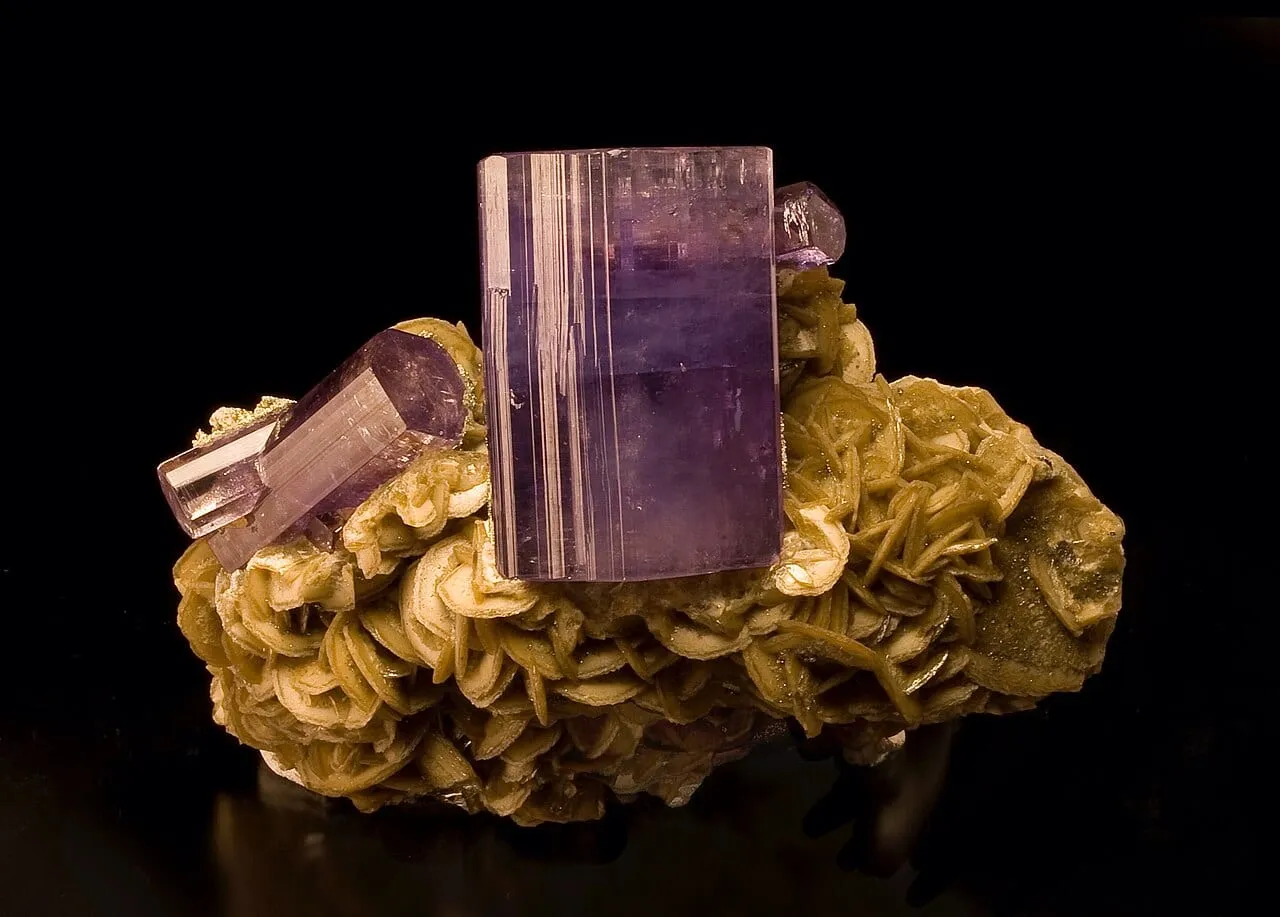
Apatite
A mineral cousin of our teeth and bones, the source of the phosphorus in fertilisers, and number 5 on the Mohs scale.
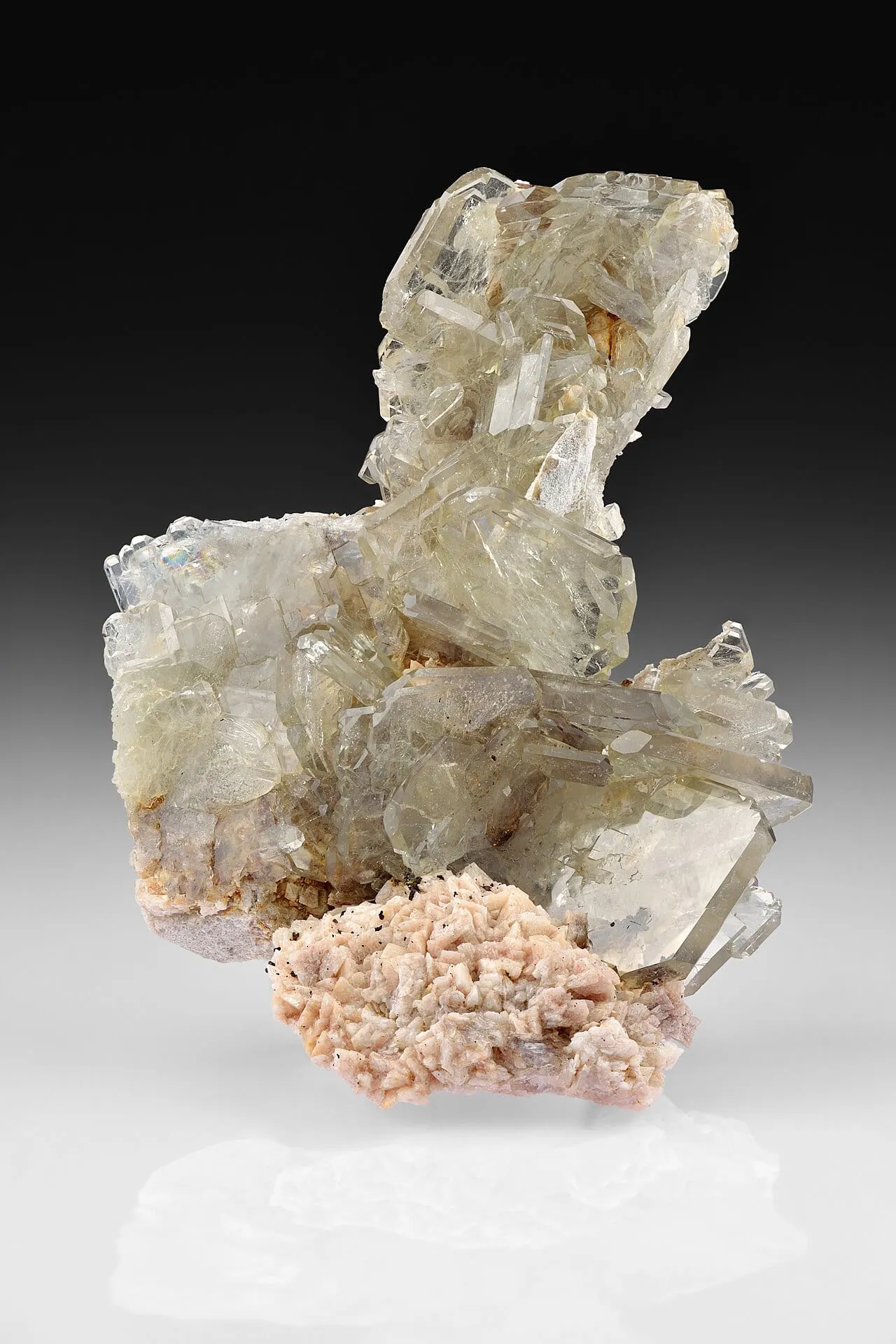
Baryte
A pale barium mineral that feels surprisingly heavy in the hand; even its name comes from the Greek word for heavy.
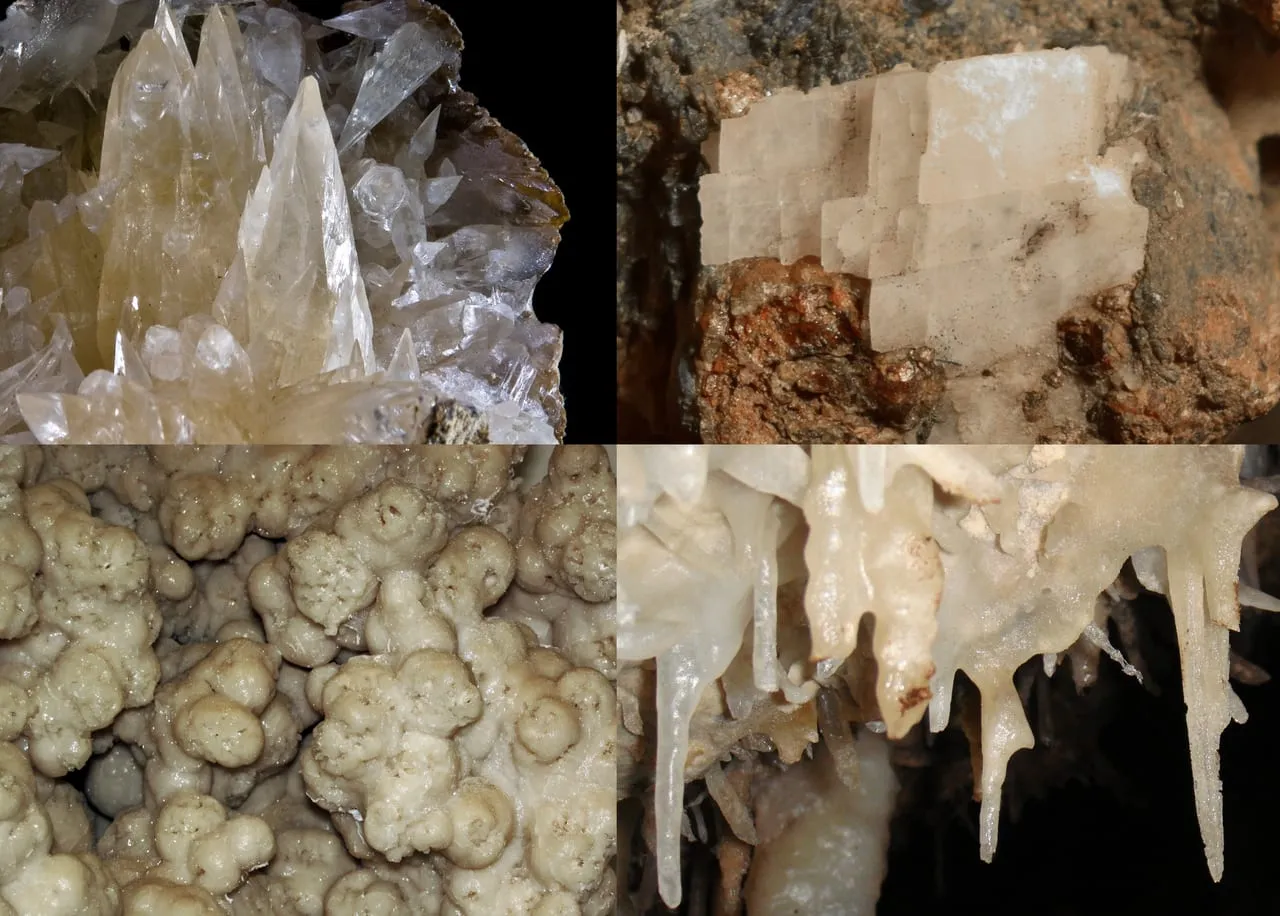
Calcite
The main mineral of limestone, marble and cave stalactites: it fizzes in acid, and its clear crystals show everything double.