Mineral
Dolomite
CaMg(CO₃)₂Dolomit
Calcite’s magnesium-bearing sibling: a carbonate mineral that builds whole mountain ranges yet barely fizzes in acid.
Also known as: Dolostone (the rock made mostly of dolomite)
- Everyday
- Industrial
- Building stone

In short
Dolomite is a mineral made of calcium, magnesium and carbonate. It looks very much like calcite, but it is a little harder and fizzes much more slowly in acid. A rock made mostly of dolomite is called dolostone (or simply dolomite); the famous Dolomite Mountains in Italy are built of it.
How does it form?
Dolomite forms mostly when existing limestone reacts with magnesium-rich waters and is transformed (dolomitisation). It can also be deposited directly in very salty, shallow lagoons and tidal flats, and it occurs in hot-water veins and some marbles. Curiously, very little dolomite forms in today’s seas, and it is hard to grow in the laboratory at normal temperatures. How so much dolomite formed in the past is a question geologists have long debated (the “dolomite problem”).
What is it used for?
- Construction: Dolostone is used as crushed stone (aggregate) and building stone. About 70% of the crushed stone produced in the USA is limestone and dolomite (USGS, 2025).
- Steel and refractories: It is used as a flux in steelmaking and in heat-resistant (refractory) materials.
- Agriculture: Ground dolomite is used to treat acidic soils and also supplies plants with magnesium.
- Glass and magnesium: It is also a raw material for glassmaking and for producing magnesium metal.
How to recognise it
- 1
In cold, dilute hydrochloric acid it fizzes weakly or not at all; powdered, or in warm acid, it fizzes clearly. Calcite fizzes at once in cold acid.
- 2
Its hardness is 3.5–4: slightly harder than calcite, but still scratched by a steel knife.
- 3
Its crystals often have curved faces and form saddle-shaped clusters, sometimes with a pearly lustre.
- 4
Like calcite it has perfect cleavage in three directions and breaks into rhombohedral pieces.
Fakes and imitations
What shops usually don’t tell you:
- Dolomite itself is not imitated. In the stone trade, however, “marble” can mean any carbonate rock that takes a polish, so a stone sold as “marble” may geologically be dolostone or dolomitic marble.
- It is easily confused with calcite: the acid test and the crystal shape (curved, saddle-shaped crystals) help, but certain identification needs laboratory analysis.
Did you know?
Both the mineral and the Dolomite Mountains are named after Déodat de Dolomieu, the French geologist who studied the rock in the late 18th century.
Where is it found?
Loading map…
- Dolomites, northern Italy · Known localityThe mountain range is built largely of dolostone and takes its name from the mineral
- Eugui, Navarra, Spain · Known localityExceptional transparent dolomite crystals
- Brumado, Bahia, Brazil · Known localityFine dolomite crystals in a magnesite deposit
Locations are approximate to protect sites. Red dots mark places in Türkiye. Open in the big map →
Sources
- Handbook of Mineralogy: Dolomite · Mineralogical Society of America
- Mineral Commodity Summaries 2026: Stone (Crushed) · U.S. Geological Survey, 2026
External links
Draft: awaiting expert reviewReport an error ↗
On the same step
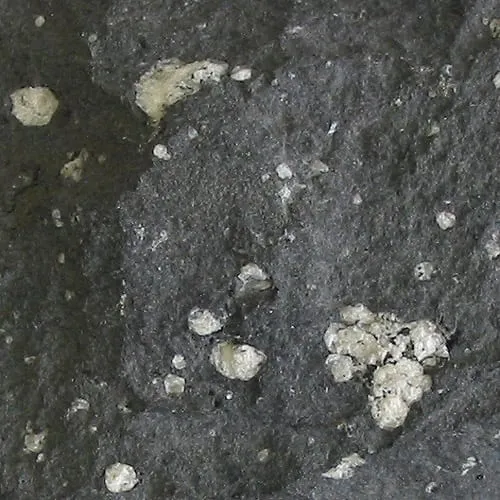
Andesite
The rock of volcanic arcs, named after the Andes — and the pink-grey stone of Ankara Castle.
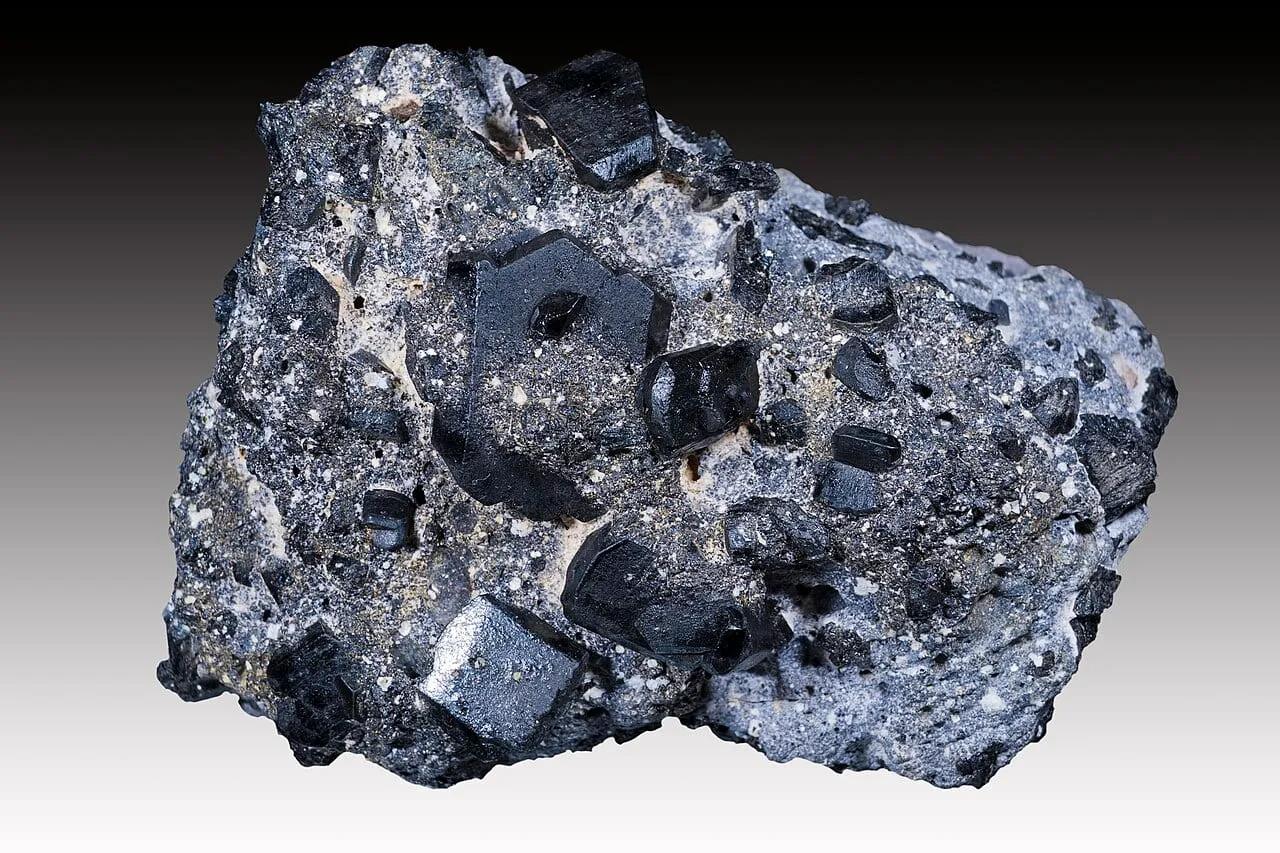
Augite (pyroxene)
The most common pyroxene, which darkens basalt and gabbro: inconspicuous, yet one of the key building blocks of Earth’s crust.
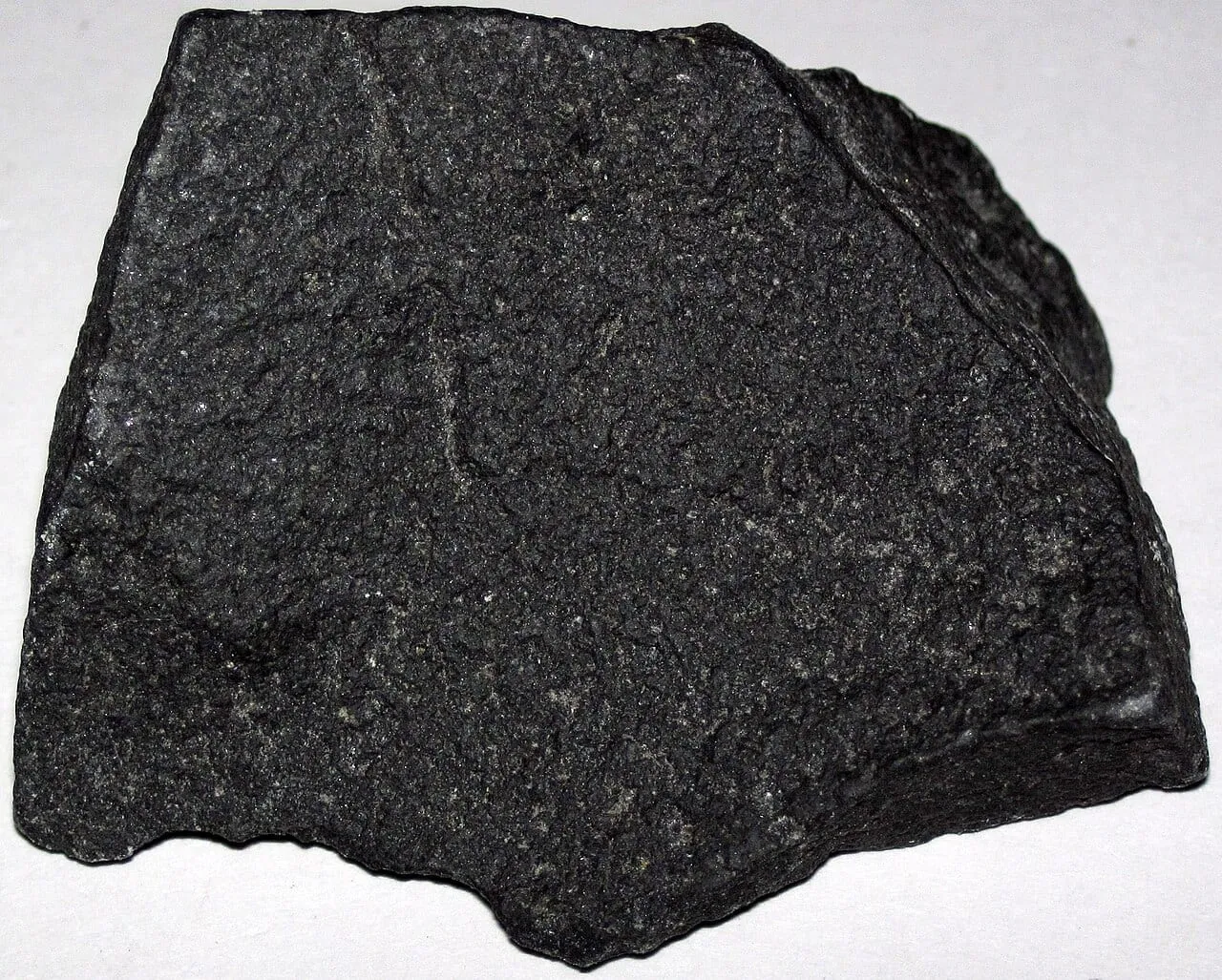
Basalt
The rock of the ocean floors and the Moon’s dark plains — the most common volcanic rock on Earth.