VarietyA variety of Zoisite
Tanzanite
Ca₂Al₃(Si₂O₇)(SiO₄)O(OH)Tanzanit
Zoisite that looks blue or violet depending on the viewing direction, mined commercially in just one small area of Tanzania.
Also known as: Blue zoisite
- Gemstone
In short
Tanzanite is the clear, blue-violet variety of the mineral zoisite. It gets its colour from tiny amounts of vanadium in its crystal structure. It is mined commercially in only one place in the world, the Merelani Hills of Tanzania. It was found in 1967, which makes it one of the youngest famous gems.
How does it form?
Tanzanite formed in metamorphic rocks transformed by heat and pressure during an ancient episode of mountain building. At Merelani the deposits lie in intricately folded rock layers, and tanzanite crystals grow in veins and pockets within them. Zoisite occurs in many parts of the world, but zoisite this clear and coloured blue-violet by vanadium has not been found in commercial quantities anywhere else.
From history
In 1967 clear, violet-blue crystals were noticed weathering out of the ground in the Merelani area, and many mining claims were soon registered there. Tiffany & Co. launched the gem as “tanzanite” in 1968, and its publicity campaign made the stone quickly famous.
What makes it valuable?
A saturated, deep blue-violet is the most sought after; lighter stones are more common. Tanzanite is usually clean and can be cut into large stones, so clarity and size also affect its value. Because it comes from a single small area, its future availability is uncertain.
How to recognise it
- 1
It shows strong pleochroism: as you turn it you see blue, violet and, in unheated stones, brownish or yellowish-green tones.
- 2
Its hardness is 6–7, softer than sapphire and topaz. It has one perfect cleavage, so a knock can crack it; take care in rings.
- 3
Keep it away from sudden temperature changes and ultrasonic cleaners, and clean it with warm, soapy water.
- 4
Telling it reliably from look-alikes, especially synthetic forsterite, needs a gem laboratory.
Fakes and imitations
What shops usually don’t tell you:
- Heat treatment: most crystals from Merelani contain brownish or yellowish-green tones that disappear on heating, leaving the stone blue-violet. Most tanzanite on the market has been heated; the treatment is permanent and generally accepted.
- Synthetic forsterite: this laboratory-made material looks very much like tanzanite. It is so strongly doubly refractive that the edges of the back facets look doubled under a loupe; in tanzanite this is not noticeable.
- Violet-blue glass, synthetic corundum and other synthetic materials are also used as imitations.
- Stones whose surface has been darkened with a thin coloured coating have also been seen; the coating can wear off. Ask for a laboratory report that states any treatment.
Did you know?
Tanzanite was named by Tiffany & Co., which launched it with a big publicity campaign in 1968; the name comes from the country it is mined in.
The commercially mined area is only about 7 km long and 2 km wide.
Where is it found?
Loading map…
- Merelani (Mererani) Hills, Simanjiro, Manyara Region, Tanzania · Major depositThe only place in the world where tanzanite is mined commercially; an area roughly 7 km long and 2 km wide, south-west of Kilimanjaro
Locations are approximate to protect sites. Red dots mark places in Türkiye. Open in the big map →
Family
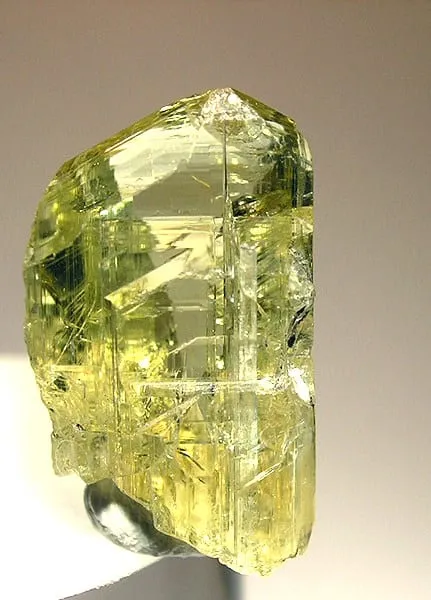
.jpg)
Sources
- Tanzanite Description (Gem Encyclopedia) · GIA
- Tanzanite History and Lore · GIA
- Handbook of Mineralogy: Zoisite · Mineralogical Society of America
External links
Draft: awaiting expert reviewReport an error ↗
On the same step
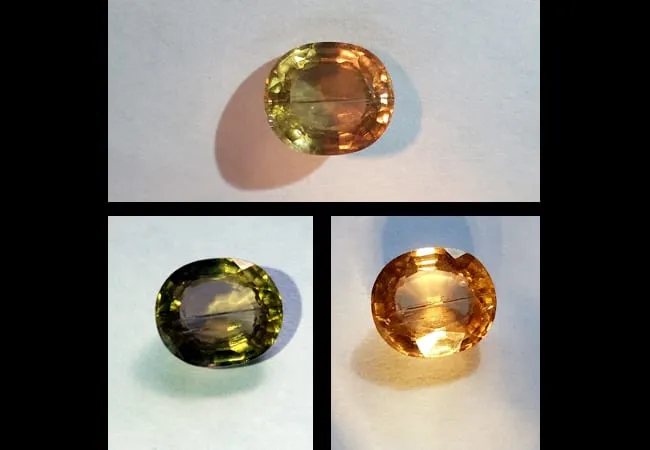
Diaspore
A rare mineral that looks greenish in daylight and pinkish under incandescent light; gem-quality material comes almost only from Muğla.
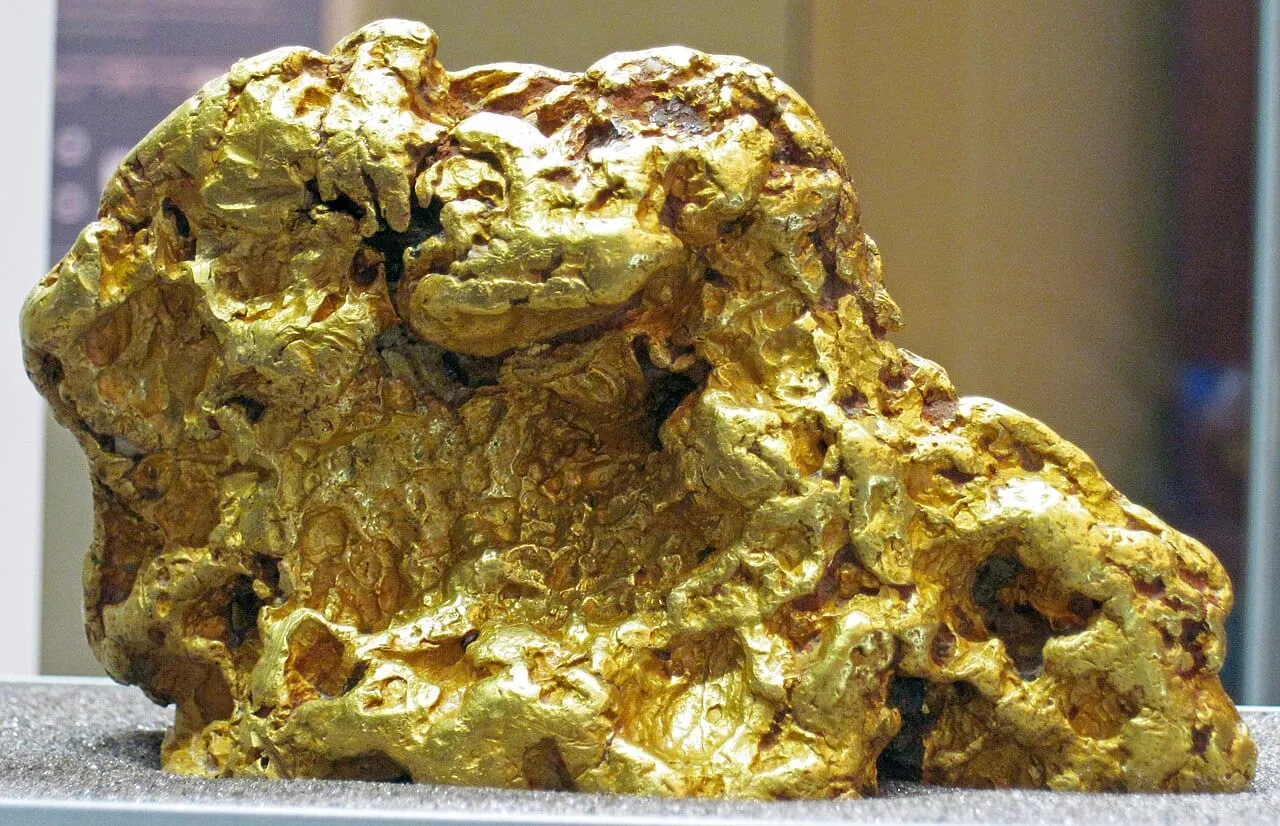
Gold
A heavy, bright yellow metal that occurs pure in nature, never tarnishes and can be hammered into sheets or drawn into wire.
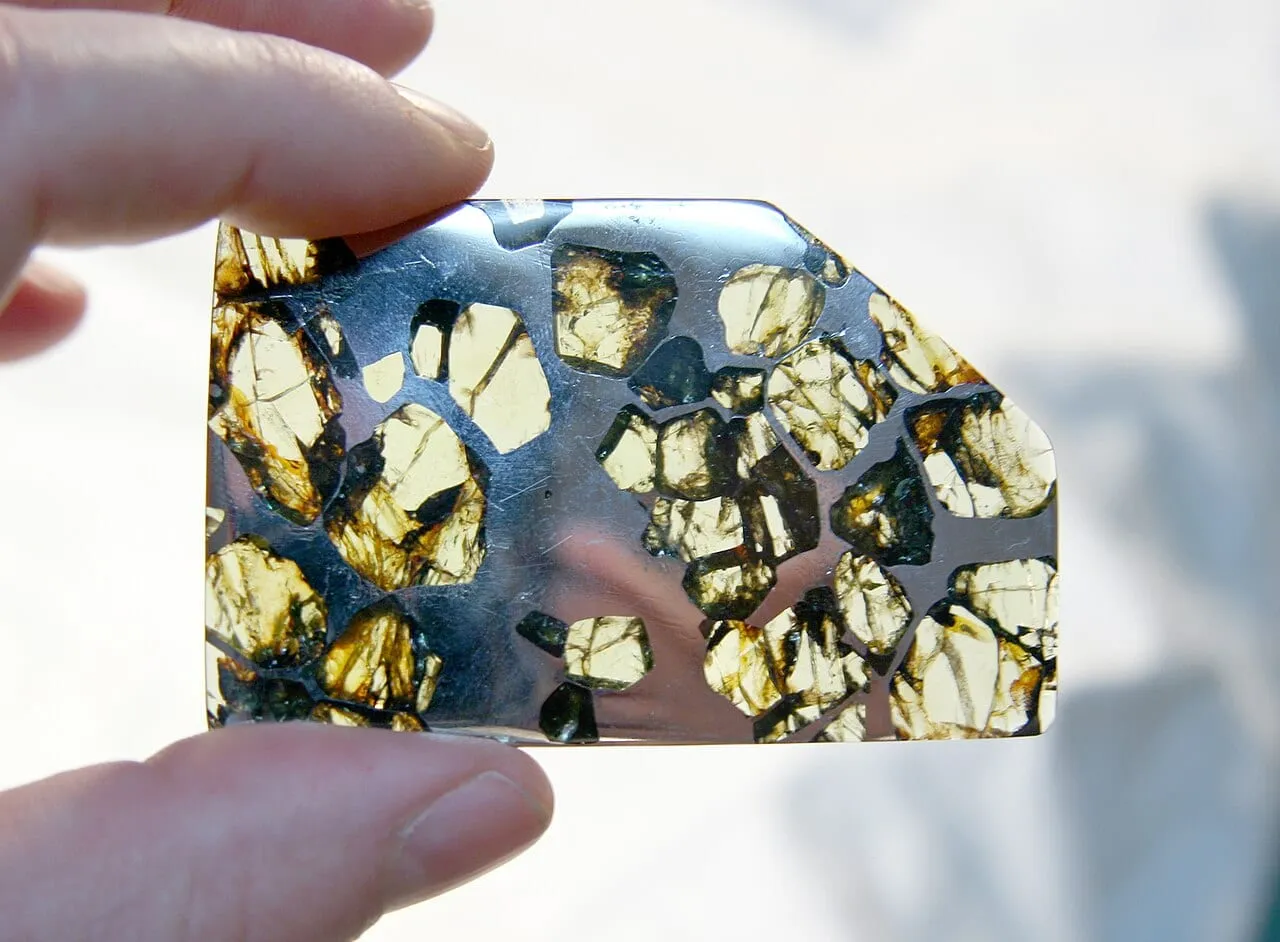
Pallasite
A rare stony-iron meteorite with golden-green olivine crystals set in shining iron–nickel metal, counted among the most beautiful meteorites.