Mineral
Silver
AgGümüş
The best conductor of electricity and heat of all metals; in nature it sometimes grows pure, as curling wires.
Also known as: Native silver · Wire silver
- Ore
- Important in Türkiye
.jpg)
In short
Silver is an element that is sometimes found in nature on its own, as pure metal. Pure silver is bright white, but it reacts with sulfur-bearing gases in the air and slowly turns grey and black. Most silver produced today, however, is a by-product of lead, zinc, copper and gold ores.
How does it form?
Native silver mostly forms in hydrothermal veins, where hot waters circulated through cracks. Sometimes silver-bearing sulfide ores weather near the surface, and the freed silver is deposited again as pure metal. The mines of Kongsberg in Norway are world-famous for their outstanding wire silver. Native silver is relatively rare, though: the main source of silver is the small amounts held in lead, zinc and copper sulfides such as galena.
In Türkiye
Silver mining in Anatolia is very old. Gümüşhane takes its name from the silver mines around the city, and silver coins were also struck there in Ottoman times. These mines have been worked out since the 19th century. Today Türkiye’s largest producing silver deposit is Gümüşköy in Kütahya, where the plant opened in 1987. Silver can also be recovered as a by-product from many of the country’s copper, lead–zinc and gold deposits.
What is it used for?
- Electronics and energy: Its outstanding conductivity makes it valuable in electrical contacts and solar panels.
- Jewellery and tableware: It is usually alloyed with copper to make it harder.
- Mirrors and photography: It forms the reflective layer of mirrors and, as light-sensitive silver compounds, was the basis of traditional photographic film.
How to recognise it
- 1
A fresh surface is bright silver-white; over time it becomes coated with a grey, brown or black tarnish.
- 2
It is soft and malleable (hardness 2.5–3): a knife scratches it easily, and it bends rather than breaks.
- 3
It is very heavy (specific gravity 10–11); similar-looking minerals feel clearly lighter in the hand.
- 4
Native silver often grows as wires, hair-like threads or branching forms; well-formed crystals are rare.
Fakes and imitations
What shops usually don’t tell you:
- Silver plate or nickel silver (German silver): looks like silver but contains no silver, or only a thin surface coating. Check jewellery for a fineness hallmark (for example 925).
- Some collector specimens of “wire silver” were grown artificially in the laboratory by heating silver sulfide; the seller should state this clearly.
- Acidic cleaners used to brighten tarnished native silver can damage its natural surface; over-cleaned specimens lose their natural look.
Did you know?
Of all known metals, silver is the best conductor of both electricity and heat.
Gümüşhane in north-eastern Türkiye is named after its silver mines (gümüş means silver), which were mentioned by Marco Polo and Ibn Battuta.
Where is it found?
Loading map…
- Kongsberg, Norway · Major depositExceptionally developed wire and crystallised silver
- Freiberg, Saxony, Germany · Historic sourceClassic silver-mining district worked for centuries
- Batopilas, Chihuahua, Mexico · Known localityFinely crystallised native silver
- Gümüşhane, Türkiye · Historic sourceThe silver mines that gave the city its name have been worked out since the 19th century
- Gümüşköy, Kütahya, Türkiye · Known localityTürkiye’s largest producing silver deposit; the plant opened in 1987
Locations are approximate to protect sites. Red dots mark places in Türkiye. Open in the big map →
Sources
- Handbook of Mineralogy: Silver · Mineralogical Society of America
- Dünyada ve Türkiye’de Gümüş · MTA Genel Müdürlüğü, Fizibilite Etütleri Daire Başkanlığı, 2021
- Gümüşhane · Encyclopaedia Britannica
External links
Draft: awaiting expert reviewReport an error ↗
On the same step
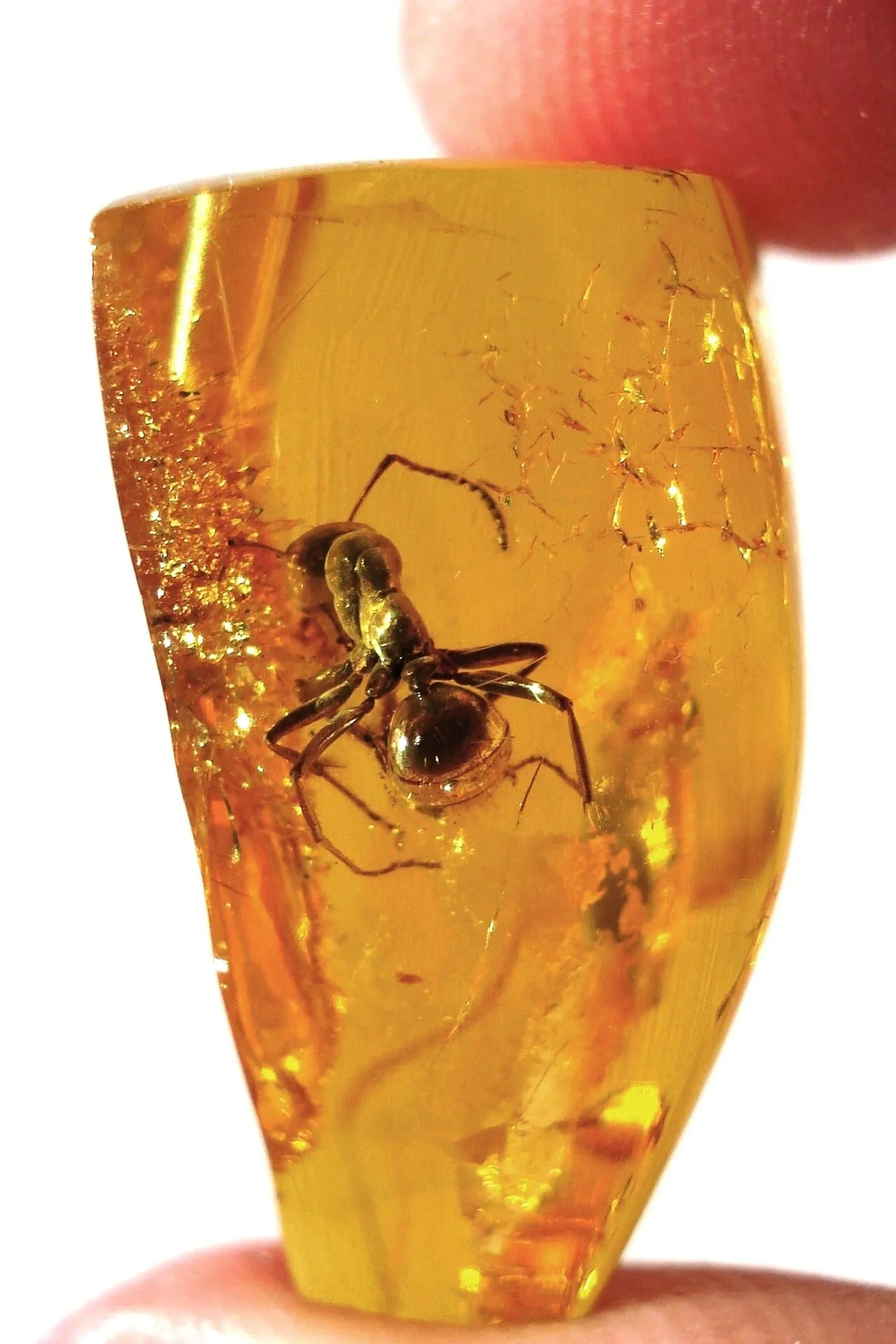
Amber
Tree resin fossilised over millions of years: a light, warm organic gem that sometimes holds prehistoric insects.
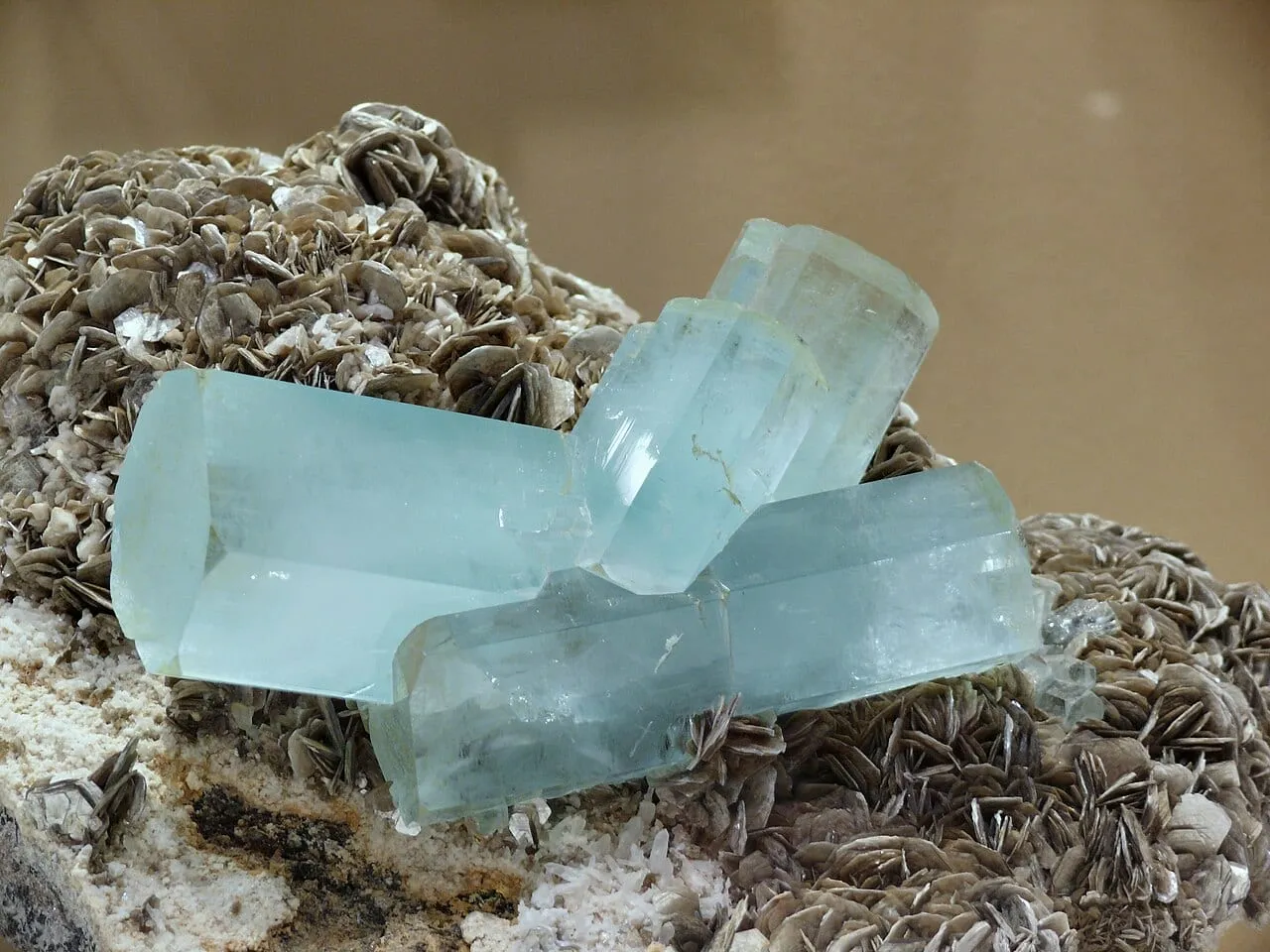
Aquamarine
The blue member of the beryl family, named after seawater: often found as large, clear, nearly flawless crystals.
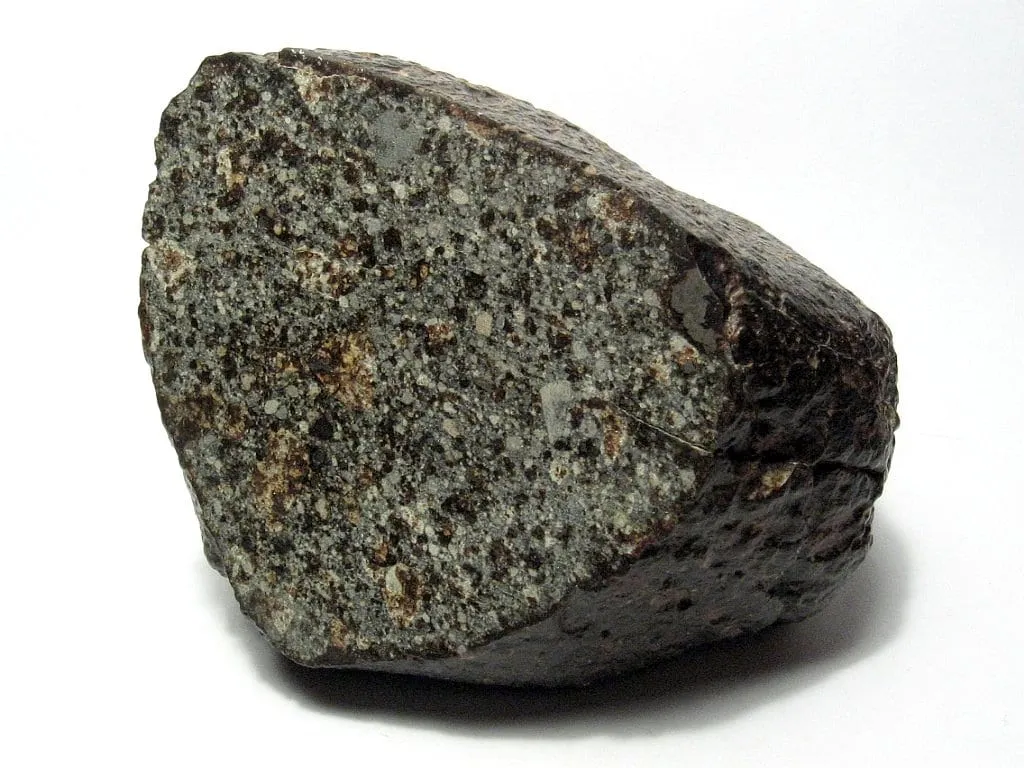
Chondrite
A leftover from the birth of the Solar System, full of tiny once-molten droplets, and the commonest kind of meteorite to fall to Earth.