Mineral
Pyrite
FeS₂Pirit
“Fool’s gold”: the most common sulfide mineral on Earth, looking like gold but far harder, more brittle and lighter.
Also known as: Fool’s gold · Iron pyrite
- Ore
- Industrial
- Ornamental
- Important in Türkiye

In short
Pyrite is a mineral made of iron and sulfur, with a brass-yellow colour and a metallic shine. Because it looks like gold it has fooled people for centuries, which is why it is called “fool’s gold”. It often grows as almost perfect cubes.
How does it form?
Pyrite is the most common sulfide mineral in Earth’s crust and forms in many settings: in ore veins where hot waters circulated, in igneous and metamorphic rocks, and even in oxygen-poor mud on the sea floor. Fossils can turn into pyrite over time. At Navajún in La Rioja, Spain, almost perfect cubes grew inside soft marl beds.
What is it used for?
- Sulfur source: In the past, large amounts of pyrite were processed to make sulfuric acid. Today most sulfur is recovered from refining oil and natural gas.
- Gold: Gold-bearing pyrite is processed in gold production.
- Ornament and collecting: Its bright crystals are collectors’ favourites, and small cut pieces are used in jewellery.
In Türkiye
The Murgul copper deposit in Artvin is a massive sulfide deposit formed in the volcanic rocks of the Eastern Black Sea region; pyrite, together with chalcopyrite, is one of the main minerals of its ore. Chalcopyrite (a copper iron sulfide) also resembles gold, but it is a deeper yellow, much softer, and its surface often tarnishes with iridescent colours.
How to recognise it
- 1
Rubbed on unglazed white porcelain it leaves a greenish-black to brownish-black streak; gold leaves a yellow streak.
- 2
Gold is soft and dents or bends when hit; pyrite is hard (6–6.5) and shatters when hit.
- 3
Gold is much heavier: pure gold has a specific gravity of 19.3, pyrite about 5.
- 4
Crystals are usually cubes or twelve-sided forms with five-sided faces (pyritohedra); cube faces often show fine parallel lines.
Fakes and imitations
What shops usually don’t tell you:
- The small shiny stones sold as “marcasite” in silver jewellery are usually pyrite. True marcasite is a different mineral with the same formula as pyrite.
- In collector specimens, crystals may have been glued back onto the rock or broken crystals repaired; such work should be disclosed by the seller.
- Some specimens are coated with oil or lacquer to keep their shine; coatings should also be disclosed.
Safety
Pyrite is generally harmless to handle. However, specimens kept in damp conditions can slowly react with oxygen and moisture in the air and decay (“pyrite decay”), forming iron sulfates and sulfuric acid. The acid can eat into labels, boxes and nearby specimens. Do not touch specimens covered in a whitish-yellow powder with bare hands, and store pyrite somewhere dry. Heating pyrite releases irritating sulfur dioxide gas.
Did you know?
Its name comes from the Greek “pyr”, meaning fire: struck with steel, it gives off sparks. That is why it was used in the firing mechanism of 16th-century wheellock guns.
Some pyrite contains gold grains too small to see, so in some mines pyrite is processed as a gold ore.
Where is it found?
Loading map…
- Navajún, La Rioja, Spain · Major depositNear-perfect cubic crystals in marl beds
- Huanzala, Huánuco, Peru · Major depositLarge, lustrous collector crystals
- Murgul, Artvin, Türkiye · Known localityVolcanic-hosted massive sulfide copper deposit in the Eastern Black Sea region; pyrite is a main mineral alongside chalcopyrite
- Rio Marina, Elba, Italy · Historic sourceClassic locality for pyrite crystals
Locations are approximate to protect sites. Red dots mark places in Türkiye. Open in the big map →
Sources
- Handbook of Mineralogy: Pyrite · Mineralogical Society of America
- Project Airless: addressing the problem of pyrite oxidation in a large fossil collection · PeerJ Preprints (Natural History Museum, London), 2017
External links
Draft: awaiting expert reviewReport an error ↗
On the same step
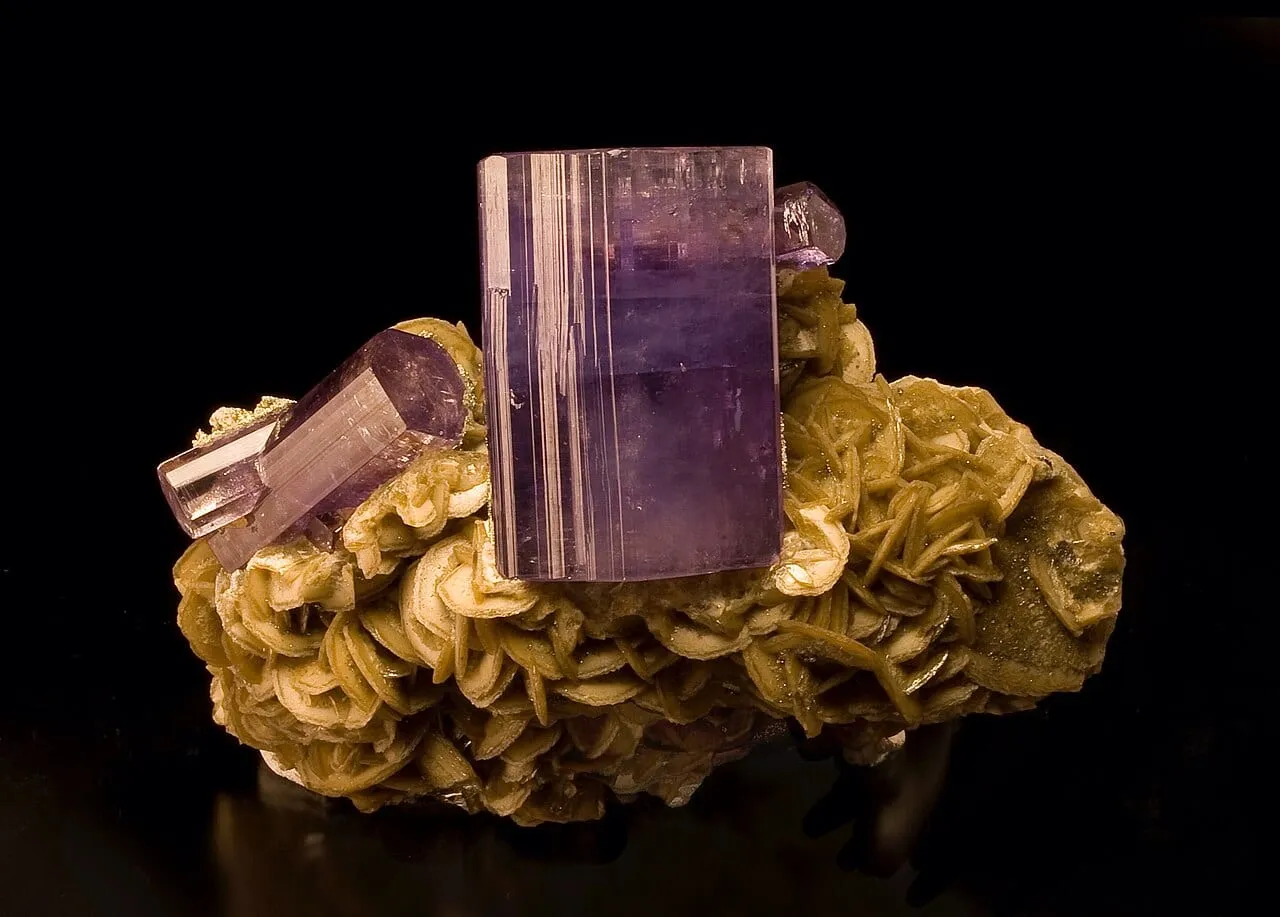
Apatite
A mineral cousin of our teeth and bones, the source of the phosphorus in fertilisers, and number 5 on the Mohs scale.
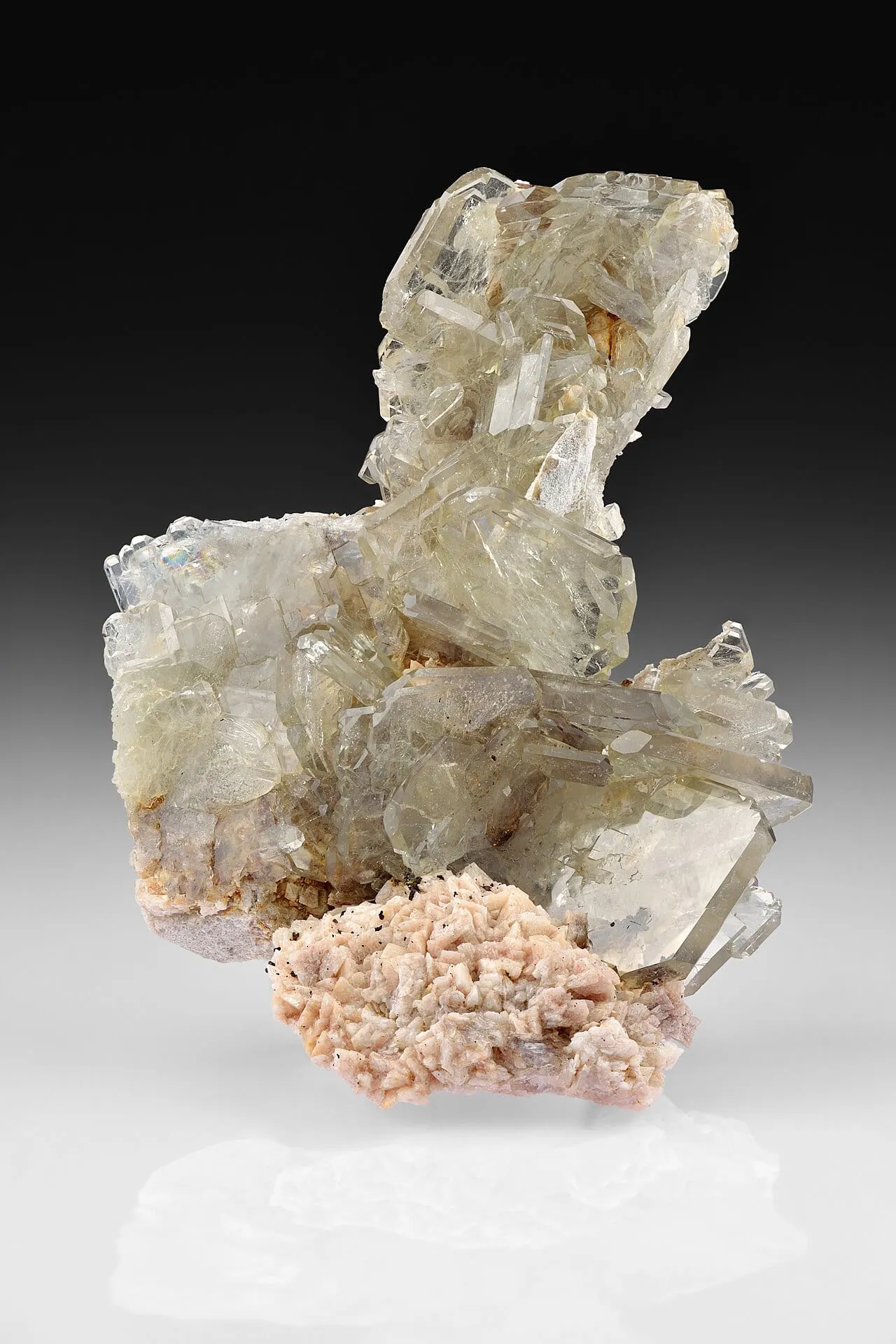
Baryte
A pale barium mineral that feels surprisingly heavy in the hand; even its name comes from the Greek word for heavy.
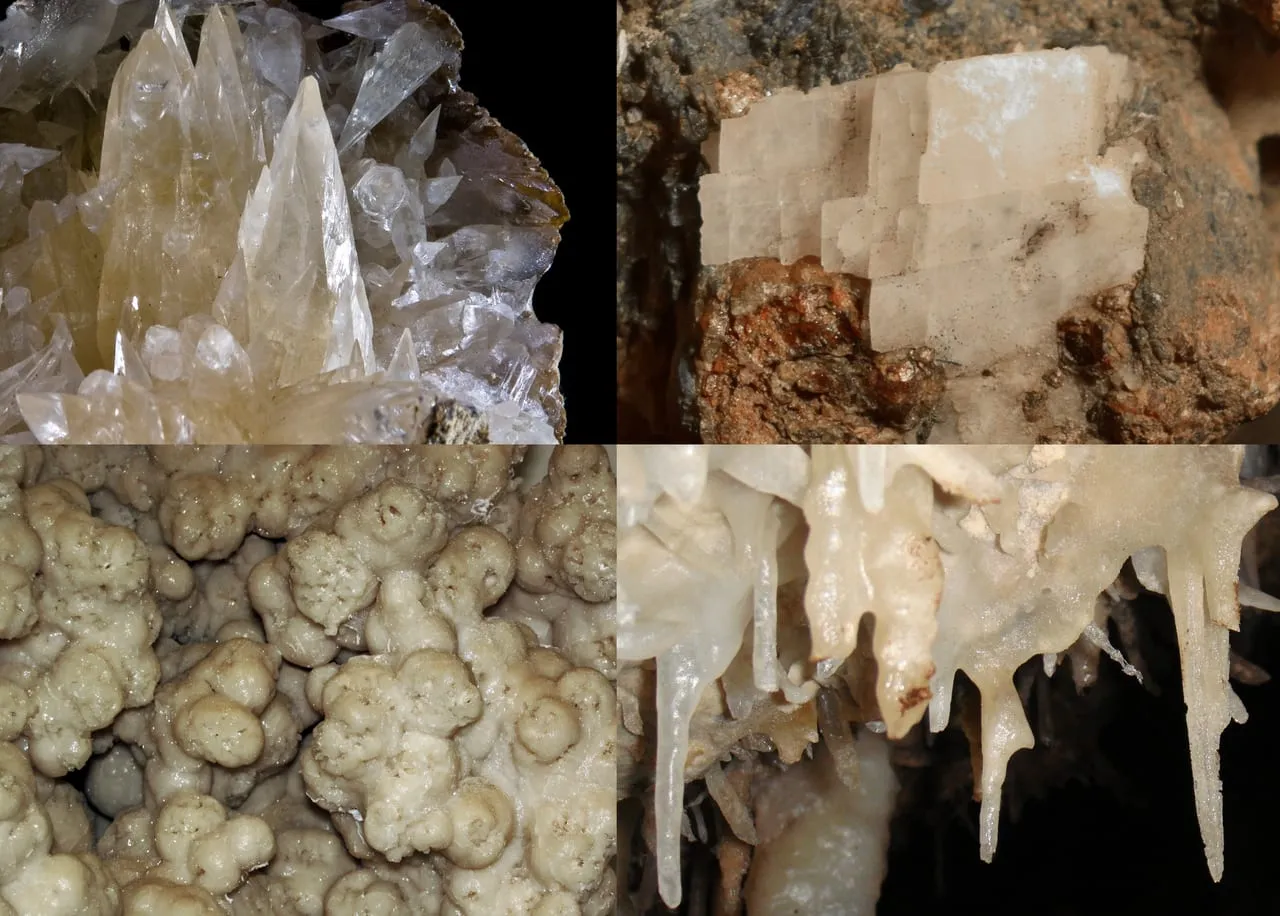
Calcite
The main mineral of limestone, marble and cave stalactites: it fizzes in acid, and its clear crystals show everything double.