VarietyA variety of Quartz
Rose quartz
SiO₂Pembe kuvars
The cloudy pink variety of quartz, coloured by fibres far too fine to see.
Also known as: Pink quartz (for rare transparent crystals)
- Ornamental
- Gemstone
In short
Rose quartz is the translucent variety of quartz whose colour ranges from pale pink to rose pink. It usually occurs not as neat crystals but as large masses inside coarse-grained rocks called pegmatites. Because it is cloudy and soft-looking, it is mostly used for beads, cabochons and carvings.
Where does the pink come from?
The colour of massive rose quartz comes from extremely fine pink fibres scattered through the crystal. They closely resemble the mineral dumortierite, though they may not be exactly the same; they lined up along directions set by the quartz structure as it cooled. These inclusions are also what make rose quartz cloudy.
Separately, there are rare transparent pink quartz crystals that grow in pegmatite pockets. Their colour comes from colour centres involving aluminium and phosphorus, created by natural radiation. Some of these crystals can fade in light over time.
Where is it found?
Massive rose quartz mostly forms in the quartz cores of granite pegmatites. The finest material comes from around Galiléia in the Brazilian state of Minas Gerais. Madagascar, India and Sri Lanka are also sources.
What is it used for?
Because it is translucent, rose quartz is rarely facet-cut; it is made into beads, cabochons, spheres and small carvings. The star effect seen in some pieces is especially prized by carvers. Popular claims that rose quartz has special powers over emotions or health have no scientific support.
How to recognise it
- 1
It is as hard as quartz (7): it scratches glass, and a steel knife cannot scratch it.
- 2
It is almost always milky and translucent; clear, well-shaped pink quartz crystals are very rare.
- 3
Correctly oriented cabochons and spheres can show a six-rayed star of light (asterism).
- 4
Colour that is darker in cracks and pores suggests the stone may have been dyed.
Fakes and imitations
What shops usually don’t tell you:
- Dyed quartz or quartzite: the colour often collects in cracks and along grain boundaries, while the rest of the stone stays paler.
- Pink glass: softer than quartz, may show round air bubbles inside and warms up quickly in the hand.
- Synthetic pink quartz: quartz doped with aluminium and phosphorus is grown in the laboratory and then irradiated. Unlike massive rose quartz, it forms clear crystals.
Did you know?
For a long time its colour was blamed on needles of rutile. A study published in 2001 showed that, in samples from 29 localities worldwide, the colour comes from nanometre-scale pink fibres resembling dumortierite.
Rose quartz is the official state mineral of South Dakota in the USA.
Where is it found?
Loading map…
- Galiléia, Minas Gerais, Brazil · Major depositSource of the finest rose quartz and of rare transparent pink quartz crystals
- Madagascar · Known locality
- Custer area, Black Hills, South Dakota, USA · Known localityKnown for massive rose quartz in pegmatites
Locations are approximate to protect sites. Red dots mark places in Türkiye. Open in the big map →
Family

Sources
- Rose Quartz Description (Gem Encyclopedia) · GIA
- Fibrous nanoinclusions in massive rose quartz: The origin of rose coloration (Goreva, Ma & Rossman), American Mineralogist 86 · Mineralogical Society of America, 2001
External links
Draft: awaiting expert reviewReport an error ↗
On the same step
Agate
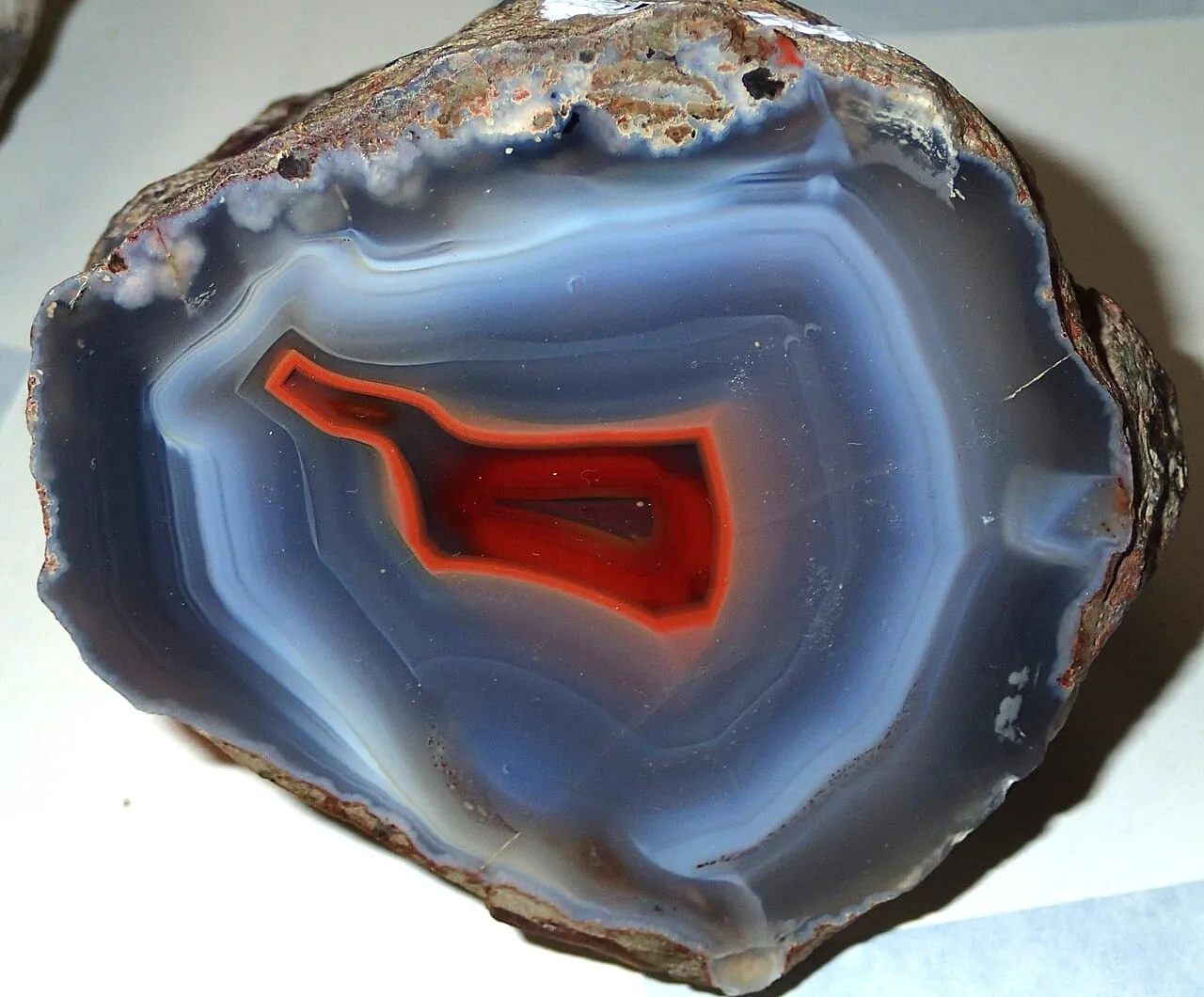
The banded variety of chalcedony: it grows layer by layer in hollows in volcanic rock and shows a new pattern every time it is cut.
Amethyst
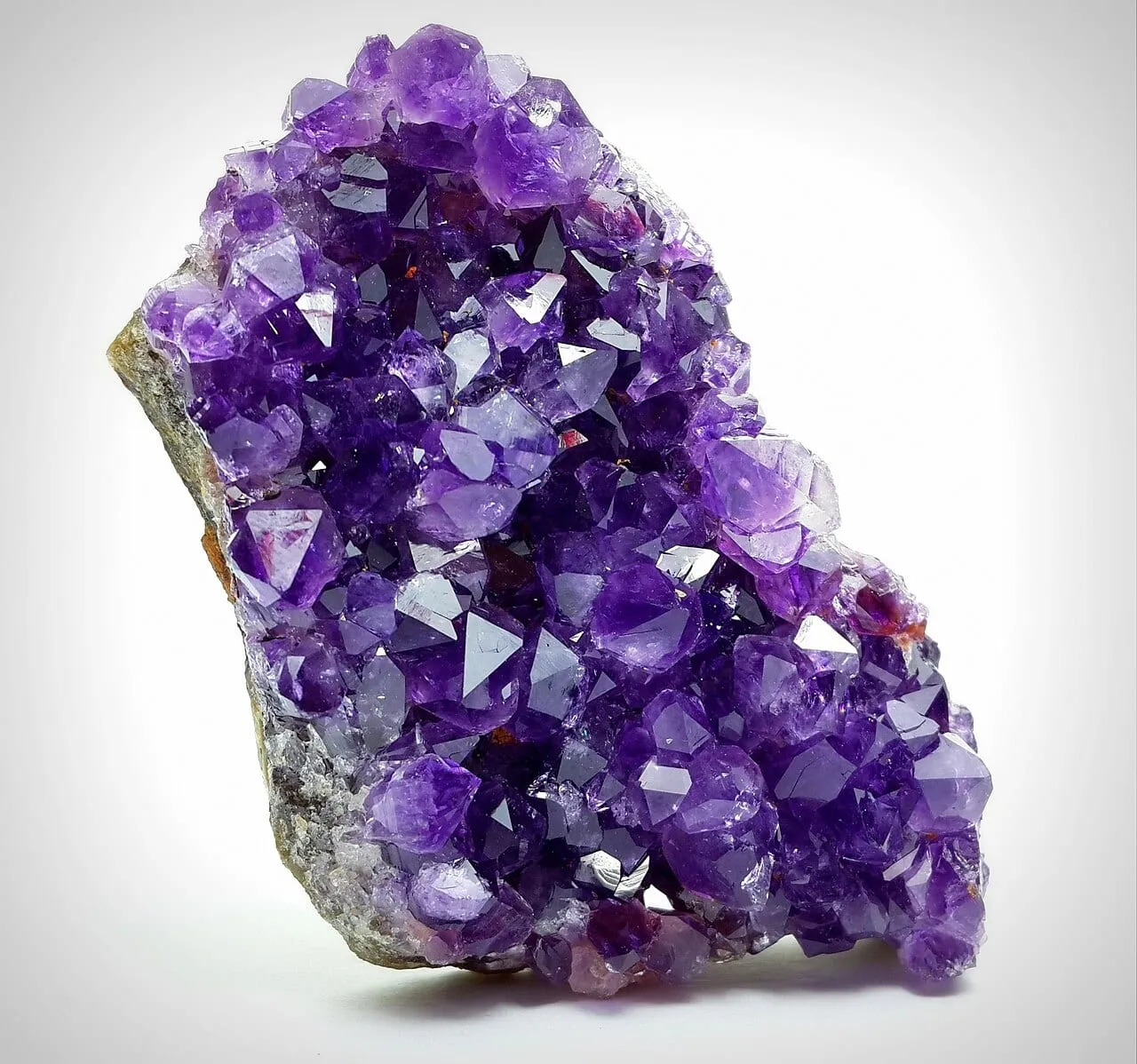
The purple variety of quartz, coloured by traces of iron working together with natural radiation.
Azurite
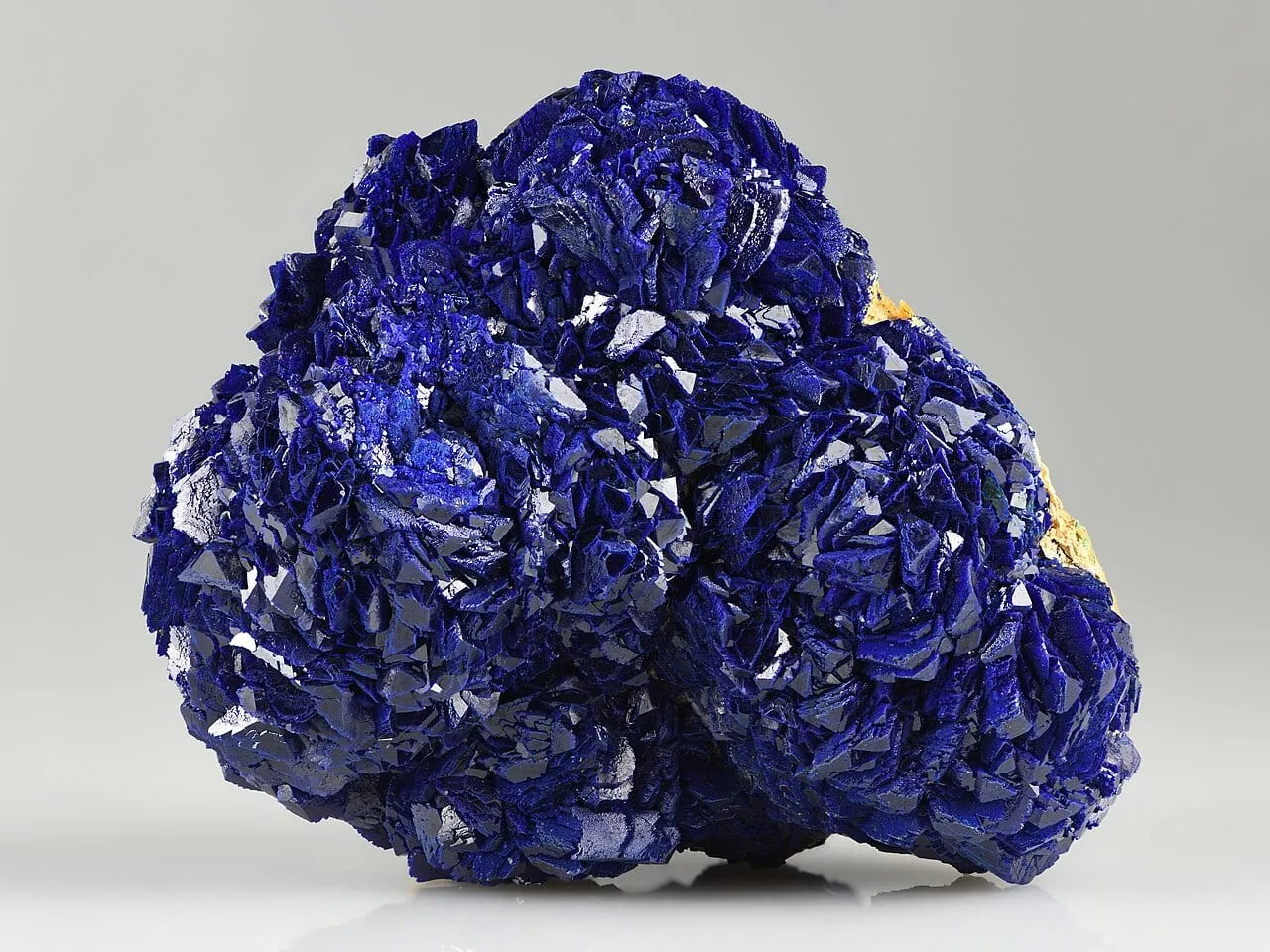
A deep blue copper mineral that was the most important blue pigment of medieval and Renaissance painters.