Rock
Ignimbrite
İgnimbirit
The rock left by glowing avalanches of hot ash — the stone of the Seljuk gravestones of Ahlat.
Also known as: Ash-flow tuff · Welded tuff (welded varieties) · Ahlat stone (local name of the ignimbrite of Ahlat, Türkiye) · Sillar (Arequipa, Peru)
- Building stone
- Important in Türkiye

In short
Ignimbrite is a rock made from the deposits of fast-moving clouds of hot ash, pumice and gas that rush down a volcano’s slopes during huge eruptions. If the material is still very hot when it settles, the grains fuse together into a hard stone. Because it is easy to work, it has been used for centuries in Ahlat, in Türkiye’s Bitlis province, for buildings and gravestones.
Photos

How does it form?
In large explosive eruptions, the column of ash and pumice blasted into the air can collapse under its own weight and turn into a glowing avalanche of hot gas and ash that races down the slopes close to the ground (a pyroclastic flow). These flows fill valleys, sweep over hills and can travel many kilometres. The mixture of ash, pumice and rock fragments they leave behind when they stop is called ignimbrite. If the material is still very hot when it settles, the glass shards soften under their own weight and fuse into a hard, dense welded tuff; parts that settle cooler remain soft and porous.
Ignimbrite in Türkiye
Around Ahlat, on the north-western shore of Lake Van, there are layers of ignimbrite laid down by eruptions of the region’s volcanoes. This light, easily carved stone in shades of red, brown, black and beige is known locally as “Ahlat stone”. The carved gravestones of the Ahlat Seljuk Cemetery, which is on UNESCO’s World Heritage Tentative List, and nearby monuments are made of this ignimbrite. However, the stone’s high porosity and capillary water uptake have caused serious decay of the gravestones over the centuries.
The Nevşehir plateau in Cappadocia is also covered by a stack of many ignimbrite sheets laid down over millions of years; they make up much of the soft volcanic rock of the fairy-chimney landscape.
How to recognise it
- 1
Pale pumice fragments and dark rock chips of many sizes sit in a fine ash matrix; the grains are not sorted by size.
- 2
In welded varieties the pumice fragments are flattened into dark, flame-shaped lenses (fiamme).
- 3
Unwelded varieties are light, porous and easy to carve; welded varieties are harder and denser.
- 4
It does not fizz in dilute acid, which tells it apart from limestone and travertine that can look similar.
Fakes and imitations
What shops usually don’t tell you:
- Local stone names do not reveal the rock type: “Ahlat stone” is called andesite in some sources, but scientific studies show that it is ignimbrite.
- Welded ignimbrite can be mistaken for lava; look for flattened pumice lenses and angular rock fragments to tell them apart.
- Ignimbrites sold as dressed stone vary widely in durability; porous types soak up water by capillary action and can crumble over time.
Did you know?
The 1912 eruption of Novarupta in Alaska was the largest volcanic eruption of the 20th century; its ignimbrite filled the valley later named the “Valley of Ten Thousand Smokes”.
The historic centre of Arequipa in Peru is built largely of white and pinkish ignimbrite called “sillar”, and has been on the UNESCO World Heritage List since 2000.
Where is it found?
Loading map…
- Ahlat, Bitlis, Türkiye · Historic sourceThe ignimbrite known locally as “Ahlat stone” was used for the gravestones of the Ahlat Seljuk Cemetery, on UNESCO's World Heritage Tentative List, and for nearby monuments.
- Nevşehir Plateau, Cappadocia, Türkiye · Major depositA plateau covered by a stack of Neogene ignimbrite sheets, which make up much of the soft volcanic rock of the fairy-chimney landscape.
- Valley of Ten Thousand Smokes, Katmai, Alaska, USA · Major depositThe ignimbrite of the 1912 Novarupta eruption, the largest eruption of the 20th century, fills the valley.
- Arequipa, Peru · Historic sourceIts historic centre is built mostly of white and pinkish ignimbrite called “sillar”; on the UNESCO World Heritage List since 2000.
Locations are approximate to protect sites. Red dots mark places in Türkiye. Open in the big map →
Sources
- Ash-flow tuff · Encyclopaedia Britannica
- Experimental studies on ignimbrite and the effect of lichens and capillarity on the deterioration of Seljuk Gravestones (Özvan et al.) · Engineering Geology, 2015
- Stratigraphy and age of the Cappadocia ignimbrites, Turkey (Le Pennec et al.) · Journal of Volcanology and Geothermal Research, 2005
- The Novarupta-Katmai eruption of 1912 — largest eruption of the twentieth century; centennial perspectives · U.S. Geological Survey, Professional Paper 1791, 2012
- Historical Centre of the City of Arequipa · UNESCO World Heritage Centre
External links
Draft: awaiting expert reviewReport an error ↗
On the same step
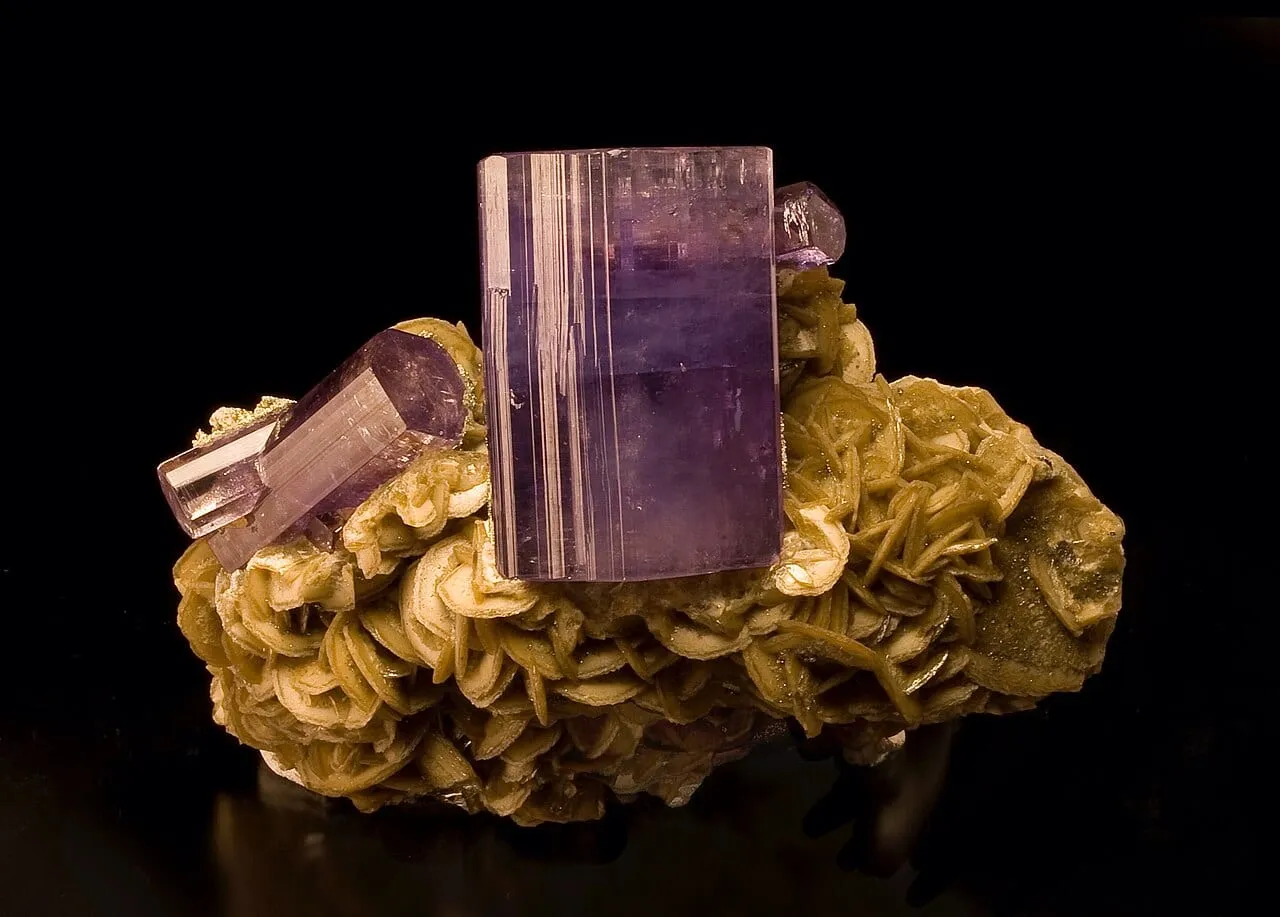
Apatite
A mineral cousin of our teeth and bones, the source of the phosphorus in fertilisers, and number 5 on the Mohs scale.
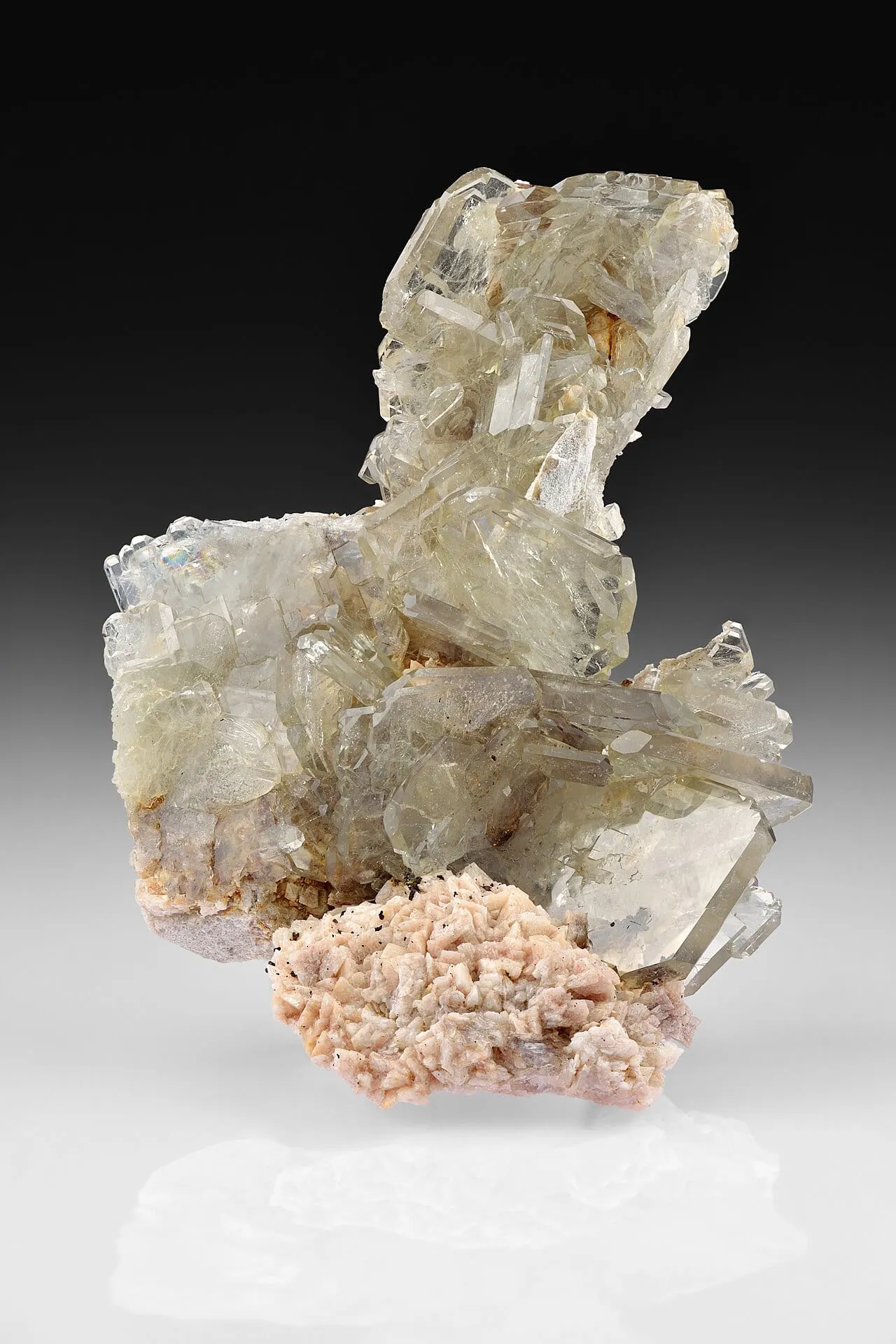
Baryte
A pale barium mineral that feels surprisingly heavy in the hand; even its name comes from the Greek word for heavy.
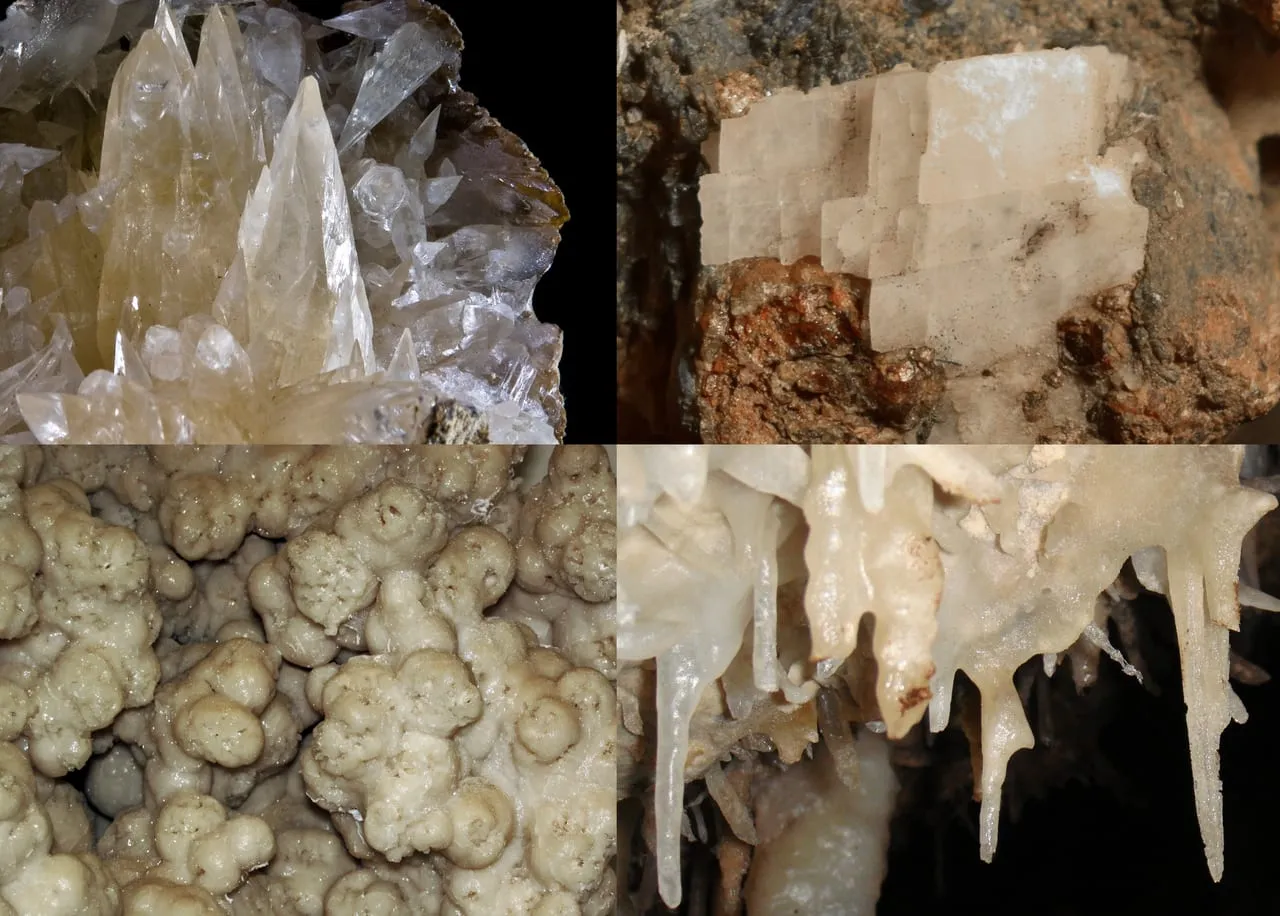
Calcite
The main mineral of limestone, marble and cave stalactites: it fizzes in acid, and its clear crystals show everything double.