Mineral
Copper
CuBakır
One of the first metals people ever worked: in nature it sometimes occurs pure, as reddish, easily hammered masses and branches.
Also known as: Native copper
- Ore
- Important in Türkiye

In short
Copper is sometimes found in nature as pure metal, not combined with other elements. A freshly cut surface is pinkish red, but it soon turns brown in air and may later gain a green crust. It is soft enough to be shaped even with stone tools, which is why it was one of the first metals people used.
How does it form?
Native copper mostly forms near the surface of copper sulfide deposits as the ore weathers: dissolved copper is deposited again as pure metal where conditions are right. Elsewhere, hot waters carried copper straight into cavities and cracks in lava rocks. On the Keweenaw Peninsula in the USA, masses of native copper weighing many tonnes have been found in basalt lavas. Even so, most of the world’s copper is produced not from native copper but from copper sulfides such as chalcopyrite.
In Türkiye
At the Neolithic settlement of Çayönü, near Ergani in Diyarbakır, excavations showed that native copper was hammered into small objects such as beads, pins and awls. These finds are counted among the oldest known metal objects in the world. Today copper in Türkiye is produced not from native copper but from chalcopyrite in volcanic-hosted massive sulfide deposits such as Murgul, Küre and Çayeli.
What is it used for?
- Electricity: It conducts electricity very well, so it is the main material of cables and motor windings.
- Plumbing and building: It is used for water pipes, roofing and heat exchangers.
- Alloys: With tin it forms bronze, and with zinc, brass. Bronze was important enough to give its name to an age.
How to recognise it
- 1
A fresh surface is copper-red; the outside is often covered by a brown tarnish or a green crust (of minerals such as malachite).
- 2
It is malleable: a hammer blow flattens and bends it instead of breaking it. A knife scratch leaves a bright, red mark.
- 3
It is heavy (specific gravity about 8.9) and feels much heavier than a stone of the same size.
- 4
It usually forms branches, leaves, wires or irregular masses; a broken surface is jagged and hackly.
Fakes and imitations
What shops usually don’t tell you:
- Some pieces sold as native copper are really cast or scrap copper. Natural specimens are usually irregular in shape and often have rock attached or enclosed.
- Collector specimens may have been cleaned with acid to remove the natural green and brown coating; this changes their natural look and should be disclosed by the seller.
- Copper ores such as chalcopyrite contain copper but are not metal: they are yellow, cannot be hammered and crumble easily.
Did you know?
The Latin name of copper, “cuprum”, comes from Cyprus, the island where copper was mined in antiquity.
Old copper roofs and statues turn green because copper slowly reacts with moisture and gases in the air, forming a thin green layer on its surface.
Where is it found?
Loading map…
- Keweenaw Peninsula, Michigan, USA · Major depositHuge masses and large crystals of native copper in basalt lavas
- Corocoro, La Paz, Bolivia · Known localityOld mining district known for native copper specimens
- Troodos Mountains, Cyprus · Historic sourceFamous copper source of antiquity; the metal’s Latin name “cuprum” comes from Cyprus
- Çayönü, Ergani, Diyarbakır, Türkiye · Historic sourceNeolithic settlement; beads and pins hammered from native copper, among the oldest known metal objects
Locations are approximate to protect sites. Red dots mark places in Türkiye. Open in the big map →
Sources
- Handbook of Mineralogy: Copper · Mineralogical Society of America
- Türkiye ve Dünyada Bakır · MTA Genel Müdürlüğü, Fizibilite Etütleri Dairesi Başkanlığı, 2021
External links
Draft: awaiting expert reviewReport an error ↗
On the same step
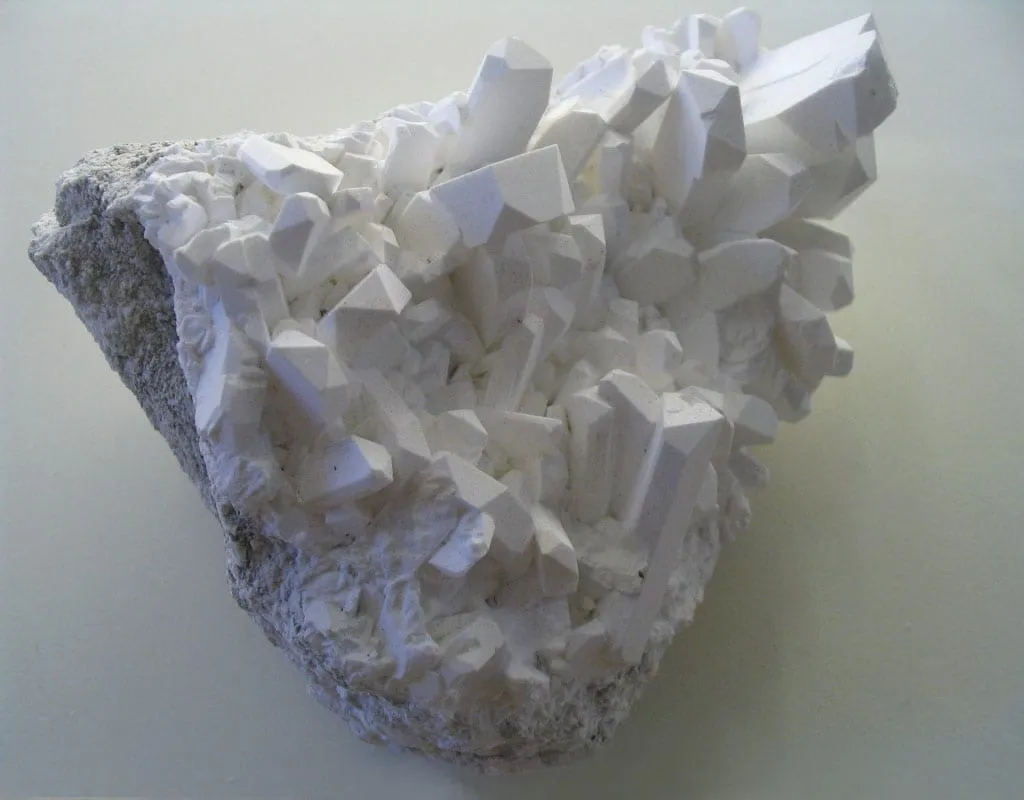
Borax (tincal)
A sodium borate that dissolves in water and crumbles to white powder in dry air; one of the world’s key tincal deposits is at Kırka in Eskişehir.
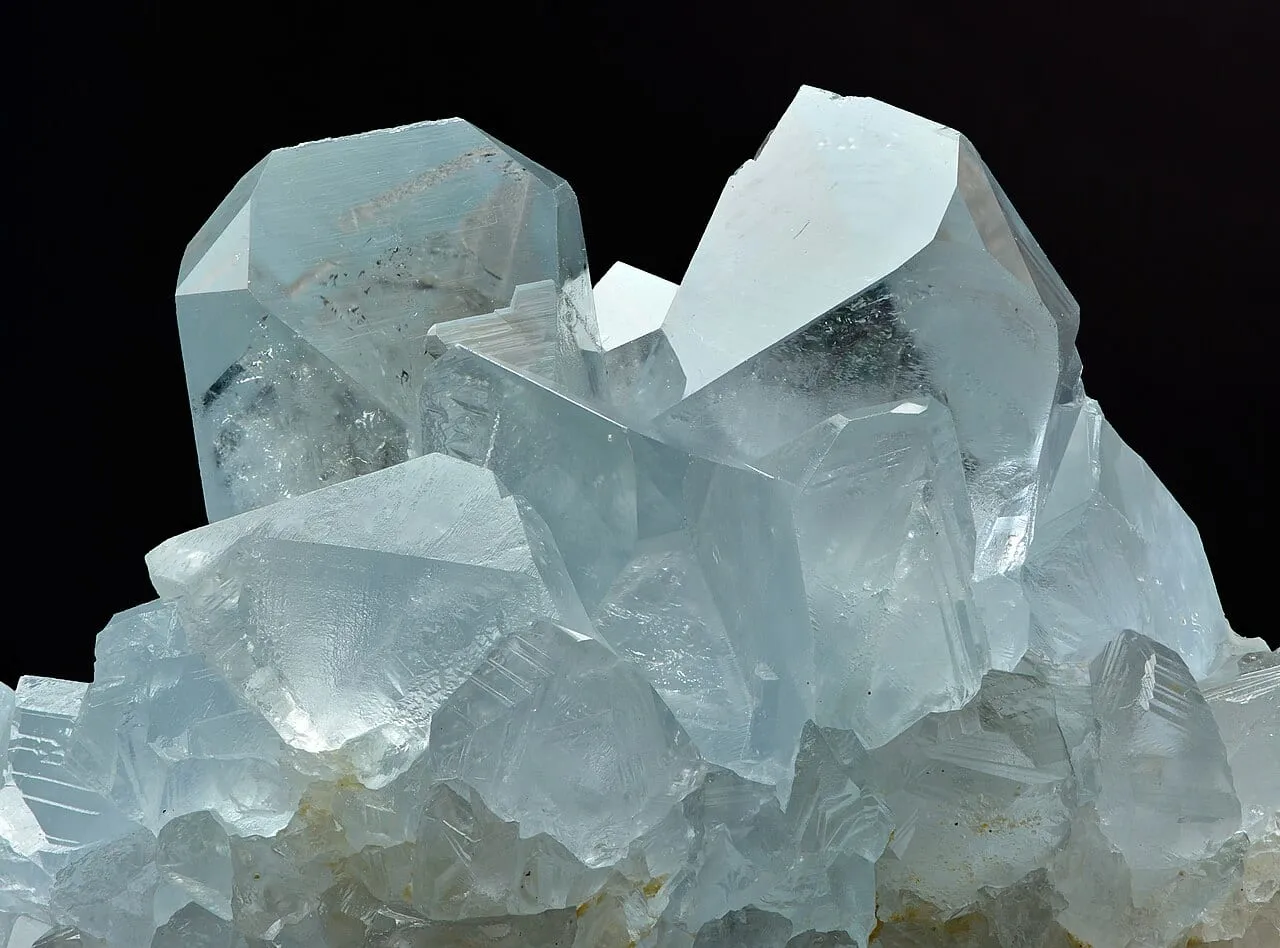
Celestine
A strontium mineral named after the sky, often forming pale blue crystals; the source of the red in fireworks.
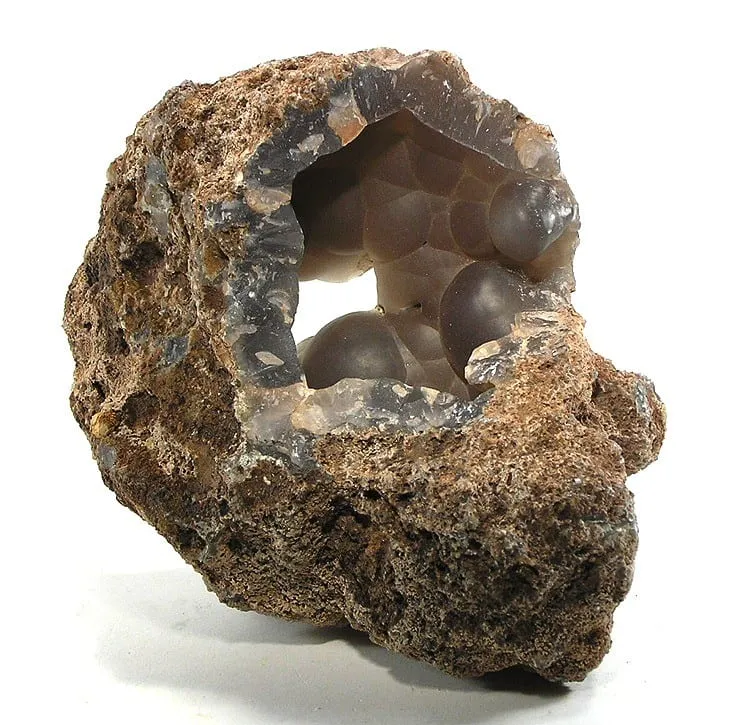
Chalcedony
A waxy-lustred stone made of quartz crystals far too small to see: the family name for agate, onyx and many other ornamental stones.