Everyday name
Lignite, hard coal and coke
Linyit, taşkömürü ve kok
The coals people know: brown, moist, low-heat lignite; hard, jet-black hard coal; and grey, porous coke, which is made from hard coal in ovens.
Also known as: Brown coal · Hard coal · Bituminous coal · Anthracite · Coke · Coal briquettes
- Popularly: Ore and raw material
- Everyday
- Industrial
- Important in Türkiye
- Handle with care
In short
Coal is not a single stone but a series of rocks formed over millions of years as plant remains that piled up in swamps were buried and transformed by heat and pressure. The further the transformation has gone, the harder, blacker and richer in carbon the coal is, and the more heat it gives off when burned. The youngest and lowest-quality coal most people know is lignite: brownish, moist and crumbly. Hard coal (bituminous coal) is harder, jet black and shiny, and anthracite is the shiniest and most highly transformed coal. Coke, however, is not a natural coal but a grey, porous fuel made by heating hard coal without air at about 1,000 °C. Almost all the coal mined in Türkiye is lignite; hard coal is mined only at Zonguldak, and most of the hard coal Türkiye uses is imported.
In scientific terms
This is an everyday name; in science it means these stones:
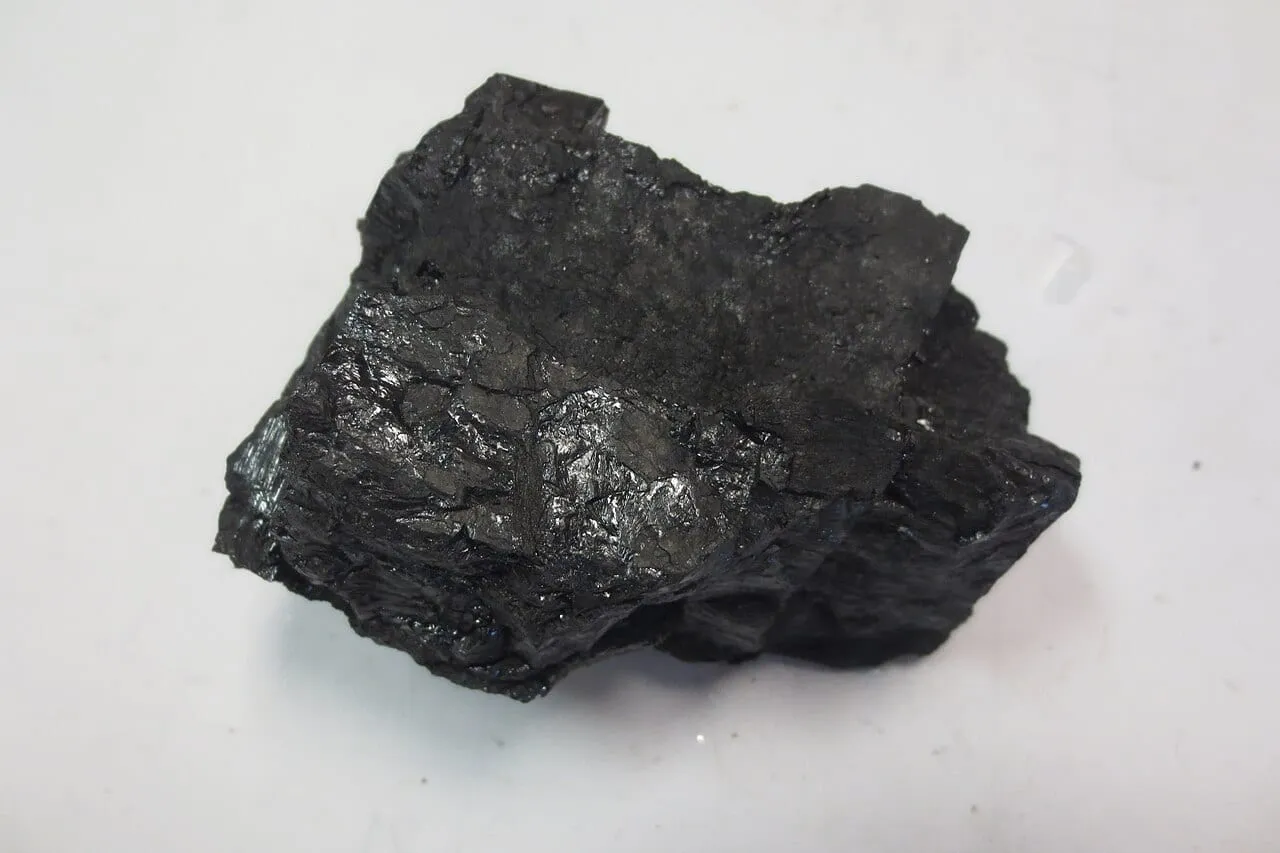

How do the types of coal form?
Plants that die in swamp forests pile up under water without fully rotting and form peat. As peat is buried under sediment it is compacted, loses water and gases, and its carbon content rises. In this process, called coalification, peat turns first into lignite, then, under deeper and hotter conditions, into sub-bituminous coal, bituminous coal (hard coal) and finally anthracite. The “brown coal” people talk about is lignite, while “hard coal” means bituminous coal and anthracite. Coke is not part of this series: it is made by people, by heating hard coal without air in coke ovens.
What is it used for?
- Electricity: According to EURACOAL, coal supplied about 31 percent of Türkiye’s electricity in 2021. Lignite is mostly burned in power stations next to the mines.
- Heating: In many homes, especially where there is no natural gas, coal is still the fuel for stoves.
- Steel: Coke is used in blast furnaces to smelt and reduce iron ore.
- Industry: It is burned as fuel in cement works and other industrial kilns.
Coal and air pollution in Türkiye
Türkiye’s largest lignite basin is Afşin-Elbistan in Kahramanmaraş, with about 7 billion tonnes of economically recoverable reserves; the basins of Soma, Tunçbilek, Muğla and Kütahya are also important. Hard coal is mined only in the Zonguldak basin on the Black Sea coast. Low-quality lignite burned in cities and in the oldest power stations is one of the main causes of air pollution in Türkiye; in winter, when high pressure traps pollutants near the ground, air quality in cities gets noticeably worse. Coal mining has also taken a heavy toll: on 13 May 2014 a fire in the Eynez coal mine in Soma, Manisa, killed 301 miners, the deadliest mining accident in Türkiye’s history.
What determines its value?
The value of coal depends on its calorific value, its moisture, ash and sulfur content, and its lump size. Hard coal and anthracite give far more heat than the same weight of lignite. Hard coal suitable for making coke for steel is the most sought-after kind. Lignite, being moist and low in heat, is not worth transporting far; most of it is burned in power stations next to the mine. Heating coal is also graded and sold by lump size.
This information is educational, not buying, selling or investment advice. Value varies enormously with quality and treatment.
How to recognise it
- 1
Lignite is brown or brownish black and looks dull; it cracks and crumbles as it dries, and a woody texture can sometimes be seen in it. Rubbed on unglazed porcelain, it leaves a brown streak.
- 2
Hard coal is black with shiny and dull bands, harder than lignite, and blackens your hands; it leaves a black streak on porcelain.
- 3
Anthracite is the hardest and shiniest coal; it gleams almost like metal and hardly dirties the hands.
- 4
Coke is silvery grey, spongy and porous, and lighter than a piece of coal of the same size; it burns with very little smoke.
Fakes and imitations
What shops usually don’t tell you:
- The charcoal sold for barbecues is not coal in the geological sense; it is made by burning wood without air.
- Coal briquettes are made by pressing coal dust with a binder into moulds; they are not natural lumps of coal.
- Some heating coal sold as “high-calorie” may be low-quality lignite or a blend; ask the seller about its calorific value and its moisture, ash and sulfur content.
Safety
Coal stoves, barbecues and coal-fired heaters burning in closed, unventilated spaces can cause carbon monoxide poisoning. This gas is colourless and odourless; it causes headache, dizziness, nausea, weakness and drowsiness, and can kill sleeping people before they notice anything. Have stove chimneys cleaned regularly, never use a barbecue indoors, and if symptoms appear, get into fresh air at once and call the emergency services. Smoke from low-quality coal also pollutes the air with fine dust and sulfur dioxide.
Myths and misconceptions
MythLignite and hard coal are the same coal under different names.
FactLignite is a younger, less transformed coal: moister, lower in carbon and lower in heat. Hard coal has been exposed to heat and pressure deeper and for longer; it is harder and blacker and gives off much more heat when burned.
MythCoke is a kind of coal found in nature.
FactCoke does not occur in nature; it is made by heating suitable hard coal in airless ovens at about 1,000 °C to drive off its gases. It is porous, hard and very rich in carbon, and in the blast furnace it serves both as fuel and as the agent that reduces iron ore to iron.
MythStove poisoning only happens when there is smoke or a smell.
FactThe carbon monoxide that causes poisoning is colourless and odourless, and it can build up in a room with no smoke or smell. Rooms with stoves and barbecues should be ventilated and, if possible, fitted with a carbon monoxide detector.
Did you know?
In 1709 in England, Abraham Darby built the first blast furnace that smelted iron with coke instead of charcoal. Blast furnaces could then grow larger and iron became cheaper, opening the way to the Industrial Revolution.
According to EURACOAL, Türkiye produced about 80.9 million tonnes of lignite in 2022 but only 1.4 million tonnes of hard coal, and imported 34.7 million tonnes of hard coal.
Only about 5 percent of Türkiye’s lignite reserves have a calorific value above 3,000 kilocalories per kilogram; most Turkish lignite is moist, ash-rich and low in heat.
Where is it found?
Loading map…
- Soma, Manisa, Türkiye · Historic sourceOne of Türkiye's main lignite basins; on 13 May 2014 a fire in the Eynez coal mine killed 301 miners.
Locations are approximate to protect sites. Red dots mark places in Türkiye. Open in the big map →
Frequently asked questions
What is lignite, hard coal and coke?
Coal is not a single stone but a series of rocks formed over millions of years as plant remains that piled up in swamps were buried and transformed by heat and pressure. The further the transformation has gone, the harder, blacker and richer in carbon the coal is, and the more heat it gives off when burned. The youngest and lowest-quality coal most people know is lignite: brownish, moist and crumbly. Hard coal (bituminous coal) is harder, jet black and shiny, and anthracite is the shiniest and most highly transformed coal. Coke, however, is not a natural coal but a grey, porous fuel made by heating hard coal without air at about 1,000 °C. Almost all the coal mined in Türkiye is lignite; hard coal is mined only at Zonguldak, and most of the hard coal Türkiye uses is imported.
What is lignite, hard coal and coke used for?
Electricity: According to EURACOAL, coal supplied about 31 percent of Türkiye’s electricity in 2021. Lignite is mostly burned in power stations next to the mines. Heating: In many homes, especially where there is no natural gas, coal is still the fuel for stoves. Steel: Coke is used in blast furnaces to smelt and reduce iron ore. Industry: It is burned as fuel in cement works and other industrial kilns.
Where is lignite, hard coal and coke found?
Its best-known localities: Soma, Manisa, Türkiye.
Where is lignite, hard coal and coke found in Türkiye?
Known localities in Türkiye: Soma, Manisa, Türkiye.
How can you tell if lignite, hard coal and coke is real?
Lignite is brown or brownish black and looks dull; it cracks and crumbles as it dries, and a woody texture can sometimes be seen in it. Rubbed on unglazed porcelain, it leaves a brown streak. Hard coal is black with shiny and dull bands, harder than lignite, and blackens your hands; it leaves a black streak on porcelain. Anthracite is the hardest and shiniest coal; it gleams almost like metal and hardly dirties the hands. The charcoal sold for barbecues is not coal in the geological sense; it is made by burning wood without air.
Is lignite, hard coal and coke valuable?
On the “street to diamond” value ladder it sits on step 2 of nine: Raw material by the tonne. The value of coal depends on its calorific value, its moisture, ash and sulfur content, and its lump size. Hard coal and anthracite give far more heat than the same weight of lignite. Hard coal suitable for making coke for steel is the most sought-after kind. Lignite, being moist and low in heat, is not worth transporting far; most of it is burned in power stations next to the mine. Heating coal is also graded and sold by lump size.
Is lignite, hard coal and coke dangerous?
Coal stoves, barbecues and coal-fired heaters burning in closed, unventilated spaces can cause carbon monoxide poisoning. This gas is colourless and odourless; it causes headache, dizziness, nausea, weakness and drowsiness, and can kill sleeping people before they notice anything. Have stove chimneys cleaned regularly, never use a barbecue indoors, and if symptoms appear, get into fresh air at once and call the emergency services. Smoke from low-quality coal also pollutes the air with fine dust and sulfur dioxide.
Sources
- Country profiles: Türkiye · EURACOAL
- Coal · Encyclopaedia Britannica
- Air pollution in Turkey · Wikipedia
- Soma mine disaster · Wikipedia
- Carbon Monoxide Poisoning Basics · Centers for Disease Control and Prevention (CDC)
- Coke (fuel) · Wikipedia
External links
Draft: awaiting expert reviewReport an error ↗
On the same step
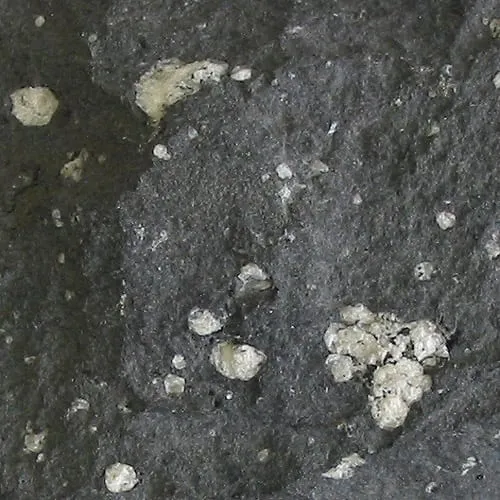
Andesite
The rock of volcanic arcs, named after the Andes — and the pink-grey stone of Ankara Castle.
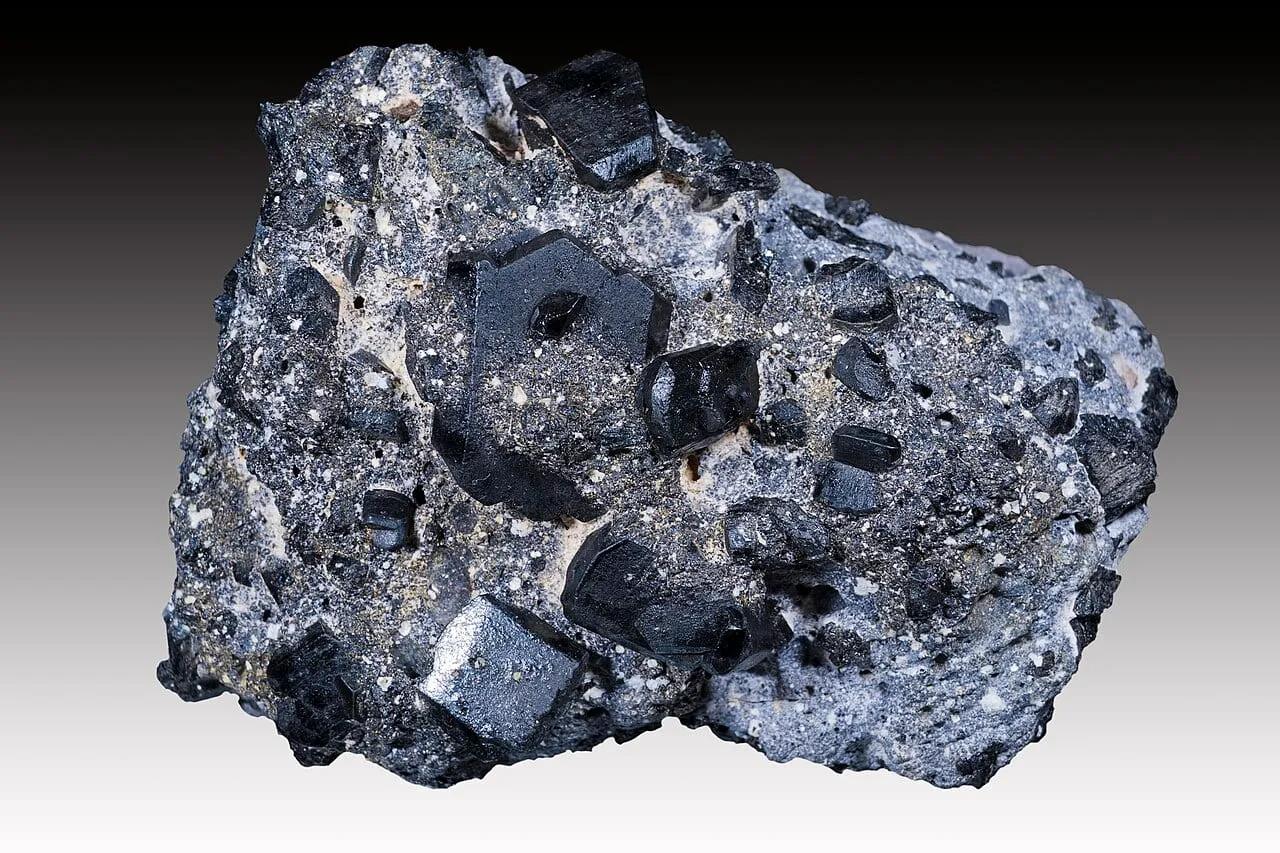
Augite (pyroxene)
The most common pyroxene, which darkens basalt and gabbro: inconspicuous, yet one of the key building blocks of Earth’s crust.
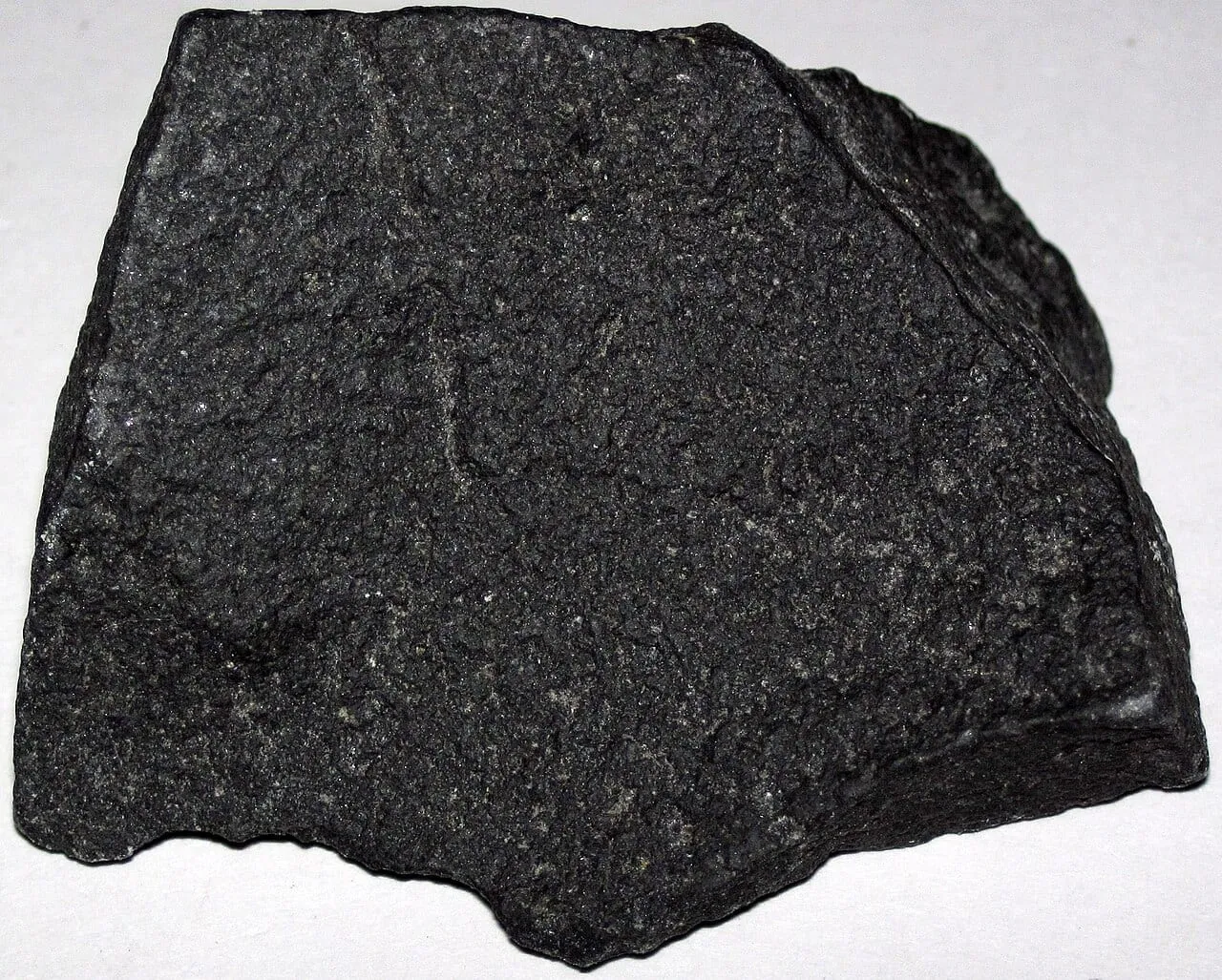
Basalt
The rock of the ocean floors and the Moon’s dark plains — the most common volcanic rock on Earth.