Mineral
Ulexite
NaCaB₅O₆(OH)₆·5H₂OÜleksit
Nature’s fibre optics: a boron mineral, known as “TV stone”, that lifts writing up to its own surface.
Also known as: TV stone, TV rock (fibrous ulexite) · Cotton ball (fluffy nodules)
- Ore
- Industrial
- Important in Türkiye

In short
Ulexite is a soft white mineral made of sodium, calcium, boron and water. It usually grows as thin, parallel fibres. These fibres carry light like fibre-optic cables, so when a polished piece is placed on a picture, the picture appears on the stone’s top surface.
How does it form?
Ulexite is an evaporite mineral that forms in salty lakes and dried-up lake beds (playas, salars) in arid regions. As boron-rich water evaporates, it often precipitates as loose nodules resembling cotton balls. In some deposits it forms compact veins of parallel fibres filling cracks; “TV stone” is cut from these veins. It usually occurs together with colemanite and borax.
What is it used for?
Ulexite is an important boron ore. Concentrated ulexite is used in heat and sound insulation, ceramics, metallurgy, and glass and glass-fibre production, while ground ulexite is used in agriculture. In South America, Bolivia and Chile are also ulexite producers.
In Türkiye
At the boron deposits of Bigadiç in Balıkesir, ulexite occurs together with colemanite and is mined by Eti Maden. At the Kestelek deposit in Bursa, ulexite is also recovered occasionally as a by-product.
How to recognise it
- 1
Cut across the fibres, polished and placed on writing, it shows the writing on its top surface (the “TV stone” effect).
- 2
It has a silky lustre and a white, fibrous look; it sometimes forms soft nodules that look like cotton balls.
- 3
It is very light (specific gravity about 1.96) and soft (hardness 2.5), so it scratches easily.
- 4
It dissolves slightly in water; pieces left in water for a long time lose their surface.
Fakes and imitations
What shops usually don’t tell you:
- Man-made fibre-optic glass plates can show a similar image-carrying effect. They are much harder and heavier than ulexite and are not damaged by water.
- Fibrous gypsum (satin spar) and fibrous calcite also show silky white fibres but do not carry an image as sharply; these stones are sometimes sold under the wrong name.
Did you know?
It is named after Georg Ludwig Ulex, the German chemist who made the first reliable analysis of the mineral.
Ulexite’s fibres carry light only along their length, so the image disappears when you turn the stone on its side.
Where is it found?
Loading map…
- Iquique, Tarapacá, Chile · Type locality
- Boron, California, USA · Major depositKramer borate deposit; fibrous “TV stone” veins
- Bigadiç, Balıkesir, Türkiye · Major depositEti Maden’s colemanite and ulexite production area
- Puna Plateau (Jujuy and Salta), Argentina · Major depositNumerous ulexite deposits in salt-flat (salar) sediments
Locations are approximate to protect sites. Red dots mark places in Türkiye. Open in the big map →
Sources
- Handbook of Mineralogy: Ulexite · Mineralogical Society of America
- Bigadiç · Eti Maden
- Mineral Commodity Summaries 2026: Boron · U.S. Geological Survey, 2026
External links
Draft: awaiting expert reviewReport an error ↗
On the same step
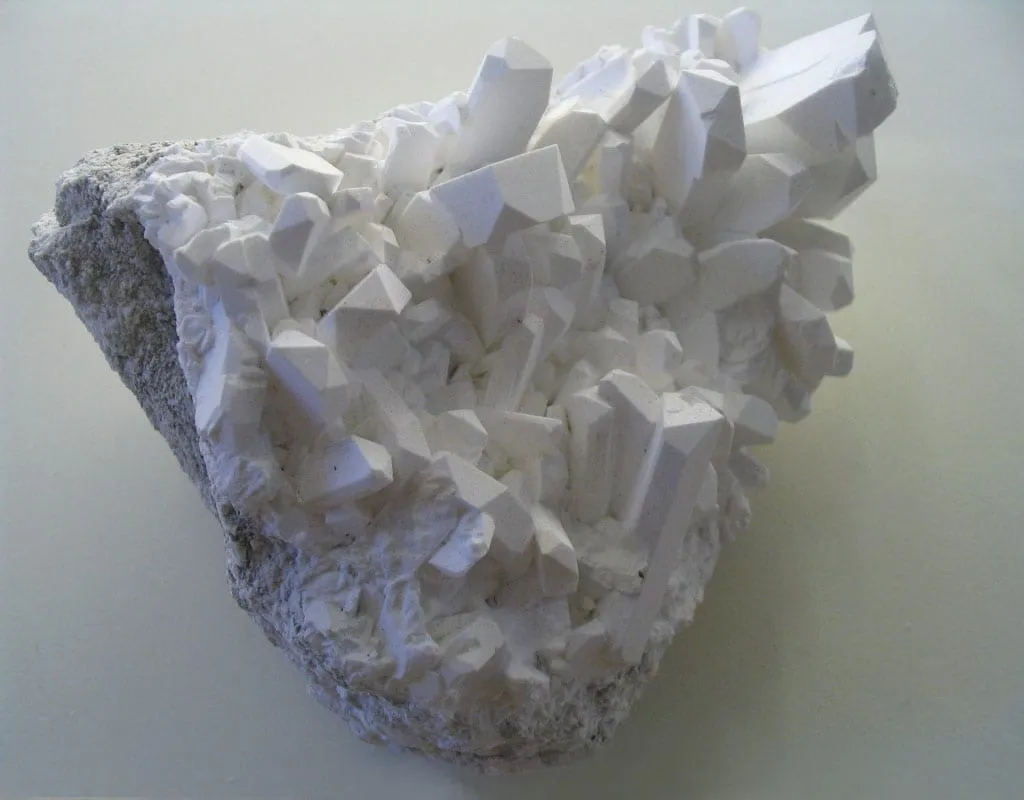
Borax (tincal)
A sodium borate that dissolves in water and crumbles to white powder in dry air; one of the world’s key tincal deposits is at Kırka in Eskişehir.
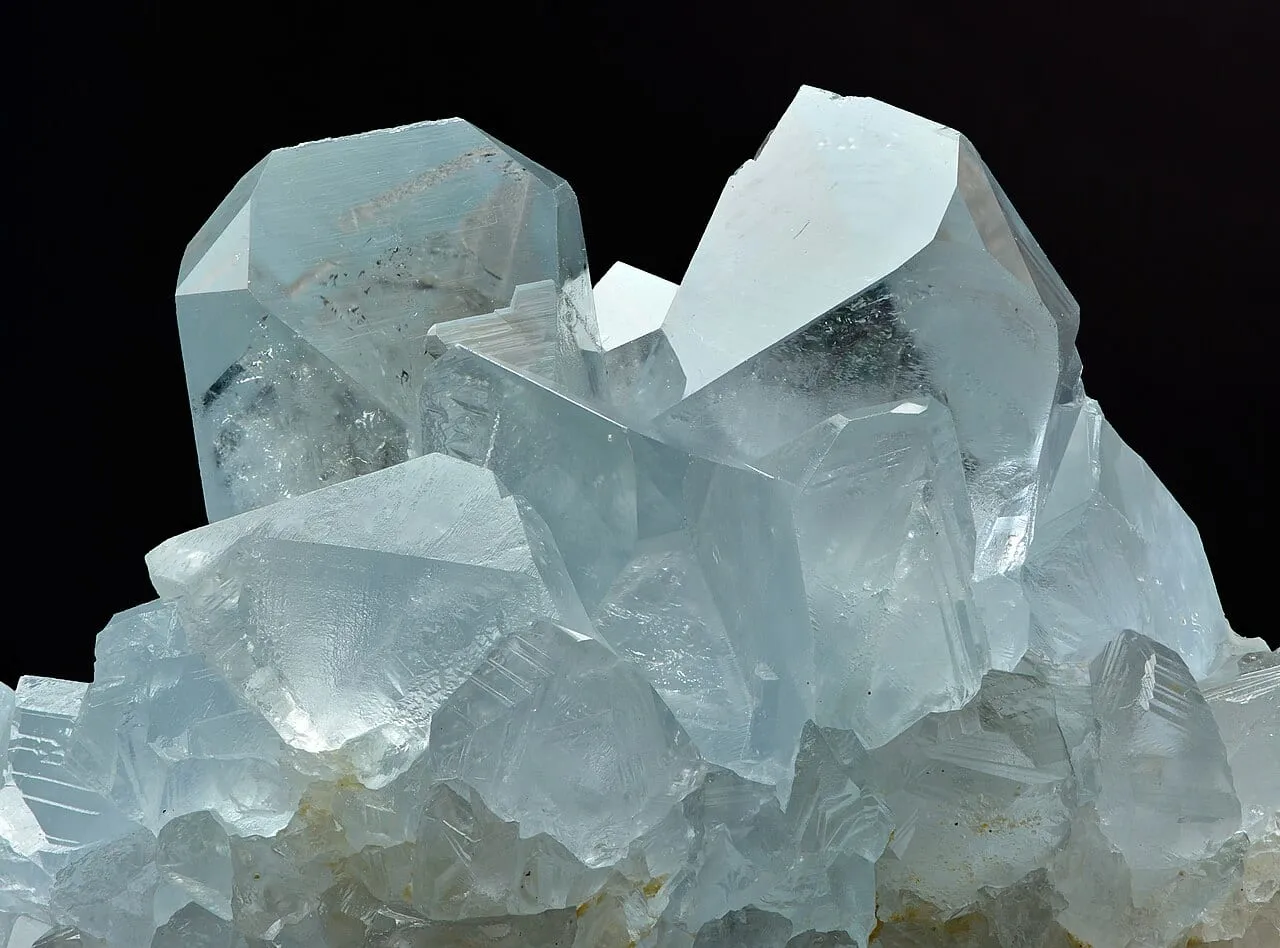
Celestine
A strontium mineral named after the sky, often forming pale blue crystals; the source of the red in fireworks.
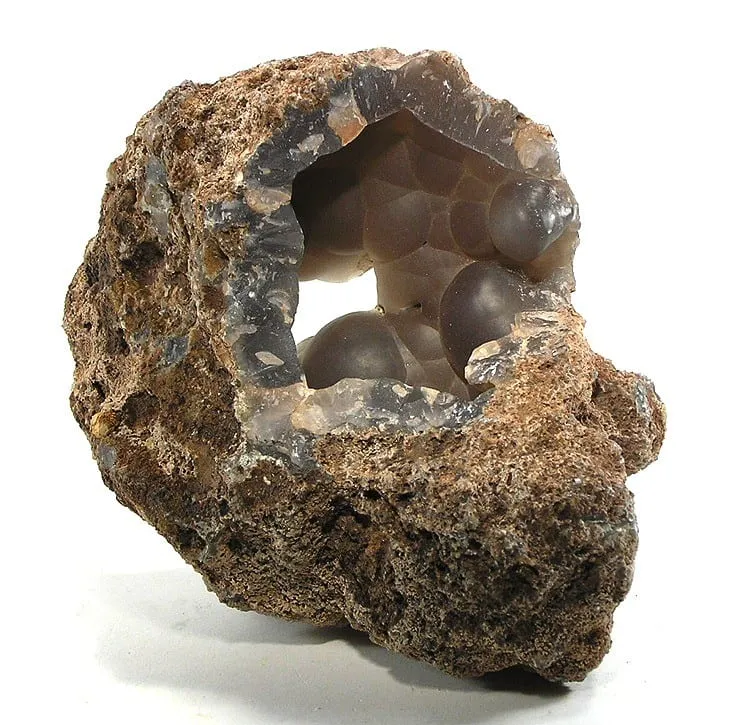
Chalcedony
A waxy-lustred stone made of quartz crystals far too small to see: the family name for agate, onyx and many other ornamental stones.