Everyday name
Crushed stone
Mıcır (kırma taş)
Crushed stone is angular rock made by breaking and screening quarried rock in machines; it is mostly limestone, basalt or andesite.
Also known as: Aggregate · Crushed rock · Road metal · Ballast · Chippings
- Popularly: Ore and raw material
- Everyday
- Building stone
- Industrial
_9_(44129984675).jpg)
In short
Crushed stone, also called aggregate, is made by blasting rock loose in a quarry, breaking it in crushers and screening it into sizes. Unlike river gravel, it is shaped by machines, not by nature, so its pieces are angular with freshly broken faces. It is made mostly from limestone and dolomite, and also from hard rocks such as basalt, andesite and granite. It is the main material of asphalt, concrete, road bases and railway ballast, and the raw material of cement and lime works. In Türkiye it is commonly known as “mıcır”.
In scientific terms
This is an everyday name; in science it means these stones:
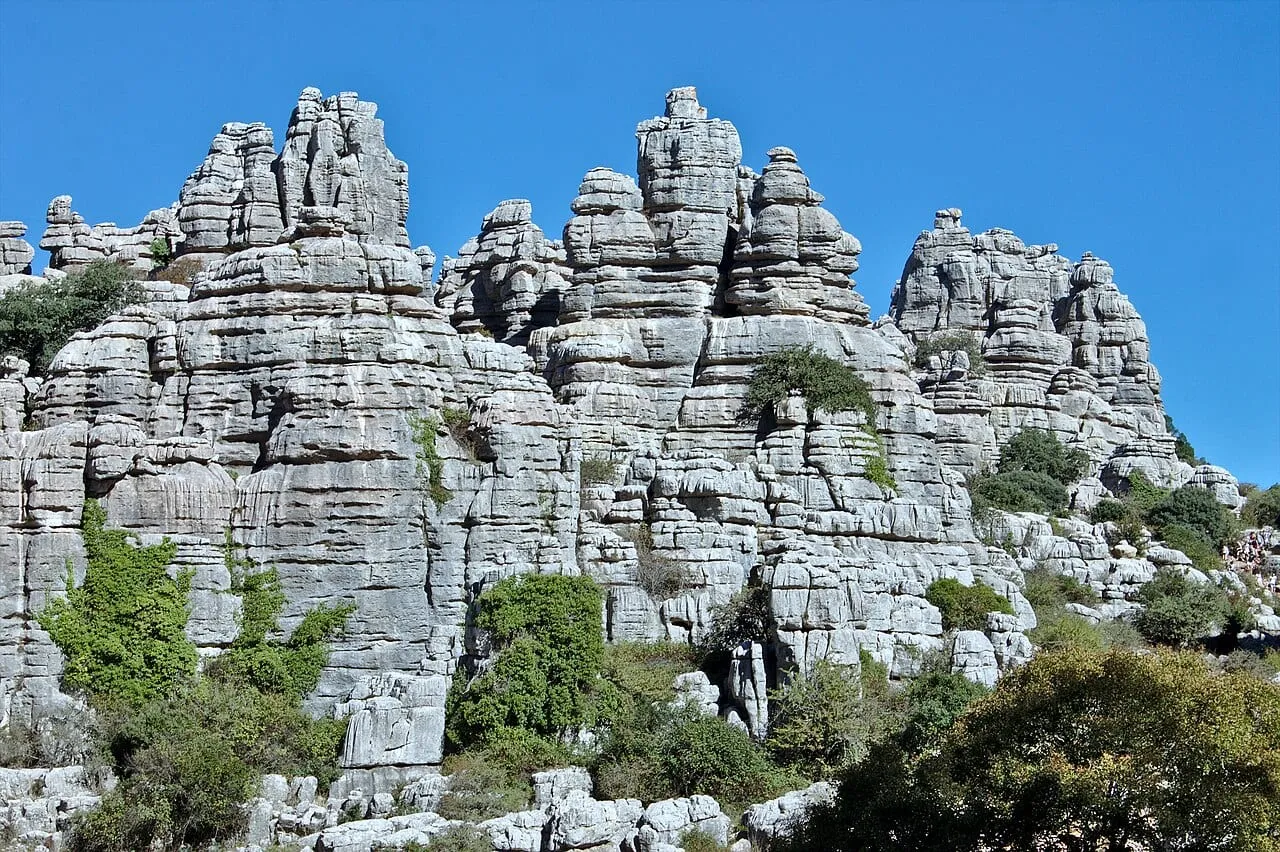
Limestone
A stone built from sea shells: the shared source of pyramids, caves and cement.
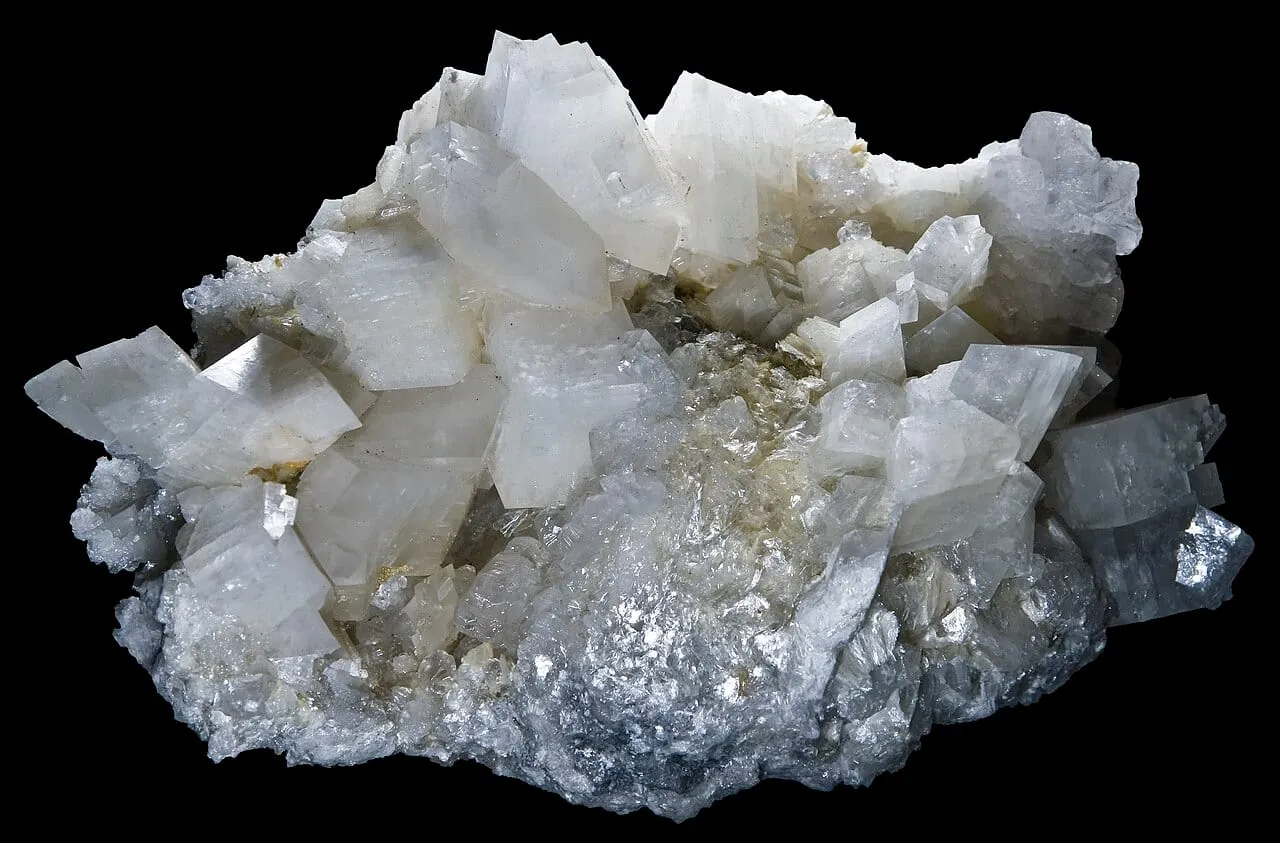
Dolomite
Calcite’s magnesium-bearing sibling: a carbonate mineral that builds whole mountain ranges yet barely fizzes in acid.
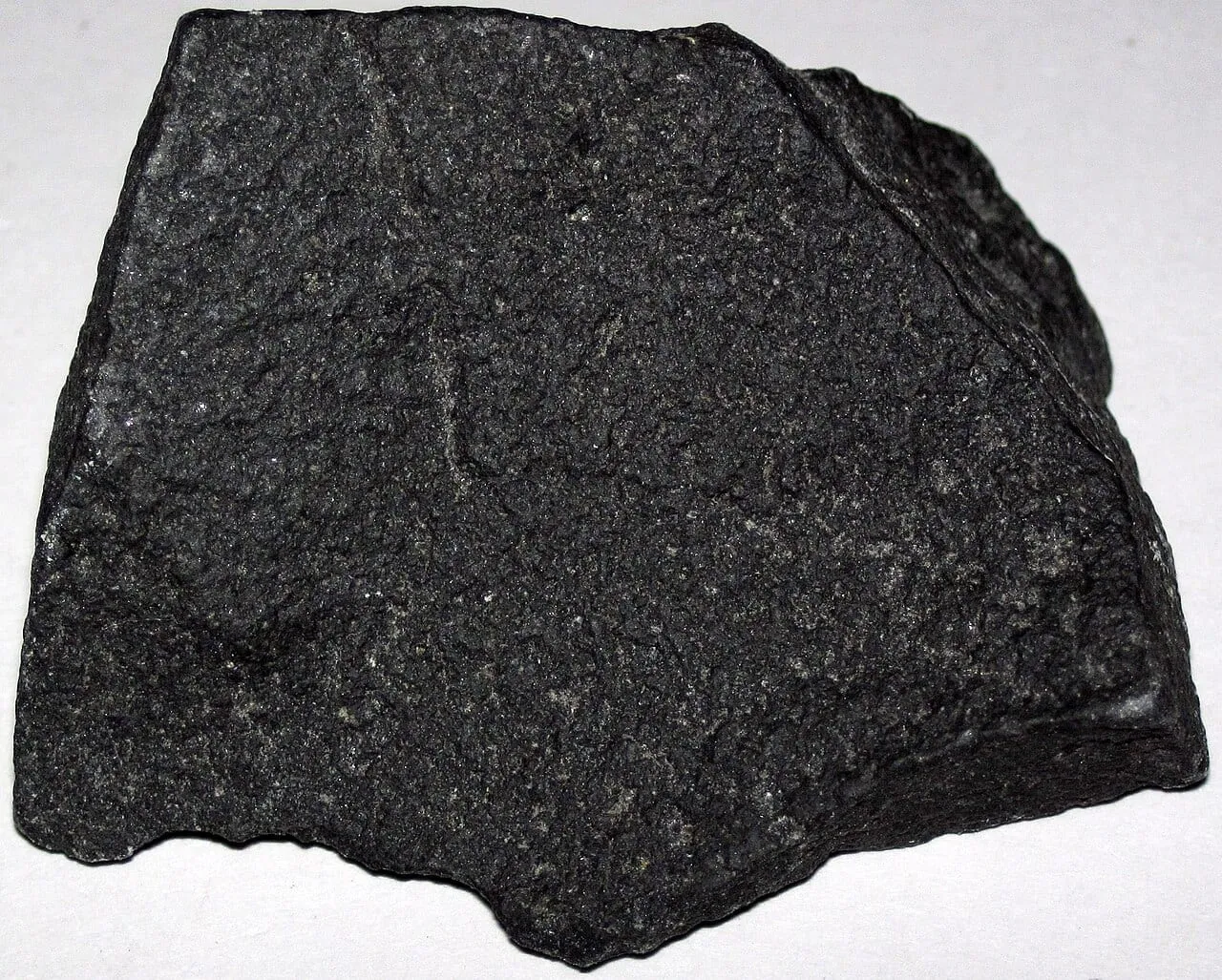
Basalt
The rock of the ocean floors and the Moon’s dark plains — the most common volcanic rock on Earth.
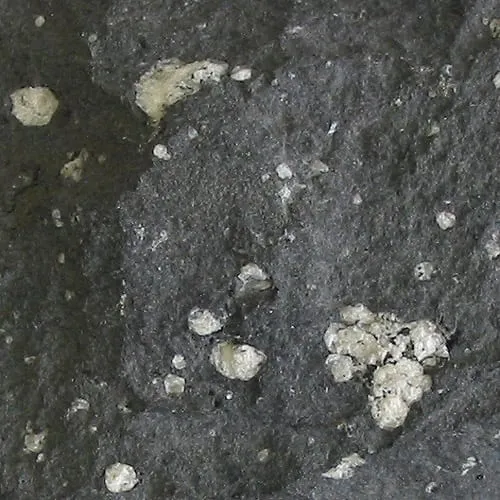
Andesite
The rock of volcanic arcs, named after the Andes — and the pink-grey stone of Ankara Castle.
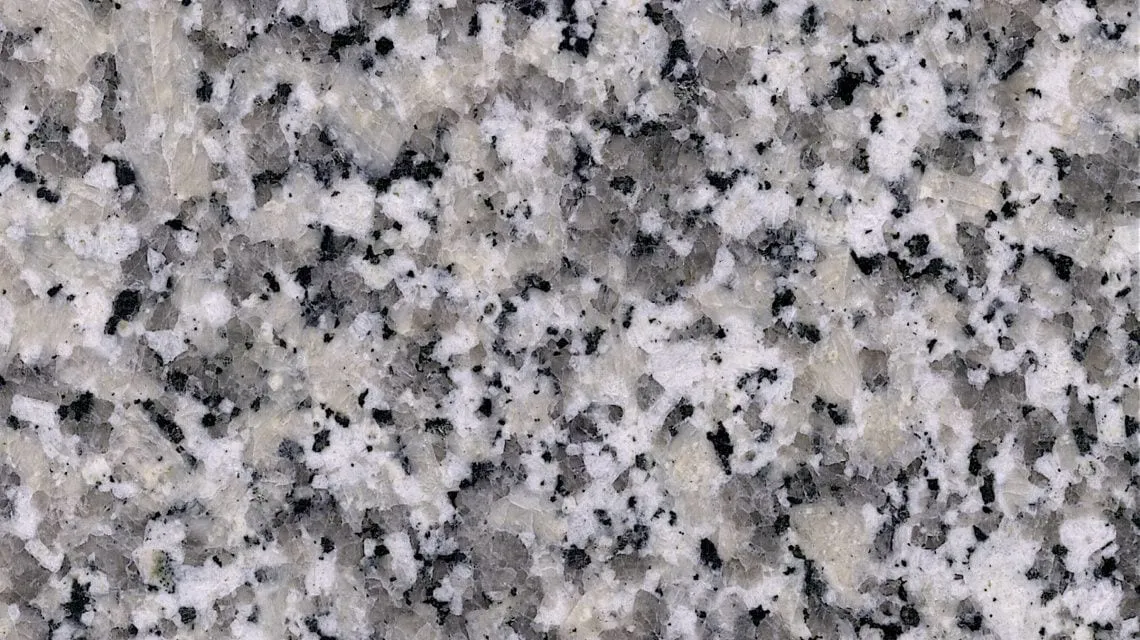
Granite
From kitchen worktops to monuments: a tough, coarse-grained rock born from magma that cooled slowly deep underground.
How is it made?
In a quarry, rock is usually blasted loose in benches. Large blocks are first reduced in a jaw crusher, then in cone or impact crushers. The broken stone passes over vibrating screens that sort it by size: the finest fraction is manufactured sand (rock dust), and the coarser fractions are the various grades of crushed stone. Limestone is the most widely used because it breaks easily and is abundant; for asphalt surfaces and railway ballast, which must resist wear, hard rocks such as basalt, andesite or granite are preferred.
What is it used for?
- Road building: The base and sub-base layers of roads are made of compacted crushed stone, and most of an asphalt surface is crushed stone too.
- Concrete: Mixed with sand and cement, it is the coarse aggregate in concrete.
- Railway ballast: The bed of angular stones beneath the rails holds the sleepers in place and lets water drain away.
- Cement and lime: Crushed limestone is the raw material for cement and lime works. According to the USGS, about 72 percent of crushed stone in the United States is used as construction aggregate, 17 percent for cement and 6 percent for lime.
- Other uses: Drainage, fill, coastal protection, wire-cage (gabion) walls and garden paths.
Crushed stone in Türkiye
In Türkiye the word “mıcır” is used mostly for small crushed stone; the fine chippings spread over hot bitumen on village and provincial roads are also popularly called mıcır. The limestone, dolomite, andesite and basalt quarries worked for crushed stone are Group II minerals under Türkiye’s Mining Law and are operated under licence. Having quarries close to towns keeps transport costs down, but dust, noise and blasting vibrations often cause disputes with local residents.
What determines its value?
Crushed stone is a low-value raw material sold by the tonne but used in vast quantities. Transport often costs about as much as the stone itself at the quarry, or more, which is why quarries are usually opened close to cities and large building sites. Its value depends on the hardness and wear resistance of the rock (especially for asphalt and ballast), the shape of the pieces (cubical pieces are better than flat, elongated ones), cleanliness, grading and the distance from the quarry. In the trade, crushed stone is named by screen size, either by number or by a range in millimetres.
This information is educational, not buying, selling or investment advice. Value varies enormously with quality and treatment.
How to recognise it
- 1
The pieces are angular and sharp-edged, with fresh-looking broken faces. River gravel, by contrast, is rounded and smooth.
- 2
The pieces in one heap are all about the same size, because they have been screened. They are often coated with fine rock dust.
- 3
The colour gives away the rock: crushed limestone is light grey or white and fizzes when a drop of vinegar is added; crushed basalt is dark grey or black and noticeably heavy in the hand; crushed andesite is grey, pinkish or brownish.
Fakes and imitations
What shops usually don’t tell you:
- Not every heap of crushed stone is natural rock: broken old concrete and asphalt are also recycled as aggregate. These pieces show traces of cement mortar, brick or black bitumen.
- Crushed stone and gravel are often confused: both are aggregates, but gravel is natural stone rounded by rivers.
Safety
The fine dust from crushing and screening plants irritates the airways, and dust from quartz-bearing rocks (granite, sandstone, quartzite) also carries a risk of silicosis. Dust masks should be worn and dust kept down with water sprays. Blasting in quarries and the collapse of steep stockpiles are also dangerous; children should not play in quarries or on stone heaps.
Myths and misconceptions
MythCrushed stone is just another word for gravel.
FactGravel is natural stone rounded by rivers; crushed stone is angular rock broken by machines in a quarry. Because angular pieces lock together when compacted, crushed stone is generally preferred for road building.
MythAsphalt is a black substance with no stone in it.
FactMost of the mass of an asphalt pavement is crushed stone, sand and rock dust. The black colour comes from the bitumen that glues these stones together. As a road wears, the stone chips become visible on its surface.
Did you know?
Around 1820 the Scottish engineer John Loudon McAdam popularised a way of building roads from small, angular broken stones that lock together as they are compacted; “macadam” roads are named after him. By his rule, a stone in the top layer should be no bigger than would fit in a worker’s mouth.
When such broken stone was bound with tar, “tarmacadam” was born, which is where the word “tarmac” comes from.
According to the U.S. Geological Survey (USGS), about 1.5 billion tonnes of crushed stone were produced in the United States in 2025; about 70 percent of it was limestone and dolomite.
Frequently asked questions
What is crushed stone?
Crushed stone, also called aggregate, is made by blasting rock loose in a quarry, breaking it in crushers and screening it into sizes. Unlike river gravel, it is shaped by machines, not by nature, so its pieces are angular with freshly broken faces. It is made mostly from limestone and dolomite, and also from hard rocks such as basalt, andesite and granite. It is the main material of asphalt, concrete, road bases and railway ballast, and the raw material of cement and lime works. In Türkiye it is commonly known as “mıcır”.
What is crushed stone used for?
Road building: The base and sub-base layers of roads are made of compacted crushed stone, and most of an asphalt surface is crushed stone too. Concrete: Mixed with sand and cement, it is the coarse aggregate in concrete. Railway ballast: The bed of angular stones beneath the rails holds the sleepers in place and lets water drain away. Cement and lime: Crushed limestone is the raw material for cement and lime works. According to the USGS, about 72 percent of crushed stone in the United States is used as construction aggregate, 17 percent for cement and 6 percent for lime.
How can you tell if crushed stone is real?
The pieces are angular and sharp-edged, with fresh-looking broken faces. River gravel, by contrast, is rounded and smooth. The pieces in one heap are all about the same size, because they have been screened. They are often coated with fine rock dust. The colour gives away the rock: crushed limestone is light grey or white and fizzes when a drop of vinegar is added; crushed basalt is dark grey or black and noticeably heavy in the hand; crushed andesite is grey, pinkish or brownish. Not every heap of crushed stone is natural rock: broken old concrete and asphalt are also recycled as aggregate. These pieces show traces of cement mortar, brick or black bitumen.
Is crushed stone valuable?
On the “street to diamond” value ladder it sits on step 2 of nine: Raw material by the tonne. Crushed stone is a low-value raw material sold by the tonne but used in vast quantities. Transport often costs about as much as the stone itself at the quarry, or more, which is why quarries are usually opened close to cities and large building sites. Its value depends on the hardness and wear resistance of the rock (especially for asphalt and ballast), the shape of the pieces (cubical pieces are better than flat, elongated ones), cleanliness, grading and the distance from the quarry. In the trade, crushed stone is named by screen size, either by number or by a range in millimetres.
Is crushed stone dangerous?
The fine dust from crushing and screening plants irritates the airways, and dust from quartz-bearing rocks (granite, sandstone, quartzite) also carries a risk of silicosis. Dust masks should be worn and dust kept down with water sprays. Blasting in quarries and the collapse of steep stockpiles are also dangerous; children should not play in quarries or on stone heaps.
Sources
- Mineral Commodity Summaries 2026: Stone (Crushed) · U.S. Geological Survey, 2026
- 3213 sayılı Maden Kanunu, madde 2: maden grupları (5177 sayılı Kanunla değişik metin) · FAOLEX (FAO), Türk mevzuatı metni, 2004
- Crushed stone · Wikipedia
- Macadam · Wikipedia
External links
Draft: awaiting expert reviewReport an error ↗
On the same step
Andesite
The rock of volcanic arcs, named after the Andes — and the pink-grey stone of Ankara Castle.
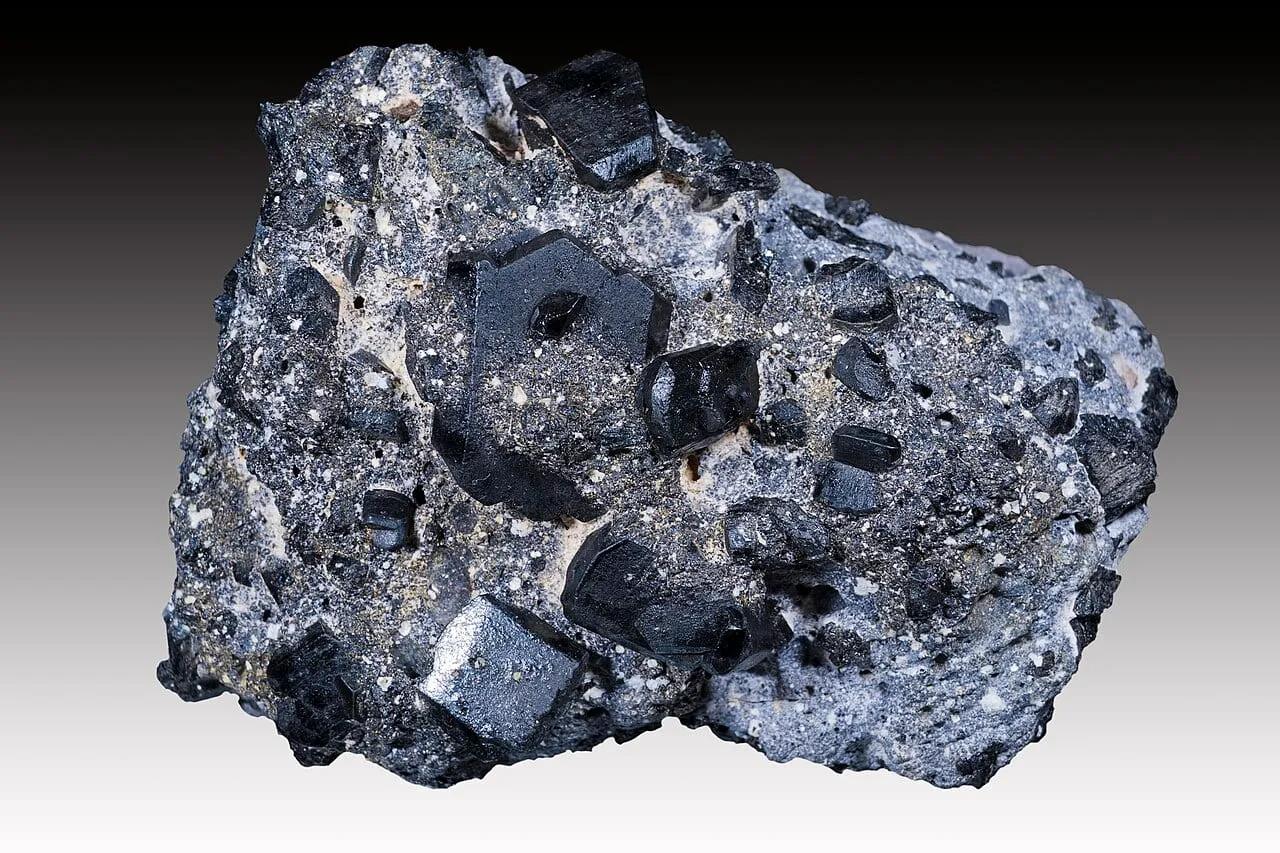
Augite (pyroxene)
The most common pyroxene, which darkens basalt and gabbro: inconspicuous, yet one of the key building blocks of Earth’s crust.
Basalt
The rock of the ocean floors and the Moon’s dark plains — the most common volcanic rock on Earth.