VarietyA variety of Corundum
Ruby
Al₂O₃Yakut
Corundum coloured red by chromium: one of the world's most famous gems, able to glow red under ultraviolet light.
Also known as: Red corundum
- Gemstone
In short
Ruby is the red variety of the mineral corundum. It gets its colour from tiny amounts of chromium in its crystal structure. With a Mohs hardness of 9 it is very durable, which is why it has been set in jewellery for centuries.
Where does the colour come from?
Ruby’s red comes from traces of chromium replacing aluminium in the crystal structure. Chromium also causes fluorescence: the ultraviolet in daylight can make the red look even more vivid. Iron suppresses this glow. That is why the low-iron rubies formed in the marbles of Mogok in Myanmar are famous for their vivid red glow, and the trade term “pigeon’s blood” for the finest reds is closely linked to these stones. Today the world’s most productive ruby source is the Montepuez area of Mozambique.
What makes it valuable?
Colour matters most: vivid, saturated pure red to slightly purplish red is the most sought after. Clarity, cut and size are important too; large, clean rubies are extremely rare. Whether the stone has been treated, and where it comes from, also strongly affect its value. Most rubies on the market have been heated to improve their colour and clarity.
From history
The Turkish word “yakut” comes from Arabic. In 1902 the French chemist Auguste Verneuil announced his flame fusion method for making synthetic ruby, the first gem to be synthesised commercially.
How to recognise it
- 1
It comes in many shades of red. Where red ends and pink begins (ruby or pink sapphire?) can differ between laboratories and countries.
- 2
Thanks to chromium, many rubies glow red under a long-wave ultraviolet (UV) lamp (fluorescence). Iron-rich rubies glow weakly, and red spinel and synthetic ruby can glow too, so fluorescence alone proves nothing.
- 3
It feels heavy for its size (specific gravity about 4.0) and is very hard (9).
- 4
Only a gem laboratory can reliably tell whether a stone is natural or synthetic, heated, or filled with lead glass.
Fakes and imitations
What shops usually don’t tell you:
- Lead-glass-filled ruby: the cracks of heavily fractured, low-quality corundum are filled with glass rich in lead. Under magnification it shows blue-orange flashes and flattened gas bubbles. These stones are sensitive to heat and acids; selling them without disclosure is a serious consumer-protection problem.
- Synthetic ruby has been made since 1902 and is chemically identical to natural ruby. Ask for an independent laboratory report for stones that look too perfect.
- Red spinel, garnet and coloured glass can be mistaken for ruby. Even the famous “Black Prince’s Ruby” in the British Imperial State Crown is actually a spinel.
- Heat treatment is very common and generally accepted, but it should still be disclosed. When buying, ask for a laboratory report that states any treatment.
Did you know?
The first working laser, operated in 1960, produced its light with a synthetic ruby crystal.
Ruby and sapphire are the same mineral, corundum. Only the red stones are called ruby; in older Turkish, sapphire was even called “gök yakut” (sky ruby).
Where is it found?
Loading map…
- Mogok, Mandalay Region, Myanmar · Major depositFamous for centuries for marble-hosted rubies with vivid fluorescence
- Mong Hsu, Shan State, Myanmar · Known localityIts stones are usually improved by heat treatment
- Montepuez, Cabo Delgado, Mozambique · Major depositToday the world’s most productive ruby source
- Thailand–Cambodia border region (Chanthaburi, Trat, Pailin) · Historic sourceIron-rich, basalt-related rubies; Chanthaburi remains a major cutting and trading centre
Locations are approximate to protect sites. Red dots mark places in Türkiye. Open in the big map →
Family
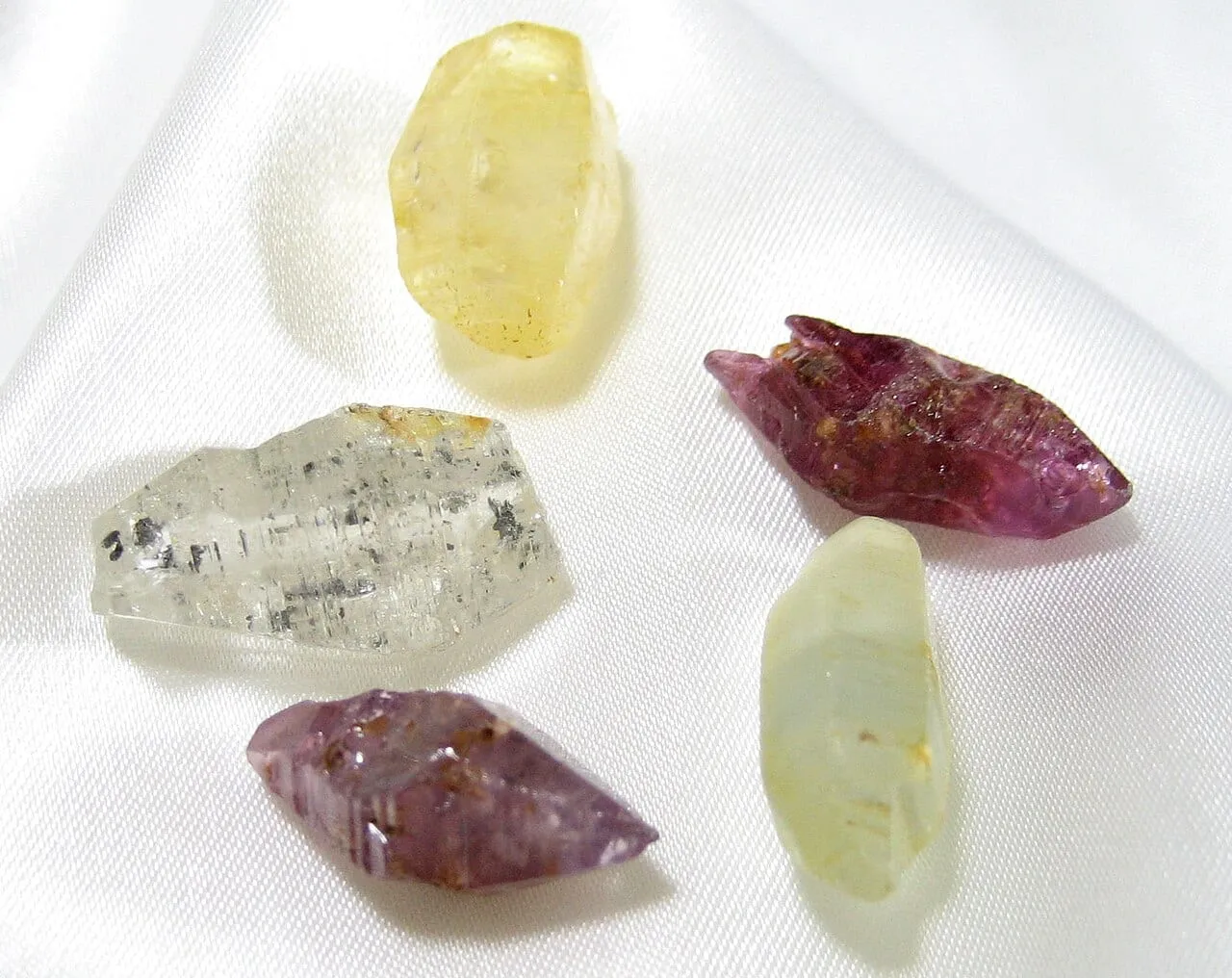

Sources
- Ruby Description (Gem Encyclopedia) · GIA
- A Decade of Ruby from Mozambique: A Review · GIA, Gems & Gemology, 2019
- Identification and Durability of Lead Glass-Filled Rubies · GIA
External links
Draft: awaiting expert reviewReport an error ↗
On the same step
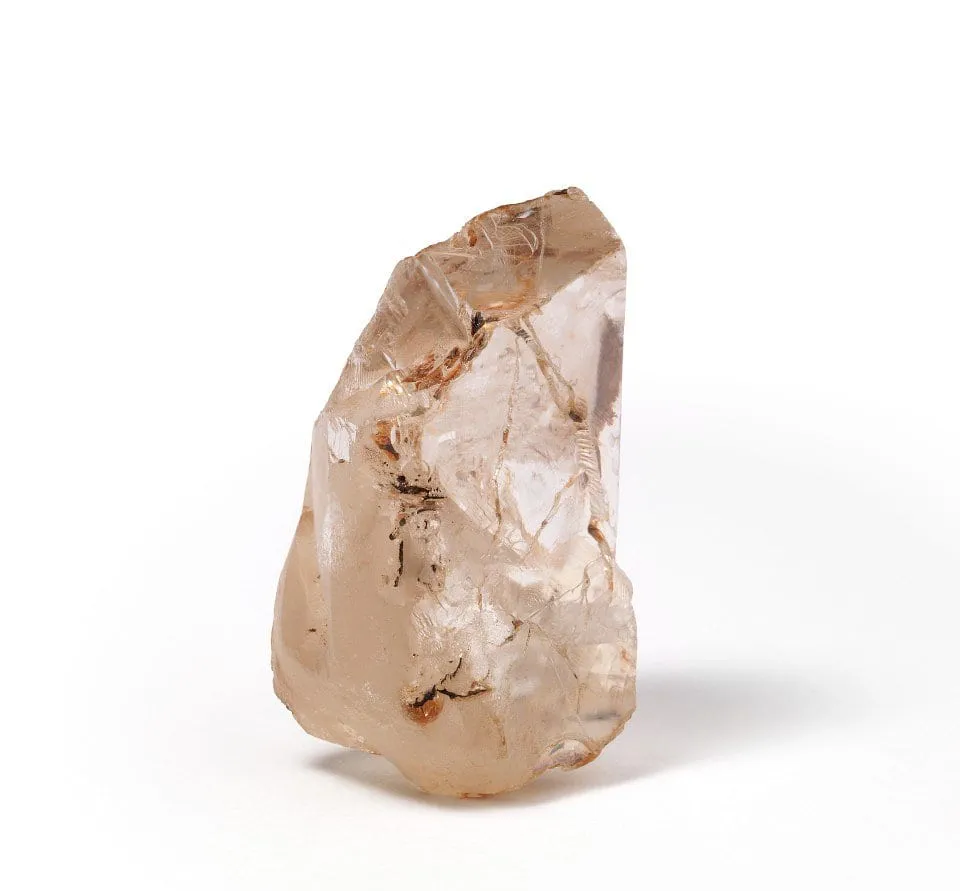
Diamond
Pure carbon and the hardest known natural mineral: it forms about 150–200 km deep and reaches the surface in volcanic eruptions.
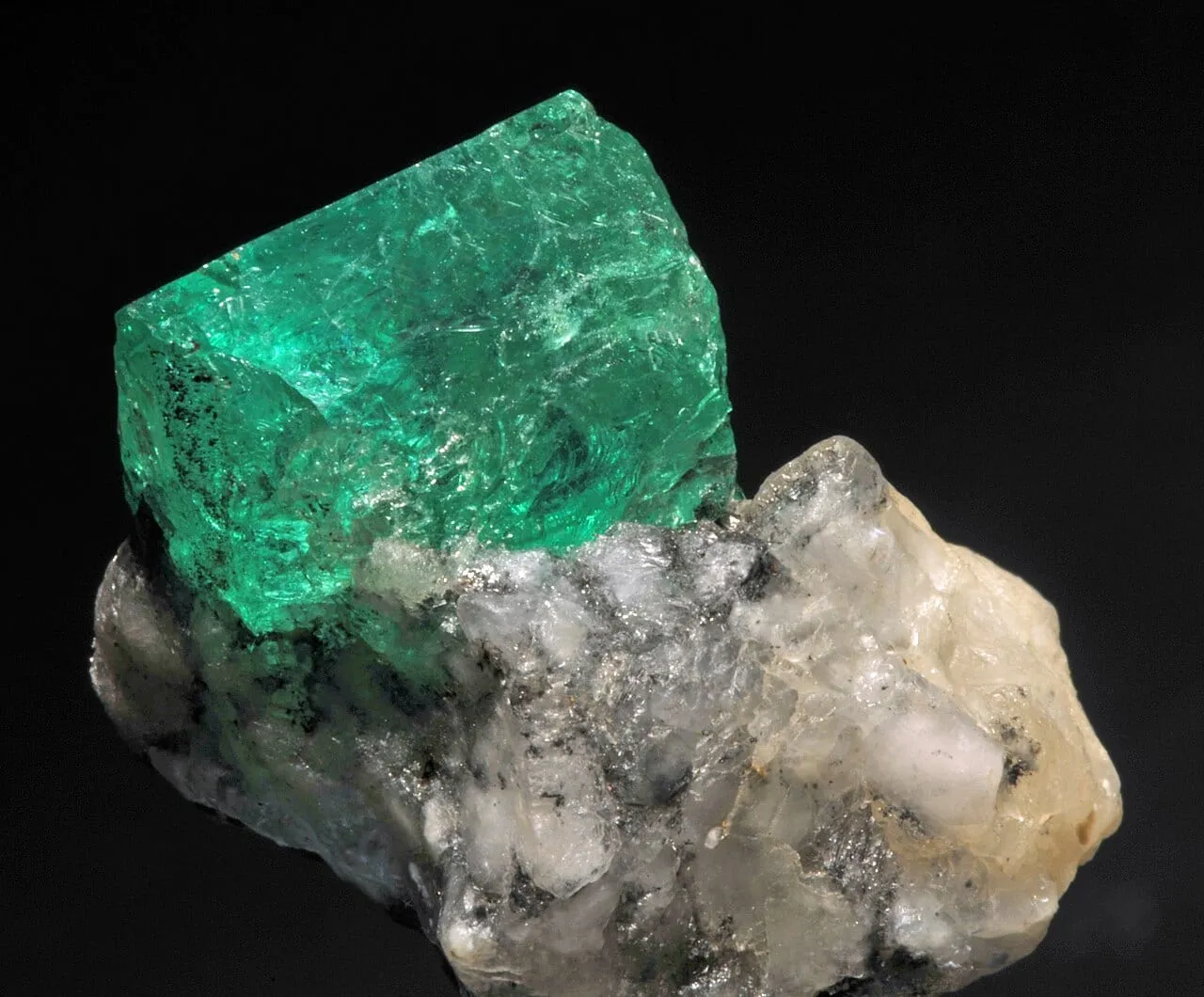
Emerald
Beryl turned green by chromium and vanadium: the world's most famous green gem, almost always full of inclusions.
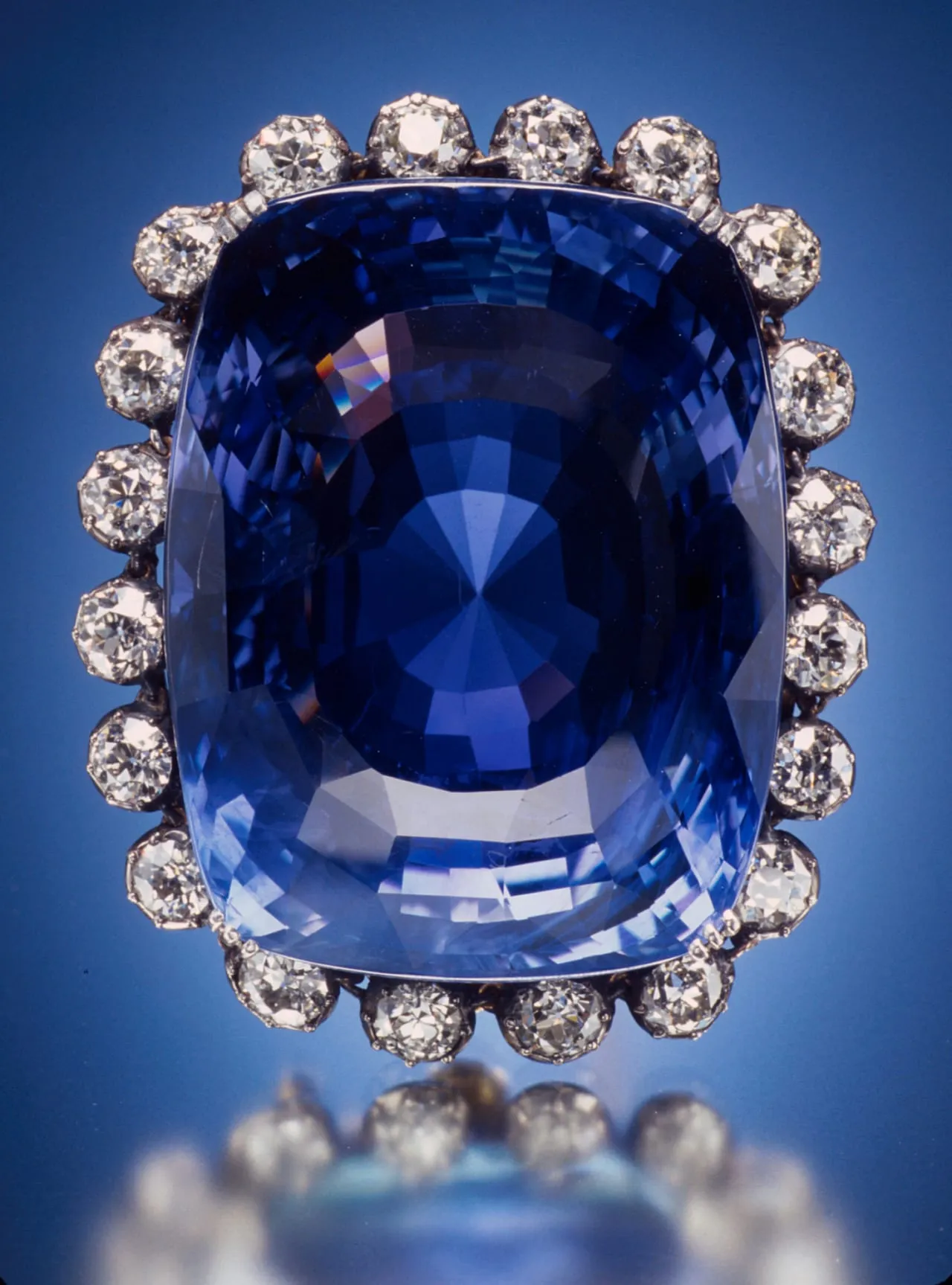
Sapphire
Corundum in almost any colour except red; the most famous is the blue sapphire, coloured by iron and titanium.