Mineral
Azurite
Cu₃(CO₃)₂(OH)₂Azurit
A deep blue copper mineral that was the most important blue pigment of medieval and Renaissance painters.
Also known as: Chessylite (historical name)
- Ornamental
- Ore

In short
Azurite is a deep blue mineral that contains copper. Like malachite, it forms near the surface of copper deposits, and the two are usually found together. Its glossy dark blue crystals are among collectors’ favourite specimens.
How does it form?
Azurite forms in the near-surface weathering zone of copper deposits, when copper-rich waters react with carbonate rocks. It needs more carbon dioxide to form than malachite does. As a result, azurite is less stable than malachite at surface conditions and tends to turn into it over time. Stones in which blue azurite and green malachite occur together are used as an ornamental stone under the name “azurmalachite”.
History
During the Middle Ages and the Renaissance, azurite was the most important blue pigment in European painting. The mineral was ground and washed into a powder and used for blue areas such as skies and robes.
Care
Azurite is soft and brittle, and sensitive to heat and acids. To slow its change into malachite, store it in a cool, dark place. Wipe it only with a soft, damp cloth, and do not use ultrasonic or steam cleaners.
How to recognise it
- 1
Its deep azure to dark navy-blue colour is almost unmistakable.
- 2
It leaves a pale blue streak on unglazed porcelain.
- 3
Its hardness is 3.5–4, so a steel knife scratches it. It fizzes in dilute acid.
- 4
It is often intergrown with green malachite, and some crystals have turned green on the surface.
Fakes and imitations
What shops usually don’t tell you:
- Much inexpensive “azurite” is a composite of crushed azurite in a resin or similar binder; chrysocolla or malachite may be blended in.
- Natural azurite is frequently impregnated with resin to stabilise it. This treatment should be disclosed by the seller.
- Dyed stones and blue plastics can also imitate azurite; in doubtful cases consult a gemmological laboratory.
Safety
Azurite is a copper mineral. It is harmless to handle, but the dust produced by cutting and polishing should not be swallowed or inhaled. Work the stone wet and wear a dust mask.
Did you know?
Its name comes from the Persian word “lazhward”, meaning blue.
Azurite can slowly turn into malachite with moisture in the air. Sometimes a crystal keeps its azurite shape while its inside turns completely into green malachite (a pseudomorph).
Where is it found?
Loading map…
- Tsumeb, Namibia · Major depositSome of the world’s most famous azurite crystals
- Chessy-les-Mines, Rhône, France · Historic sourceClassic azurite locality that gave the mineral its old name “chessylite”
- Bisbee, Arizona, USA · Known locality
- Touissit, near Oujda, Morocco · Known localityLarge azurite crystals
Locations are approximate to protect sites. Red dots mark places in Türkiye. Open in the big map →
Sources
- Handbook of Mineralogy: Azurite · Mineralogical Society of America
- Azurite: The blue gem material, ore of copper, and pigment (H. M. King) · Geology.com
External links
Draft: awaiting expert reviewReport an error ↗
On the same step
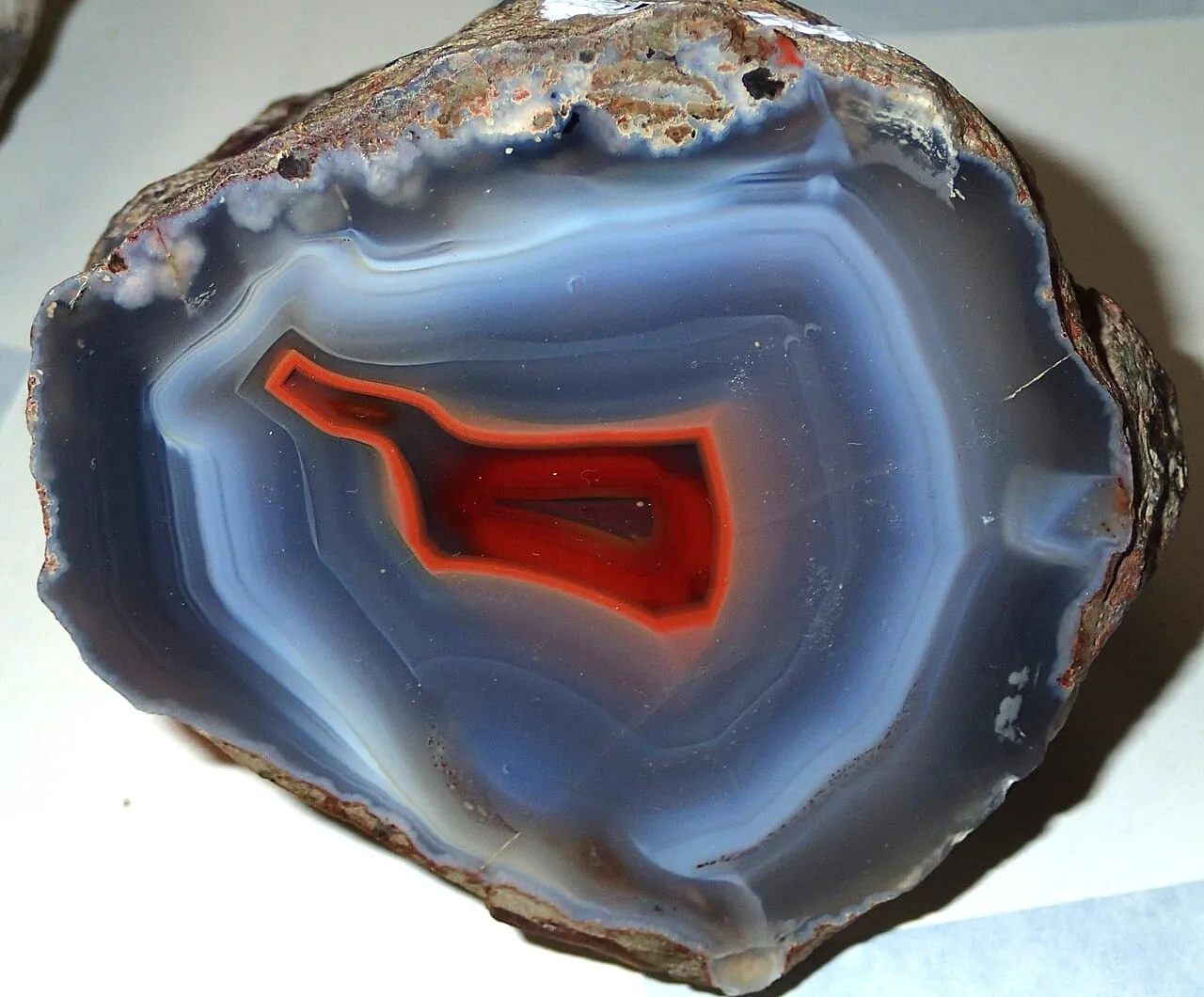
Agate
The banded variety of chalcedony: it grows layer by layer in hollows in volcanic rock and shows a new pattern every time it is cut.
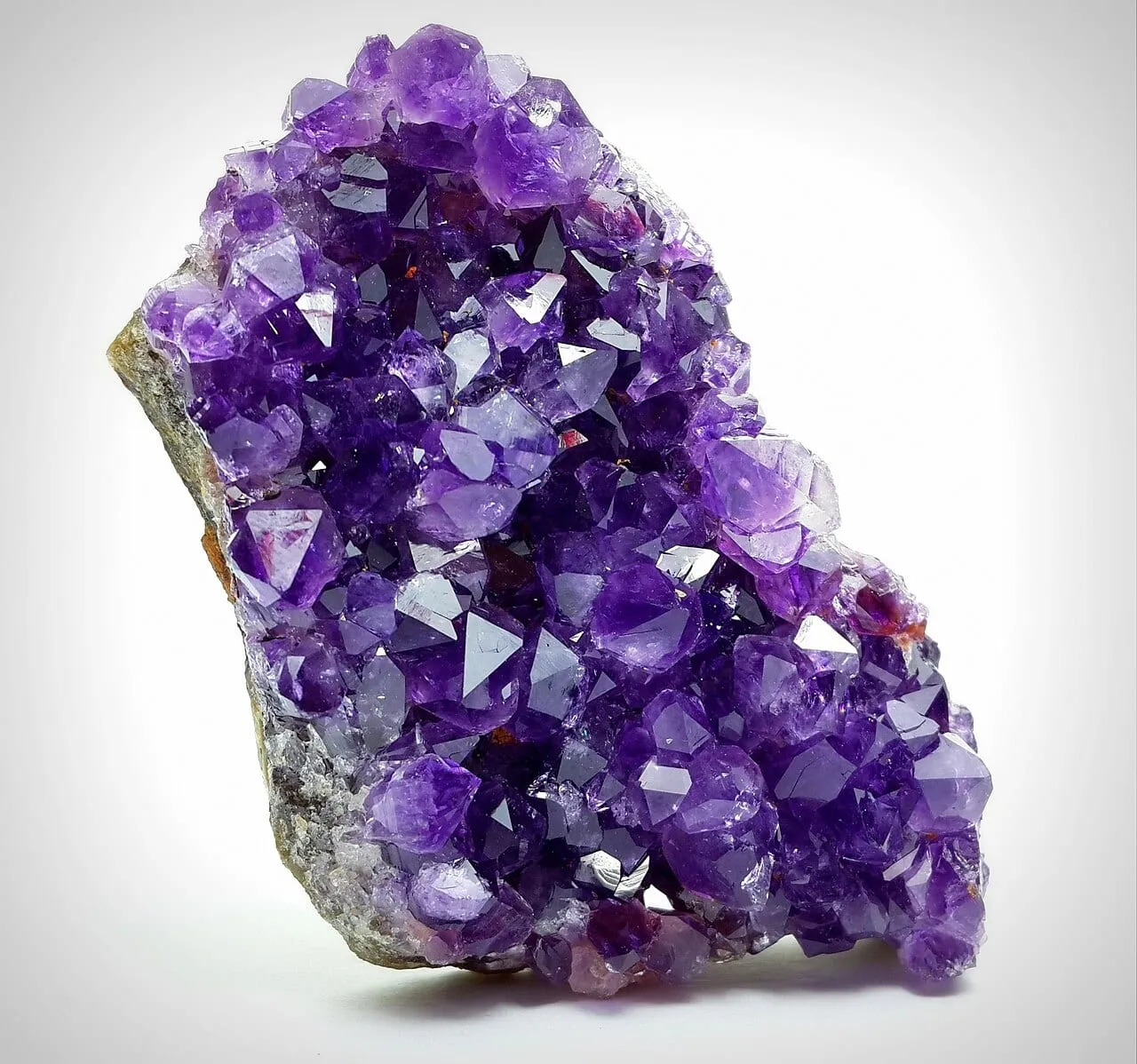
Amethyst
The purple variety of quartz, coloured by traces of iron working together with natural radiation.
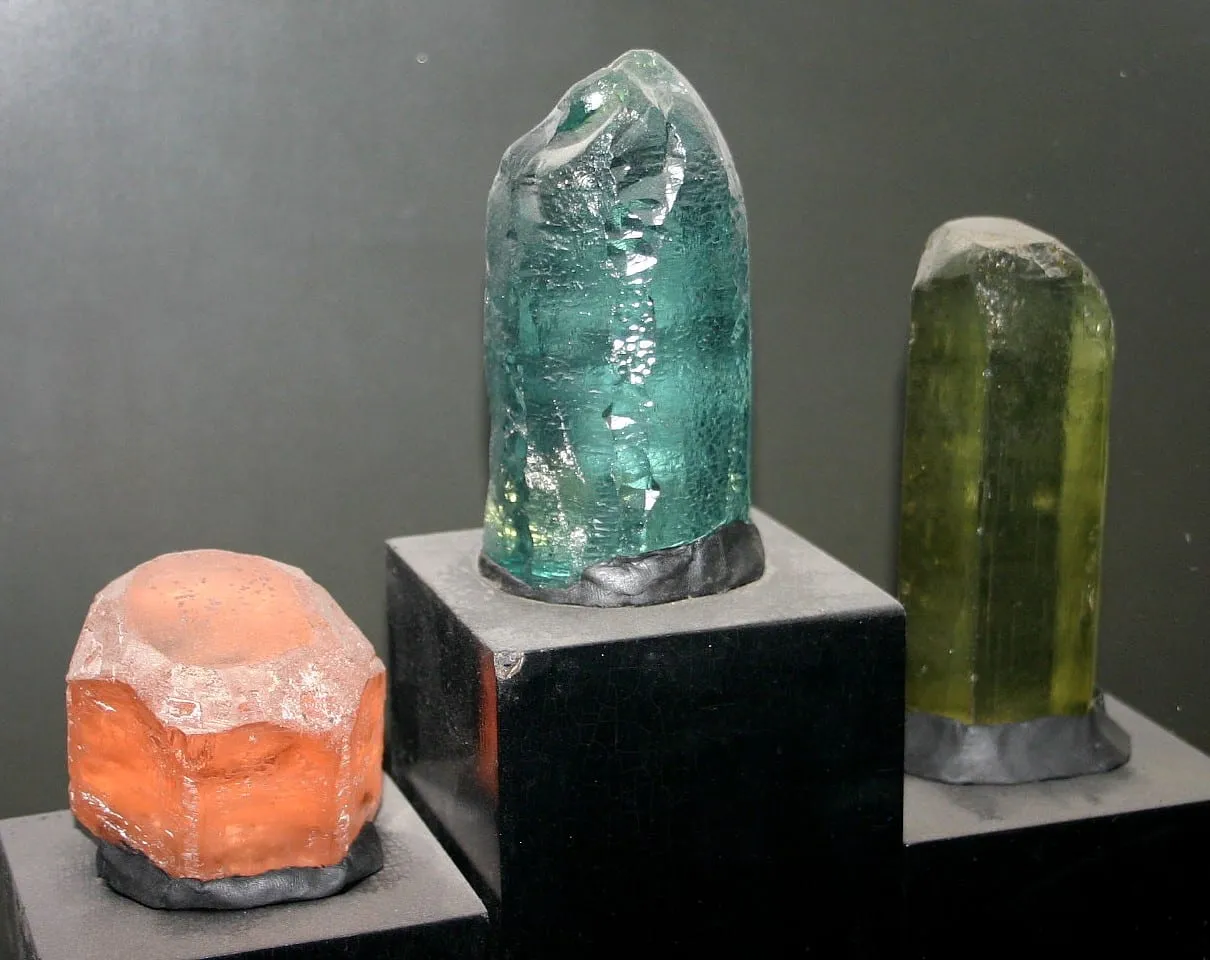
Beryl
The mineral behind emerald and aquamarine: a gem family running from colourless to green, blue and pink, and an ore of beryllium.