VarietyA variety of Chrysoberyl
Cat's-eye chrysoberyl
BeAl₂O₄Kedi gözü krizoberil
Chrysoberyl that shows a sharp band of light gliding across its domed surface: the gem meant when people simply say “cat's eye”.
Also known as: Cymophane · Cat's eye · Precious cat's-eye
- Popularly: Semi-precious stone
In short
Cat's-eye chrysoberyl, once called cymophane, is the variety of chrysoberyl that shows the cat's-eye effect. Very fine, parallel needles inside the stone, most of them rutile, reflect light; when the stone is cut as a dome (cabochon), a single bright line like the slit pupil of a cat appears on its surface and glides across it as the stone is turned. Many stones can show this effect, but in the gem trade the name “cat's eye” on its own is used only for this one. The best show a honey colour and a razor-sharp, straight band of light; Sri Lanka has been the most famous source both in the past and today.
Photos
How does it form?
Cat’s-eye chrysoberyl forms when very fine, needle-like inclusions line up parallel to each other inside a chrysoberyl crystal, as it grows or afterwards. Almost all of these needles are rutile (titanium dioxide); fine tube-like cavities can produce the same effect. The more densely packed the needles, the sharper the cat’s eye usually is. When the stone is cut as a dome at right angles to the needles, light reflected from them gathers into a single bright line on the surface.
Most gem-quality cat’s-eyes come from secondary deposits, formed where crystals freed by the weathering of rocks collect in stream and river gravels. Such deposits in Sri Lanka, India, Tanzania and Madagascar are related to high-grade metamorphic rocks, while those in Brazil are related to pegmatites.
What is it used for?
- Jewellery: thanks to its hardness (8.5) and durability, it is set as a domed stone in rings, necklaces and earrings. The cabochon is the cut that shows the effect best.
- Collections and museums: large stones with sharp bands are museum and collector pieces.
- Traditional jewellery: in India it is one of the stones of nine-gem Navaratna jewellery.
- Science: the cat’s-eye effect is the best-known example of light reflecting from inclusions inside a crystal, and is studied in gemmological teaching and research.
What is the cat’s-eye effect?
The cat’s-eye effect (chatoyancy) is an optical phenomenon caused by parallel fibrous structures or needle-like inclusions inside a crystal reflecting light in one direction. Its name comes from the French for “cat’s eye”. To see it, the stone is cut as a dome rather than faceted. Besides chrysoberyl, stones such as quartz, tourmaline, apatite, scapolite, moonstone and tiger’s eye can show the effect, but the band in chrysoberyl is the sharpest and brightest. When the cat’s-eye effect appears in a colour-change stone, it is called an “alexandrite cat’s-eye”; see the alexandrite page for details.
Where is it found?
The most famous and oldest source is Sri Lanka; some of the world’s finest cat’s-eyes come from the gem gravels around Ratnapura. Today most cat’s-eyes come from Sri Lanka, eastern India and Brazil. Kerala is also among India’s sources, and Myanmar, Madagascar and Tanzania produce notable amounts as well.
What determines its value?
The quality of the band of light matters most: it should be razor-sharp, unbroken and straight, gliding effortlessly from one side to the other as the stone is turned. The most sought-after colour is that of honey, a golden yellow-brown; value falls as the colour moves towards plain yellow, green or brown. Because the inclusions that create the effect reduce transparency, stones that are both semi-transparent and sharp-eyed are rarer and worth more. Stones above 10 carats are rare, and fine stones above 20 carats can reach very high values. Treated stones must be disclosed, and a laboratory report is sought to rule out synthetics.
This information is educational, not buying, selling or investment advice. Value varies enormously with quality and treatment.
How to recognise it
- 1
Turned under a single light source, a thin, bright band of light moves from side to side across the middle of the dome. In chrysoberyl this band is the sharpest of any stone that shows a cat's eye.
- 2
When the light comes from the side, the stone looks split in two by the band: the half facing the light is dark honey-coloured, the other half milky and pale. This is called the “milk and honey” effect.
- 3
It is very hard (8.5) and heavy: its specific gravity is about 3.7, so a quartz cat's-eye (about 2.65) of the same size is clearly lighter. Its refractive index is about 1.74–1.75.
- 4
In synthetic cat's-eye chrysoberyl the needles look wavy (in natural stones they are straight and parallel), and it may glow a weak yellow under short-wave ultraviolet light. A certain identification needs a gemmological laboratory.
Fakes and imitations
What shops usually don’t tell you:
- Other stones with a cat's-eye effect, such as quartz, tourmaline, apatite and scapolite: these may only be sold with their mineral name (for example “quartz cat's-eye”); selling them simply as “cat's eye” is misleading.
- Synthetic cat's-eye chrysoberyl: made since the 1970s and on the market since the 1980s.
- Irradiated stones: some very dark brown cat's-eyes that appeared in the late 1990s turned out to have been exposed to very high levels of radiation.
Myths and misconceptions
MythEvery stone sold as “cat's eye” is chrysoberyl.
FactQuartz, tourmaline, apatite, scapolite and many other stones can also show a cat's-eye effect. In the trade, “cat's eye” on its own is used only for chrysoberyl; the others should be named together with their mineral. As Kunz already noted, the band of a quartz cat's-eye is less distinct than that of chrysoberyl.
MythCat's-eye chrysoberyl is never treated.
FactMost is not; but in the late 1990s some very dark brown stones were found to have been heavily irradiated. In rare cases stones may also be dyed or oiled; treated stones must be disclosed when sold.
What is it believed to be good for?
This section reports beliefs; it is not health information. There is no scientific evidence for these claims and no stone replaces medical treatment.
The meanings people give this stone, and who holds them:
- According to Kunz, the people of Ceylon (Sri Lanka) carried the cat's-eye as a charm against evil spirits.
- As the jewellery magazine JCK reports, mystical powers are ascribed to cat's-eyes: they are believed to protect the wearer from evil spirits, disease and poverty.
- In Hindu astrology (Jyotisha) cat's eye is the gem of Ketu, the descending node of the Moon, and is one of the stones of the nine-gem Navaratna jewel; in this tradition it is believed to protect against the planet's harmful influences.
What science says
There is no scientific evidence that cat's-eye protects against evil spirits, disease or poverty, or that it has any astrological effect; illness calls for a doctor. The gliding band of light is not a mysterious power but an optical effect caused by parallel needle-like inclusions reflecting light inside the stone.
Did you know?
In 1879 the Duke of Connaught gave Princess Louise Margaret of Prussia a cat's-eye as an engagement ring. This made the stone fashionable and stepped up the search for cat's-eyes in Sri Lanka.
The Smithsonian collection holds a greyish-green cat's-eye of 171.5 carats, while the oval stone from Sri Lanka called the “Eye of the Lion” weighs 465 carats.
Its old name, “cymophane”, comes from Greek words meaning “wave” and “appearance”: the light on the stone's surface seems to ripple.
On wedding anniversary gemstone lists, cat's eye is the traditional gem of the 18th year of marriage.
Where is it found?
Loading map…
- Ratnapura, Sabaragamuwa, Sri Lanka · Major depositSome of the world’s finest cat’s-eyes, from the gem gravels; also the main source in the past
- Eastern India (Odisha) · Major depositOne of the regions most cat’s-eyes come from today; the point is approximate
- Kerala, India · Known localityOne of India’s chrysoberyl sources; no exact site is given
- Brazil · Major depositPegmatite-related deposits are spread over several states; no exact site is given
- Myanmar · Known localityA notable source; no exact site is given
- Madagascar · Known localitySecondary (alluvial) deposits derived from high-grade metamorphic rocks; no exact site is given
- Tanzania · Known localitySecondary deposits derived from high-grade metamorphic rocks; no exact site is given
Locations are approximate to protect sites. Red dots mark places in Türkiye. Open in the big map →
Frequently asked questions
What is cat's-eye chrysoberyl?
Cat's-eye chrysoberyl, once called cymophane, is the variety of chrysoberyl that shows the cat's-eye effect. Very fine, parallel needles inside the stone, most of them rutile, reflect light; when the stone is cut as a dome (cabochon), a single bright line like the slit pupil of a cat appears on its surface and glides across it as the stone is turned. Many stones can show this effect, but in the gem trade the name “cat's eye” on its own is used only for this one. The best show a honey colour and a razor-sharp, straight band of light; Sri Lanka has been the most famous source both in the past and today.
What is cat's-eye chrysoberyl used for?
Jewellery: thanks to its hardness (8.5) and durability, it is set as a domed stone in rings, necklaces and earrings. The cabochon is the cut that shows the effect best. Collections and museums: large stones with sharp bands are museum and collector pieces. Traditional jewellery: in India it is one of the stones of nine-gem Navaratna jewellery. Science: the cat's-eye effect is the best-known example of light reflecting from inclusions inside a crystal, and is studied in gemmological teaching and research.
How hard is cat's-eye chrysoberyl?
It has a hardness of 8.5 on the Mohs scale. It scratches glass and steel; a steel knife cannot scratch it. Its specific gravity is 3.69–3.75 g/cm³.
Where is cat's-eye chrysoberyl found?
Its best-known localities: Ratnapura, Sabaragamuwa, Sri Lanka; Eastern India (Odisha); Brazil; Kerala, India; Myanmar.
How can you tell if cat's-eye chrysoberyl is real?
Turned under a single light source, a thin, bright band of light moves from side to side across the middle of the dome. In chrysoberyl this band is the sharpest of any stone that shows a cat's eye. When the light comes from the side, the stone looks split in two by the band: the half facing the light is dark honey-coloured, the other half milky and pale. This is called the “milk and honey” effect. It is very hard (8.5) and heavy: its specific gravity is about 3.7, so a quartz cat's-eye (about 2.65) of the same size is clearly lighter. Its refractive index is about 1.74–1.75. Other stones with a cat's-eye effect, such as quartz, tourmaline, apatite and scapolite: these may only be sold with their mineral name (for example “quartz cat's-eye”); selling them simply as “cat's eye” is misleading.
Is cat's-eye chrysoberyl valuable?
On the “street to diamond” value ladder it sits on step 7 of nine: Precious stone. The quality of the band of light matters most: it should be razor-sharp, unbroken and straight, gliding effortlessly from one side to the other as the stone is turned. The most sought-after colour is that of honey, a golden yellow-brown; value falls as the colour moves towards plain yellow, green or brown. Because the inclusions that create the effect reduce transparency, stones that are both semi-transparent and sharp-eyed are rarer and worth more. Stones above 10 carats are rare, and fine stones above 20 carats can reach very high values. Treated stones must be disclosed, and a laboratory report is sought to rule out synthetics.
What is cat's-eye chrysoberyl good for?
According to Kunz, the people of Ceylon (Sri Lanka) carried the cat's-eye as a charm against evil spirits. As the jewellery magazine JCK reports, mystical powers are ascribed to cat's-eyes: they are believed to protect the wearer from evil spirits, disease and poverty. In Hindu astrology (Jyotisha) cat's eye is the gem of Ketu, the descending node of the Moon, and is one of the stones of the nine-gem Navaratna jewel; in this tradition it is believed to protect against the planet's harmful influences. There is no scientific evidence that cat's-eye protects against evil spirits, disease or poverty, or that it has any astrological effect; illness calls for a doctor. The gliding band of light is not a mysterious power but an optical effect caused by parallel needle-like inclusions reflecting light inside the stone. This section reports beliefs; it is not health information. There is no scientific evidence for these claims and no stone replaces medical treatment.
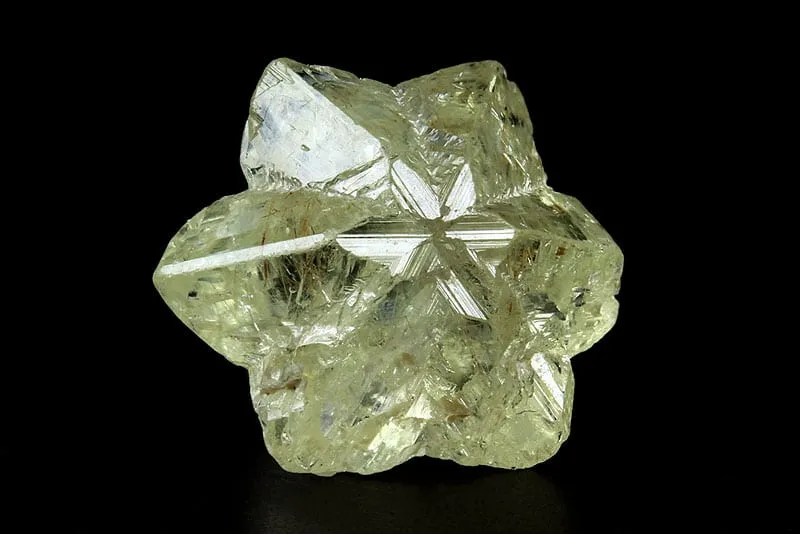
Family



Sources
- Chrysoberyl · Wikipedia
- Chatoyancy · Wikipedia
- Navaratna · Wikipedia
- Chrysoberyl Value, Price, and Jewelry Information · International Gem Society
- Anniversary Gifts by Year · International Gem Society
- Chrysoberyl Cat’s-eye (G. Roskin) · JCK, 2003
- Chrysoberyl Recovered with Sapphires in the New England Placer Deposits, New South Wales, Australia (K. Schmetzer, F. Caucia, H. A. Gilg, T. S. Coldham), Gems & Gemology 52(1) · GIA, 2016
- Structures Behind the Spectacle: A Review of Optical Effects in Phenomenal Gemstones and Their Underlying Nanotextures, Gems & Gemology · GIA, 2025
- The Curious Lore of Precious Stones (G. F. Kunz) · J. B. Lippincott Company; Project Gutenberg, 1913
- Handbook of Mineralogy: Chrysoberyl · Mineralogical Society of America
Draft: awaiting expert reviewReport an error
On the same step

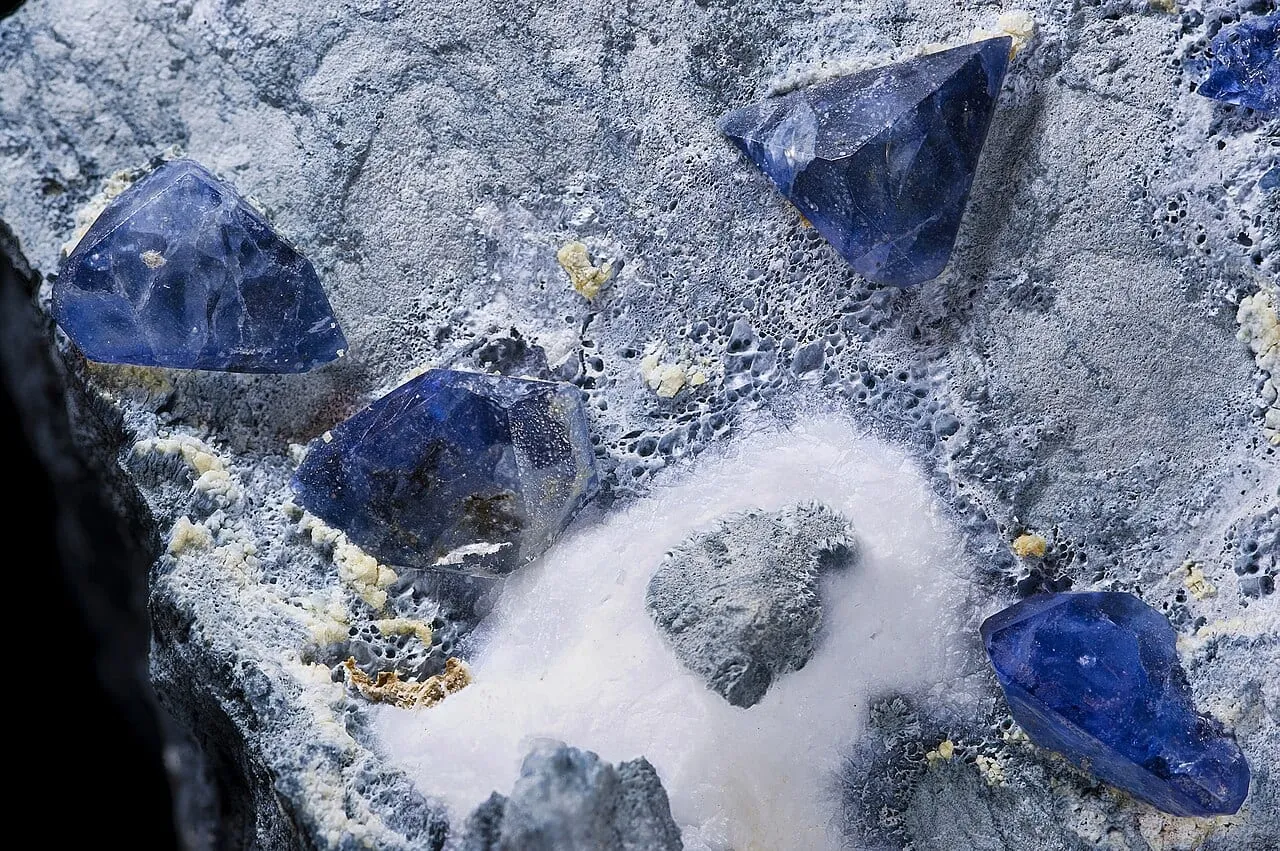
Benitoite
A sapphire-like blue stone whose gem crystals come from a single mine in the world: the official state gem of California.

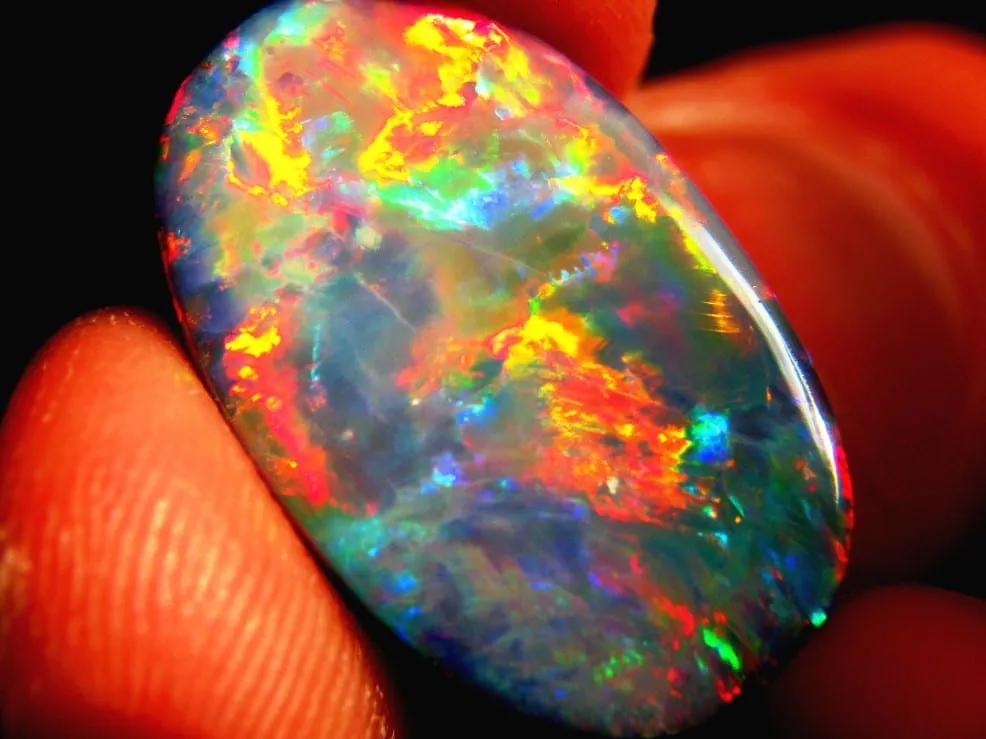
Black opal
Play-of-colour glowing against a dark grey or black body: the rarest and usually most valuable kind of opal, mostly from Lightning Ridge in Australia.

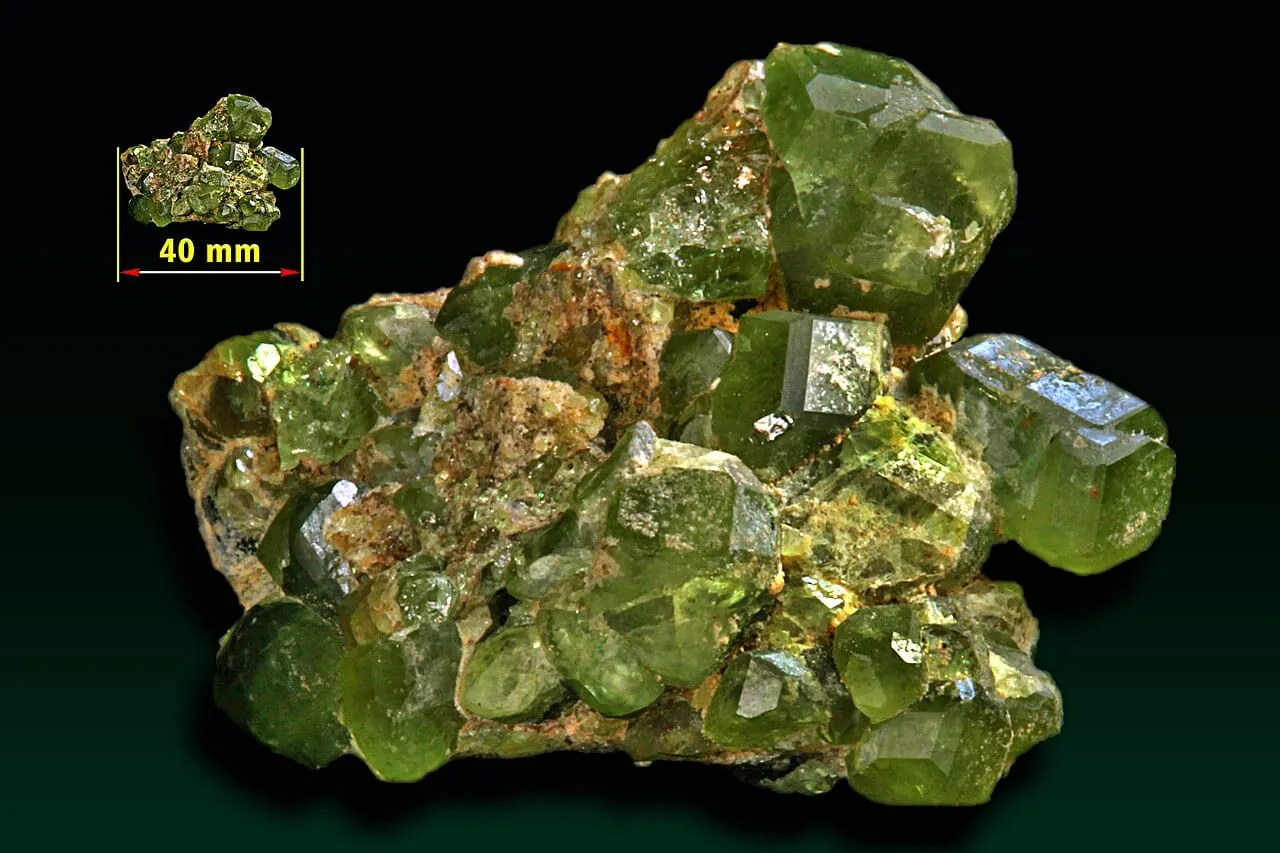
Demantoid
Its name means “diamond-like”: an emerald-green garnet that splits light more than diamond does, known since the 1850s from the Urals; a rare and valuable stone.