VarietyA variety of Agate
Crazy lace agate
SiO₂Çılgın dantel akik
A Mexican agate whose bands twist, fold and interlock: a “crazy” lace pattern in cream, yellow, grey and red.
Also known as: Mexican crazy lace agate
- Popularly: Semi-precious stone
In short
Crazy lace agate is a vein agate from the state of Chihuahua in Mexico. Unlike the regular, nested bands of most agates, its bands keep twisting, folding and winding into one another, and the name comes from this complex, lace-like pattern. Its colour is mostly between white and yellow; pink and red tones are rarer. Its classic source is the Sierra Santa Lucía near the village of Ejido Benito Juárez, where the stone is dug by hand from veins in limestone.
Photos
How does it form?
Crazy lace agate is a vein agate that forms in cracks in limestone. Silica-rich solutions seep into these cracks and leave silica behind layer by layer, until the vein gradually fills with chalcedony. According to the agate specialist Johann Zenz, the agates of the Sierra Santa Lucía lie in limestones roughly 180 to 70 million years old.
The origin of the pointed, tooth-like patterns in some pieces is known: sharp-edged, pointed calcite crystals first grew in the veins, and chalcedony later took their place. When one mineral replaces another while keeping its shape, the result is called a “pseudomorph”. Why the bands are so twisted, however, is not explained in detail in the sources.
What is it used for?
- Jewellery: It is used for cabochons, beads, pendants and earrings; being hard, it takes a good polish.
- Decoration and collecting: It is sold as spheres, slices and polished pieces for decoration and collections; no two pieces have the same pattern.
The agates of Chihuahua
The Mexican state of Chihuahua is known for its colourful agates. The best known of them is Laguna agate, with red, pink and white bands. Crazy lace agate, however, is a separate kind of agate that formed as veins in limestone rather than in the region’s volcanic rocks. According to Zenz it is found at other places too, but mostly comes from around the Sierra Santa Lucía. For the general features of banded agates, see the agate page, and for Namibia’s pale blue agate, the blue lace agate page.
What determines its value?
Pattern matters most: tight, complex and crisp folds, “eyes” and tooth-like shapes, and lively colour contrasts are what is sought. The rarer pink and red tones add interest. Freedom from cracks, the absence of hollows and crystalline patches, the quality of the polish and the size of the piece also count. As an ornamental stone, its value depends above all on the beauty of its pattern.
This information is educational, not buying, selling or investment advice. Value varies enormously with quality and treatment.
How to recognise it
- 1
White, cream, yellow, golden, grey and brown bands, and more rarely pink and red ones, twist and fold tightly into an intricate, lace-like pattern.
- 2
Here and there the pattern shows “eyes” made of concentric rings, and very fine bands.
- 3
Some pieces contain pointed, tooth-like shapes, formed where agate replaced sharp calcite crystals that once grew there.
- 4
It belongs to the quartz family and is hard (6.5–7): it scratches glass, and a steel knife cannot scratch it.
Myths and misconceptions
MythCrazy lace agate and Laguna agate are the same stone.
FactBoth come from the Mexican state of Chihuahua and are often confused. But classic Laguna agate forms in volcanic rocks, whereas crazy lace agate is the agate of a different deposit, found in veins within limestone.
MythCrazy lace agate is a colour of blue lace agate.
FactAlthough both names contain “lace”, the two stones come from different deposits. Blue lace agate is a pale blue agate formed in veins in dolerite in southern Namibia; crazy lace agate is a many-coloured agate with twisting bands from veins in limestone in Mexico.
What is it believed to be good for?
This section reports beliefs; it is not health information. There is no scientific evidence for these claims and no stone replaces medical treatment.
The meanings people give this stone, and who holds them:
- Today crystal-therapy websites present crazy lace agate as the “laughter stone” or “happy lace”, claiming that it brings joy, optimism and a positive outlook on life.
- The same sources claim that the stone brings emotional balance, gives people self-confidence and makes it easier to adapt to change.
What science says
Crazy lace agate is made of chemically inert silica; there is no scientific evidence that it brings joy, emotional balance or self-confidence. The “laughter stone” label comes from its playful, twisting pattern, not from any effect of the stone itself.
Did you know?
According to the agate specialist Johann Zenz, crazy lace agate is dug by hand, without machinery, from trenches up to 10 metres deep in the limestone of the Sierra Santa Lucía.
The pointed, tooth-like patterns inside the stone are known among collectors as “dogtooth lace”.
According to Zenz, the limestones that hold these agates are roughly 180 to 70 million years old, which makes them clearly older than most other Chihuahua agates.
Where is it found?
Loading map…
- Sierra Santa Lucía (near Ejido Benito Juárez), Chihuahua, Mexico · Type localityThe classic and main source: dug by hand from veins in limestone, in trenches up to 10 metres deep; known since the early 1950s
Locations are approximate to protect sites. Red dots mark places in Türkiye. Open in the big map →
Frequently asked questions
What is crazy lace agate?
Crazy lace agate is a vein agate from the state of Chihuahua in Mexico. Unlike the regular, nested bands of most agates, its bands keep twisting, folding and winding into one another, and the name comes from this complex, lace-like pattern. Its colour is mostly between white and yellow; pink and red tones are rarer. Its classic source is the Sierra Santa Lucía near the village of Ejido Benito Juárez, where the stone is dug by hand from veins in limestone.
What is crazy lace agate used for?
Jewellery: It is used for cabochons, beads, pendants and earrings; being hard, it takes a good polish. Decoration and collecting: It is sold as spheres, slices and polished pieces for decoration and collections; no two pieces have the same pattern.
How hard is crazy lace agate?
It has a hardness of 6.5–7 on the Mohs scale. It scratches glass and steel; a steel knife cannot scratch it. Its specific gravity is 2.59–2.61 g/cm³.
Where is crazy lace agate found?
Its best-known localities: Sierra Santa Lucía (near Ejido Benito Juárez), Chihuahua, Mexico.
How can you tell if crazy lace agate is real?
White, cream, yellow, golden, grey and brown bands, and more rarely pink and red ones, twist and fold tightly into an intricate, lace-like pattern. Here and there the pattern shows “eyes” made of concentric rings, and very fine bands. Some pieces contain pointed, tooth-like shapes, formed where agate replaced sharp calcite crystals that once grew there.
Is crazy lace agate valuable?
On the “street to diamond” value ladder it sits on step 5 of nine: Ornamental stone. Pattern matters most: tight, complex and crisp folds, “eyes” and tooth-like shapes, and lively colour contrasts are what is sought. The rarer pink and red tones add interest. Freedom from cracks, the absence of hollows and crystalline patches, the quality of the polish and the size of the piece also count. As an ornamental stone, its value depends above all on the beauty of its pattern.
What is crazy lace agate good for?
Today crystal-therapy websites present crazy lace agate as the “laughter stone” or “happy lace”, claiming that it brings joy, optimism and a positive outlook on life. The same sources claim that the stone brings emotional balance, gives people self-confidence and makes it easier to adapt to change. Crazy lace agate is made of chemically inert silica; there is no scientific evidence that it brings joy, emotional balance or self-confidence. The “laughter stone” label comes from its playful, twisting pattern, not from any effect of the stone itself. This section reports beliefs; it is not health information. There is no scientific evidence for these claims and no stone replaces medical treatment.
Family


Sources
- Colorful Agates from the Province of Chihuahua in Mexico (J. Zenz) · Mineralica Magazine, 2025
- Crazy Lace Agate · Minerals.net
- Laguna & Crazy Lace Agate: Science, Localities & Collecting · Grounded Lifestyles
- Crazy Lace Agate 05 (Sierra Santa Lucia, Chihuahua), photo description by Masha Milshina · Wikimedia Commons
- Ejido Benito Juárez (coordinates) · latitudelongitude.org
- Buenaventura Municipality · Wikipedia
- Agate · Wikipedia
Draft: awaiting expert reviewReport an error
On the same step

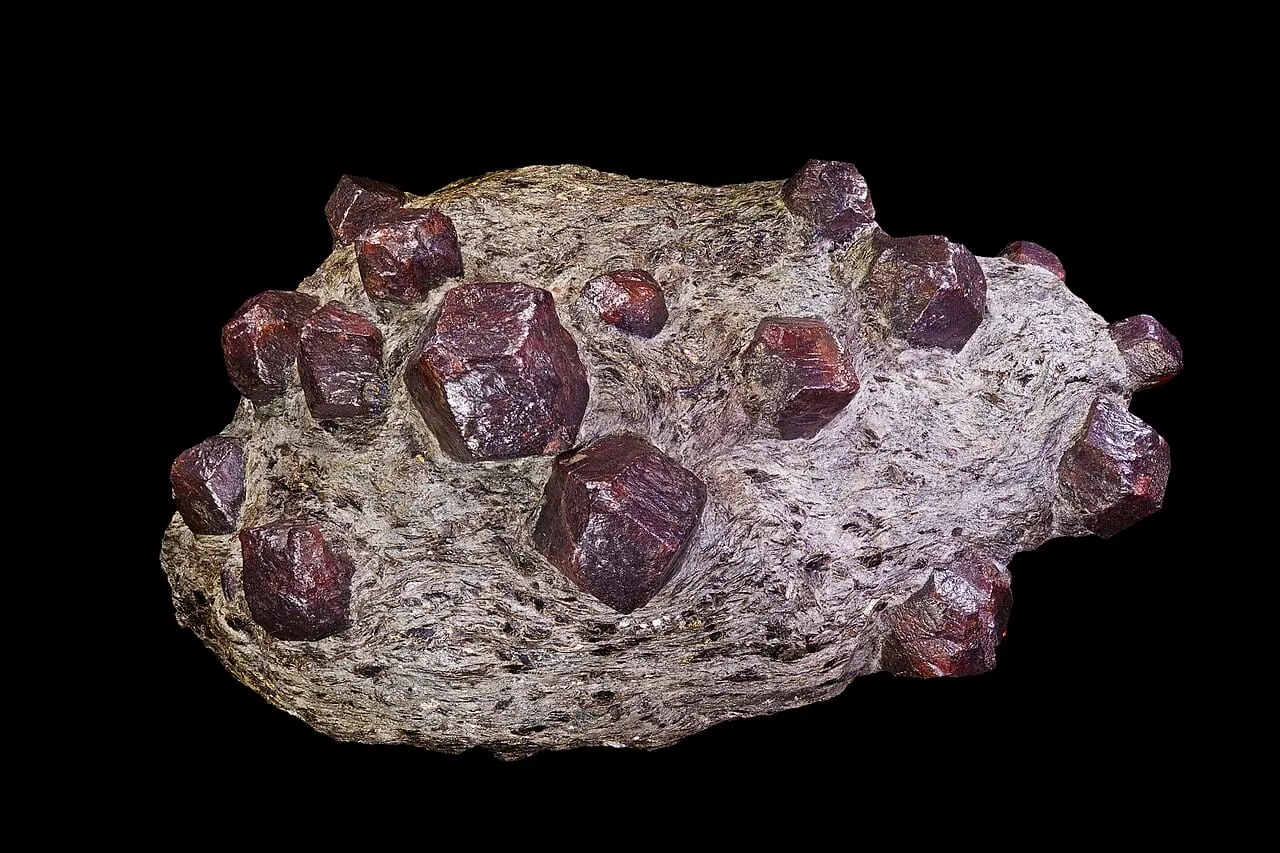
Almandine
The commonest garnet: a deep red, iron-rich stone named after the ancient city of Alabanda in Anatolia, used in jewellery and in sandpaper alike.
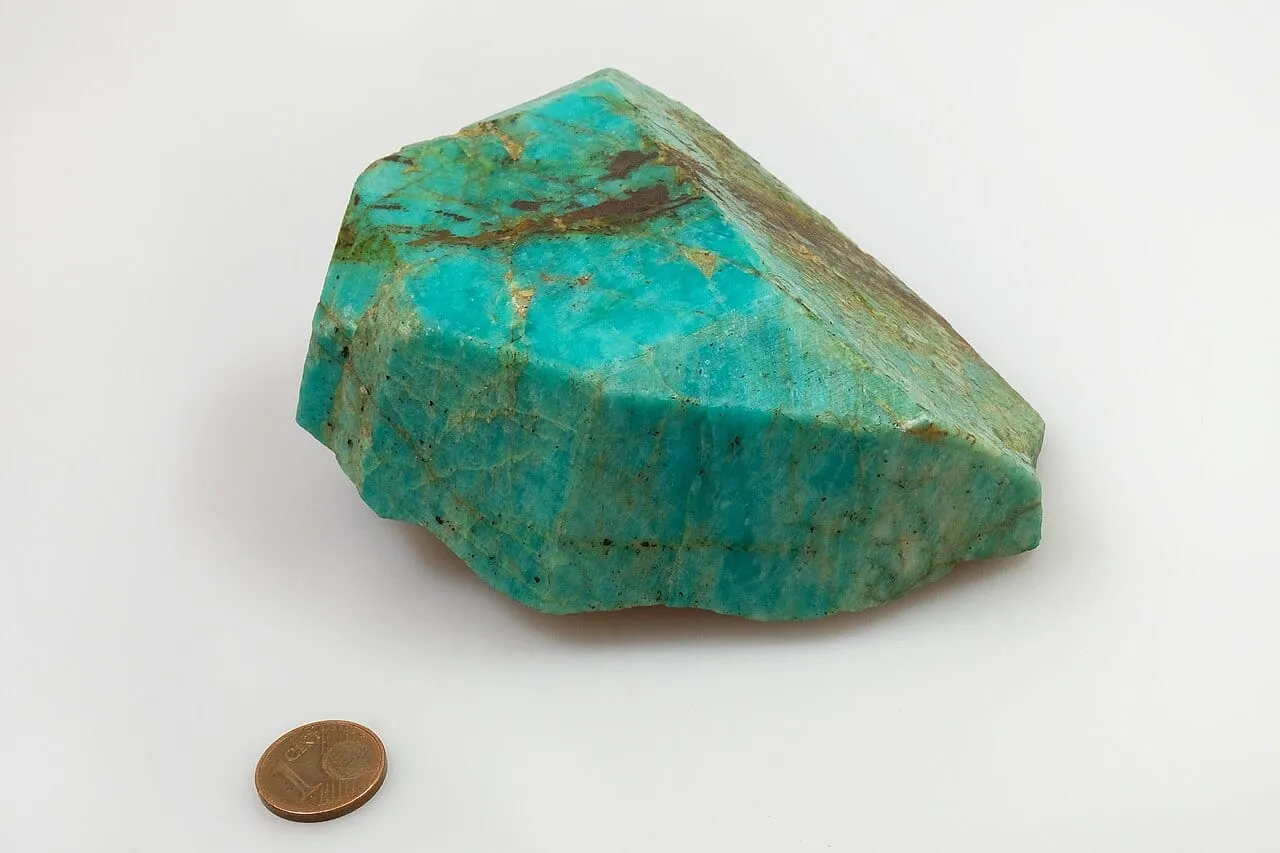
Amazonite
A turquoise-like green-blue feldspar: a variety of microcline worn as jewellery for more than three thousand years, but it can release lead.
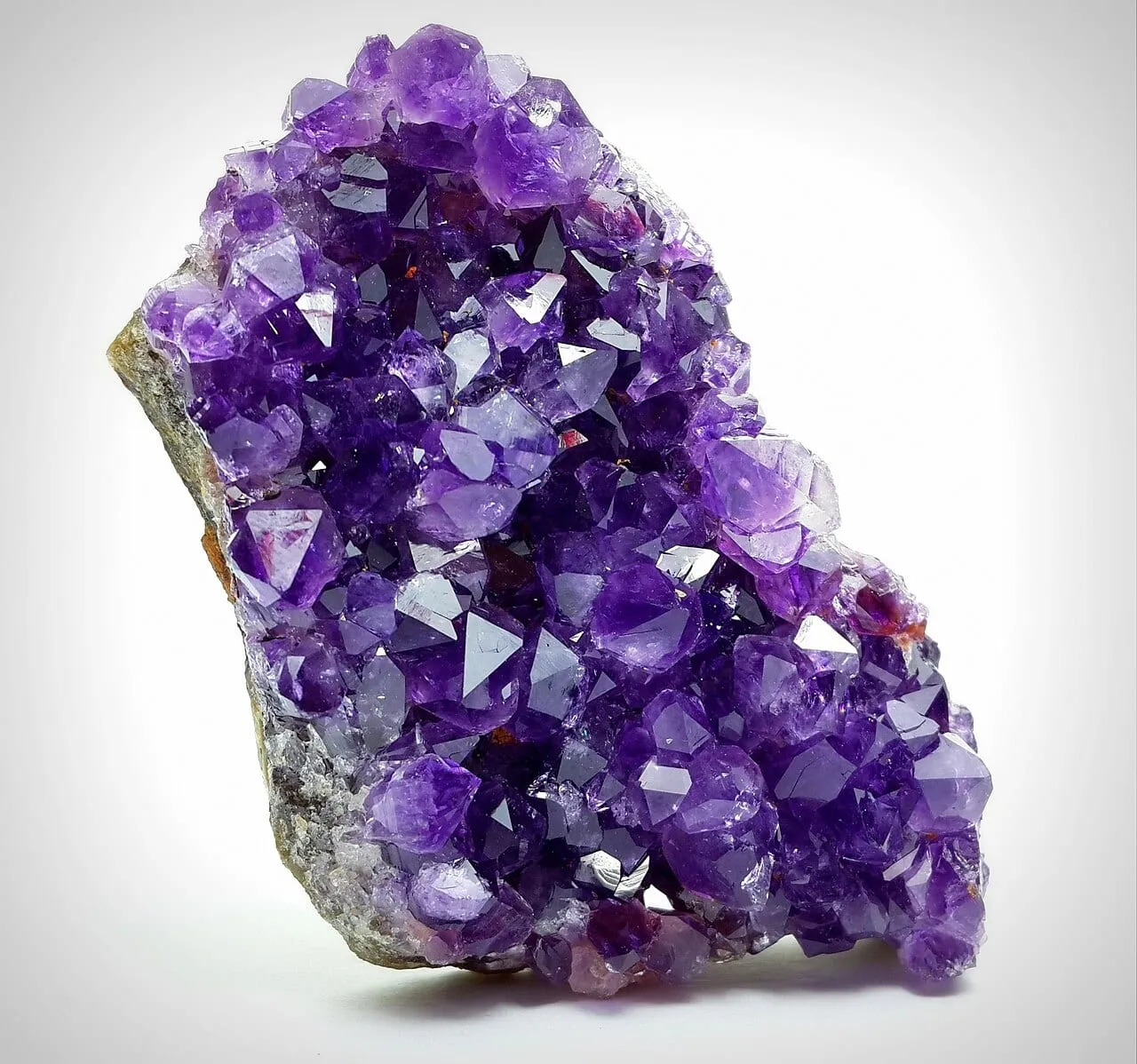
Amethyst
The purple variety of quartz, coloured by traces of iron working together with natural radiation.