Rock
Gabbro
Gabro
The deep building block of the ocean crust: the slowly cooled, coarse-grained twin of basalt.
- Building stone
- Ornamental
.jpg)
In short
Gabbro is a dark, coarse-grained rock that forms when the same magma that makes basalt cools slowly deep underground. Most of the lower part of the ocean crust is made of gabbro. Because it takes a dark, glossy polish, it is often sold in the stone trade as “black granite”.
How does it form?
Gabbro forms when silica-poor, iron- and magnesium-rich (mafic) magma produced by partial melting of the mantle cools slowly at depth. Its composition is the same as basalt; the difference lies in the cooling rate. At mid-ocean ridges part of the rising magma erupts as basalt lava, while the part that stays deep solidifies into the gabbro that forms the lower layers of the ocean crust.
On land, gabbro is exposed in giant layered intrusions such as South Africa’s Bushveld Complex, and in ophiolites — slices of ocean crust pushed onto the continents during mountain building. Türkiye’s ophiolites also contain layered and unlayered gabbros, for example in the Guleman ophiolite of Elazığ.
What is it used for?
- Building and monumental stone: Polished gabbro is sold as “black granite” for floors, worktops, cladding and gravestones.
- Crushed stone: Hard and durable, it is used as aggregate in road building.
- Ore deposits: Some layered gabbro intrusions host important deposits of platinum, chromium, nickel and copper. The Bushveld Complex is the world’s most important source of platinum.
Together with its fine-grained relatives basalt and diabase, gabbro helps us understand the structure of the ocean floor: in ophiolites these rocks are stacked one above another like a complete cross-section of ocean crust.
How to recognise it
- 1
It is dark grey, black or greenish black, and most of its grains can be seen with the naked eye.
- 2
Grey-white plagioclase is mixed with black-green pyroxene; there is no pink feldspar or glassy quartz as in granite.
- 3
It feels heavy for its size and is noticeably denser than granite.
- 4
It does not fizz in vinegar or dilute acid, and a steel knife cannot scratch its plagioclase grains.
Fakes and imitations
What shops usually don’t tell you:
- Much of the stone sold as “black granite” is gabbro, norite or diabase (dolerite); the name is commercial, not geological.
- Some “black granite” slabs are paler stones that have been dyed darker; wiping with a cotton pad soaked in acetone may lift the dye.
- Black-patterned porcelain tiles and quartz composite worktops have a regular, repeating pattern, whereas the grains in natural gabbro are scattered irregularly.
Did you know?
Gabbro takes its name from Gabbro, a small hamlet in Tuscany, Italy.
The jagged peaks of the Black Cuillin on Scotland’s Isle of Skye are made of gabbro.
Where is it found?
Loading map…
- Cuillin Hills, Isle of Skye, Scotland · Major depositThe jagged Black Cuillin are carved from a partly layered gabbro intrusion of Palaeogene age, about 8 km across.
- Bushveld Complex, South Africa · Major depositThe world's largest layered igneous intrusion; its gabbros and norites are quarried as “black granite”, and it hosts the world's most important platinum deposits.
- Gabbro, Rosignano Marittimo, Tuscany, Italy · Historic sourceThe rock takes its name from this hamlet in the ophiolites of the Apennines.
Locations are approximate to protect sites. Red dots mark places in Türkiye. Open in the big map →
Sources
- Gabbro · Encyclopaedia Britannica
- The Cuillin Complex, Skye · British Geological Survey (Earthwise)
- A Forearc (Guleman, Elazığ) Ophiolite: Evidence from Peridotite Mineral Geochemistry (Rizeli, Beyarslan & Bingöl) · Acta Geologica Sinica (English Edition), 2017
External links
Draft: awaiting expert reviewReport an error ↗
On the same step
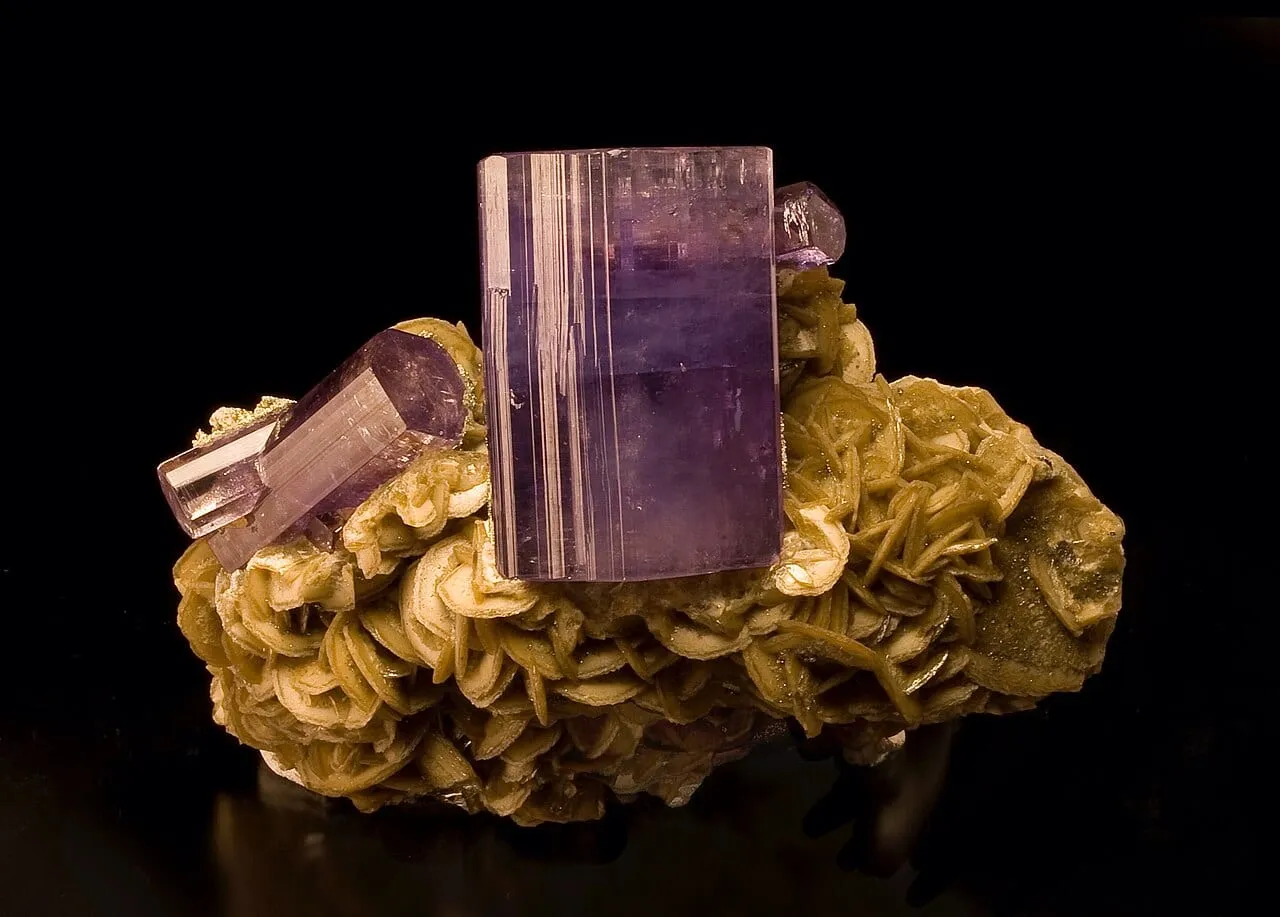
Apatite
A mineral cousin of our teeth and bones, the source of the phosphorus in fertilisers, and number 5 on the Mohs scale.
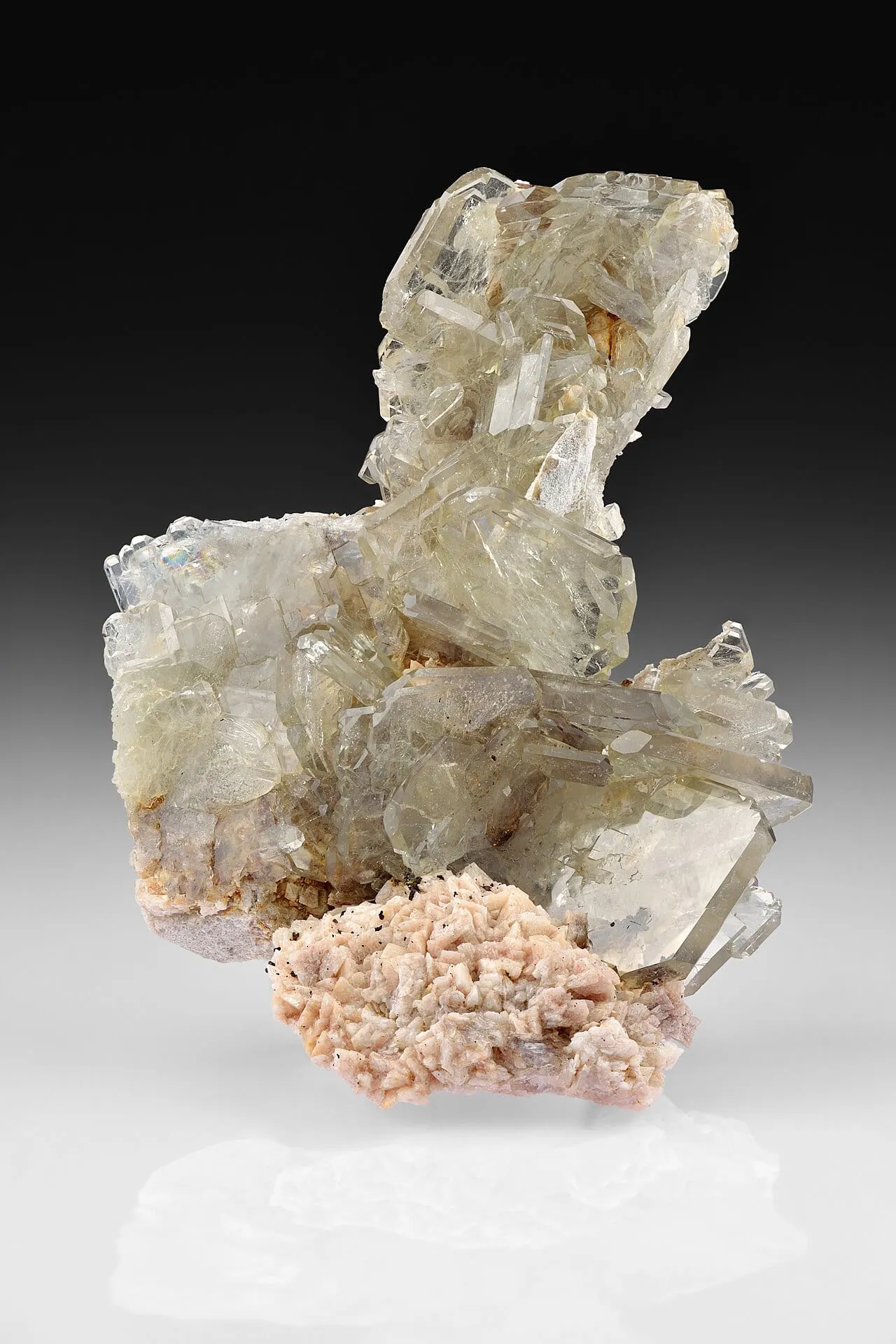
Baryte
A pale barium mineral that feels surprisingly heavy in the hand; even its name comes from the Greek word for heavy.
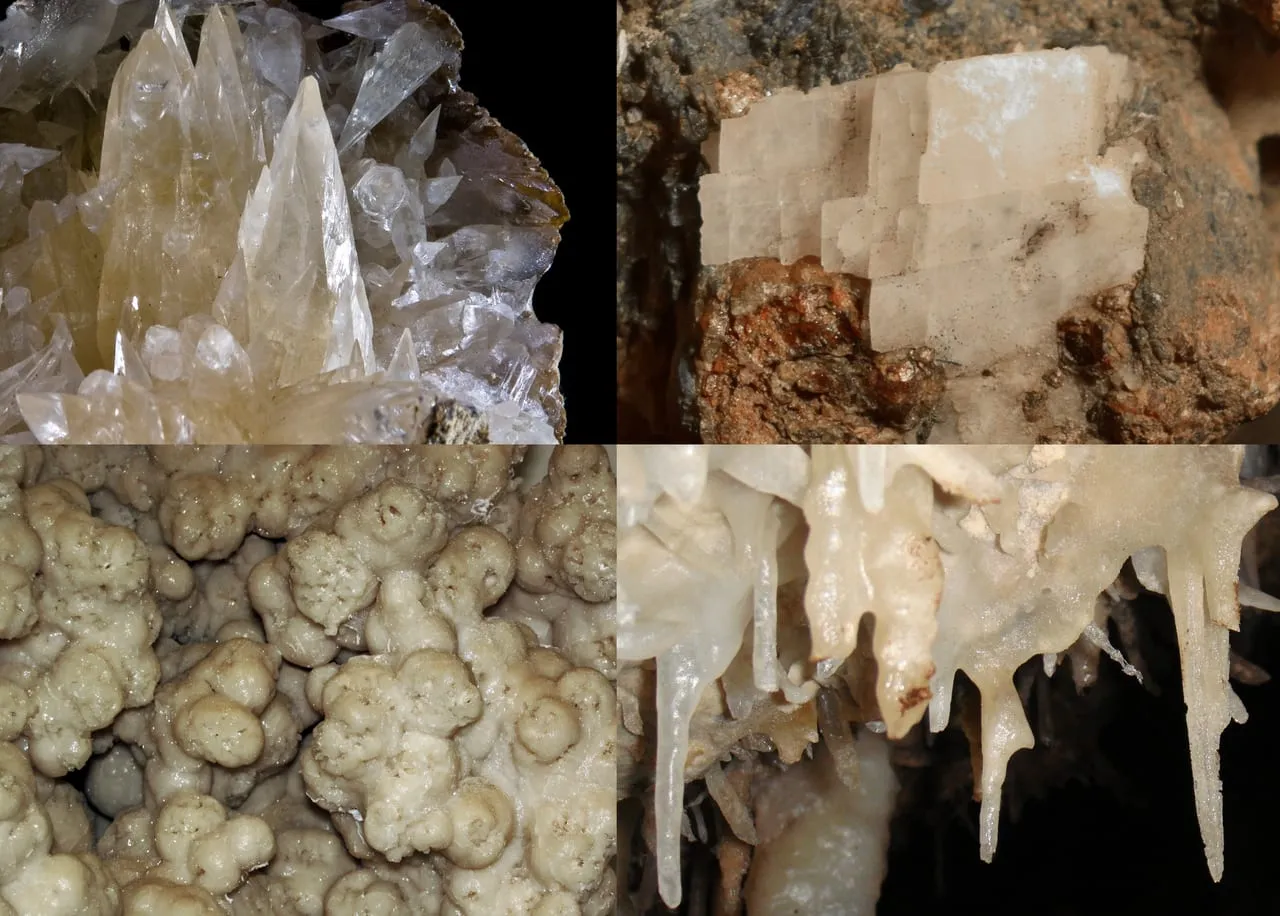
Calcite
The main mineral of limestone, marble and cave stalactites: it fizzes in acid, and its clear crystals show everything double.