VarietyA variety of Spodumene
Kunzite
LiAlSi₂O₆Kunzit
The pink-lilac variety of spodumene: named after Tiffany's mineralogist George F. Kunz, and its colour can fade in light.
- Popularly: Semi-precious stone
- Gemstone
In short
Kunzite is the pale pink to violet variety of the mineral spodumene, coloured by traces of manganese. It was found in California in 1902 and takes its name from George Frederick Kunz, the Tiffany & Co. mineralogist who recognised it. Its crystals are often large and clean, but its two perfect cleavages call for care in cutting and wear.
Photos
How does it form?
Kunzite, like the other spodumene varieties, forms in lithium-rich granite pegmatites: a pegmatite is a coarse-grained rock that crystallises from the last, water-rich part of a magma as it cools slowly. The pink-lilac colour comes from traces of manganese built into the spodumene crystal structure. Pink crystals found in the pegmatites of the Pala district of California in 1902 were sent to George F. Kunz of Tiffany & Co., who recognised them as a new colour of spodumene.
What is it used for?
Kunzite is mainly a gem: it is used as a faceted stone in rings, pendants and earrings. The crystals are often large and clean, so big stones can be cut. Because of its two cleavages, cutters orient the stone with care, and in jewellery exposed to knocks, such as rings, the risk of damage has to be kept in mind. Raw crystals also appear in museums and collections.
Its colour and care
The pink-lilac colour of kunzite comes from manganese; it can be affected by heat and strong light and may fade. That is why kunzite jewellery should not be left for long in sunlight or hot places, and is best stored in a closed box when it is not worn. The colour of kunzite can be strengthened by irradiation followed by heating.
What determines its value?
Colour matters most in kunzite: saturated, vivid tones from pink to violet are the most sought after. Because the colour looks deepest down the length of the crystal, cutters often cut the stone deep to strengthen it. Kunzite usually has few inclusions, so clean stones are common and large stones can be found; colour and cut quality count for more than clarity. The colour may have been strengthened by irradiation and heating, and since it can fade in light and heat, how the stone has been stored also matters for keeping its value.
This information is educational, not buying, selling or investment advice. Value varies enormously with quality and treatment.
How to recognise it
- 1
Its colour runs from pale pink to lilac and violet. It is pleochroic: the colour looks darkest and most vivid when viewed down the length of the crystal.
- 2
Its hardness is 6.5–7, but it has two perfect cleavages; a hard knock or pressure can split it along those surfaces.
- 3
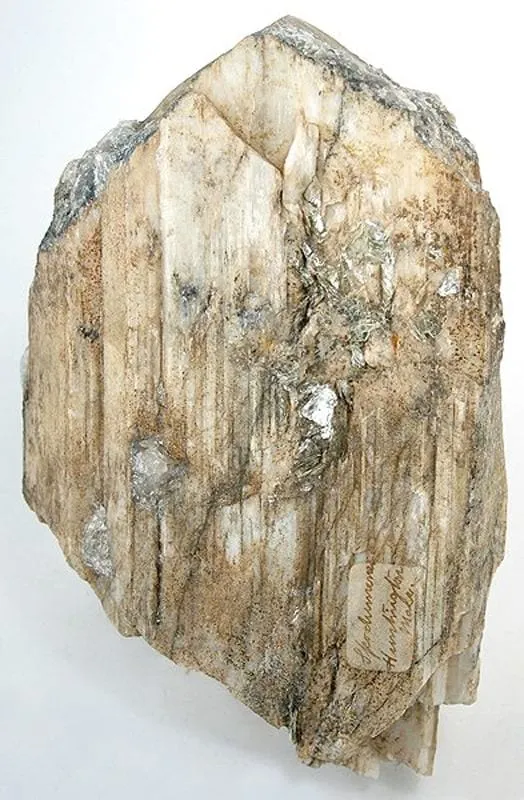
Crystals are long, flattened prisms with faces striated along their length. They usually have few inclusions and are clean.
- 4
It can be mistaken for other pink stones such as morganite (pink beryl); a gem laboratory is needed for certain identification.
Fakes and imitations
What shops usually don’t tell you:
- Irradiated and heated kunzite: the colour of kunzite can be strengthened by irradiation followed by heating. The buyer should be told when this has been done.
Myths and misconceptions
MythKunzite and morganite are the same stone.
FactBoth are pink, but kunzite is the pink variety of spodumene and morganite is a variety of beryl; they are different minerals. Kunzite is softer (6.5–7, against 7.5–8 for beryl) and has two perfect cleavages.
MythKunzite keeps its colour for ever.
FactAccording to GIA, the colour of both natural and treated kunzite can fade with exposure to heat and bright light. That is why kunzite jewellery is best kept in a closed box when it is not being worn.
What is it believed to be good for?
This section reports beliefs; it is not health information. There is no scientific evidence for these claims and no stone replaces medical treatment.
The meanings people give this stone, and who holds them:
- Today crystal-therapy practitioners say that kunzite is linked to the heart chakra, steadies emotions in heartbreak and distress, eases fear and worry about the future, and brings gentle, loving dreams.
- The same circles also claim that kunzite relieves headaches and joint pain, helps the heart and circulation and the digestion, and helps in the struggle against alcohol dependence.
What science says
There is no scientific evidence that kunzite balances emotions, changes dreams or helps any ailment; for alcohol dependence or lasting pain, see a doctor rather than relying on a stone. Because kunzite was only recognised in 1902, these beliefs come not from an old tradition but from recent crystal-therapy thinking.
Did you know?
A heart-shaped kunzite of 880 carats is on display at the Smithsonian Institution.
The stone was named in 1903 by the chemistry professor Charles Baskerville; the Tiffany & Co. mineralogist George F. Kunz had confirmed that the pink crystals sent from Pala in 1902 were spodumene, and that only the colour was new.
In his 1913 book Kunz proposes a list of stones for each month made up of gems found in the United States, as a patriotic gesture; kunzite is the stone for September.
Where is it found?
Loading map…
- Pala district, San Diego County, California, USA · Historic sourceKunzite was found here in 1902; known for the Pala Chief and White Queen mines, and GIA also mentions the Oceanview Mine
- Nuristan Province, Afghanistan · Major depositConsiderable quantities of kunzite have been taken from its pegmatites
- Laghman Province, Afghanistan · Known localityPegmatites around Mawi and Kantiva
- Eastern Minas Gerais, Brazil · Major depositA pegmatite province; GIA lists Brazil among the main sources of kunzite
- Antsirabe area, Vakinankaratra, Madagascar · Known localityThe area of pegmatite deposits such as Mt. Bity and Anjanabonoina
Locations are approximate to protect sites. Red dots mark places in Türkiye. Open in the big map →
Frequently asked questions
What is kunzite?
Kunzite is the pale pink to violet variety of the mineral spodumene, coloured by traces of manganese. It was found in California in 1902 and takes its name from George Frederick Kunz, the Tiffany & Co. mineralogist who recognised it. Its crystals are often large and clean, but its two perfect cleavages call for care in cutting and wear.
What is kunzite used for?
Kunzite is mainly a gem: it is used as a faceted stone in rings, pendants and earrings. The crystals are often large and clean, so big stones can be cut. Because of its two cleavages, cutters orient the stone with care, and in jewellery exposed to knocks, such as rings, the risk of damage has to be kept in mind. Raw crystals also appear in museums and collections.
How hard is kunzite?
It has a hardness of 6.5–7 on the Mohs scale. It scratches glass and steel; a steel knife cannot scratch it. Its specific gravity is 3.03–3.23 g/cm³.
Where is kunzite found?
Its best-known localities: Nuristan Province, Afghanistan; Eastern Minas Gerais, Brazil; Pala district, San Diego County, California, USA; Laghman Province, Afghanistan; Antsirabe area, Vakinankaratra, Madagascar.
How can you tell if kunzite is real?
Its colour runs from pale pink to lilac and violet. It is pleochroic: the colour looks darkest and most vivid when viewed down the length of the crystal. Its hardness is 6.5–7, but it has two perfect cleavages; a hard knock or pressure can split it along those surfaces. Crystals are long, flattened prisms with faces striated along their length. They usually have few inclusions and are clean. Irradiated and heated kunzite: the colour of kunzite can be strengthened by irradiation followed by heating. The buyer should be told when this has been done.
Is kunzite valuable?
On the “street to diamond” value ladder it sits on step 6 of nine: Fine ornamental and collector stone. Colour matters most in kunzite: saturated, vivid tones from pink to violet are the most sought after. Because the colour looks deepest down the length of the crystal, cutters often cut the stone deep to strengthen it. Kunzite usually has few inclusions, so clean stones are common and large stones can be found; colour and cut quality count for more than clarity. The colour may have been strengthened by irradiation and heating, and since it can fade in light and heat, how the stone has been stored also matters for keeping its value.
What is kunzite good for?
Today crystal-therapy practitioners say that kunzite is linked to the heart chakra, steadies emotions in heartbreak and distress, eases fear and worry about the future, and brings gentle, loving dreams. The same circles also claim that kunzite relieves headaches and joint pain, helps the heart and circulation and the digestion, and helps in the struggle against alcohol dependence. There is no scientific evidence that kunzite balances emotions, changes dreams or helps any ailment; for alcohol dependence or lasting pain, see a doctor rather than relying on a stone. Because kunzite was only recognised in 1902, these beliefs come not from an old tradition but from recent crystal-therapy thinking. This section reports beliefs; it is not health information. There is no scientific evidence for these claims and no stone replaces medical treatment.
Family


Sources
- Kunzite Description (Gem Encyclopedia) · GIA
- Kunzite Quality Factors · GIA
- Kunzite History and Lore · GIA
- Handbook of Mineralogy: Spodumene · Mineralogical Society of America
- Spodumene · Wikipedia
- Pala, California · Wikipedia
- The Curious Lore of Precious Stones (G. F. Kunz) · J. B. Lippincott Company (Project Gutenberg), 1913
External links
Draft: awaiting expert reviewReport an error ↗
On the same step
Amber
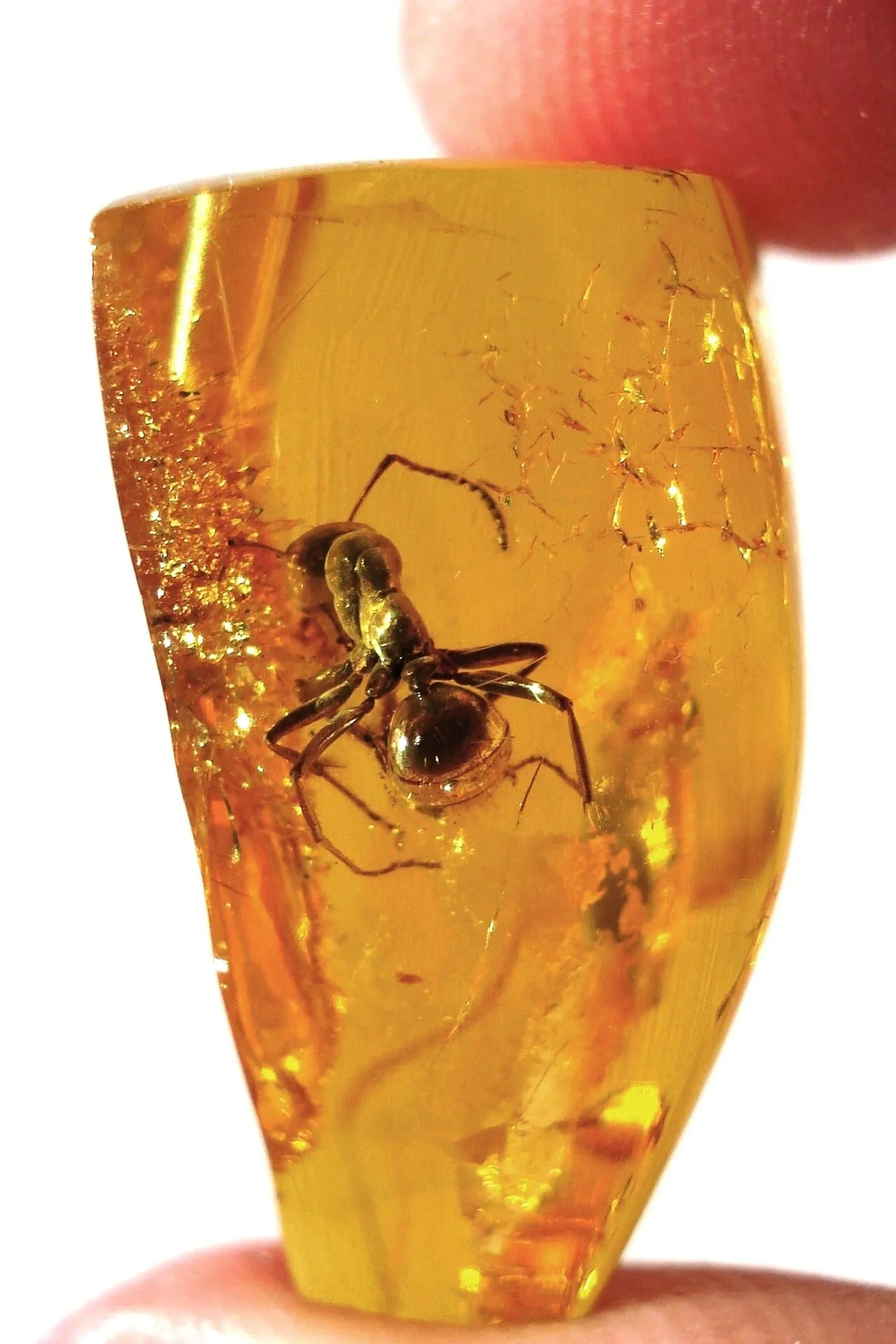
Tree resin fossilised over millions of years: a light, warm organic gem that sometimes holds prehistoric insects.
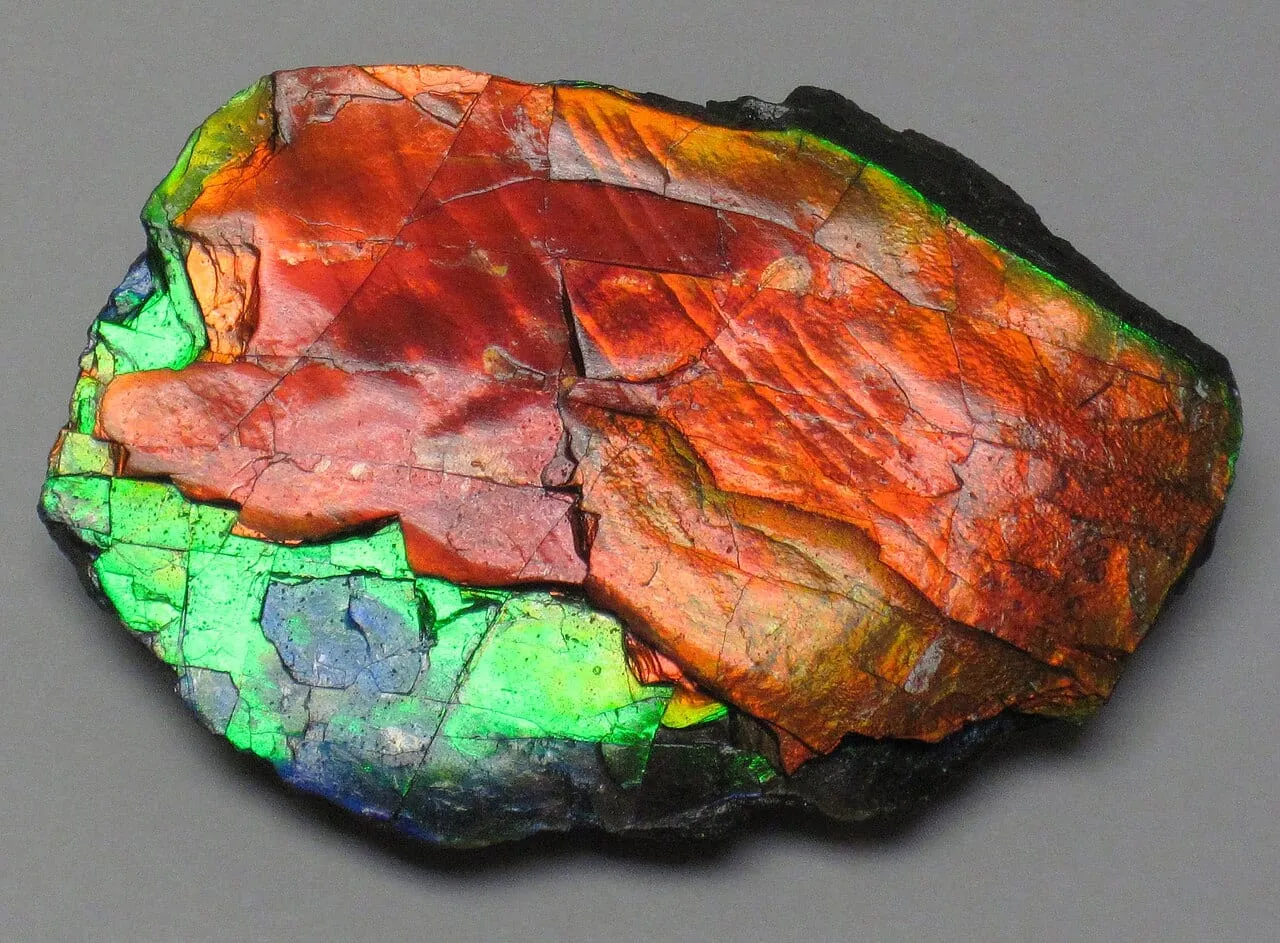
Ammolite
The rainbow-bright layer of fossil ammonite shell; of gem quality it comes only from the Canadian province of Alberta.

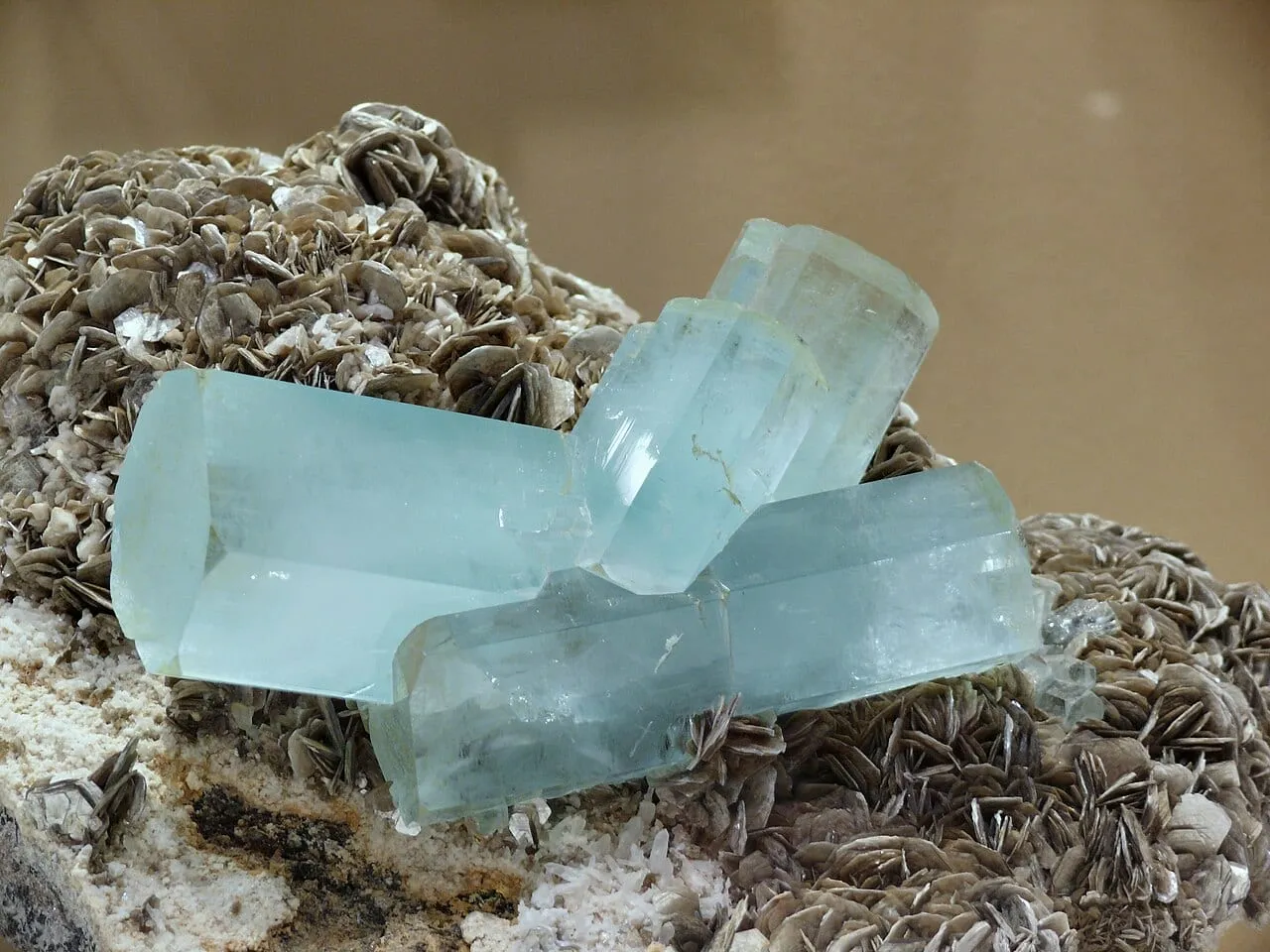
Aquamarine
The blue member of the beryl family, named after seawater: often found as large, clear, nearly flawless crystals.