VarietyA variety of Opal
Ethiopian opal
SiO₂·nH₂OEtiyopya opali
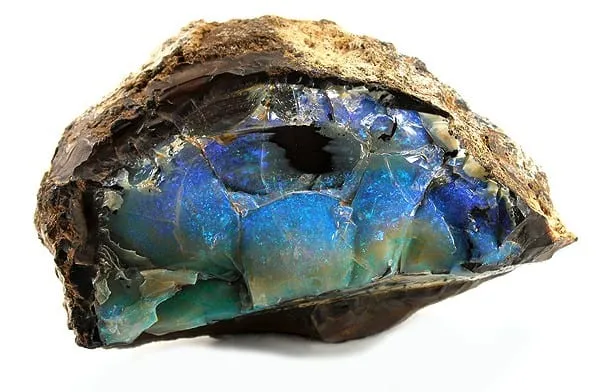
Opal from Ethiopia's volcanic rocks, mostly with a white body and very vivid play-of-colour; it soaks up water like a sponge and returns to normal as it dries.
Also known as: Welo opal · Wollo opal · Wegel Tena opal · Mezezo opal (Shewa Province)
- Popularly: Semi-precious stone
In short
Ethiopian opal is precious opal from the volcanic rocks of northern Ethiopia. The first stones were found in 1994 around Mezezo in Shewa Province, but most of them cracked and broke on their own, so they were of little use in jewellery. The deposit that farmers found in 2008 near the village of Wegel Tena in Wollo Province, however, yielded far sounder opal in large amounts; these stones entered the world market as “Welo opal”. Most Wollo opals have a white body, often with very vivid play-of-colour, and resemble Australian opals. Most are “hydrophane”: being porous, they absorb water, turn transparent when wet and return to their former look as they dry.
Photos
How does it form?
Ethiopian opal is of volcanic origin. Around Wegel Tena, about 30 million years ago, when the East African Rift began to open, layers of basalt and ignimbrite (a rock formed when volcanic ash, glass and rock fragments settle and harden) built up to a thickness of more than 3,000 metres. In this whole thick sequence, opal occurs only in a single layer less than a metre thick within the ignimbrite. Silica-bearing water cemented the volcanic debris in this layer and sometimes filled cracks and cavities, which is why rough opal is often irregular in shape.
The Mezezo opals of Shewa also form as nodules in volcanic rock. At the Stayish mine in Wollo, dark and black opal occurs where volcanic rock meets clay-rich layers. Most Ethiopian opals have the “opal-CT” structure common in volcanic opals.
What is it used for?
- Jewellery: it is cut as cabochons and set in rings, necklaces and earrings; major jewellery houses have also used Wollo opal in their designs. Being hydrophane, it should not be soaked in water or other liquids.
- Collecting: large pieces with digit patterns and vivid play-of-colour attract collectors.
- Science: Ethiopian opals are used in research on how opal absorbs water, why it cracks and how its deposit of origin can be recognised.
Hydrophane opal and its care
Hydrophane opal soaks up water and other liquids like a sponge through its pores. Some Wollo opals absorb water so fast that small air bubbles rise from their surface. A wet stone turns transparent and its play-of-colour may change for a while; as it dries it returns to its former look. One wearer who never took her opal off reported that it became transparent in the shower or when swimming, but always returned to normal afterwards. Ethiopian opals should therefore not be soaked in water or other liquids; the same porosity also makes them easy to dye and darken.
Where is it found?
Ethiopia’s first precious opal was found in 1994 around Mezezo, in the Menz Gishe district of North Shewa. In 2008 a far more productive deposit was discovered about 200 km further north, near the village of Wegel Tena in Wollo Province, in a canyon of a Blue Nile tributary. In 2013 a third deposit, yielding mostly dark and black opal, was found at the Stayish mine near Gashena, also in Wollo. For opal as a whole, see the opal page; for dark-background opal, see black opal.
What determines its value?
The value of Ethiopian opal depends mostly on the brightness, range of colours and pattern of its play-of-colour; body colour, transparency, size and freedom from cracks also count. It is generally less expensive than Australian opal of similar quality. Being hydrophane, it is very prone to treatments such as dyeing and smoke or sugar-acid darkening; treated stones are worth far less than natural ones and must be disclosed at sale. Because transparent fire and crystal opals carry a higher risk of crazing, the soundness of the stone also affects its value.
This information is educational, not buying, selling or investment advice. Value varies enormously with quality and treatment.
How to recognise it
- 1
If a stone turns transparent and its play-of-colour changes for a while when it gets wet, and then returns to normal as it dries, it is most likely a hydrophane Ethiopian opal.
- 2
Many stones show a finger- or column-like texture in which transparent opal with play-of-colour interlocks with more turbid opal. These “digit patterns” differ from the more regular, polygonal columns of synthetic opal by their rounded outlines.
- 3
Its specific gravity when dry is about 1.74–1.89; stones left in water can take up more than 10 percent of their weight in water.
- 4
Stones with a vivid purple colour unknown in nature, or a very dark colour, may be dyed or smoked. A certain identification needs a gemmological laboratory.
Fakes and imitations
What shops usually don’t tell you:
- Dyed opal: porous Wollo opal takes dye easily. In 2011, purple opals with play-of-colour sold as coming “from a new deposit in Mexico” turned out to be dyed Ethiopian opal.
- Smoked and sugar-acid darkened opal: white Wollo opal can be darkened to look like black opal; black stains and dots show on the surface or in the pores under a loupe.
- Synthetic opal and plastic or glass imitations are also sold; digit patterns and laboratory testing help tell them apart.
Myths and misconceptions
MythOpal that turns transparent or changes colour in water is fake.
FactMost Wollo opals are hydrophane: being porous, they absorb water, turn transparent when wet and return to their former look as they dry. This is a natural property; even so, these opals should not be soaked in water or other liquids.
MythEthiopian opals are fragile and all of them crack in time.
FactMany of the Shewa (Mezezo) opals found in 1994 did crack on their own. But the opaque and translucent opals of the Wollo deposit found in 2008 are far sounder; crazing is seen mainly in transparent fire and crystal opals.
MythThe colour of purple or black Ethiopian opal is natural.
FactA vivid purple body colour is not known in natural play-of-colour opal; such stones have been dyed. Some black-looking stones have also been darkened with smoke or sugar and acid. Natural black opal is also mined in Wollo, but telling them apart needs laboratory testing.
Did you know?
The Wegel Tena deposit is a single layer less than a metre thick within a pile of basalt and volcanic ash layers about 3,000 metres thick.
In one study, stones cut from the opaque and translucent opals of Wegel Tena were dropped 1.5 metres onto a concrete floor and showed no damage at all.
Reaching the opal layer means a walk of half an hour to an hour down a steep canyon from a plateau at about 3,200 metres.
At the 2011 Tucson gem show in the USA, beautiful and relatively inexpensive Wollo opal appeared in abundance.
Where is it found?
Loading map…
- Wegel Tena (Tsehay Mewcha), Delanta, North Wollo, Ethiopia · Major depositFound by farmers in 2008, the source of “Welo opal”; the opal lies in a thin layer in a canyon of a Blue Nile tributary, about 17 km northeast of the village
- Mezezo, Menz Gishe, North Shewa, Ethiopia · Historic sourceWhere Ethiopia’s first precious opal was found, in 1994; nodules in volcanic rock, mostly orange to brown. The point is approximate
- Stayish mine, near Gashena, Wollo, Ethiopia · Known localityA deposit that has yielded mostly dark and black opal since 2013; the point is approximate
Locations are approximate to protect sites. Red dots mark places in Türkiye. Open in the big map →
Frequently asked questions
What is ethiopian opal?
Ethiopian opal is precious opal from the volcanic rocks of northern Ethiopia. The first stones were found in 1994 around Mezezo in Shewa Province, but most of them cracked and broke on their own, so they were of little use in jewellery. The deposit that farmers found in 2008 near the village of Wegel Tena in Wollo Province, however, yielded far sounder opal in large amounts; these stones entered the world market as “Welo opal”. Most Wollo opals have a white body, often with very vivid play-of-colour, and resemble Australian opals. Most are “hydrophane”: being porous, they absorb water, turn transparent when wet and return to their former look as they dry.
What is ethiopian opal used for?
Jewellery: it is cut as cabochons and set in rings, necklaces and earrings; major jewellery houses have also used Wollo opal in their designs. Being hydrophane, it should not be soaked in water or other liquids. Collecting: large pieces with digit patterns and vivid play-of-colour attract collectors. Science: Ethiopian opals are used in research on how opal absorbs water, why it cracks and how its deposit of origin can be recognised.
How hard is ethiopian opal?
It has a hardness of 5.5–6.5 on the Mohs scale. It can scratch glass; a steel knife scratches it only with difficulty. Its specific gravity is 1.74–1.89 g/cm³.
Where is ethiopian opal found?
Its best-known localities: Wegel Tena (Tsehay Mewcha), Delanta, North Wollo, Ethiopia; Mezezo, Menz Gishe, North Shewa, Ethiopia; Stayish mine, near Gashena, Wollo, Ethiopia.
How can you tell if ethiopian opal is real?
If a stone turns transparent and its play-of-colour changes for a while when it gets wet, and then returns to normal as it dries, it is most likely a hydrophane Ethiopian opal. Many stones show a finger- or column-like texture in which transparent opal with play-of-colour interlocks with more turbid opal. These “digit patterns” differ from the more regular, polygonal columns of synthetic opal by their rounded outlines. Its specific gravity when dry is about 1.74–1.89; stones left in water can take up more than 10 percent of their weight in water. Dyed opal: porous Wollo opal takes dye easily. In 2011, purple opals with play-of-colour sold as coming “from a new deposit in Mexico” turned out to be dyed Ethiopian opal.
Is ethiopian opal valuable?
On the “street to diamond” value ladder it sits on step 6 of nine: Fine ornamental and collector stone. The value of Ethiopian opal depends mostly on the brightness, range of colours and pattern of its play-of-colour; body colour, transparency, size and freedom from cracks also count. It is generally less expensive than Australian opal of similar quality. Being hydrophane, it is very prone to treatments such as dyeing and smoke or sugar-acid darkening; treated stones are worth far less than natural ones and must be disclosed at sale. Because transparent fire and crystal opals carry a higher risk of crazing, the soundness of the stone also affects its value.
Family
_11.jpg)
.jpg)
Sources
- Play-of-Color Opal from Wegel Tena, Wollo Province, Ethiopia (B. Rondeau, E. Fritsch, F. Mazzero, J.-P. Gauthier, B. Cenki-Tok, E. Bekele, E. Gaillou), Gems & Gemology 46(2) · GIA, 2010
- Opal from Shewa Province, Ethiopia (M. L. Johnson, R. C. Kammerling, D. G. DeGhionno, J. I. Koivula), Gems & Gemology 32(2) · GIA, 1996
- New Deposit of Black Opal from Ethiopia (L. Kiefert, P. Hardy, T. Sintayehu, B. Abate, G. Woldetinsae), Gem News International, Gems & Gemology 50(4) · GIA, 2014
- Dyed Purple Hydrophane Opal (N. Renfro, S. F. McClure), Gems & Gemology 47(4) · GIA, 2011
- Ethiopian Opal (H. M. King) · Geology.com
- Opal · Wikipedia
- Delanta · Wikipedia
- Mezezo Opal Occurrence, North Shewa Zone, Amhara Region, Ethiopia · Gemdat
Draft: awaiting expert reviewReport an error
On the same step
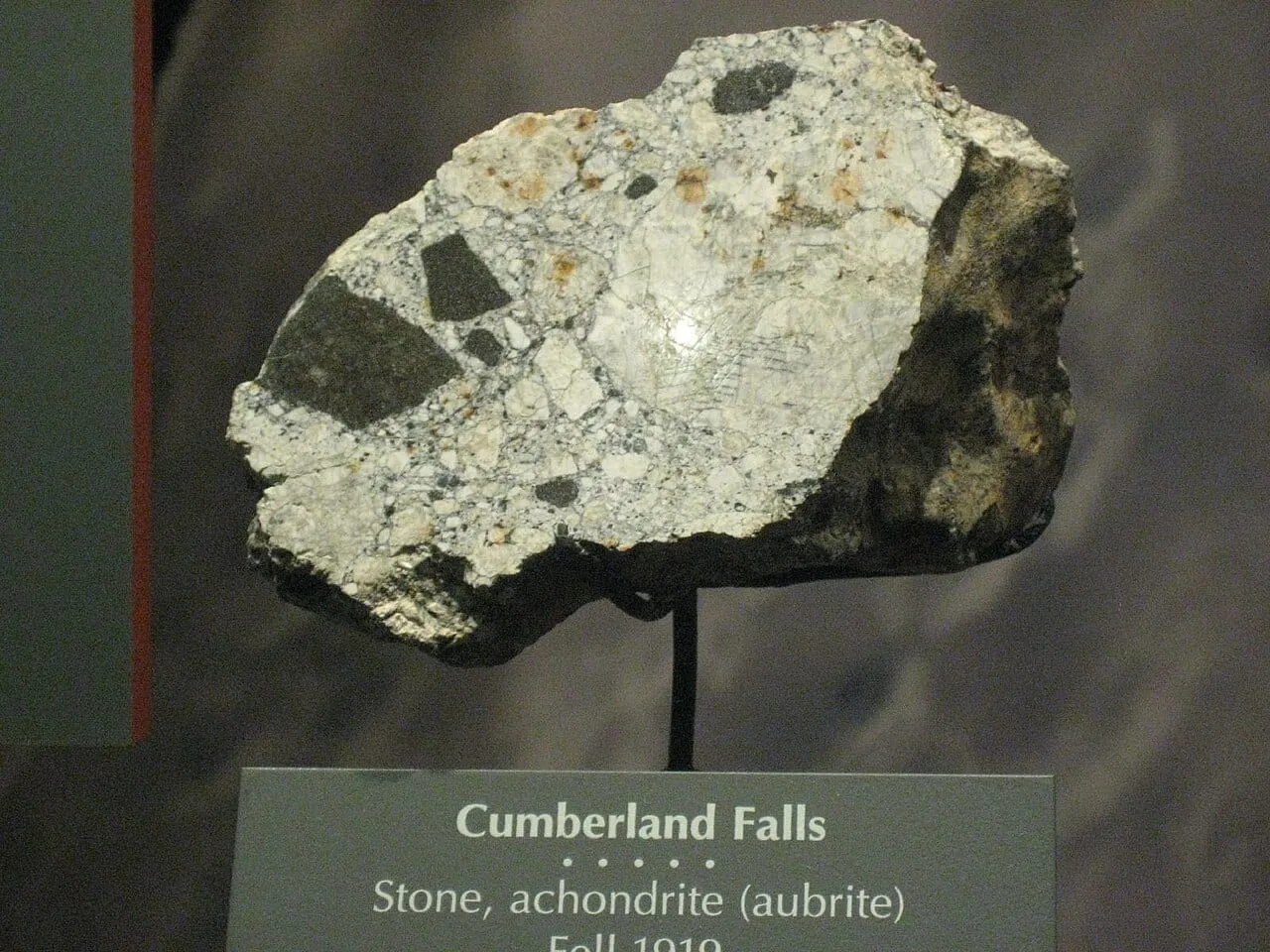
Achondrite
Stony meteorites with no chondrules: rock from melted asteroids, the Moon and Mars, and hard to recognise because they look like Earth rocks.
Amber
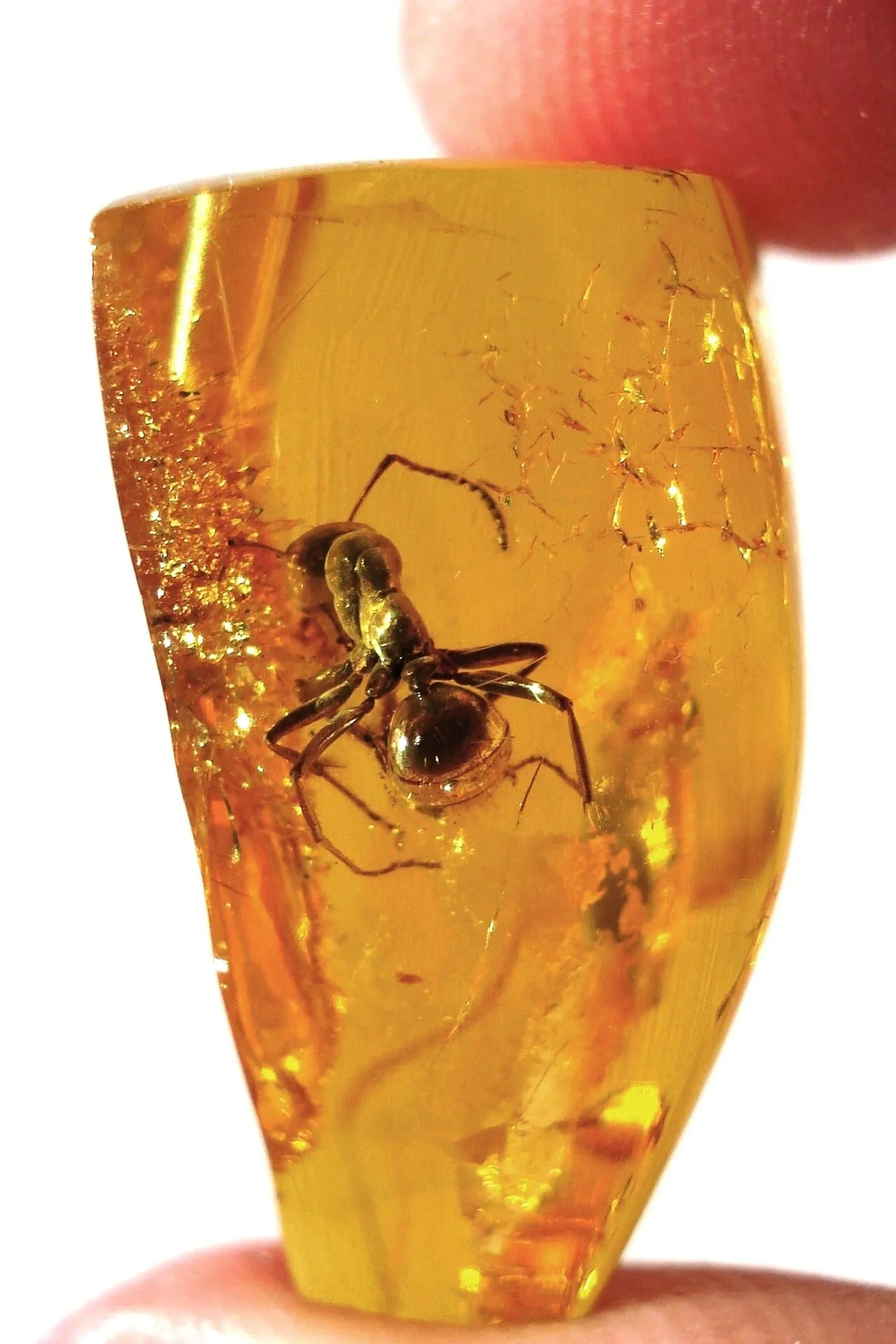
Tree resin fossilised over millions of years: a light, warm organic gem that sometimes holds prehistoric insects.
Ammolite
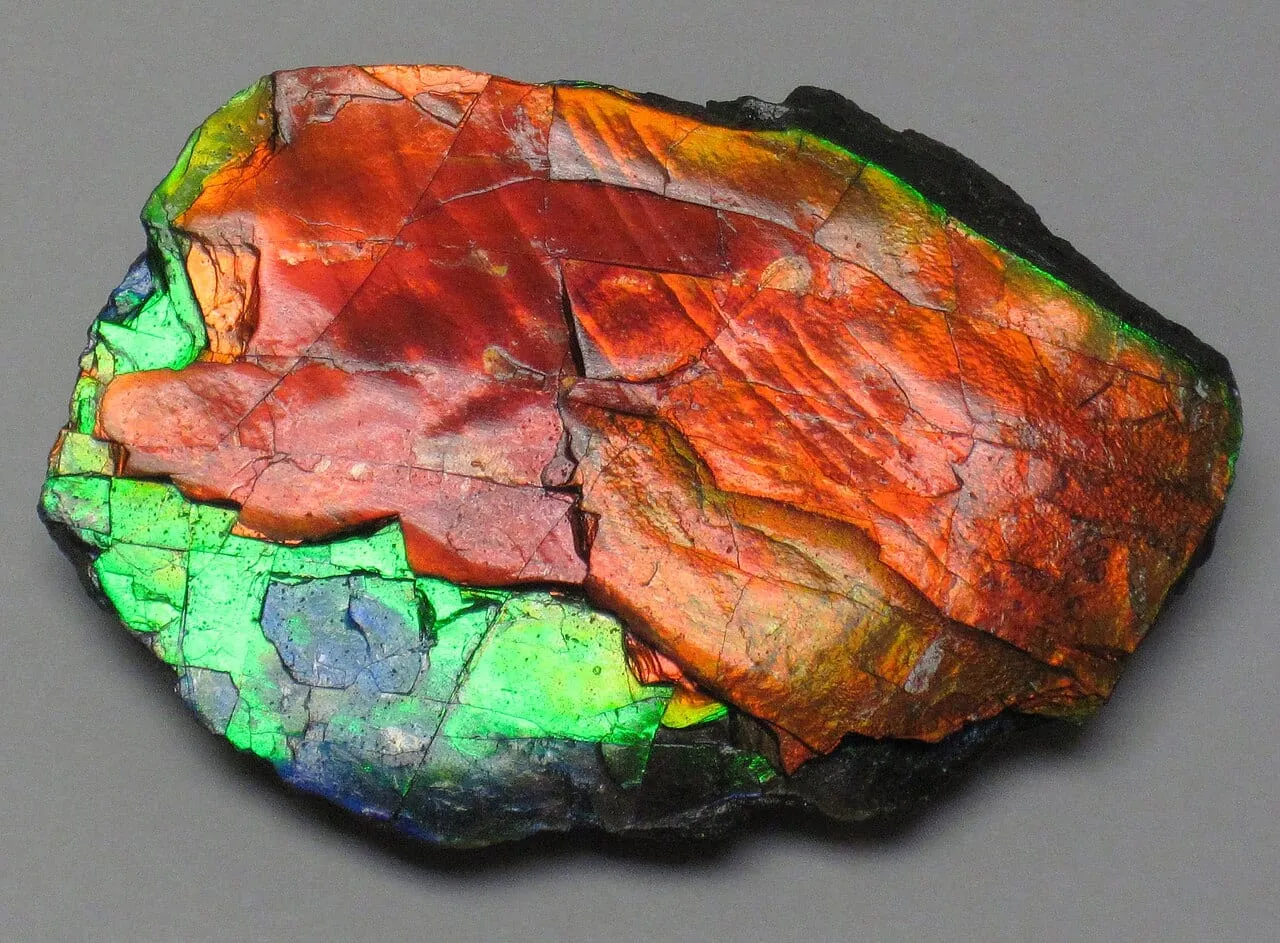
The rainbow-bright layer of fossil ammonite shell; of gem quality it comes only from the Canadian province of Alberta.