Mineral
Apatite
Ca₅(PO₄)₃(F,Cl,OH)Apatit
A mineral cousin of our teeth and bones, the source of the phosphorus in fertilisers, and number 5 on the Mohs scale.
Also known as: Fluorapatite, hydroxylapatite, chlorapatite (main members) · Asparagus stone (yellow-green variety) · Phosphate rock / phosphorite (apatite-rich sedimentary rock)
- Ore
- Industrial
- Gemstone
- Mohs scale mineral
.jpg)
In short
Apatite is the name of a group of minerals made of calcium and phosphate; the most common member is fluorapatite. Phosphate rock, the raw material for the world’s phosphorus fertilisers, consists largely of apatite. The enamel of our teeth and our bones are made of a mineral very similar to apatite.
How does it form?
Apatite occurs as small grains in almost every kind of rock. In some igneous rocks, for example in the Khibiny Mountains on Russia’s Kola Peninsula, it is concentrated enough to be mined. Most of the world’s phosphate rock, however, consists of marine sedimentary phosphorites: rocks formed from accumulated phosphatic remains such as the bones, teeth and scales of sea creatures, in which the phosphate mineral is a carbonate-bearing variety of fluorapatite.
What is it used for?
Most of the phosphate rock mined is used to make phosphorus fertiliser; phosphorus is an essential nutrient for plants. According to the USGS, Morocco holds the world’s largest phosphate rock reserves. Clear, brightly coloured apatite crystals are also cut as gemstones, but because apatite is soft and brittle, it is not suitable for jewellery that takes knocks, such as rings.
In Türkiye
Late Cretaceous phosphorite deposits occur around Mazıdağı in Mardin Province. The phosphate mineral in these deposits is carbonate-rich fluorapatite. According to the USGS, Türkiye is also among the countries producing phosphate rock.
How to recognise it
- 1
Its hardness is 5: a steel knife scratches it only with difficulty, and it barely scratches glass, if at all. It is the reference mineral for 5 on the Mohs scale.
- 2
Its crystals are usually hexagonal prisms and can be sea green, blue, yellow or violet.
- 3
It can be confused with harder beryl (aquamarine) and tourmaline; identifying cut stones with certainty needs a gem laboratory.
- 4
Phosphate rock is usually a grey or brownish, fine-grained and inconspicuous sedimentary rock that is hard to recognise by eye.
Fakes and imitations
What shops usually don’t tell you:
- Cut apatite can be confused with, or sold in place of, more valuable gems such as aquamarine, tourmaline and peridot. Telling them apart needs laboratory tests such as refractive index measurement.
- The colour of some faceted apatite is improved by heat treatment; the seller should disclose this.
- Glass imitations also exist; glass may show round air bubbles inside.
Did you know?
Its name comes from the Greek word meaning “to deceive”, because it was often mistaken for other minerals.
Fluoride in toothpaste helps protect teeth against decay by turning part of the enamel into fluorapatite, which resists acid better.
Where is it found?
Loading map…
- Khibiny massif, Kola Peninsula, Russia · Major depositIgneous apatite–nepheline ores
- Khouribga, Morocco · Major depositSedimentary phosphate rock; according to the USGS, Morocco has the world’s largest phosphate rock reserves
- Cerro de Mercado, Durango, Mexico · Known localityYellow, transparent fluorapatite crystals in an iron deposit
- Mazıdağı, Mardin, Türkiye · Known localityLate Cretaceous phosphorite deposits; the phosphate mineral is carbonate-rich fluorapatite
Locations are approximate to protect sites. Red dots mark places in Türkiye. Open in the big map →
Sources
- Handbook of Mineralogy: Fluorapatite · Mineralogical Society of America
- Mineral Commodity Summaries 2026: Phosphate Rock · U.S. Geological Survey, 2026
- Mineralogy and Geochemistry of Upper Cretaceous Mazıdağı Phosphorite Deposits from the Northern Arabian Plate (Mardin, Turkey) · Gospodarka Surowcami Mineralnymi – Mineral Resources Management 39 (2) (S. Tetiker), 2023
- Apatite: Its uses as a mineral and gemstone (H. M. King) · Geology.com
External links
Draft: awaiting expert reviewReport an error ↗
On the same step
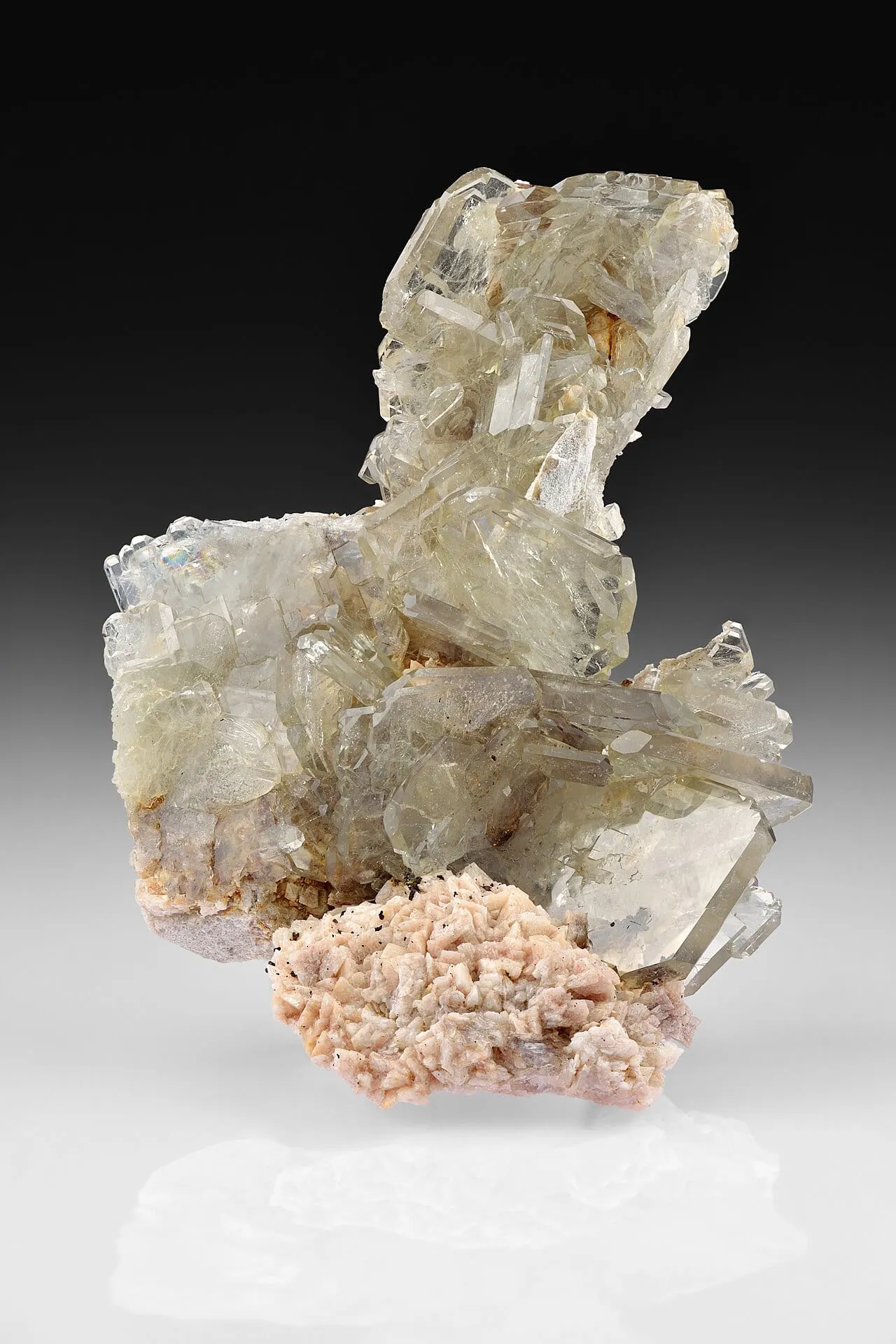
Baryte
A pale barium mineral that feels surprisingly heavy in the hand; even its name comes from the Greek word for heavy.
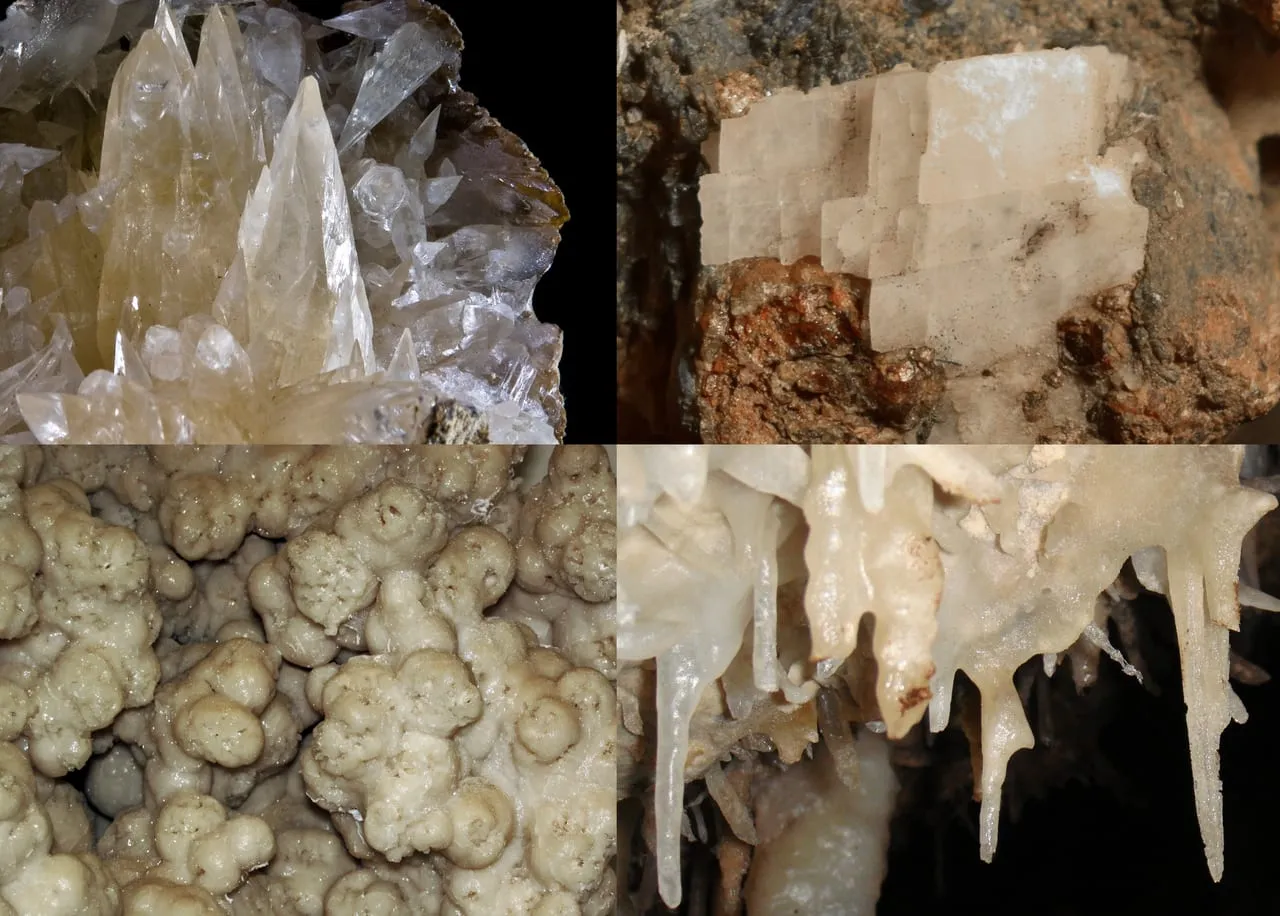
Calcite
The main mineral of limestone, marble and cave stalactites: it fizzes in acid, and its clear crystals show everything double.
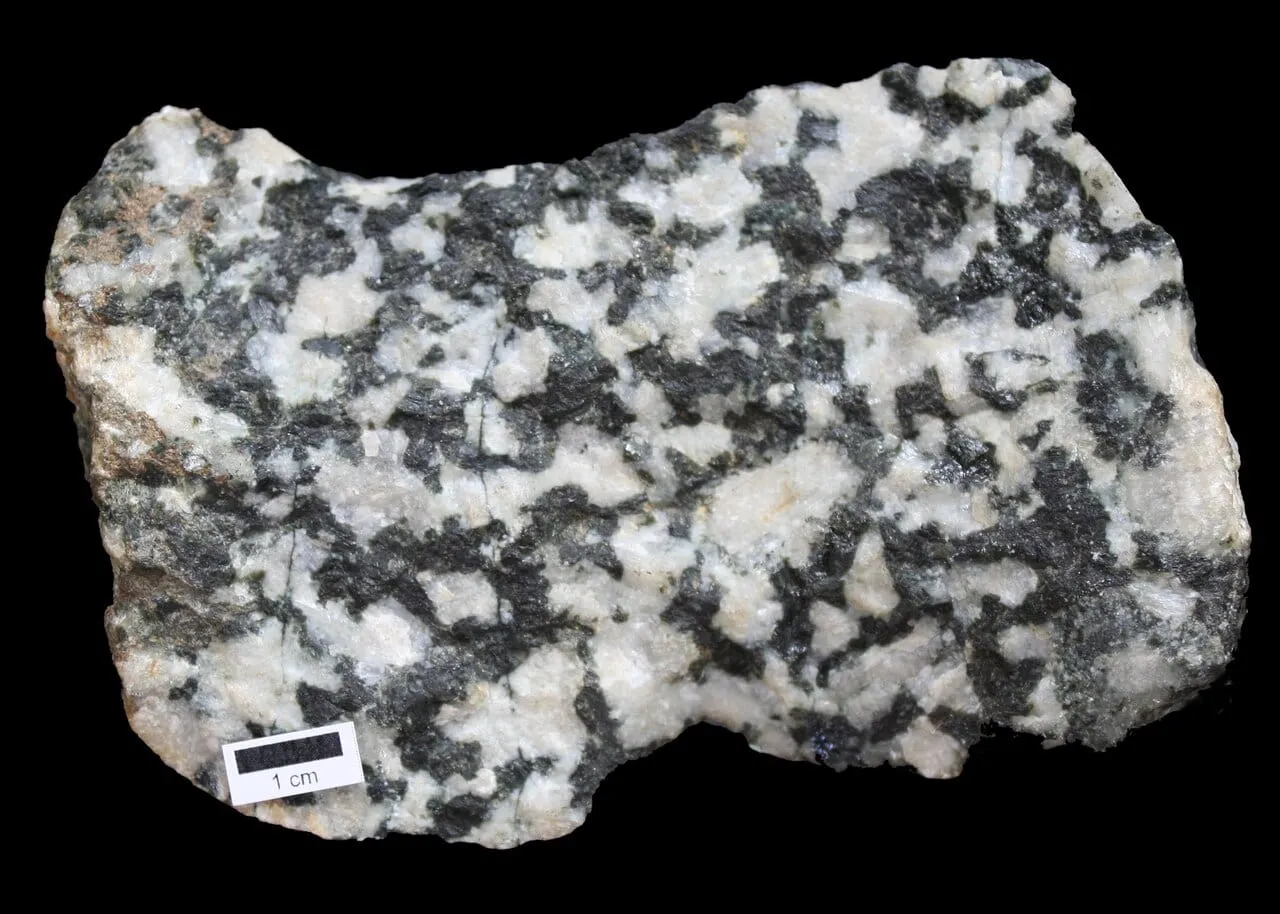
Diorite
A black-and-white, “salt-and-pepper” plutonic rock whose make-up sits halfway between granite and gabbro.