VarietyA variety of Chalcedony
Onyx
SiO₂Oniks
Chalcedony with straight black and white bands. Most souvenirs sold as “onyx” in Türkiye, however, are really banded calcite.
Also known as: Sardonyx (brown-red and white banded form)
- Ornamental
- Gemstone
In short
True onyx is a variety of chalcedony (microcrystalline quartz) whose black and white bands run straight and parallel to one another. The straight bands set it apart from agate, whose bands curve. The form with brownish-red and white bands is called sardonyx.
What is true onyx?
Onyx is a banded member of the chalcedony family. In agate the bands curve and form rings within rings, while in onyx they are straight and parallel. Classic onyx has black and white bands; with brownish-red and white bands it is called sardonyx, and with red and white bands carnelian onyx. These flat layers let a carver use one colour for the figure and another for the background, which is why onyx has been used for seals and cameos for thousands of years.
The “onyx” of Türkiye is a different stone
In Türkiye, most of the stone worked under the name “oniks”, especially in the souvenir workshops of Cappadocia and Hacıbektaş, is not chalcedony but banded travertine: a sedimentary rock made of calcite (calcium carbonate). It forms when carbonate-rich groundwater deposits calcium carbonate layer by layer, and it shows greenish, yellowish, brown and grey bands. Deposits of this kind occur around Kırşehir, Aksaray, Nevşehir, Manisa and Bolu. Similar stones are sold worldwide as “onyx marble”. They are attractive ornamental stones in their own right, but they are soft, scratch easily and are attacked by acid, so they should not be confused with true onyx.
How to recognise it
- 1
True onyx is hard (6.5–7): a steel knife cannot scratch it. “Onyx marble” made of calcite, by contrast, is easily scratched with a knife.
- 2
A drop of vinegar or lemon juice on a hidden spot produces small bubbles on calcite; true onyx is unaffected. Acid can dull the polish, so test carefully.
- 3
Calcite onyx marble usually has honey, yellowish, greenish or brown bands and lets light through; true onyx is mostly black and white.
- 4
Large carved objects such as vases, ashtrays and chess sets are often made of onyx marble; true onyx is seen mainly in small jewellery stones and cameos.
Fakes and imitations
What shops usually don’t tell you:
- Dyed black onyx: most solid black “onyx” in jewellery is dyed agate or chalcedony. It is a common and accepted treatment, but it should be disclosed.
- Banded calcite and aragonite sold as “onyx” or “onyx marble”: an attractive ornamental stone, but strictly speaking neither onyx nor marble. It is much softer than chalcedony and is attacked by acid.
- Black glass and plastic: no bands; glass may show air bubbles, and plastic feels noticeably light.
Did you know?
The word “onyx” means “fingernail” in Ancient Greek.
Because of its straight layers of different colours, onyx is widely used for cameos: the figure is carved in one colour layer and the background in another.
Where is it found?
Loading map…
- Gujarat, India · Historic sourceIndia, with South America, is one of the chief sources of onyx; Khambhat (Cambay) is an old centre for working agate and onyx
- Rio Grande do Sul, Brazil · Major depositBanded chalcedony and agate from cavities in basalt
- Idar-Oberstein, Rhineland-Palatinate, Germany · Historic sourceTraditional centre for cutting and dyeing agate and onyx
Locations are approximate to protect sites. Red dots mark places in Türkiye. Open in the big map →
Family
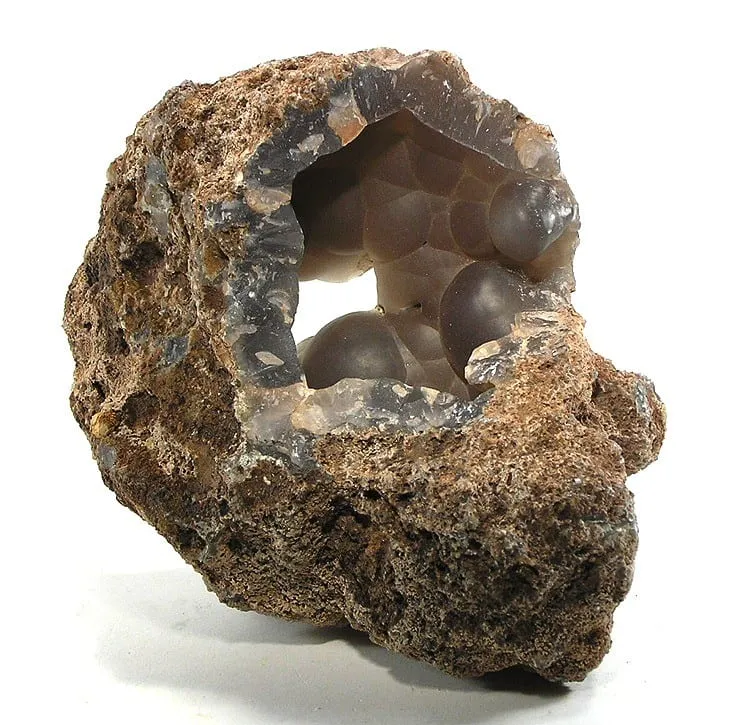

Sources
- Onyx · Encyclopaedia Britannica
- Onyx marble · Encyclopaedia Britannica
- Agate · Encyclopaedia Britannica
- Oniks Taşı · Küre Ansiklopedisi
External links
Draft: awaiting expert reviewReport an error ↗
On the same step
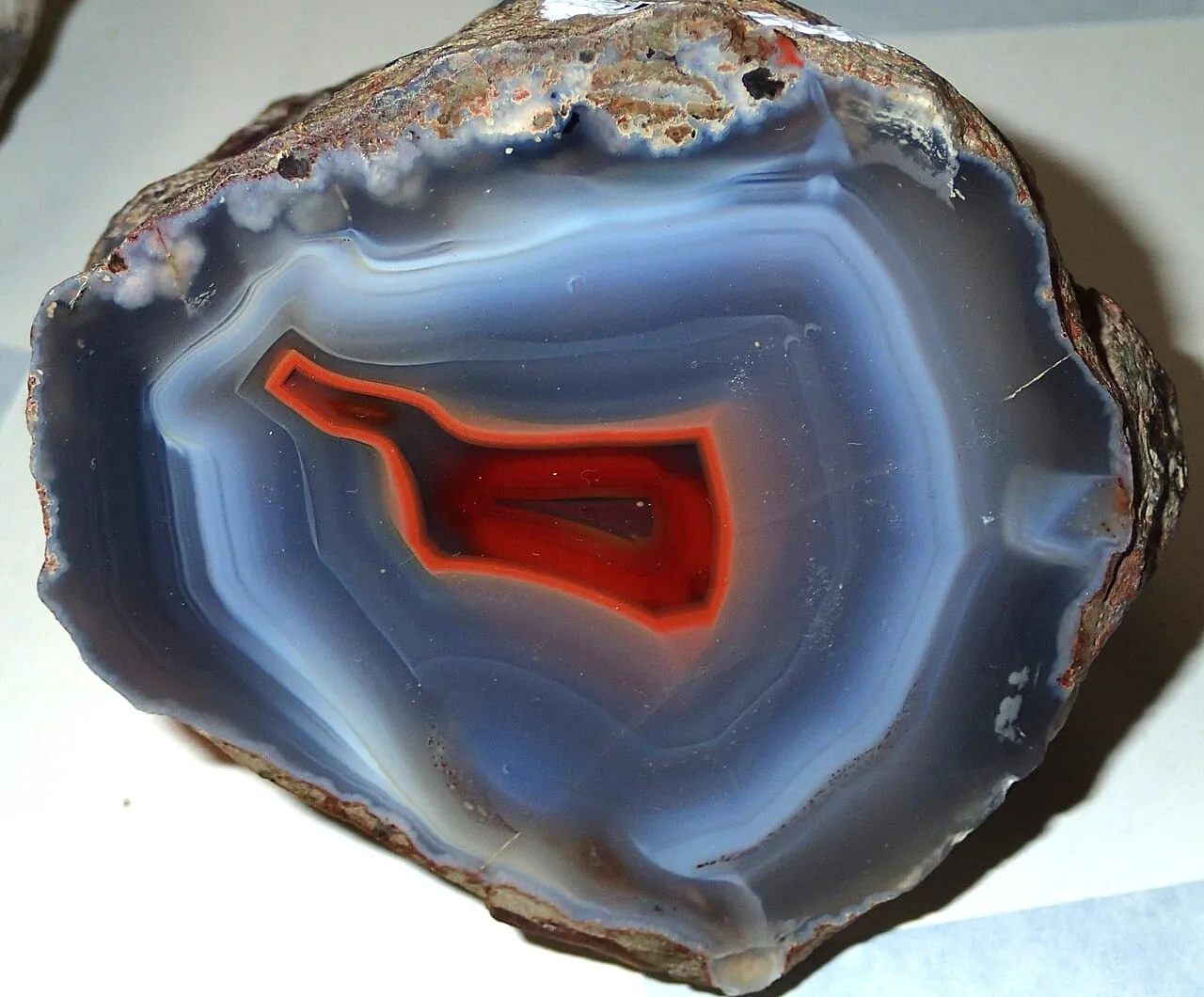
Agate
The banded variety of chalcedony: it grows layer by layer in hollows in volcanic rock and shows a new pattern every time it is cut.
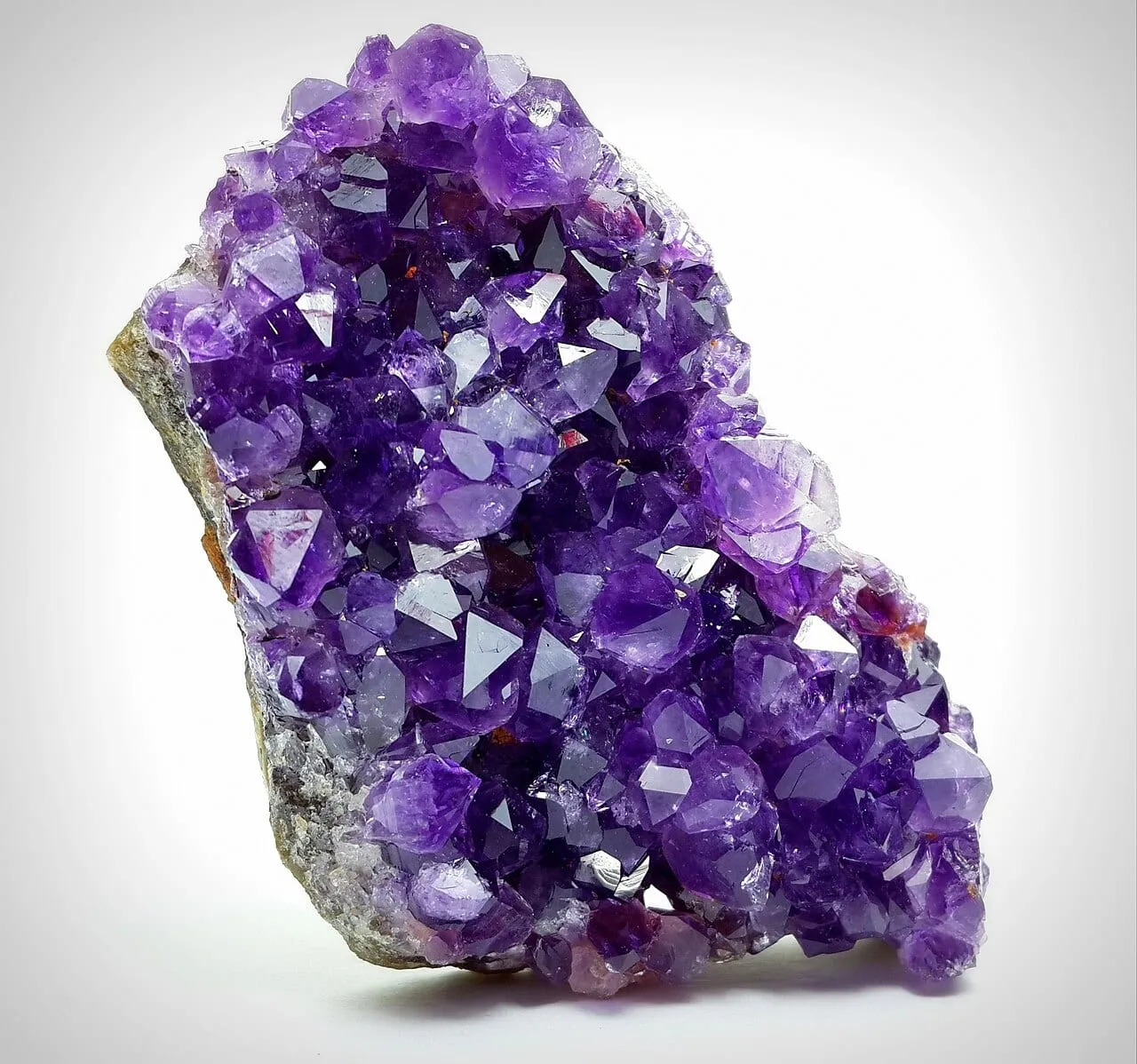
Amethyst
The purple variety of quartz, coloured by traces of iron working together with natural radiation.
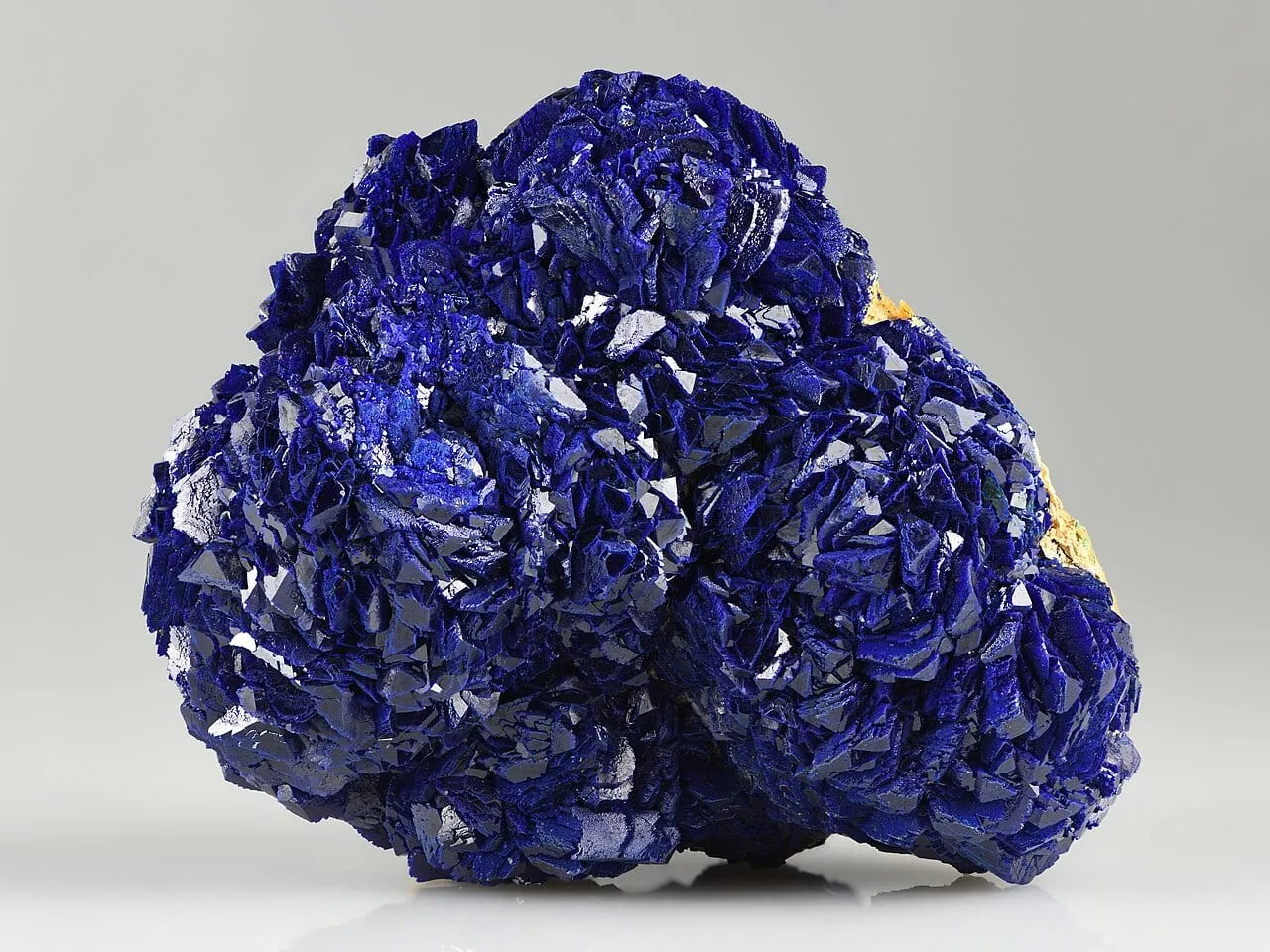
Azurite
A deep blue copper mineral that was the most important blue pigment of medieval and Renaissance painters.