Rock
Schist
Şist
A glittering, flaky metamorphic rock: its mica flakes catch the light, and red garnets often stud its surface.

In short
Schist is a rock that has been transformed by high heat and pressure deep inside Earth's crust. Its flat minerals, such as mica, all line up in the same direction, so the rock looks flaky and sparkles in the light. In some schists you can easily see red garnet crystals.
How does it form?
Schist usually forms from clay-rich sedimentary rocks such as shale and mudstone, and sometimes from volcanic rocks such as basalt. During mountain building these rocks are buried kilometres deep, heated and squeezed. Clay minerals recrystallise into mica flakes big enough to see, and the flat minerals line up at right angles to the pressure, giving the rock its flaky splitting called schistosity.
Schist is a medium-grade metamorphic rock: it forms at higher temperatures and pressures than slate and phyllite, but lower than gneiss. Minerals such as garnet, staurolite and kyanite tell geologists at what depth and temperature the rock formed. Schist formed at high pressure but relatively low temperature, containing the blue mineral glaucophane, is called blueschist.
Schist in Türkiye
The Menderes Massif in western Anatolia is a large body of metamorphic rock spread across much of the Aegean region. Its core of gneiss is overlain by a thick cover of schists and marbles. These rocks were metamorphosed again during Alpine mountain building and later brought to the surface by the extensional tectonics that shaped the Aegean.
How to recognise it
- 1
Visible, parallel flakes of mica give the surface a glittering, silky or silvery look.
- 2
It tends to split along wavy, flaky surfaces, but not into sheets as thin and even as slate.
- 3
It often contains garnet (reddish, roundish crystals) or long, blade-shaped crystals of kyanite.
- 4
Mica flakes lift off easily with the tip of a knife, while quartz-rich bands scratch glass.
Fakes and imitations
What shops usually don’t tell you:
- Golden flakes of mica in schist are sometimes mistaken for gold. Gold is soft and dents when pressed with a pin; mica splits into thin sheets.
- In the natural stone trade, mica schists and schistose gneisses are sometimes sold as “granite” or “slate”; these names do not always follow geological classification.
- Names such as “bituminous schist” are misleading: these rocks are not metamorphic schist but organic-rich sedimentary shales.
Did you know?
The word “schist” comes from a Greek word meaning “to split”, a nod to how easily the rock splits.
The Vishnu Schist at the bottom of the Grand Canyon formed about 1.75 billion years ago from metamorphosed sea-floor sediments.
Where is it found?
Loading map…
- Menderes Massif, western Anatolia, Türkiye · Major depositA metamorphic massif covering a large part of the Aegean region; its gneiss core is wrapped in a thick cover of schists and marbles.
- Grand Canyon, Arizona, USA · Known localityThe Vishnu Schist in the canyon's Inner Gorge formed about 1.75 billion years ago from metamorphosed sea-floor sediments.
- Syros, Cyclades, Greece · Known localityA classic study area for metamorphic rocks, with blueschists (glaucophane schists) and eclogites formed under high pressure.
Locations are approximate to protect sites. Red dots mark places in Türkiye. Open in the big map →
Sources
- Schist · Encyclopaedia Britannica
- Menderes Massif (Western Turkey): structural, metamorphic and magmatic evolution – a synthesis (Bozkurt & Oberhänsli) · International Journal of Earth Sciences, 2001
- Geology — Grand Canyon National Park · U.S. National Park Service
External links
Draft: awaiting expert reviewReport an error ↗
On the same step
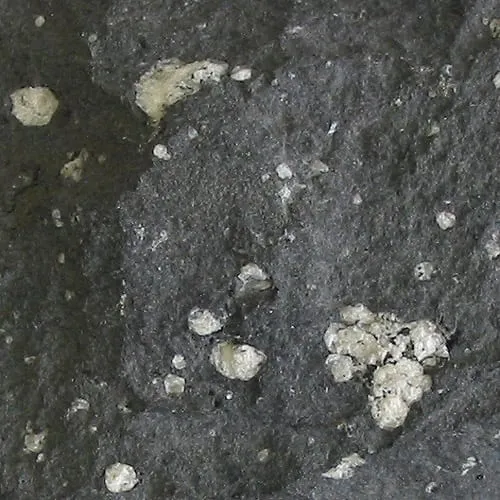
Andesite
The rock of volcanic arcs, named after the Andes — and the pink-grey stone of Ankara Castle.
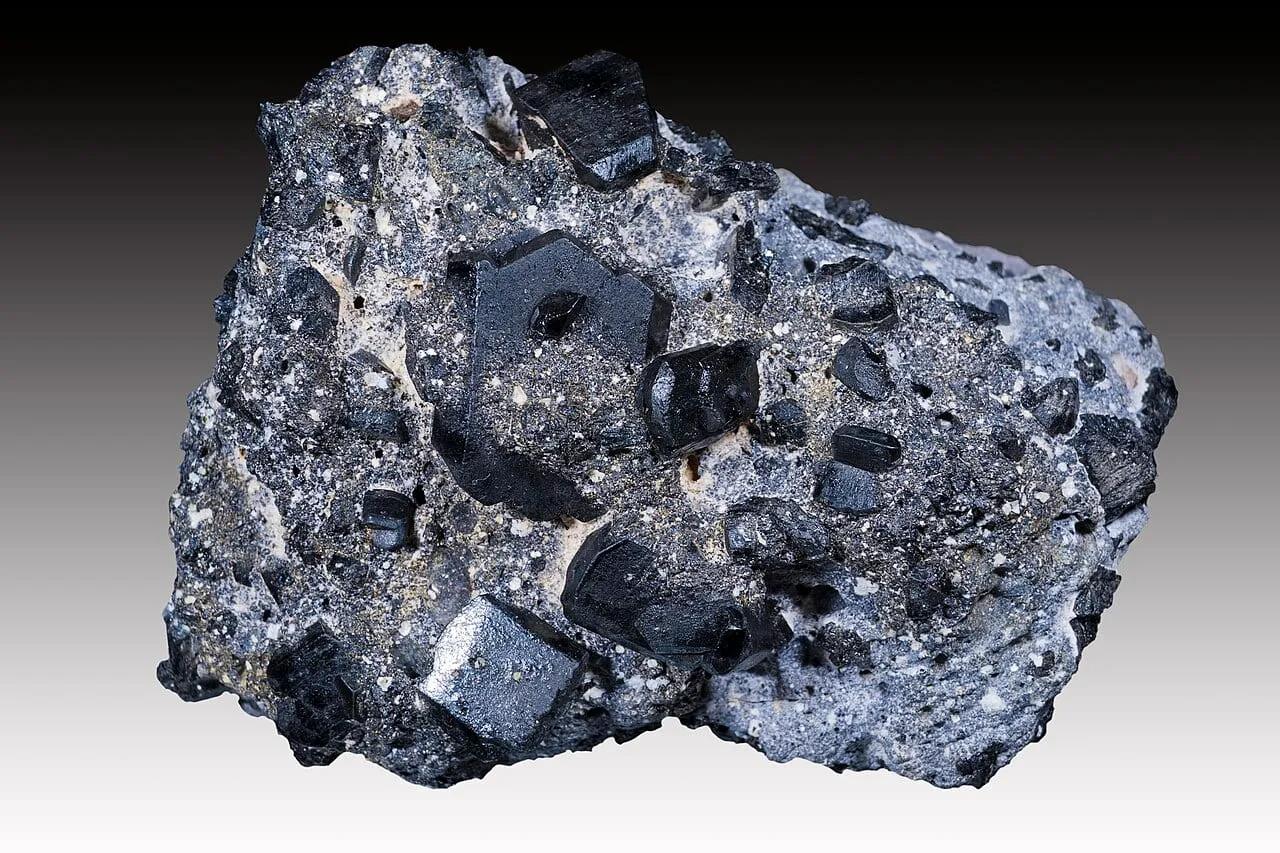
Augite (pyroxene)
The most common pyroxene, which darkens basalt and gabbro: inconspicuous, yet one of the key building blocks of Earth’s crust.
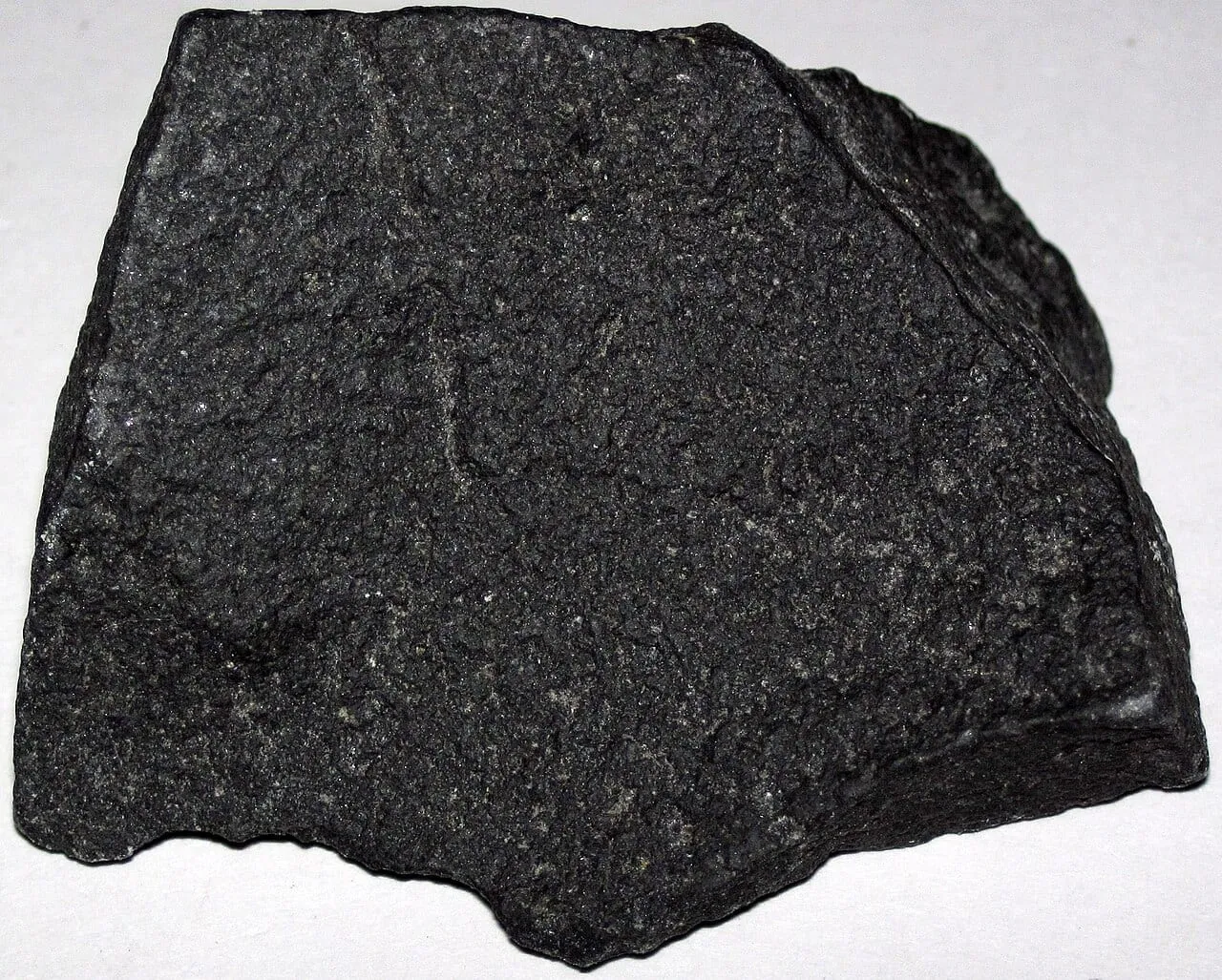
Basalt
The rock of the ocean floors and the Moon’s dark plains — the most common volcanic rock on Earth.