Rock
Peridotite
Peridotit
The real stuff far beneath our feet: the green, olivine-rich rock that makes up Earth’s upper mantle.
Also known as: Dunite, harzburgite, lherzolite (varieties)
- Important in Türkiye
.jpg)
In short
Peridotite is a heavy green rock that makes up most of Earth’s upper mantle, the layer beneath the crust. It is made mostly of the mineral olivine, whose gem-quality form is called peridot. It normally lies tens of kilometres deep, but during mountain building some pieces have been pushed up to the surface.
How does it form, and where is it found?
Peridotite is the main rock of the upper mantle beneath Earth’s crust. When mantle peridotite partly melts, the magma rises to form basalt and gabbro, leaving behind peridotite that is even richer in olivine. Peridotite reaches the surface in two main ways: in ophiolites, where slices of ocean crust and mantle were pushed onto the continents during mountain building, and as small xenoliths torn from depth and carried up by lavas such as basalt.
Peridotite types are named by their proportions of olivine and pyroxene: rock made almost entirely of olivine (more than 90%) is dunite, olivine plus orthopyroxene is harzburgite, and rock with both kinds of pyroxene is lherzolite. At the surface, olivine reacts readily with water and turns into serpentine minerals, so most peridotite exposed on land is partly serpentinised.
Peridotite in Türkiye
Türkiye is very rich in ophiolites left over from the Neotethys Ocean, and their mantle sections consist largely of peridotite. Most of Türkiye’s chromium deposits are bodies of chromite within these peridotites. The Guleman ophiolite in Elazığ, with its harzburgites and dunites hosting large chromitite pods, is one well-known example. According to 2026 data from the U.S. Geological Survey (USGS), Türkiye is the world’s second-largest producer of chromite ore after South Africa.
How to recognise it
- 1
It is made of glassy, olive-green olivine grains and dark pyroxenes; there are no white feldspar grains.
- 2
It is very heavy for its size, noticeably denser than common rocks such as granite and basalt.
- 3
Exposed surfaces are coated with a rusty, brownish-orange rind, but a broken surface is green inside.
- 4
Partly serpentinised peridotite is softer, feels slippery and has dark green to black veins.
Fakes and imitations
What shops usually don’t tell you:
- Serpentinised peridotite and serpentinite may be sold as “green marble”; they are not marble and do not fizz in acid.
- Green glass and synthetic stones may be sold in place of peridot, the gem form of peridotite’s olivine; certain identification requires a gem lab.
Safety
Peridotite itself is harmless. However, parts that have reacted with water and become serpentinised may contain fibrous chrysotile (white asbestos). Do not breathe the dust when such rock is cut, broken or ground.
Did you know?
Peridot, the gemstone, is the transparent green form of the olivine in peridotite; it has been mined on Zabargad Island in the Red Sea since antiquity.
In Oman’s Samail ophiolite, peridotite naturally locks carbon dioxide from the air into carbonate minerals, and scientists are studying how to speed this up to store carbon.
Where is it found?
Loading map…
- Samail Ophiolite, Hajar Mountains, Oman · Major depositOne of the largest and best-preserved sections of ocean crust and upper mantle on land; natural CO₂ uptake by peridotite is studied here.
- Zabargad Island, Red Sea, Egypt · Historic sourceGem-quality olivine (peridot) has been mined from the island's peridotites since antiquity.
- San Carlos, Arizona, USA · Known localityPeridotite fragments (xenoliths) carried up from depth by basalt lavas; an important source of peridot.
- Guleman (Alacakaya), Elazığ, Türkiye · Known localityThe mantle section of the Guleman ophiolite consists of harzburgite and dunite with large chromitite pods; one of Türkiye's well-known chromium districts.
Locations are approximate to protect sites. Red dots mark places in Türkiye. Open in the big map →
Sources
- Peridotite · Encyclopaedia Britannica
- BGS Rock Classification Scheme: Peridotite · British Geological Survey
- In situ carbonation of peridotite for CO₂ storage (Kelemen & Matter) · Proceedings of the National Academy of Sciences, 2008
- Mineral chemistry and petrology of mantle peridotites from the Guleman ophiolite (SE Anatolia, Turkey): Evidence of a forearc setting (Rizeli et al.) · Journal of African Earth Sciences, 2016
- Mineral Commodity Summaries 2026: Chromium · U.S. Geological Survey, 2026
External links
Draft: awaiting expert reviewReport an error ↗
On the same step
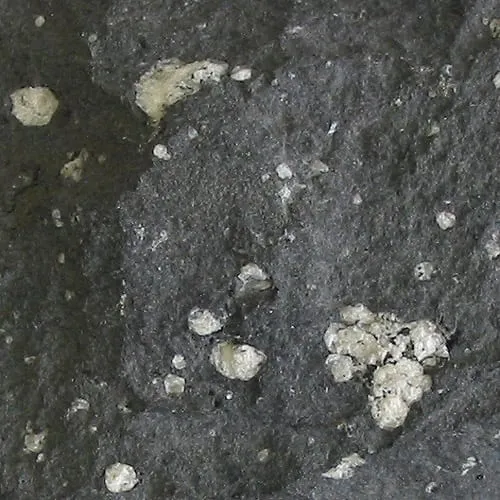
Andesite
The rock of volcanic arcs, named after the Andes — and the pink-grey stone of Ankara Castle.
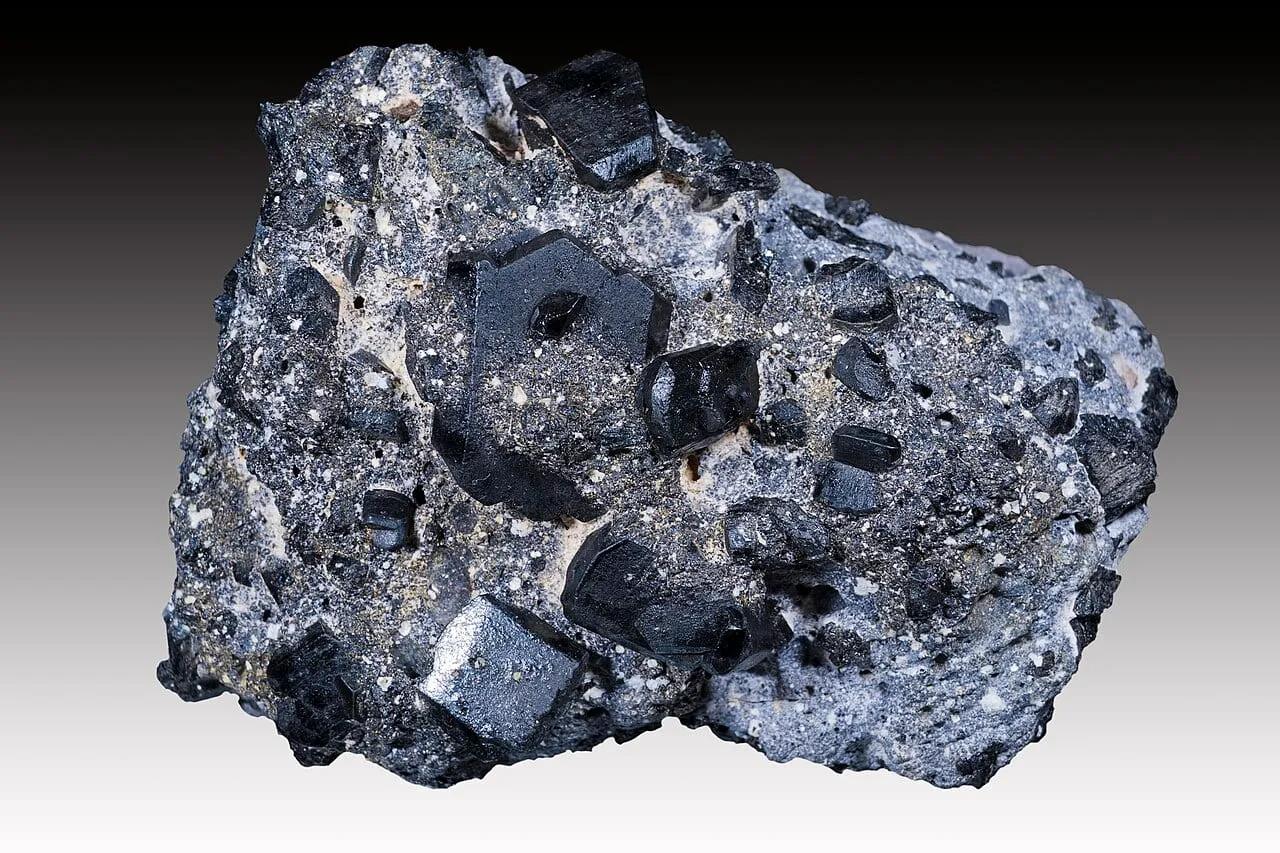
Augite (pyroxene)
The most common pyroxene, which darkens basalt and gabbro: inconspicuous, yet one of the key building blocks of Earth’s crust.
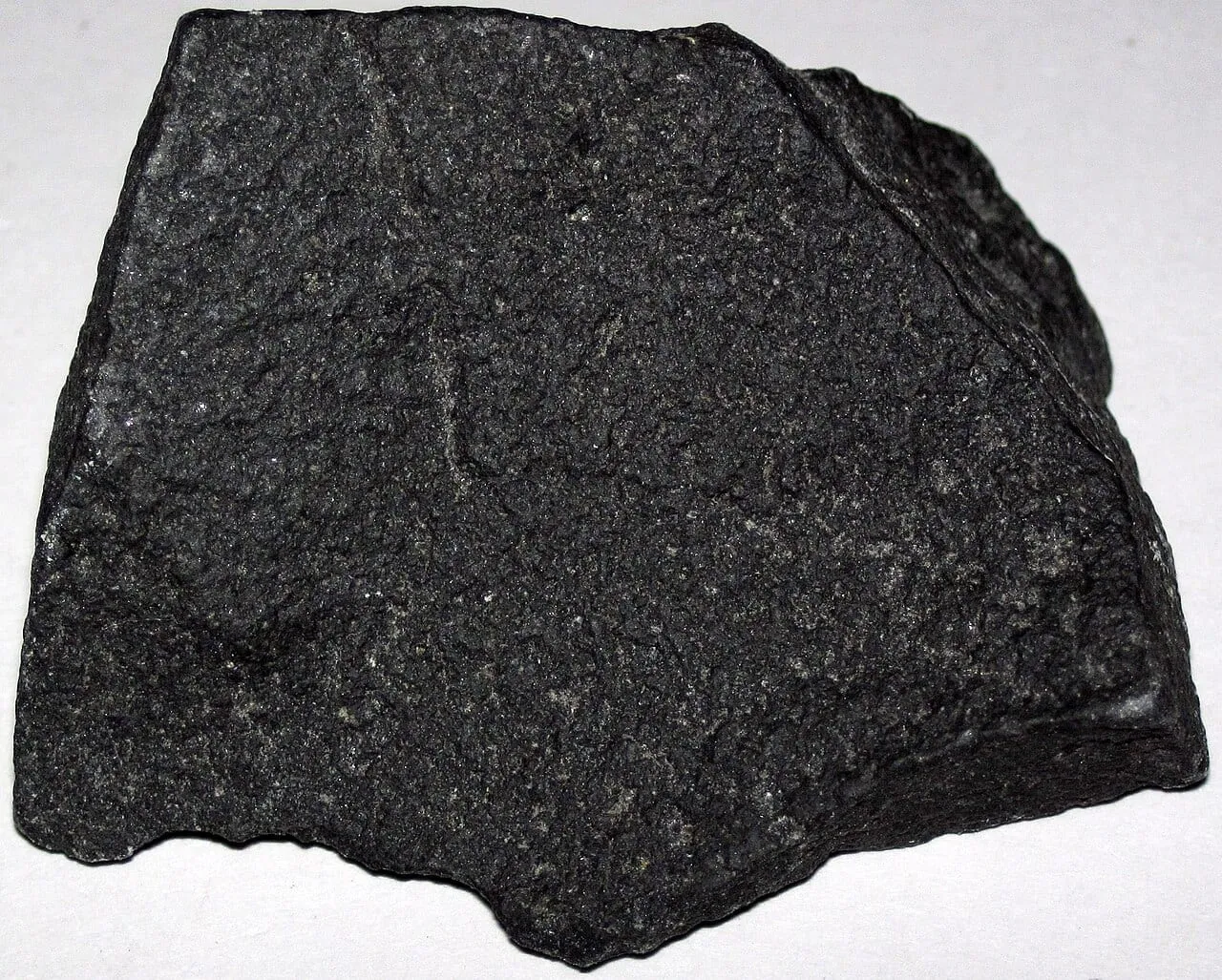
Basalt
The rock of the ocean floors and the Moon’s dark plains — the most common volcanic rock on Earth.