Everyday name
Paving stone
Kaldırım taşı
The stone of the street: cobbles and setts are mostly andesite, basalt or granite, while today’s pavers are usually concrete.
Also known as: Cobblestone · Sett · Belgian block · Paver
- Popularly: Natural stone (building and decor)
- Everyday
- Building stone
- Important in Türkiye

In short
“Paving stone” is not a kind of rock but a name for any stone used to surface roads and pavements. Türkiye’s traditional “Arnavut kaldırımı” is made of hand-broken, slightly domed polygonal stones laid tightly together, using hard, wear-resistant rocks such as granite, basalt and andesite. Natural stone cut into regular squares or rectangles is called a sett. The interlocking blocks now sold as “pavers”, however, are usually not natural stone at all but moulded concrete.
In scientific terms
This is an everyday name; in science it means these stones:
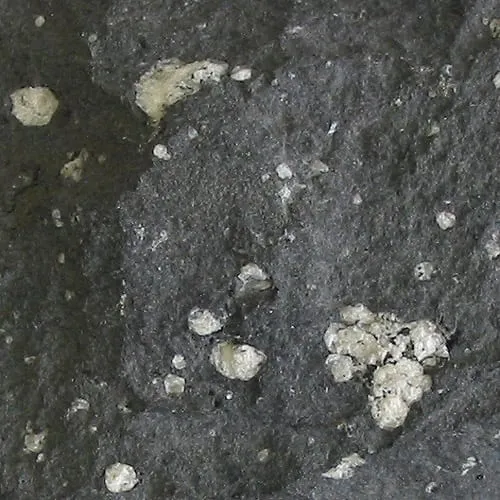
Andesite
The rock of volcanic arcs, named after the Andes — and the pink-grey stone of Ankara Castle.
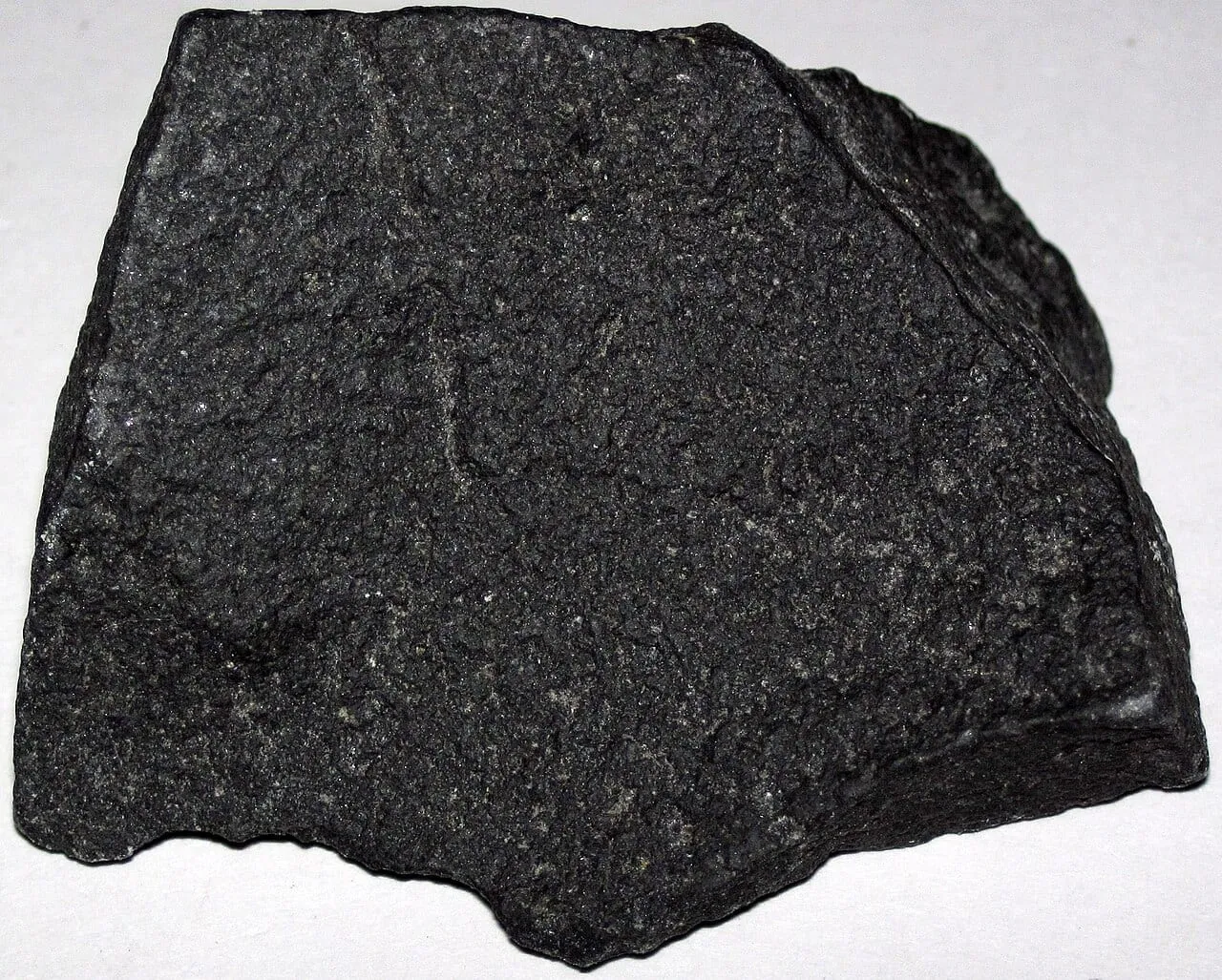
Basalt
The rock of the ocean floors and the Moon’s dark plains — the most common volcanic rock on Earth.
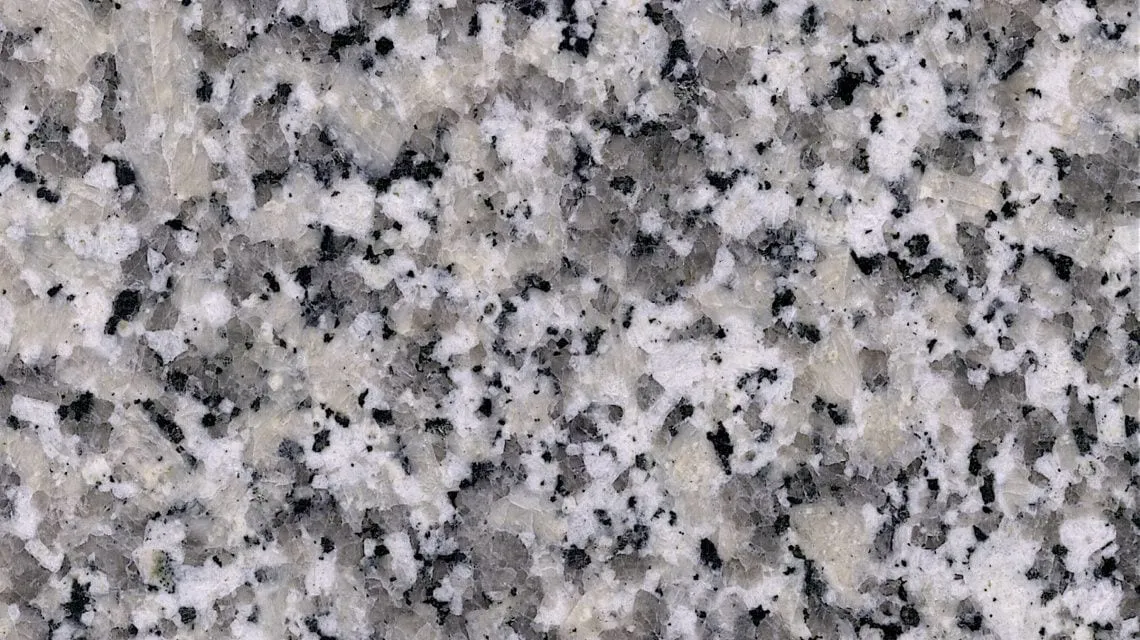
Granite
From kitchen worktops to monuments: a tough, coarse-grained rock born from magma that cooled slowly deep underground.
What is it used for?
- Streets and squares: Natural stone withstands traffic, pedestrians, rain and frost for a very long time. It is used in historic streets, squares and pedestrian areas for both its durability and its looks.
- Kerbs and steps: Kerbstones separating the pavement from the road, stair treads and ramps are often made of hard natural stone too.
- Letting rainwater through: The joints between the stones let some water soak into the ground, and the slightly domed surface of traditional cobbles helps water run off.
- Landscaping: Today setts are used mostly as decorative paving for garden paths, courtyards and urban landscaping.
What rocks are they made of?
Paving stones must be hard, resistant to wear and easy to split. Around the world, setts are mostly made of granite, a coarse-grained and very durable rock. In volcanic regions dark basalt is common: Roman roads such as the Appian Way were paved with polygonal blocks of lava. In Anatolia, andesite is the most familiar paving stone. The stone is quarried in blocks, which are then split or sawn into cubes, rectangles or polygons.
Paving stones in Türkiye
Arnavut kaldırımı cobbles are one of the symbols of the Ottoman townscape and can still be seen in the streets of historic towns such as Istanbul, Safranbolu and İznik. The stones are shaped by hand with heavy hammers: their tops are flattened and their edges broken into polygons, and they are laid without gaps on compacted soil or mortar. In Türkiye, andesite has long been used for paving stones, kerbs, stair treads and windowsills. Even in historic areas, however, the original stones are sometimes replaced by concrete pavers, spoiling the historic look of the streets.
What determines its value?
Paving stone is a building material bought by the tonne or the square metre. Its value depends on the type of stone, its hardness, its resistance to wear and frost, how even its colour and dimensions are, the surface finish (natural split, bush-hammered, flamed) and how far the quarry is from the building site. In hand-broken, hand-laid cobbles a large share of the cost is labour. Concrete pavers can often be laid more cheaply and quickly than natural stone, which is why they are so common today.
This information is educational, not buying, selling or investment advice. Value varies enormously with quality and treatment.
How to recognise it
- 1
Natural stone shows its own texture on a broken or cut face: large, mottled mineral grains in granite; a dark grey, very fine-grained surface in basalt; small crystals in a grey, pink or brown groundmass in andesite.
- 2
Concrete pavers are identical to one another: made in the same mould, they share exactly the same size, bevelled edges and interlocking teeth. A broken piece shows grains of sand and gravel glued together by cement.
- 3
In coloured concrete pavers the colour often sits only in a thin top layer; as the surface wears, grey concrete shows through. Natural stone is the same colour all the way through.
- 4
In Turkish-style cobbled streets every stone is slightly different: broken by hand, they have irregular polygonal edges and are fitted with very little gap between them.
Fakes and imitations
What shops usually don’t tell you:
- Most blocks sold as “pavers”, “interlocking pavers” or “stone-look” paving are concrete. Some are tinted and given a rough surface so that they resemble natural stone.
- Paving made of naturally rounded stones gathered from riverbeds (the original “cobblestones”) and setts quarried and cut to a regular shape are different things, although both are commonly called paving stones.
Safety
The fine dust from cutting and dressing stone, especially quartz-bearing stone such as granite, contains respirable crystalline silica; breathing it for long periods can cause silicosis, a permanent lung disease. Stone workers should cut wet and wear a suitable dust mask. Wet or polished paving stones can be slippery.
Myths and misconceptions
MythPavers are a natural stone.
FactMost of the interlocking pavers seen on today’s pavements are concrete blocks moulded from cement, sand and gravel. Concrete paving blocks and natural stone setts are covered by separate European standards (EN 1338 for concrete paving blocks, EN 1342 for natural stone setts).
MythAlbanians invented stone-paved streets.
FactLaying stones tightly together to pave a road is an ancient technique; the Romans were paving their roads with polygonal lava blocks in the 4th century BCE. The Turkish name “Arnavut kaldırımı” (literally “Albanian pavement”) is said to come from the Albanian craftsmen who laid Istanbul’s streets, but this is not an established fact.
Did you know?
Setts were once favoured on steep streets in particular, because horses’ hooves gripped them better than a smooth surface.
Rome’s Appian Way was begun in 312 BCE; its surface was laid with expertly fitted polygonal blocks of lava (basalt) that proved remarkably durable over the centuries.
Frequently asked questions
What is paving stone?
“Paving stone” is not a kind of rock but a name for any stone used to surface roads and pavements. Türkiye’s traditional “Arnavut kaldırımı” is made of hand-broken, slightly domed polygonal stones laid tightly together, using hard, wear-resistant rocks such as granite, basalt and andesite. Natural stone cut into regular squares or rectangles is called a sett. The interlocking blocks now sold as “pavers”, however, are usually not natural stone at all but moulded concrete.
What is paving stone used for?
Streets and squares: Natural stone withstands traffic, pedestrians, rain and frost for a very long time. It is used in historic streets, squares and pedestrian areas for both its durability and its looks. Kerbs and steps: Kerbstones separating the pavement from the road, stair treads and ramps are often made of hard natural stone too. Letting rainwater through: The joints between the stones let some water soak into the ground, and the slightly domed surface of traditional cobbles helps water run off.
How can you tell if paving stone is real?
Natural stone shows its own texture on a broken or cut face: large, mottled mineral grains in granite; a dark grey, very fine-grained surface in basalt; small crystals in a grey, pink or brown groundmass in andesite. Concrete pavers are identical to one another: made in the same mould, they share exactly the same size, bevelled edges and interlocking teeth. A broken piece shows grains of sand and gravel glued together by cement. In coloured concrete pavers the colour often sits only in a thin top layer; as the surface wears, grey concrete shows through. Natural stone is the same colour all the way through. Most blocks sold as “pavers”, “interlocking pavers” or “stone-look” paving are concrete. Some are tinted and given a rough surface so that they resemble natural stone.
Is paving stone valuable?
On the “street to diamond” value ladder it sits on step 2 of nine: Raw material by the tonne. Paving stone is a building material bought by the tonne or the square metre. Its value depends on the type of stone, its hardness, its resistance to wear and frost, how even its colour and dimensions are, the surface finish (natural split, bush-hammered, flamed) and how far the quarry is from the building site. In hand-broken, hand-laid cobbles a large share of the cost is labour. Concrete pavers can often be laid more cheaply and quickly than natural stone, which is why they are so common today.
Is paving stone dangerous?
The fine dust from cutting and dressing stone, especially quartz-bearing stone such as granite, contains respirable crystalline silica; breathing it for long periods can cause silicosis, a permanent lung disease. Stone workers should cut wet and wear a suitable dust mask. Wet or polished paving stones can be slippery.
Sources
- Arnavut kaldırımı · Küre Ansiklopedisi
- Andezit Kesim Artıklarının Puzolanik Özelliklerinin Araştırılması (Ceylan & Davraz) · Madencilik, 52(2-3), Maden Mühendisleri Odası, 2013
- Appian Way · Encyclopaedia Britannica
- EN 1342:2012 Setts of natural stone for external paving — Requirements and test methods · CEN (Estonian Centre for Standardisation listing), 2012
- BS EN 1338: Concrete paving blocks — Requirements and test methods · BSI
- Sett (paving) · Wikipedia
External links
Draft: awaiting expert reviewReport an error ↗
On the same step
Andesite
The rock of volcanic arcs, named after the Andes — and the pink-grey stone of Ankara Castle.
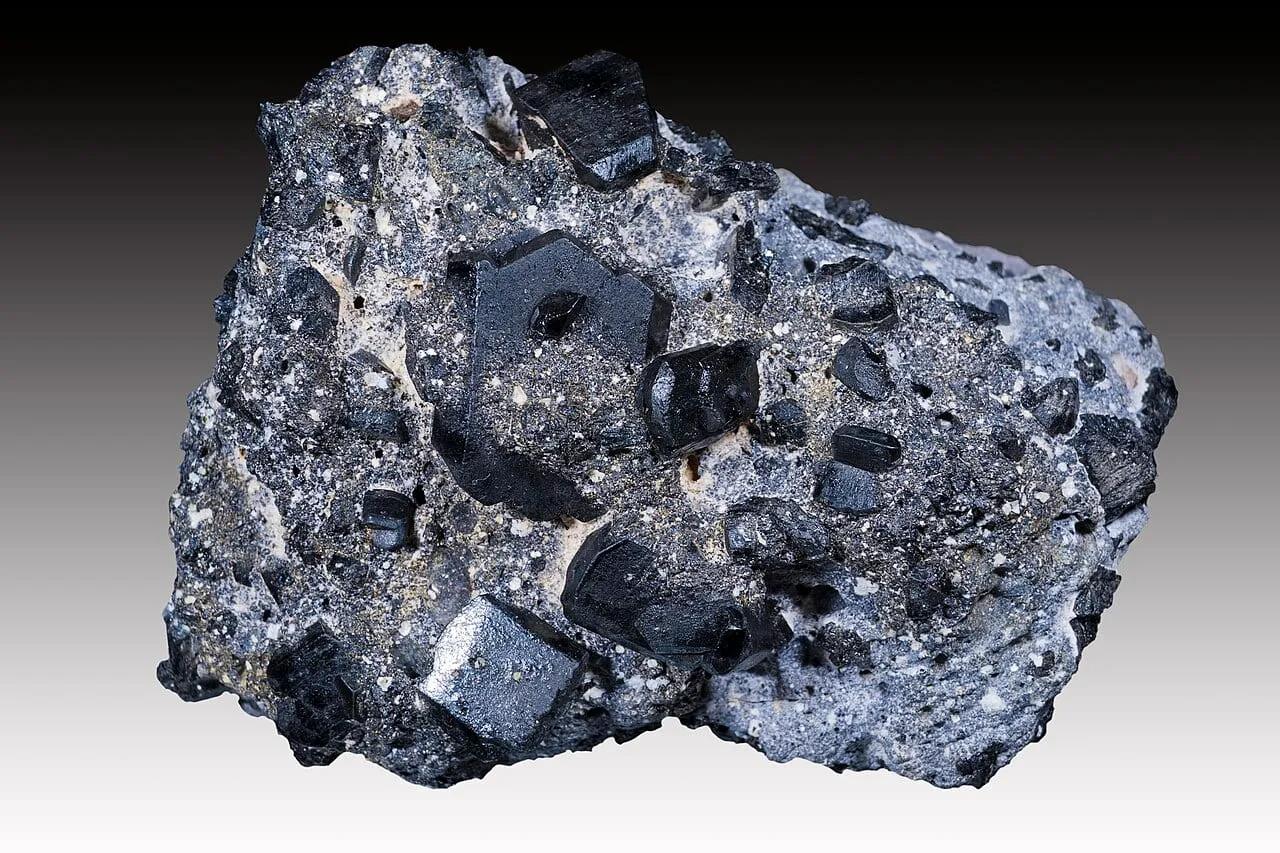
Augite (pyroxene)
The most common pyroxene, which darkens basalt and gabbro: inconspicuous, yet one of the key building blocks of Earth’s crust.
Basalt
The rock of the ocean floors and the Moon’s dark plains — the most common volcanic rock on Earth.