VarietyA variety of Jasper
Mookaite
Mookait
A mustard, red and purple stone from Australia: the silicified remains of a rock built by microscopic sea creatures millions of years ago.
Also known as: Mookaite jasper · Australian jasper
- Popularly: Semi-precious stone
In short
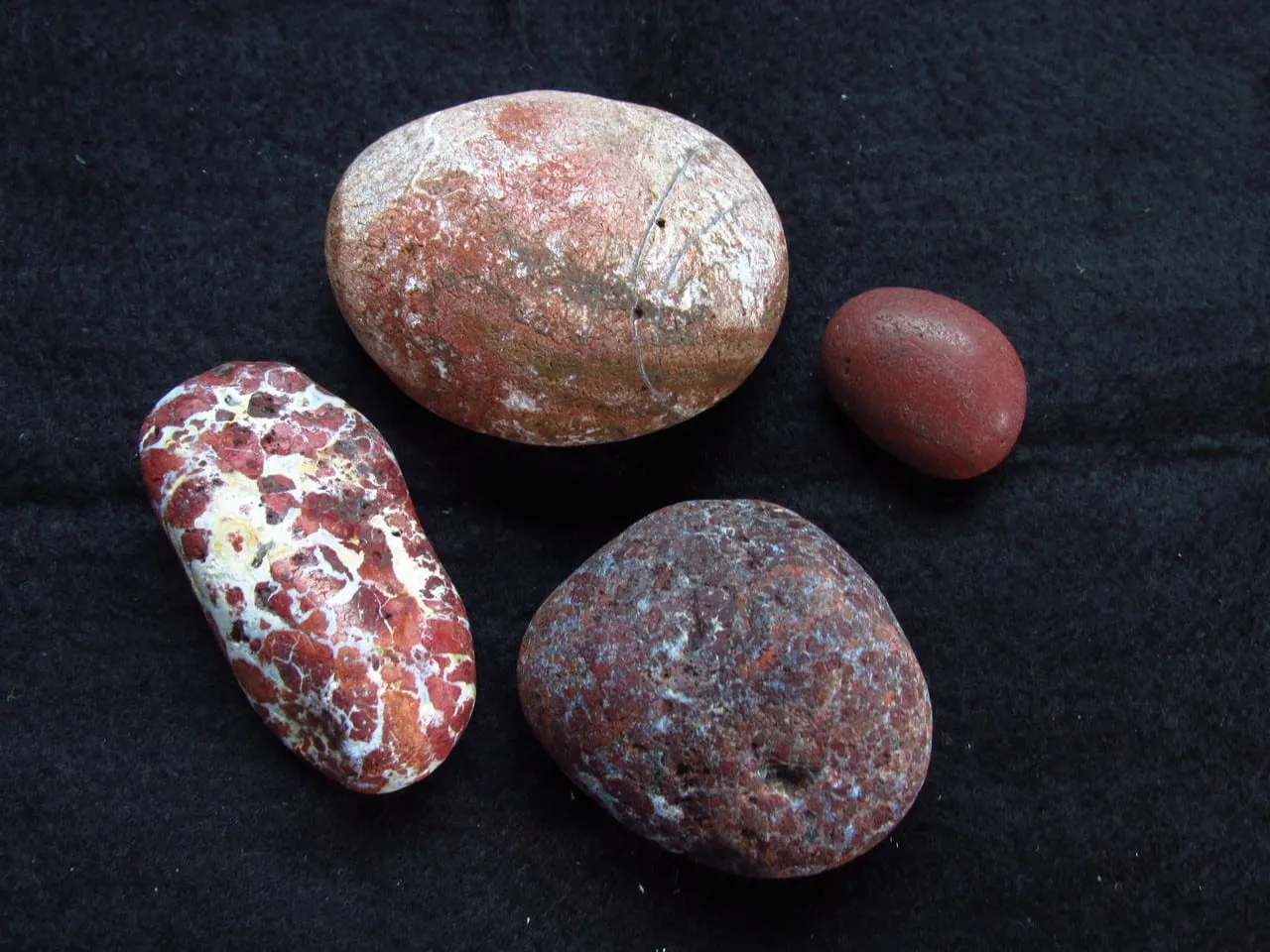
Mookaite is an opaque ornamental stone from the western side of the Kennedy Range in Western Australia, combining mustard yellow, red, purple, cream and white. It is named after Mooka Creek, where it is quarried. The trade often sells it as “mookaite jasper”, but geologically it is a radiolarite, a sediment built from the silica skeletons of single-celled sea creatures, that was silicified close to the surface. Its colours come from iron oxides.
Photos
How does it form?
Mookaite’s story begins in the Early Cretaceous, in the age called the Aptian (about 121–113 million years ago). At that time a shallow sea, probably less than 40 metres deep, covered what is now the Southern Carnarvon Basin of Western Australia. Nutrient-rich fresh water from the land and plenty of dissolved silica in the sea let radiolarians thrive: single-celled sea creatures whose skeletons are made of glassy, opal-like silica. Billions of their skeletons piled up on the sea floor together with dark mud rich in organic matter. These sediments now form the rock unit called the Windalia Radiolarite.
The Windalia Radiolarite covers a wide area, but mookaite is found only in a small part of it. There, silica carried by water moving close to the surface hardened the rock completely, turning it into chert and porcellanite, rocks made of very fine-grained quartz. Iron oxides that later seeped into the rock, limonite and hematite, gave it its yellow, red, purple and brown colours.
What is it used for?
- Jewellery: widely used for cabochons, beads, pendants and ring stones; because it polishes so well, it is popular around the world.
- Slabs and decorative objects: cut and polished into slabs, spheres and eggs; lapidaries know it as good slabbing material.
- Flintknapping: because it is hard and very fine-grained, it is also used by craftspeople who shape tools by knapping stone.
- Collecting: its range of colours and patterns earns it a place in mineral and rock collections.
Name and deposit
Mookaite is named after Mooka Creek on the western side of the Kennedy Range. The deposit lies in small workings north of the Gascoyne River, about 180 km east of the coastal town of Carnarvon. The Kennedy Range is a weathered plateau stretching for 150 km, essentially a huge mesa; part of it has been a national park since 1993. More than 100 archaeological sites show that Indigenous Australians lived in the area for over 20,000 years; the chert would have given them stone for tools.
Radiolarite occurs in many parts of the world and was used so widely for tools in the Stone Age that it has been called the “iron of the Paleolithic”. Mookaite is a colourful form of this rock found only in Western Australia. For jasper in general, see the jasper page, and for similar silica rocks the chert page.
What determines its value?
Mookaite is a plentiful ornamental stone that is easy to work, so it is known as an affordable stone in the jewellery and lapidary trade. Its value depends mostly on how vivid and contrasting its colours are, especially when red, purple and mustard yellow appear together. Crack-free, well-polished pieces and blocks large and sound enough for spheres and eggs are in more demand. Pale pieces that cannot be told from jasper attract less interest.
This information is educational, not buying, selling or investment advice. Value varies enormously with quality and treatment.
How to recognise it
- 1
Opaque and very fine-grained; mustard yellow, red, purple, brown, cream and white sit side by side on the same stone as patches or clouds.
- 2
It is hard (6.5–7) and has no directional planes of weakness: it scratches glass and takes an excellent polish.
- 3
When broken it gives smooth, curved, shell-like surfaces, just like jasper.
- 4
Mookaite with dull colours and plain patterns can be impossible to tell from jasper; in that case it matters that the stone is stated to come from Western Australia.
Myths and misconceptions
MythMookaite is a variety of jasper.
FactAlthough it is sold as “mookaite jasper” or “Australian jasper”, geologically it is a silicified radiolarite, a rock made of the silica skeletons of sea creatures called radiolarians. The Vienna Gem Center considers the names jasper, chert and chalcedony incorrect for it.
MythLike other stones whose names end in “-ite”, mookaite is a mineral.
FactMookaite is not a recognised mineral species; it is a trade name coined locally in Western Australia for a rock made of very fine-grained quartz.
What is it believed to be good for?
This section reports beliefs; it is not health information. There is no scientific evidence for these claims and no stone replaces medical treatment.
The meanings people give this stone, and who holds them:
- Today crystal-therapy websites and stone sellers claim that mookaite “grounds” and balances people, reduces stress and makes decisions easier.
- The same sources claim that mookaite brings vitality and strength.
What science says
There is no scientific evidence that mookaite reduces stress, makes decisions easier or brings vitality; the stone is a silicified sea-floor sediment coloured by iron oxides. Lasting stress and fatigue call for a doctor.
Did you know?
Mookaite has been quarried along Mooka Creek since the 1960s.
Because it is hard, very fine-grained and colourful, mookaite is also sought by flintknappers, who shape stone into arrowheads, blades and other tools.
Under a microscope the rock can show microfossils of sea creatures called radiolarians, foraminifera and coccoliths.
A mookaite specimen from the Kennedy Range is in the permanent collection of The Children's Museum of Indianapolis in the United States.
Where is it found?
Loading map…
- Mooka Creek, western side of the Kennedy Range, Gascoyne, Western Australia · Type localityThe only known source of mookaite and the creek it is named after; quarried since the 1960s from small workings north of the Gascoyne River, about 180 km east of Carnarvon. The point marks the general position of the Kennedy Range.
Locations are approximate to protect sites. Red dots mark places in Türkiye. Open in the big map →
Frequently asked questions
What is mookaite?
Mookaite is an opaque ornamental stone from the western side of the Kennedy Range in Western Australia, combining mustard yellow, red, purple, cream and white. It is named after Mooka Creek, where it is quarried. The trade often sells it as “mookaite jasper”, but geologically it is a radiolarite, a sediment built from the silica skeletons of single-celled sea creatures, that was silicified close to the surface. Its colours come from iron oxides.
What is mookaite used for?
Jewellery: widely used for cabochons, beads, pendants and ring stones; because it polishes so well, it is popular around the world. Slabs and decorative objects: cut and polished into slabs, spheres and eggs; lapidaries know it as good slabbing material. Flintknapping: because it is hard and very fine-grained, it is also used by craftspeople who shape tools by knapping stone. Collecting: its range of colours and patterns earns it a place in mineral and rock collections.
How hard is mookaite?
It has a hardness of 6.5–7 on the Mohs scale. It scratches glass and steel; a steel knife cannot scratch it. Its specific gravity is 2.5–2.9 g/cm³.
Where is mookaite found?
Its best-known localities: Mooka Creek, western side of the Kennedy Range, Gascoyne, Western Australia.
How can you tell if mookaite is real?
Opaque and very fine-grained; mustard yellow, red, purple, brown, cream and white sit side by side on the same stone as patches or clouds. It is hard (6.5–7) and has no directional planes of weakness: it scratches glass and takes an excellent polish. When broken it gives smooth, curved, shell-like surfaces, just like jasper.
Is mookaite valuable?
On the “street to diamond” value ladder it sits on step 5 of nine: Ornamental stone. Mookaite is a plentiful ornamental stone that is easy to work, so it is known as an affordable stone in the jewellery and lapidary trade. Its value depends mostly on how vivid and contrasting its colours are, especially when red, purple and mustard yellow appear together. Crack-free, well-polished pieces and blocks large and sound enough for spheres and eggs are in more demand. Pale pieces that cannot be told from jasper attract less interest.
What is mookaite good for?
Today crystal-therapy websites and stone sellers claim that mookaite “grounds” and balances people, reduces stress and makes decisions easier. The same sources claim that mookaite brings vitality and strength. There is no scientific evidence that mookaite reduces stress, makes decisions easier or brings vitality; the stone is a silicified sea-floor sediment coloured by iron oxides. Lasting stress and fatigue call for a doctor. This section reports beliefs; it is not health information. There is no scientific evidence for these claims and no stone replaces medical treatment.
Family
_23.jpg)
_10_(33037817288).jpg)
Sources
- Mookaite · Vienna Gem Center (edelsteine.at), Gemstone lexicon
- Mookaite: A Western Australian ornamental rock (S. Stocklmayer & V. Stocklmayer), Journal of Gems & Gemmology · China University of Geosciences, 2010
- Radiolarite · Wikipedia
- Foraminiferal evidence for inner neritic deposition of Lower Cretaceous (Upper Aptian) radiolarian-rich black shales on the Western Australian margin (D. W. Haig), Journal of Micropalaeontology 24 · Copernicus, 2005
- Kennedy Range National Park · Wikipedia
- Aptian · Wikipedia
- Jasper · Gemdat.org
- Jasper · Minerals.net
- Mookaite (Windalia Radiolarite Formation, Lower Cretaceous; Western Australia) 23 (J. St. John) · Wikimedia Commons
Draft: awaiting expert reviewReport an error
On the same step
Agate
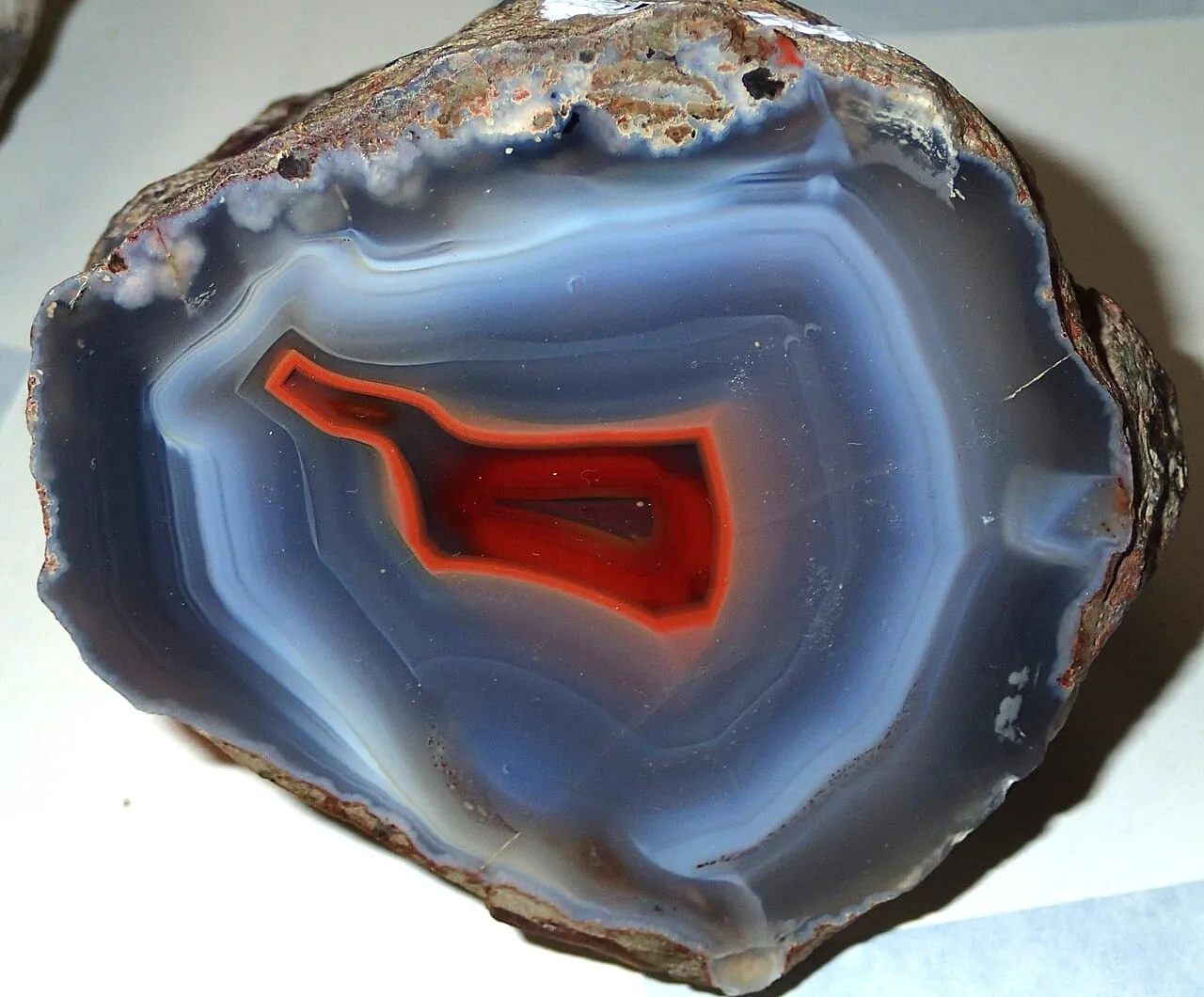
The banded variety of chalcedony: it grows layer by layer in hollows in volcanic rock and shows a new pattern every time it is cut.
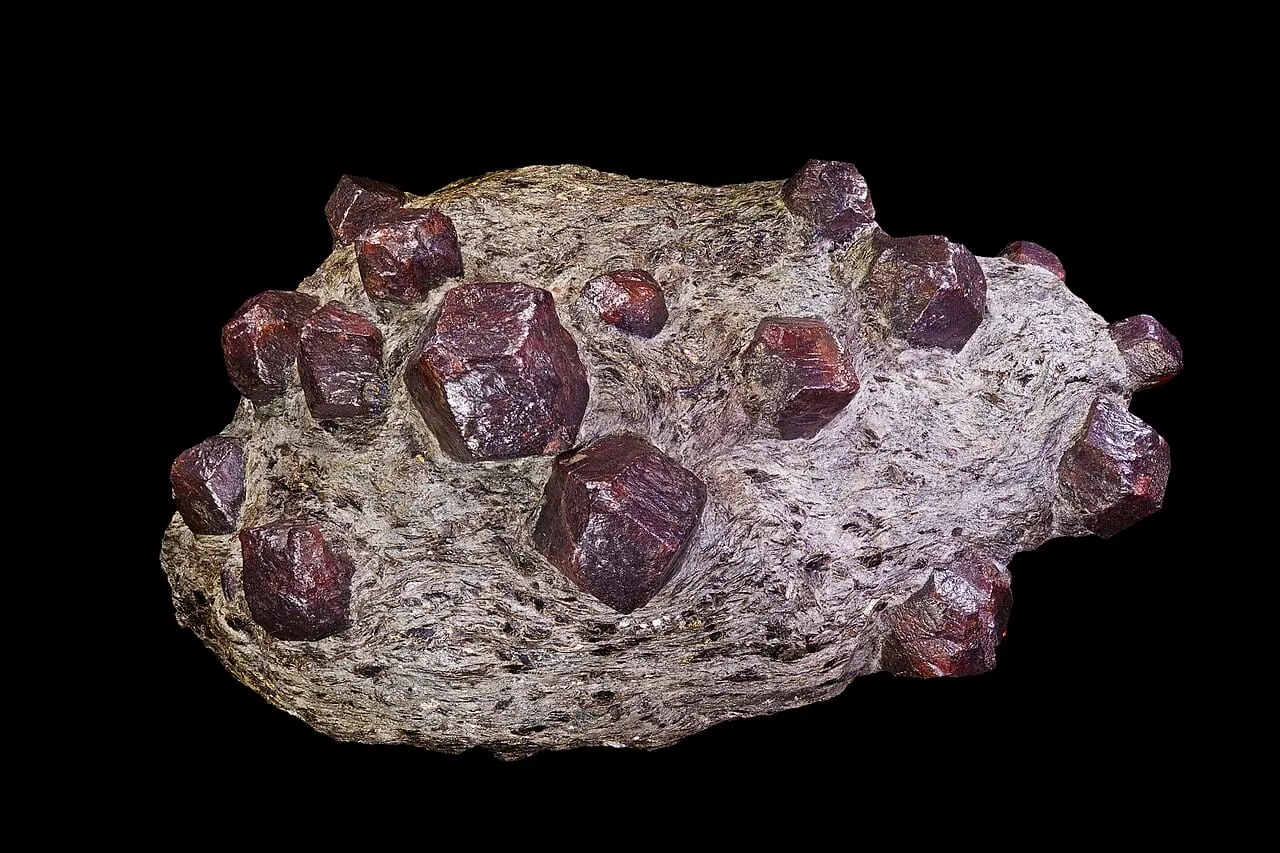
Almandine
The commonest garnet: a deep red, iron-rich stone named after the ancient city of Alabanda in Anatolia, used in jewellery and in sandpaper alike.
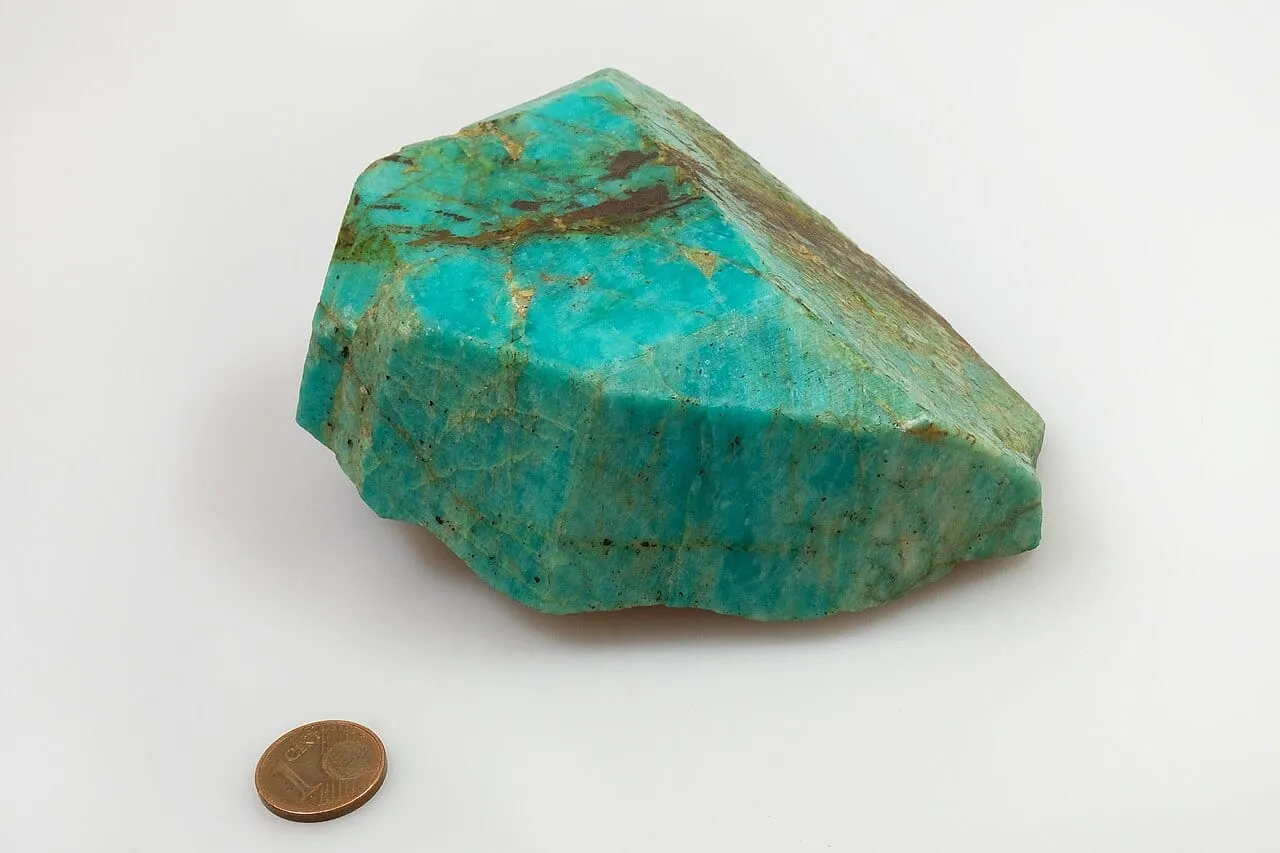
Amazonite
A turquoise-like green-blue feldspar: a variety of microcline worn as jewellery for more than three thousand years, but it can release lead.