VarietyA variety of Quartz
Aventurine
SiO₂Aventurin
A translucent quartz, most often green, that glitters with tiny flakes of mica reflecting the light.
Also known as: Aventurine quartz
- Popularly: Semi-precious stone
- Gemstone
- Ornamental
In short
Aventurine is a translucent quartz packed with thin, flat mineral flakes. When the flakes catch the light, the stone looks as if it had been dusted with gold; this shimmer is called aventurescence. Green is the commonest colour, but orange, brown, yellow, blue and grey stones exist too. Most of the aventurine on the market comes from India, and much of it is quartzite, a rock made of fine quartz grains.
Photos
How does it form?
Aventurine forms where quartz is heavily mixed with thin flakes of mica or iron oxide. The flakes lie between the quartz grains and reflect light once the stone is cut and polished. Britannica mentions extensive beds in mica schist in the Russian Urals and the Indian state of Tamil Nadu, where green aventurine coloured by a chromium mica has been found.
What is it used for?
- Jewellery: most aventurine is carved into beads and small figures; only the better pieces are cut as cabochons and set in jewellery.
- Ornaments: bowls, vases and other decorative objects are made from it, some of them very large.
- Landscape and building: the Turkish Wikipedia notes that aventurine is also used as garden stone and as a building material.
Quartz or quartzite?
Sources do not quite agree. Britannica treats aventurine as a kind of quartz; Wikipedia says that much of it is fine-grained quartzite, in other words a rock. As a result, hardness and density differ a little from stone to stone. This page treats aventurine as the variety of quartz that contains flaky inclusions; quartzite has a page of its own.
What determines its value?
The value of aventurine depends on the vividness and evenness of its colour, the strength of the shimmer, translucency and cleanliness. Because it is plentiful it is generally an inexpensive ornamental stone: most is carved into beads and small figures, and only the better pieces are cut as cabochons for jewellery. Dyed stones are worth less than naturally coloured ones and the dyeing should be disclosed.
This information is educational, not buying, selling or investment advice. Value varies enormously with quality and treatment.
How to recognise it
- 1
Turn the stone in the light and small bright flakes seem to flicker inside it (aventurescence).
- 2
It is nearly as hard as quartz (about 6.5–7): it scratches glass, though stones with a lot of mica are a little softer.
- 3
Green stones with a lot of mica can look dull and opaque, and may at first glance be mistaken for malachite; malachite is much softer and fizzes in dilute acid, whereas aventurine does not.
- 4
Because it is a rock, its hardness and density vary a little from piece to piece; it shows no crystal faces and occurs as a fine-grained mass.
Fakes and imitations
What shops usually don’t tell you:
- Goldstone: glass with copper particles added. It glitters in a similar way, but its copper flakes are coarser and spread more evenly than in any natural stone; it is usually golden brown, though blue and green kinds are made too.
- Dyed quartz and quartzite: translucent quartz without any shimmer is often dyed bright colours. Very vivid, perfectly even colours are often a sign of dye.
- Sunstone (aventurine feldspar): can be confused with orange and red aventurine quartz; sunstone is generally more transparent.
Myths and misconceptions
MythThe glitter in aventurine is gold or copper dust.
FactIn natural aventurine the shimmer comes from flakes of chromium-bearing mica (fuchsite) or of iron oxides (hematite, goethite). Copper particles are found in “goldstone”, which is a glass imitation.
MythAll brightly coloured aventurine in shops is naturally coloured.
FactAventurine and shimmer-free translucent quartz are often dyed bright colours. Whether a colour is natural can only be established with certainty in a gem laboratory.
What is it believed to be good for?
This section reports beliefs; it is not health information. There is no scientific evidence for these claims and no stone replaces medical treatment.
The meanings people give this stone, and who holds them:
- Today crystal-therapy practitioners call aventurine a “luck stone” and claim that it brings luck and abundance.
- In Türkiye, stone sellers and crystal-therapy sites say that aventurine balances the heart chakra, soothes anger and gives courage, and they tell that Amazon women used the stone in battle to increase their strength.
- In Türkiye, some news and crystal-therapy sites claim that aventurine lowers blood pressure, helps sleep and reduces “electromagnetic pollution”.
What science says
There is no scientific evidence that aventurine brings luck, lowers blood pressure or reduces electromagnetic “pollution”; the shimmer of the stone is a physical effect of light reflecting from the mica flakes inside it. High blood pressure and sleeplessness call for a doctor, and medicine should not be dropped in favour of a stone.
Did you know?
The name comes from the Italian “a ventura”, “by chance”. According to the story, the glittering glass was first made by accident at Murano, when a workman let copper filings fall into the molten glass; the name later passed to the similar-looking stone.
The green colour comes from fuchsite, a chromium-bearing mica; the orange and brown stones owe their colour to iron minerals such as hematite or goethite.
Where is it found?
Loading map…
- Mysuru (Mysore) area, Karnataka, India · Major depositIndia is by far the most important commercial producer of aventurine; the green and blue-green material comes especially from around Mysuru and Chennai
- Chennai area, Tamil Nadu, India · Major depositGreen aventurine coloured by chromium mica is known from Tamil Nadu
- Ural Mountains, Russia · Historic sourceExtensive beds of aventurine in mica schist; creamy white, grey and orange aventurine is reported from Russia too
- Rutland, Vermont, USA · Known localityOne of the places where green aventurine coloured by chromium mica has been found
- Chile · Known localityCreamy white, grey and orange aventurine is reported; the sources do not name the exact site
- Spain · Known localityCreamy white, grey and orange aventurine is reported; the sources do not name the exact site
Locations are approximate to protect sites. Red dots mark places in Türkiye. Open in the big map →
Frequently asked questions
What is aventurine?
Aventurine is a translucent quartz packed with thin, flat mineral flakes. When the flakes catch the light, the stone looks as if it had been dusted with gold; this shimmer is called aventurescence. Green is the commonest colour, but orange, brown, yellow, blue and grey stones exist too. Most of the aventurine on the market comes from India, and much of it is quartzite, a rock made of fine quartz grains.
What is aventurine used for?
Jewellery: most aventurine is carved into beads and small figures; only the better pieces are cut as cabochons and set in jewellery. Ornaments: bowls, vases and other decorative objects are made from it, some of them very large. Landscape and building: the Turkish Wikipedia notes that aventurine is also used as garden stone and as a building material.
How hard is aventurine?
It has a hardness of 6.5–7 on the Mohs scale. It scratches glass and steel; a steel knife cannot scratch it. Its specific gravity is 2.64–2.69 g/cm³.
Where is aventurine found?
Its best-known localities: Mysuru (Mysore) area, Karnataka, India; Chennai area, Tamil Nadu, India; Ural Mountains, Russia; Rutland, Vermont, USA; Chile.
How can you tell if aventurine is real?
Turn the stone in the light and small bright flakes seem to flicker inside it (aventurescence). It is nearly as hard as quartz (about 6.5–7): it scratches glass, though stones with a lot of mica are a little softer. Green stones with a lot of mica can look dull and opaque, and may at first glance be mistaken for malachite; malachite is much softer and fizzes in dilute acid, whereas aventurine does not. Goldstone: glass with copper particles added. It glitters in a similar way, but its copper flakes are coarser and spread more evenly than in any natural stone; it is usually golden brown, though blue and green kinds are made too.
Is aventurine valuable?
On the “street to diamond” value ladder it sits on step 5 of nine: Ornamental stone. The value of aventurine depends on the vividness and evenness of its colour, the strength of the shimmer, translucency and cleanliness. Because it is plentiful it is generally an inexpensive ornamental stone: most is carved into beads and small figures, and only the better pieces are cut as cabochons for jewellery. Dyed stones are worth less than naturally coloured ones and the dyeing should be disclosed.
What is aventurine good for?
Today crystal-therapy practitioners call aventurine a “luck stone” and claim that it brings luck and abundance. In Türkiye, stone sellers and crystal-therapy sites say that aventurine balances the heart chakra, soothes anger and gives courage, and they tell that Amazon women used the stone in battle to increase their strength. In Türkiye, some news and crystal-therapy sites claim that aventurine lowers blood pressure, helps sleep and reduces “electromagnetic pollution”. There is no scientific evidence that aventurine brings luck, lowers blood pressure or reduces electromagnetic “pollution”; the shimmer of the stone is a physical effect of light reflecting from the mica flakes inside it. High blood pressure and sleeplessness call for a doctor, and medicine should not be dropped in favour of a stone. This section reports beliefs; it is not health information. There is no scientific evidence for these claims and no stone replaces medical treatment.
Family


Sources
- Aventurine · Wikipedia
- Aventurin · Vikipedi
- Aventurine · Encyclopaedia Britannica
- Aventurine · Geology.com
- Fuchsite · Wikipedia
- Kuvarsların en şanslısı: Aventurin taşı ne işe yarar? Şifalı 10 özelliği · Ensonhaber, 2022
- Amazon kadınlara cesaret veren taş: Aventurin taşının özellikleri ve faydası · TGRT Haber, 2024
External links
Draft: awaiting expert reviewReport an error ↗
On the same step
Agate
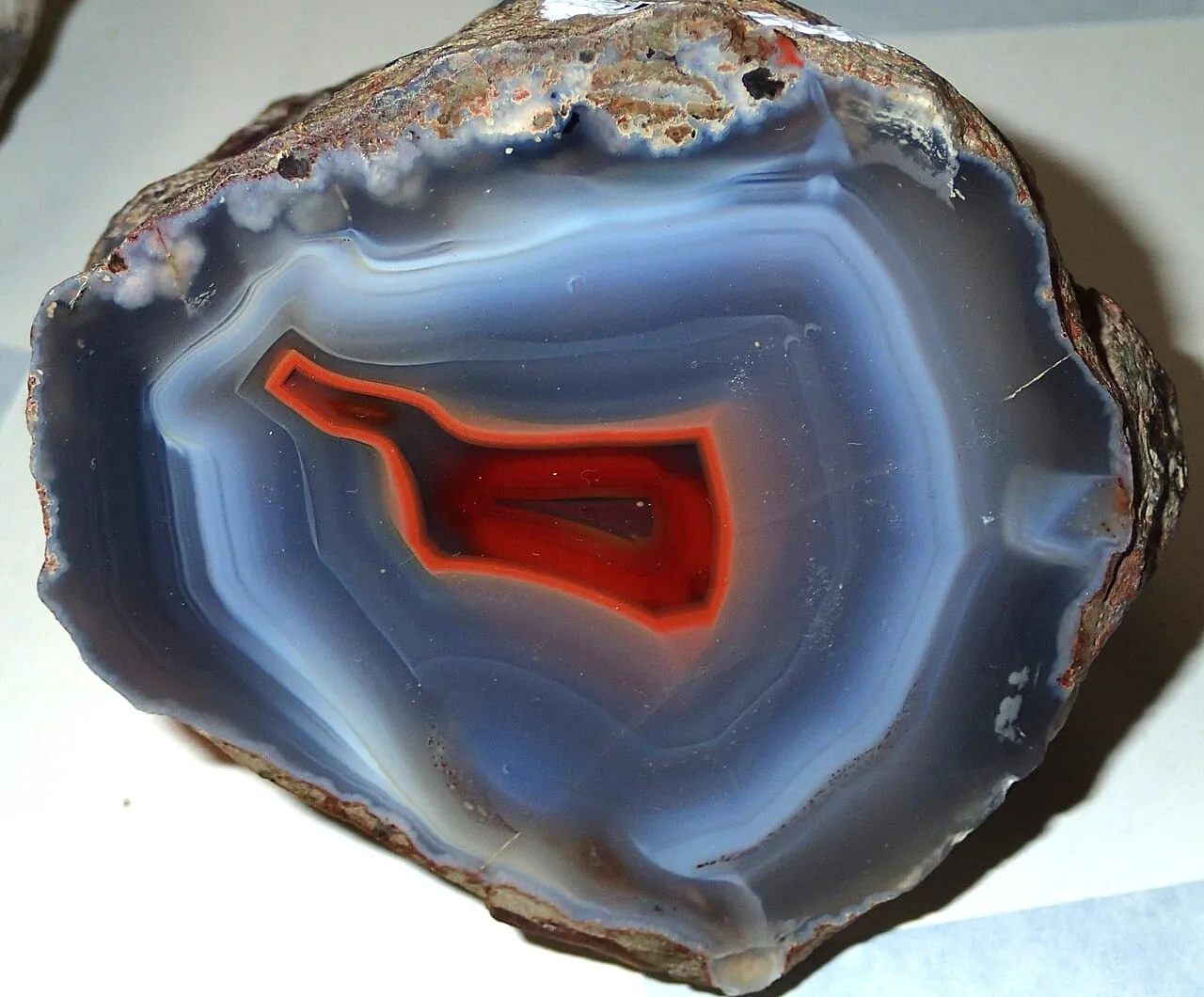
The banded variety of chalcedony: it grows layer by layer in hollows in volcanic rock and shows a new pattern every time it is cut.
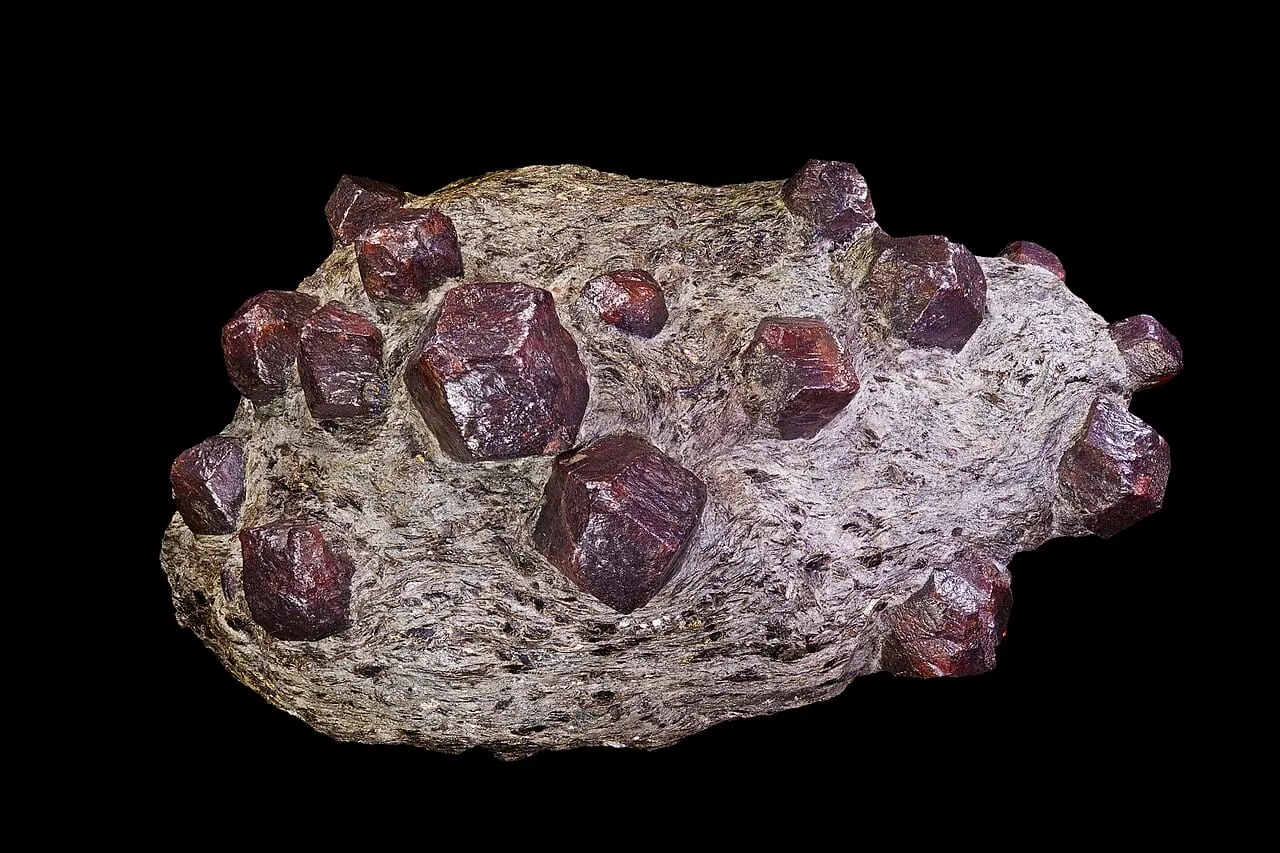
Almandine
The commonest garnet: a deep red, iron-rich stone named after the ancient city of Alabanda in Anatolia, used in jewellery and in sandpaper alike.
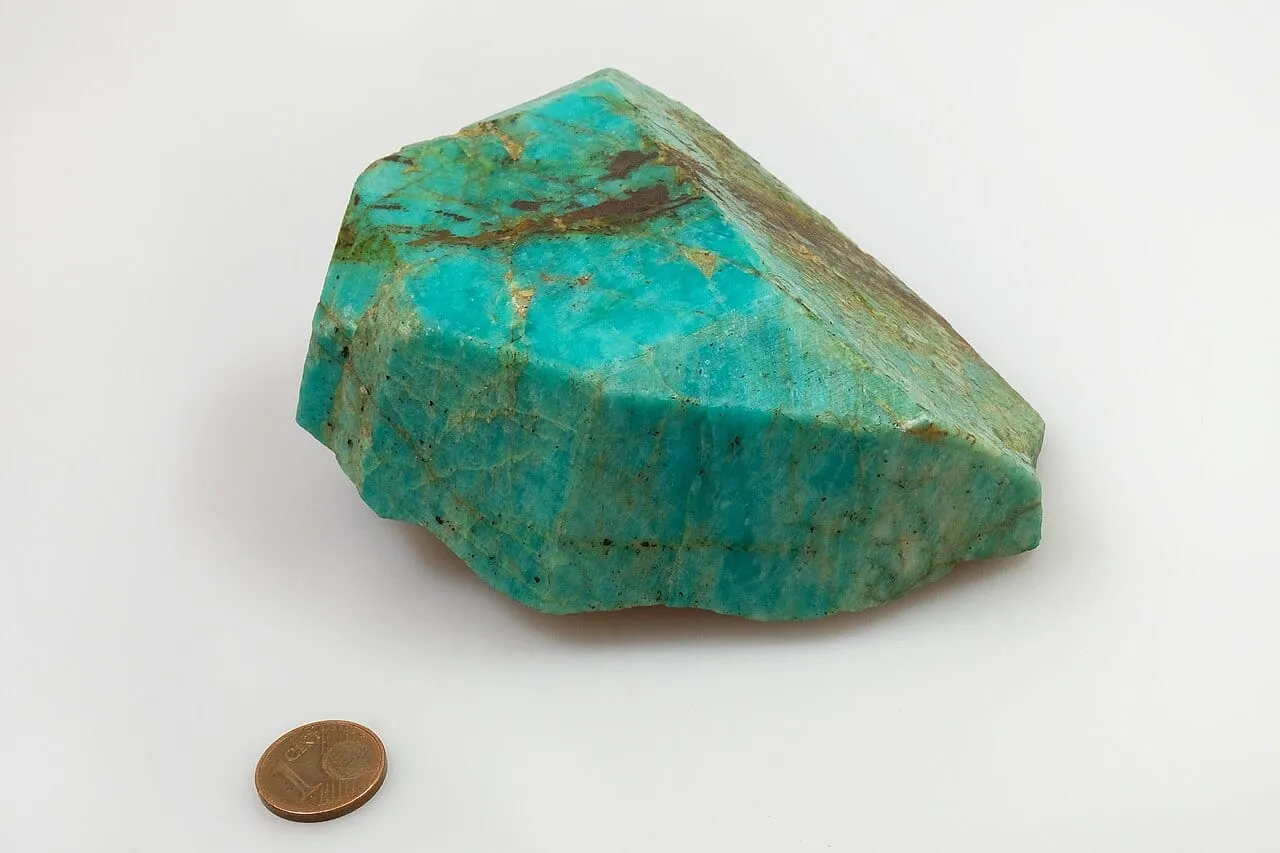
Amazonite
A turquoise-like green-blue feldspar: a variety of microcline worn as jewellery for more than three thousand years, but it can release lead.