VarietyA variety of Olivine
Peridot
(Mg,Fe)₂SiO₄Peridot
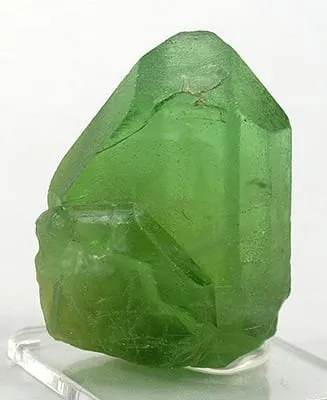
A green gem from deep inside the Earth, and very rarely from space: the gem-quality variety of the mineral olivine.
Also known as: Gem olivine · Chrysolite (old name)
- Gemstone
In short
Peridot is the clear, green variety of the mineral olivine. It gets its colour from iron in its crystal structure, so it is always some shade of green. Most peridot forms deep in the Earth's mantle and is carried to the surface by volcanic lava.
How does it form?
Olivine is the most abundant mineral in the Earth’s upper mantle. In some eruptions, rising basalt lava tears off pieces of mantle rock and carries them to the surface; the San Carlos peridots of Arizona come from inside such fragments. Elsewhere, large, clear crystals grow in cracks in mantle rocks that have been pushed up into the crust. The deposits on Zabargad Island in the Red Sea and in the Kohistan region of Pakistan are of this kind.
Where does the colour come from?
Olivine is a silicate of magnesium and iron. Peridot’s green comes from the iron; the more iron there is, the more the colour shifts towards olive and brownish tones. The finest peridots are magnesium-rich olivines with little iron.
From history
The ancient Egyptians mined peridot on Zabargad Island in the Red Sea. The traditional Turkish name for peridot, “zebercet”, comes from the same Arabic word as the island’s name. Throughout the Middle Ages peridot was often confused with emerald. Today the world’s main peridot source is the San Carlos area of Arizona, USA.
How to recognise it
- 1
It is always a shade of green, from yellowish green to olive green. The most sought-after colour is a vivid green without brown.
- 2
It is strongly doubly refractive: looking through the top of the stone with a loupe, the edges of the back facets appear doubled.
- 3
Its hardness is 6.5–7, a little softer than quartz, so it can get scratched in everyday wear.
- 4
It can be seen as small, bottle-green grains inside volcanic rocks such as basalt. Identifying a cut stone with certainty needs a gem laboratory.
Fakes and imitations
What shops usually don’t tell you:
- Green glass is the most common imitation: it may show round bubbles and lacks the doubled facet edges seen in peridot.
- Natural gems such as green tourmaline, chrysoberyl and diopside can be mistaken for peridot. The old name “chrysolite” was used for other yellowish-green stones as well as peridot, so names in old records are unreliable.
- Ask for a laboratory report for stones sold as “meteorite peridot”. Peridot from pallasite meteorites is extremely rare; laboratories can tell it from Earth-formed peridot by the amounts of trace elements such as nickel and lithium.
Did you know?
The gems decorating the Shrine of the Three Kings in Cologne Cathedral, Germany, were thought to be emeralds for centuries; they are actually peridots.
Peridot crystals also occur inside stony-iron meteorites called pallasites, making them rare gems that reached Earth from space.
Where is it found?
Loading map…
- San Carlos Apache Reservation (Peridot Mesa), Arizona, USA · Major depositIn mantle-rock fragments brought up by basalt lavas; today the world’s main peridot source
- Zabargad (St John’s) Island, Red Sea, Egypt · Historic sourceThe peridot island worked in antiquity; large, clear crystals
- Sapat Valley, Kohistan, Pakistan · Major depositHigh-mountain deposit found in the 1990s; large, vivid green stones
Locations are approximate to protect sites. Red dots mark places in Türkiye. Open in the big map →
Family

Sources
- Peridot Description (Gem Encyclopedia) · GIA
- Peridot History and Lore · GIA
- Handbook of Mineralogy: Forsterite · Mineralogical Society of America
External links
Draft: awaiting expert reviewReport an error ↗
On the same step
Amber
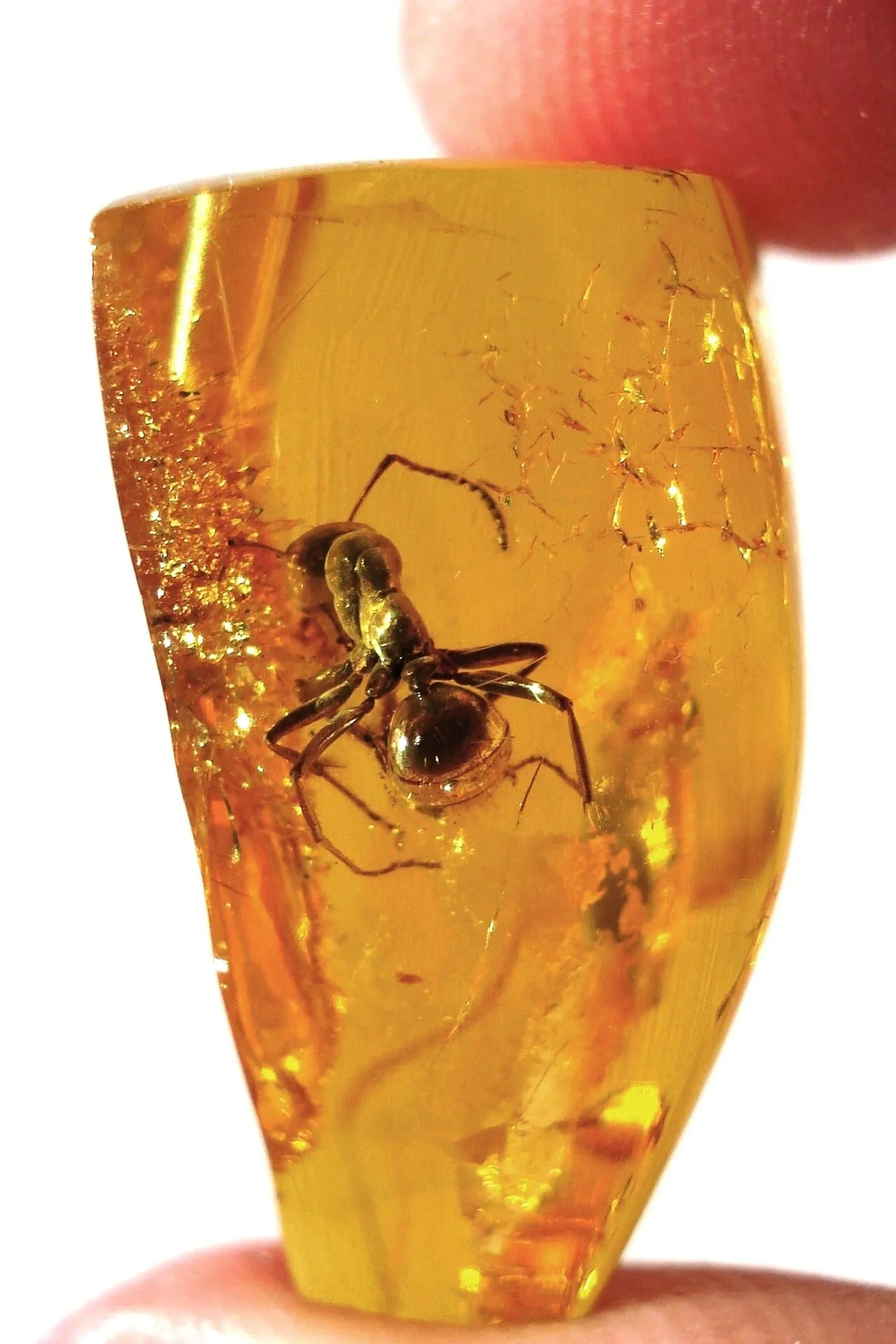
Tree resin fossilised over millions of years: a light, warm organic gem that sometimes holds prehistoric insects.
Aquamarine
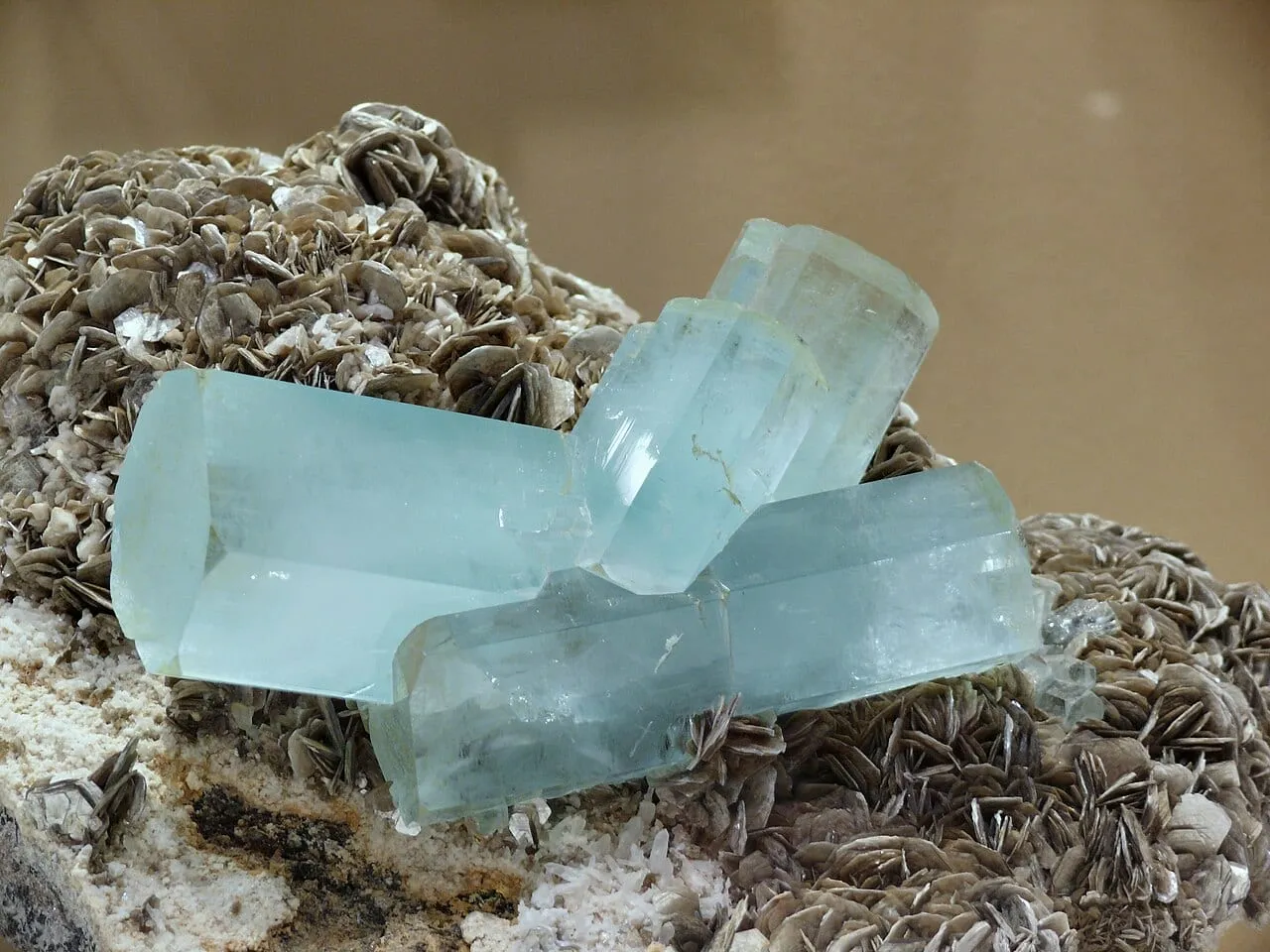
The blue member of the beryl family, named after seawater: often found as large, clear, nearly flawless crystals.
Chondrite
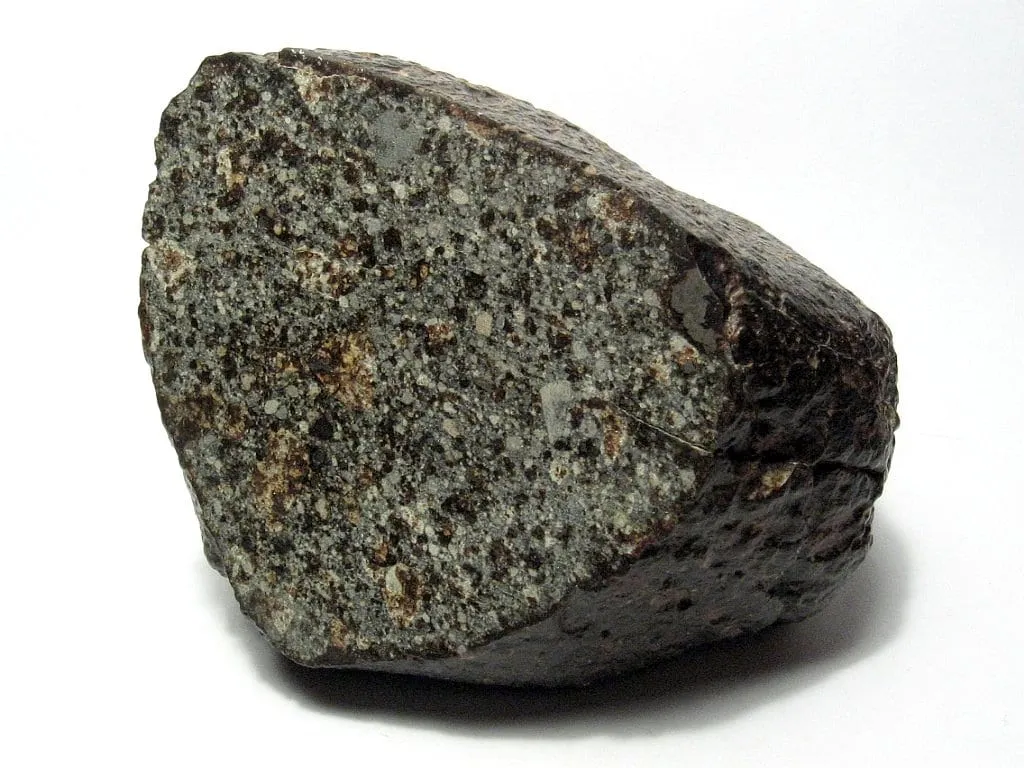
A leftover from the birth of the Solar System, full of tiny once-molten droplets, and the commonest kind of meteorite to fall to Earth.