Mineral
Zircon
ZrSiO₄Zirkon
One of Earth’s oldest witnesses: a natural mineral with 4.4-billion-year-old grains and a diamond-like sparkle. Not to be confused with cubic zirconia!
Also known as: Matara zircon (colourless zircon) · Hyacinth or jacinth (reddish brown zircon, old names)
- Gemstone
- Industrial
- Ore

In short
Zircon is a natural mineral made of zirconium, silicon and oxygen. It is so durable that it can survive unchanged for billions of years; some zircon grains found in Australia are about 4.4 billion years old. Clear zircons sparkle with bright, colourful flashes much like diamond, so they are cut as gems.
One of Earth’s oldest witnesses
Zircon is chemically very tough: even when rocks are worn down to sand, its grains survive intact. As it crystallises it takes in a little uranium but almost no lead. Because uranium decays to lead at a steady rate, measuring the uranium and lead in a zircon grain reveals when it formed. That makes zircon one of geologists’ most important “clocks”. Some zircon grains from the Jack Hills in Western Australia have been dated to about 4.4 billion years, making them the oldest known minerals formed on Earth.
What is it used for?
- Industry: Zircon is the main source of zirconium metal and chemicals. It is used as an opacifier in ceramics and glazes, as foundry sand and as a refractory material. Most of it is recovered from heavy-mineral sands; Australia and South Africa are the largest producers.
- Gemstone: Thanks to its high refractive index and strong dispersion (“fire”), clear zircon has a sparkle that resembles diamond.
Don’t confuse it with cubic zirconia
Cubic zirconia, very common in jewellery, is a laboratory-made zirconium oxide. Apart from its name and the element zirconium, it has nothing in common with the natural mineral zircon.
How to recognise it
- 1
Crystals are usually square prisms ending in a pyramid at each end.
- 2
It shows very strong double refraction: looking into a cut stone with a loupe, the back facet edges appear doubled. Diamond and cubic zirconia do not show this doubling.
- 3
It is noticeably heavy for its size (specific gravity usually 4.6–4.7), and its lustre approaches that of diamond.
- 4
It is brittle, and facet edges wear and chip easily. Certain identification needs a gem laboratory.
Fakes and imitations
What shops usually don’t tell you:
- Cubic zirconia (CZ) is not zircon: it is a laboratory-made zirconium oxide (ZrO₂). It shows no double refraction and is heavier than zircon. Because the names are similar, the two are often confused.
- The colour of blue zircon is almost always produced by heat treatment. Ask for treatment information when buying.
- Colourless zircon was once sold under misleading names such as “Matara diamond”; zircon is not diamond.
Safety
Zircon can be weakly radioactive because of traces of uranium and thorium in its crystal structure. For small stones in jewellery this is generally insignificant. Even so, it is a sensible precaution to keep collections with many dark, structurally damaged (metamict) specimens in a closed cabinet and not to inhale cutting dust.
Did you know?
Its name is thought to come from the Persian word zargun, meaning “gold-coloured”.
Zirconium and hafnium are two very similar elements; in zircon they occur together in a ratio of about 50 to 1.
Where is it found?
Loading map…
- Jack Hills, Western Australia · Known localityZircon grains about 4.4 billion years old: the oldest known minerals formed on Earth
- Sabaragamuwa and Matara, Sri Lanka · Major depositGem-quality zircon in river gravels
- Mud Tank, Northern Territory, Australia · Known localityLarge zircon crystals
- Miass, Ilmen Mountains, Southern Urals, Russia · Historic source
Locations are approximate to protect sites. Red dots mark places in Türkiye. Open in the big map →
Sources
- Handbook of Mineralogy: Zircon · Mineralogical Society of America
- Zircon · GIA
- Evidence from detrital zircons for the existence of continental crust and oceans on the Earth 4.4 Gyr ago · Nature (Wilde et al.), 2001
- Mineral Commodity Summaries 2025: Zirconium and Hafnium · U.S. Geological Survey, 2025
External links
Draft: awaiting expert reviewReport an error ↗
On the same step
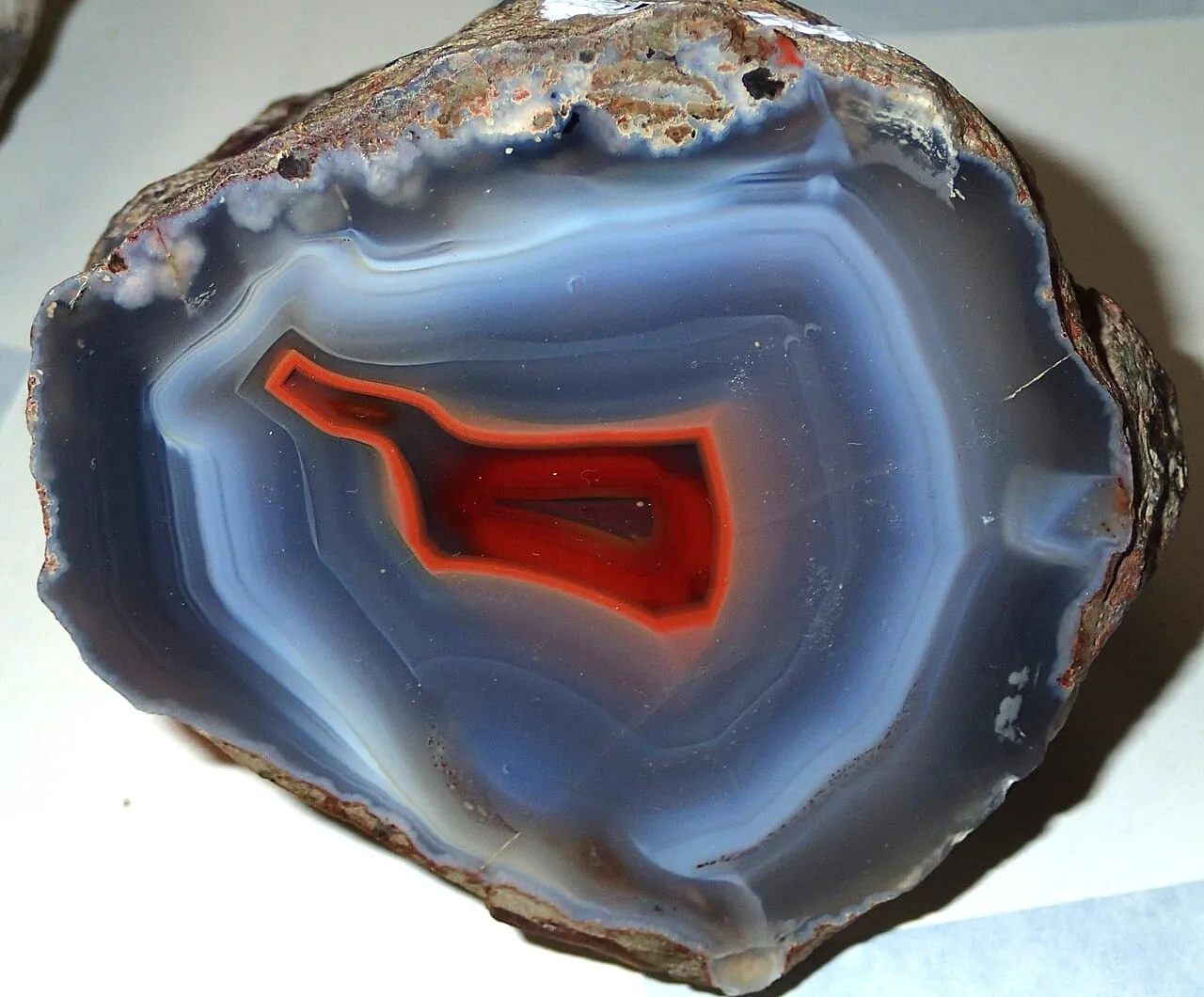
Agate
The banded variety of chalcedony: it grows layer by layer in hollows in volcanic rock and shows a new pattern every time it is cut.
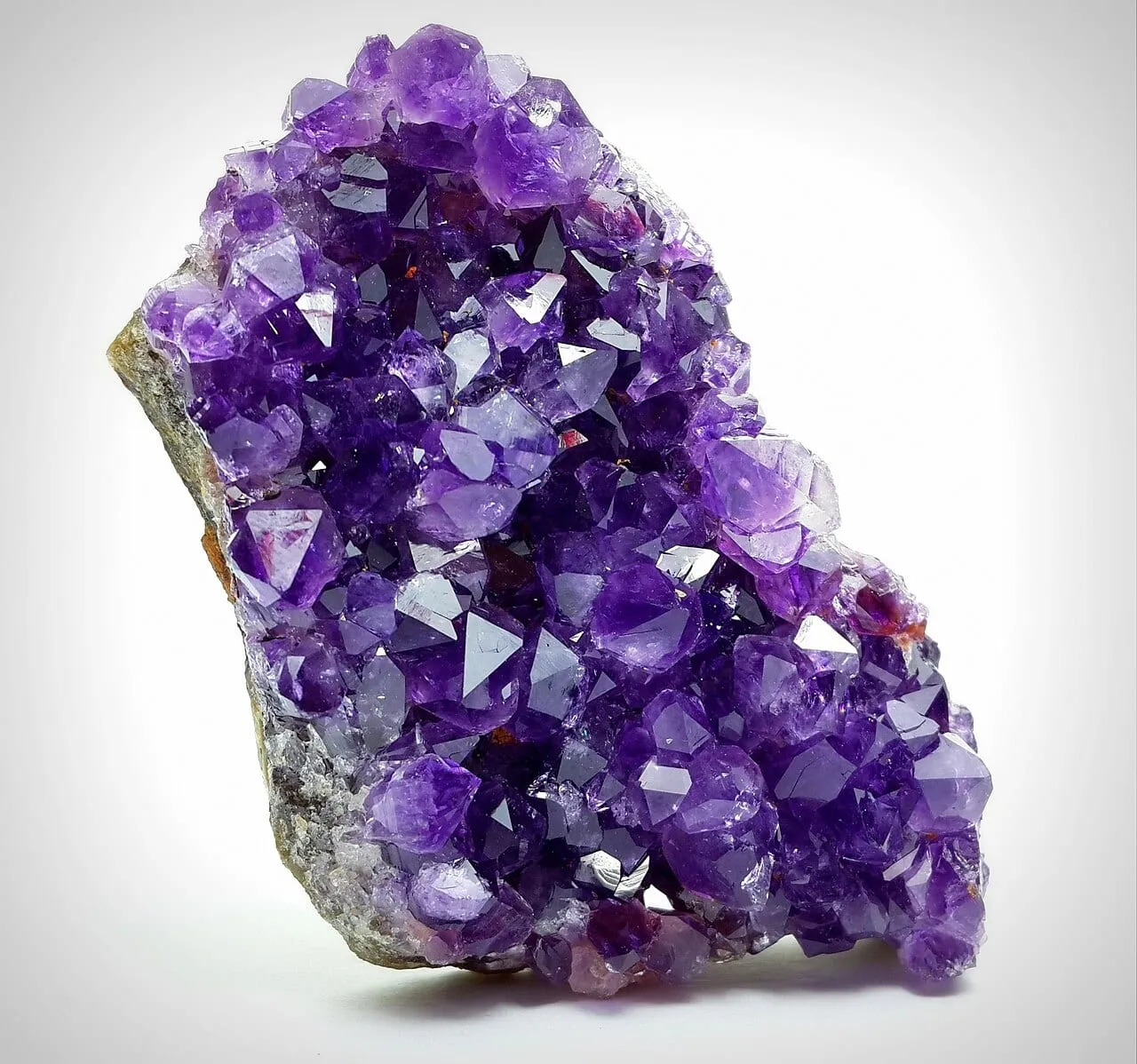
Amethyst
The purple variety of quartz, coloured by traces of iron working together with natural radiation.
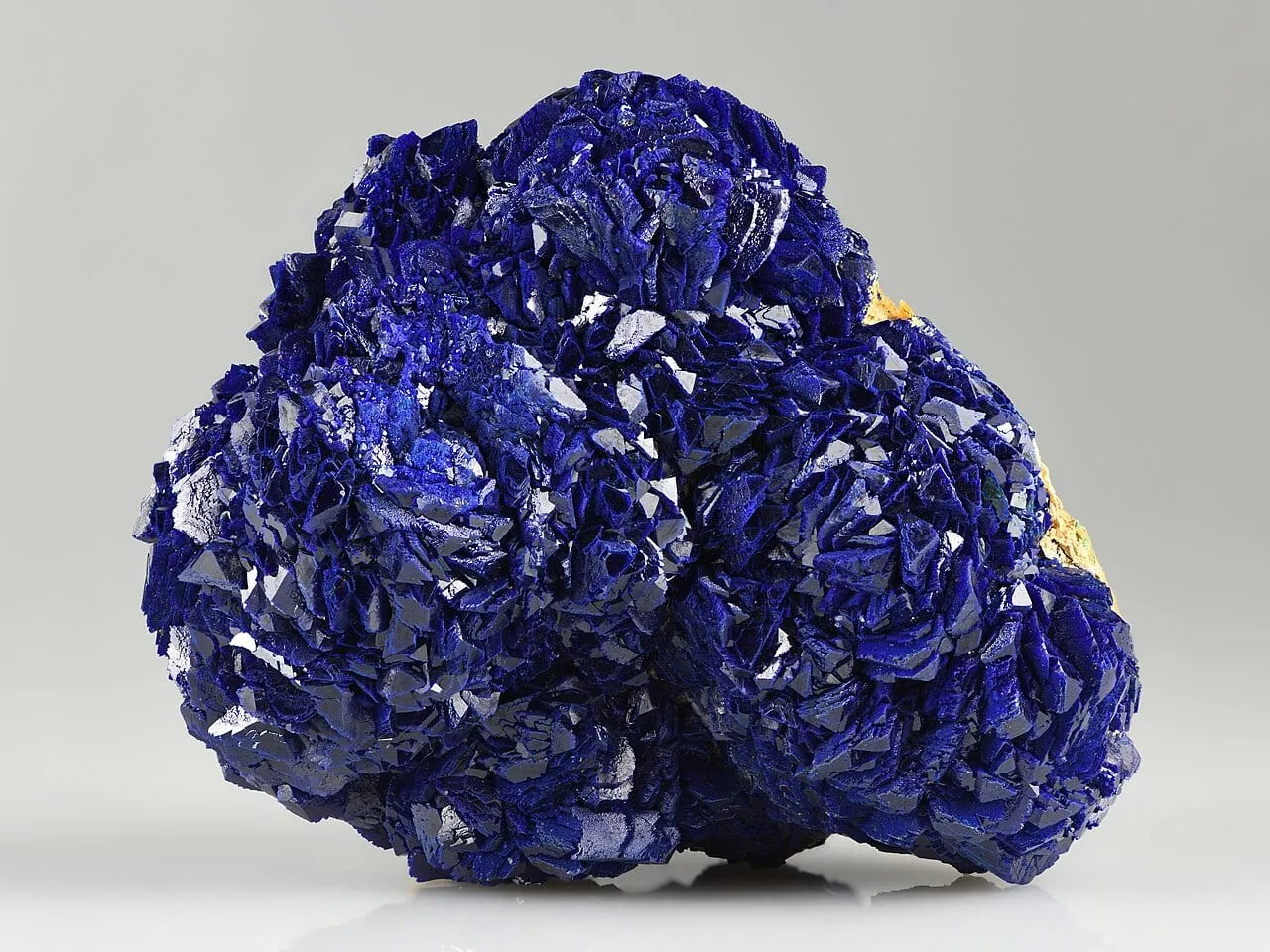
Azurite
A deep blue copper mineral that was the most important blue pigment of medieval and Renaissance painters.