Meteorite
Chondrite
Kondrit
A leftover from the birth of the Solar System, full of tiny once-molten droplets, and the commonest kind of meteorite to fall to Earth.
Also known as: Ordinary chondrite (H, L and LL groups) · Carbonaceous chondrite

In short
Chondrites are stones made of dust and tiny rock droplets that clumped together while the Solar System was forming, and they have never melted since. Most meteorites that people see falling to Earth are chondrites. At about 4.56 billion years old, they are older than any rock on Earth.
How does it form?
Chondrites are named after their chondrules: round grains, usually a few hundred micrometres to a few millimetres across, that were once molten droplets floating in space before they quickly froze. About 4.56 billion years ago, chondrules gathered together with metal grains, fine dust and calcium–aluminium-rich inclusions to form asteroids. Because these asteroids never melted completely, chondrites preserve the Solar System’s original building material almost unchanged. Most chondrites come from the asteroid belt.
Types
More than 85% of meteorites seen to fall to Earth are chondrites. Most of them are ordinary chondrites, divided by their metal content into the H, L and LL groups. Carbonaceous chondrites, which contain water-bearing minerals and organic compounds, are rarer; the Murchison meteorite, which fell in Australia in 1969, is a famous carbonaceous chondrite in which amino acids were found.
Chondrites in Türkiye
Chondrites are among the meteorites seen to fall in Türkiye. Two separate ordinary chondrites fell in Bursa 39 years apart: Domanitch (L5) in 1907 and Bursa (L6) in 1946. Chemical and mineralogical analyses confirmed that they are two different meteorites, not pieces of the same fall.
How to recognise it
- 1
A freshly fallen chondrite is covered by a black fusion crust less than 1 millimetre thick, and the interior below it is usually light grey. Its surface has no gas bubble holes.
- 2
Most ordinary chondrites contain grains of iron–nickel metal, so they attract a magnet and feel noticeably heavier than an ordinary rock of the same size.
- 3
Rubbed on unglazed porcelain, it usually leaves no streak, or only a very pale grey one. A reddish-brown streak points to hematite, a blackish-grey one to magnetite.
- 4
A broken or cut surface may show shiny metal flecks and round chondrules a millimetre or so across. Only a meteorite laboratory can confirm that a rock is a meteorite; the names and classes of new meteorites are published in the database of the Meteoritical Society.
Fakes and imitations
What shops usually don’t tell you:
- Slag: waste from mining and metal smelting. It is often magnetic, but it is full of gas bubble holes and looks glassy; it is common in road and railway fill.
- Hematite and magnetite: these heavy, dark iron-oxide minerals resemble meteorites, but hematite leaves a reddish-brown streak and magnetite a blackish-grey one.
- Being black, rounded or heavy does not make a rock a meteorite. Bubbly (vesicular) rocks such as basalt and slag are almost never meteorites.
- Many stones sold online and at markets as “meteor stones” are not meteorites at all. Genuine meteorites have registered names and classifications, so be wary of anything sold without a name, a class and a documented source.
Did you know?
A “meteor” is the streak of light in the sky, while a “meteorite” is the stone that reaches the ground, so “meteor stone” is a misnomer.
The calcium–aluminium-rich inclusions (CAIs) in chondrites are the oldest dated solids in the Solar System.
Where is it found?
Loading map…
- Pueblito de Allende, Chihuahua, Mexico · Major depositFall site of the Allende carbonaceous chondrite (CV3) on 8 February 1969, of which more than two tonnes were collected; its calcium–aluminium-rich inclusions have been used to date the Solar System.
- Murchison, Victoria, Australia · Known localityFall site of the Murchison carbonaceous chondrite (CM2) on 28 September 1969; amino acids have been found in it.
- Chelyabinsk, Russia · Known localityAn LL5 ordinary chondrite that broke up in the atmosphere on 15 February 2013; its shock wave shattered many windows across the region. The largest piece was recovered from Lake Chebarkul.
- Bursa, Türkiye · Known localityTwo separate ordinary chondrites were seen to fall in Bursa 39 years apart: Domanitch (L5) in 1907 and Bursa (L6) in 1946.
Locations are approximate to protect sites. Red dots mark places in Türkiye. Open in the big map →
Sources
- Chondrite · Encyclopaedia Britannica
- Meteorite ID · Buseck Center for Meteorite Studies, Arizona State University
- Domanitch & Bursa · Buseck Center for Meteorite Studies, Arizona State University
- Types of meteorites · Natural History Museum, London
External links
Draft: awaiting expert reviewReport an error ↗
On the same step
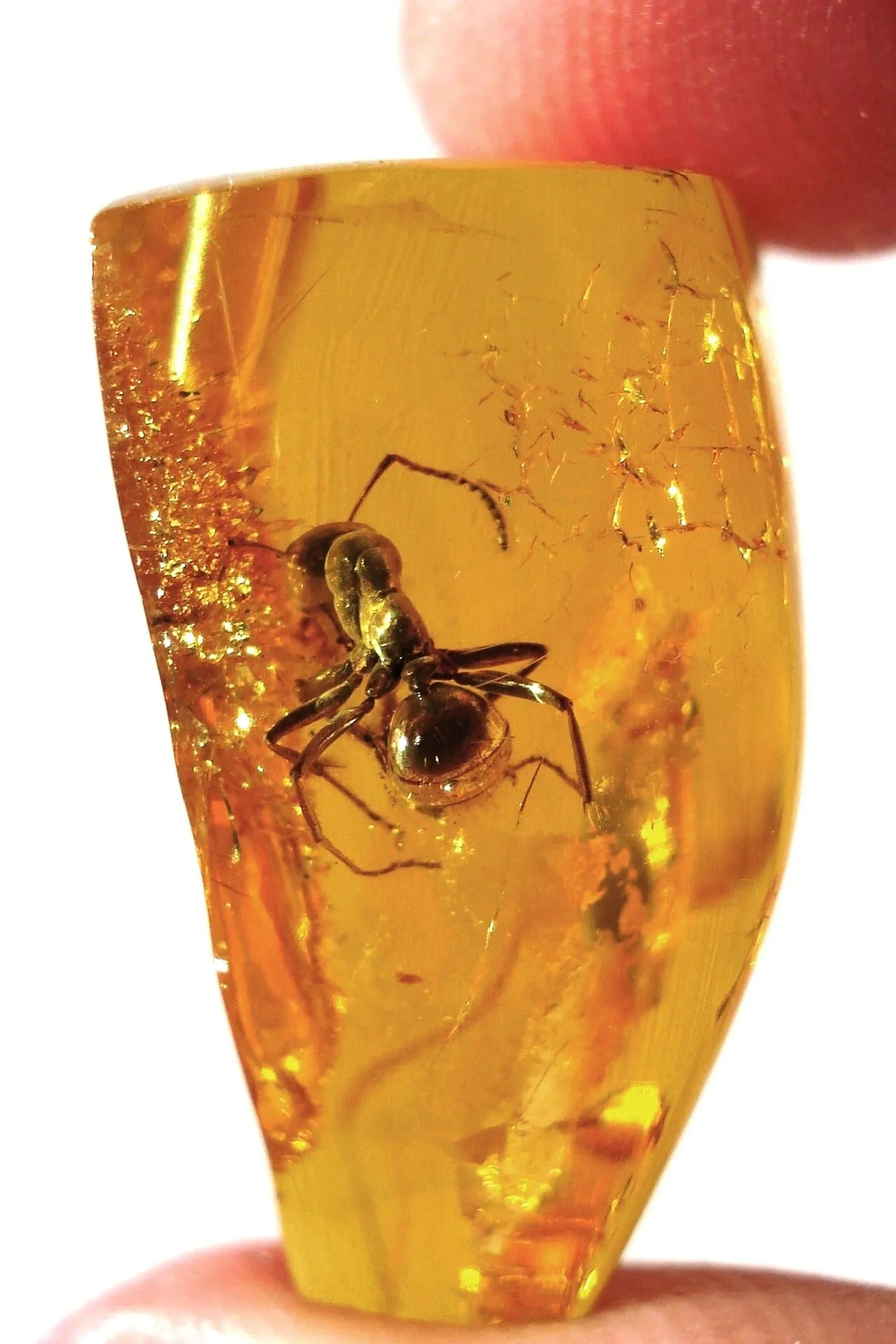
Amber
Tree resin fossilised over millions of years: a light, warm organic gem that sometimes holds prehistoric insects.
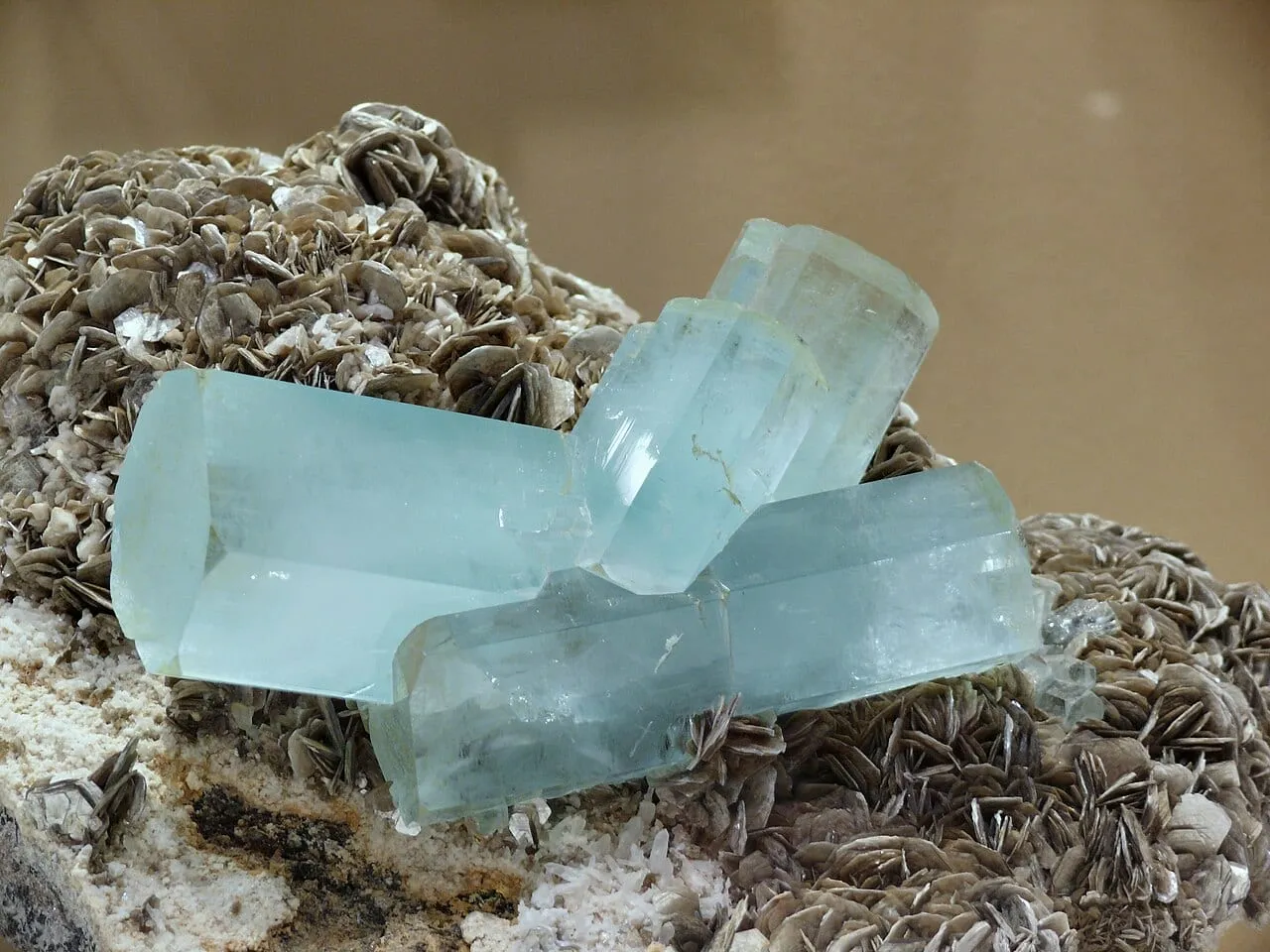
Aquamarine
The blue member of the beryl family, named after seawater: often found as large, clear, nearly flawless crystals.
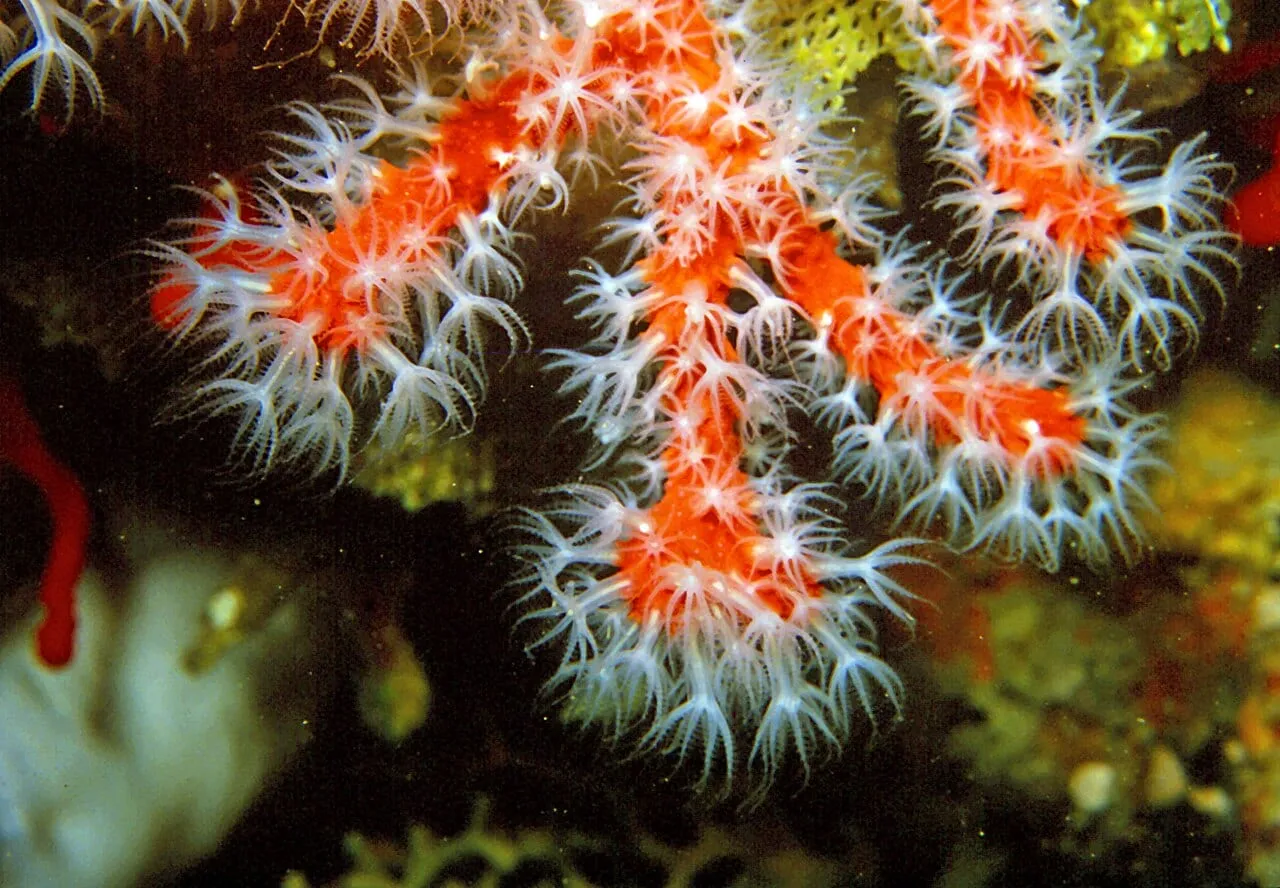
Coral
The red limestone skeleton of tiny deep-sea animals: an organic gem that grows so slowly it needs protecting.