Organic gem
Pearl
İnci
An organic gem that grows layer by layer inside oysters and mussels and glows without any cutting or polishing.
- Gemstone

In short
A pearl forms when certain oysters and mussels coat a foreign particle or a small wound in their tissue with thin layers of nacre. Pearls that form on their own in nature are very rare; most pearls sold today are cultured pearls, grown on farms after people start the process. Pearls are soft, so they need gentle handling.
How does it form?
Pearl-bearing molluscs line the inside of their shells with nacre (mother-of-pearl). When a foreign particle gets inside the shell or the tissue is damaged, the animal coats that spot with thin layers of nacre as well, and a pearl grows. Nacre is made of tiny platelets of aragonite (calcium carbonate) glued together by an organic substance called conchiolin. Because light is refracted and reflected by these thin layers, a fine pearl shows a deep glow and a faint rainbow iridescence.
Natural and cultured pearls
In a cultured pearl, people start the process: a small piece of tissue, usually together with a bead nucleus made of shell, is placed inside a saltwater oyster, while freshwater mussels usually receive only a piece of tissue. The main types are Japan’s Akoya pearls, the South Sea pearls of Australia and Indonesia, the dark Tahitian pearls of French Polynesia and China’s freshwater pearls. Natural pearls, by contrast, were gathered by divers in the Persian Gulf for centuries.
Care
Pearls are soft and easily attacked by acids. Put them on after perfume, hairspray and cosmetics, wipe them with a soft cloth after wearing, and store them apart from other jewellery so they are not scratched. Ultrasonic cleaners can damage pearls.
How to recognise it
- 1
The “tooth test”: rubbed gently along the edge of the front teeth, natural and cultured pearls usually feel slightly gritty, while glass and plastic imitations feel smooth. The test is not reliable: some real pearls are polished and feel smooth, and some imitations are given a gritty coating on purpose. It also cannot tell natural from cultured pearls.
- 2
Look at the drill hole with a loupe: on imitations the coating often peels or flakes around the hole, revealing glass or plastic underneath. Real pearls have crisp hole edges, and in cultured pearls the boundary between the nacre and the bead nucleus may be visible.
- 3
Strands of perfectly round, identical beads without a single tiny blemish may be imitations; small differences in shape, colour and surface are normal in real pearls.
- 4
Whether a pearl is natural or cultured, and whether it has been treated, can only be established in a gemmological laboratory by examining its internal structure with X-rays.
Fakes and imitations
What shops usually don’t tell you:
- Imitation pearls: glass, plastic or shell beads given a coating that mimics pearl lustre. Products sold as “shell pearls” or “Majorca pearls” are also man-made imitations.
- Cultured pearls sold as “natural”: the great majority of pearls on the market are cultured. A claim that a pearl is natural should be backed by a gemmological laboratory report.
- Treatments: bleaching, dyeing (especially black and golden colours), irradiation and surface coatings are common and should be disclosed by the seller.
- Names such as “Akoya”, “Tahitian”, “South Sea” and “freshwater pearl” describe the type and source of a pearl, not whether it is natural; almost all pearls sold under these names are cultured.
Did you know?
It is a popular belief that natural pearls grow around a grain of sand; in fact they are usually started by a tiny parasite or by damage to the mollusc’s tissue.
In 1893 Kokichi Mikimoto succeeded in culturing a pearl in Japan, which is seen as the start of the cultured pearl industry. The spread of cultured pearls played a major part in the 20th-century decline of natural pearl diving in the Persian Gulf, which had gone on for centuries.
Where is it found?
Loading map…
- Bahrain, Persian Gulf · Historic sourceFor centuries one of the main centres of natural pearl diving. Inscribed on the UNESCO World Heritage List in 2012 as “Pearling, Testimony of an Island Economy”.
- Mie Prefecture, Japan (Ago and Toba bays) · Historic sourceBirthplace of the Akoya cultured pearl; Kokichi Mikimoto succeeded in culturing a pearl here in 1893, laying the foundations of the cultured pearl industry.
- Tuamotu Archipelago, French Polynesia · Major depositDark “Tahitian” cultured pearls from the black-lipped pearl oyster (Pinctada margaritifera).
- Broome, Western Australia · Major depositOne of the main centres for farming Pinctada maxima, the oyster that produces large white and silvery “South Sea” pearls.
Locations are approximate to protect sites. Red dots mark places in Türkiye. Open in the big map →
Sources
- Pearl · Gemological Institute of America (GIA)
- A Guide to How GIA Analyzes Pearls from Start to Finish · Gemological Institute of America (GIA)
- Pearling, Testimony of an Island Economy · UNESCO World Heritage Centre, 2012
External links
Draft: awaiting expert reviewReport an error ↗
On the same step
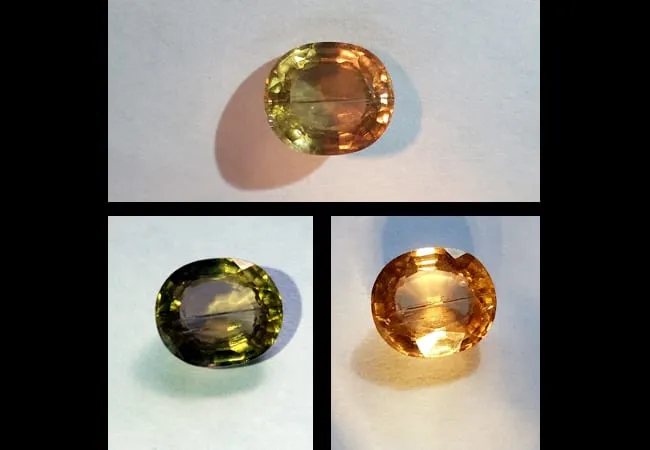
Diaspore
A rare mineral that looks greenish in daylight and pinkish under incandescent light; gem-quality material comes almost only from Muğla.
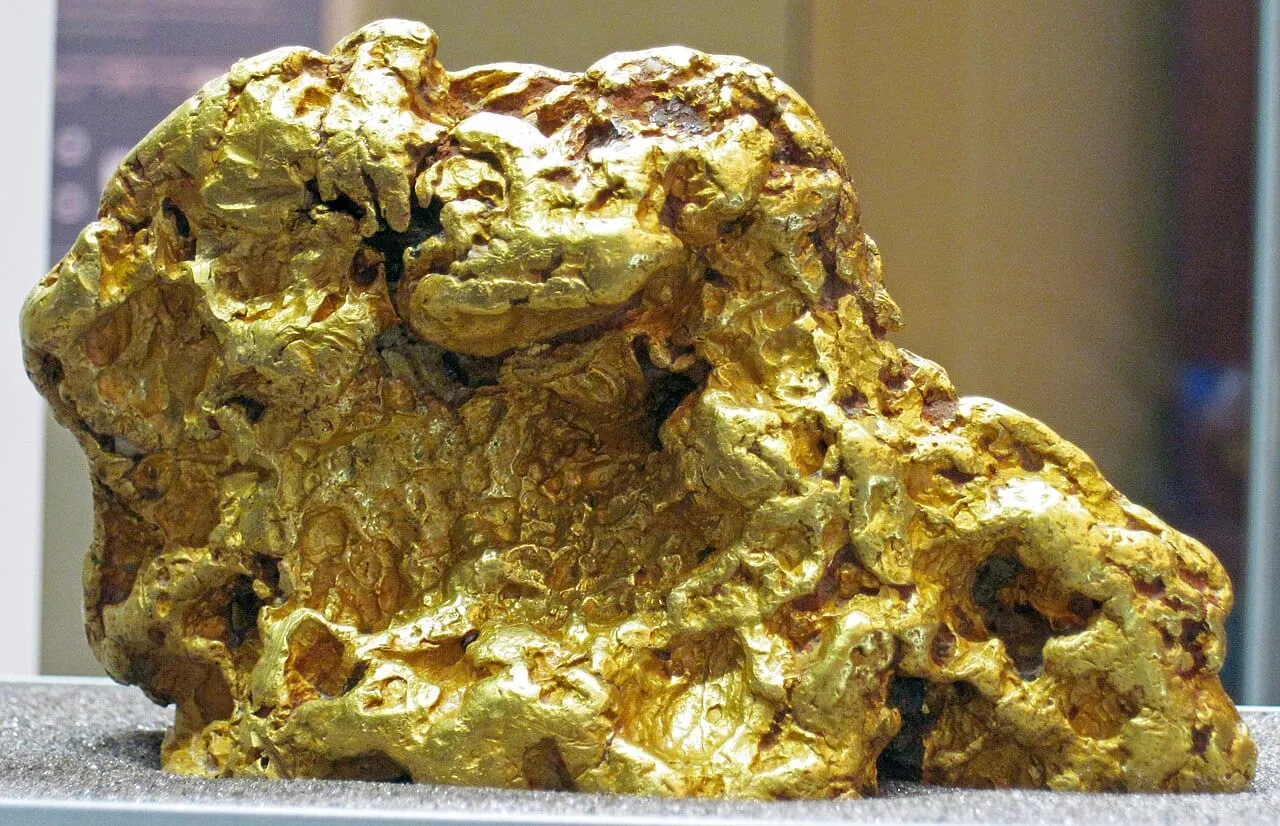
Gold
A heavy, bright yellow metal that occurs pure in nature, never tarnishes and can be hammered into sheets or drawn into wire.
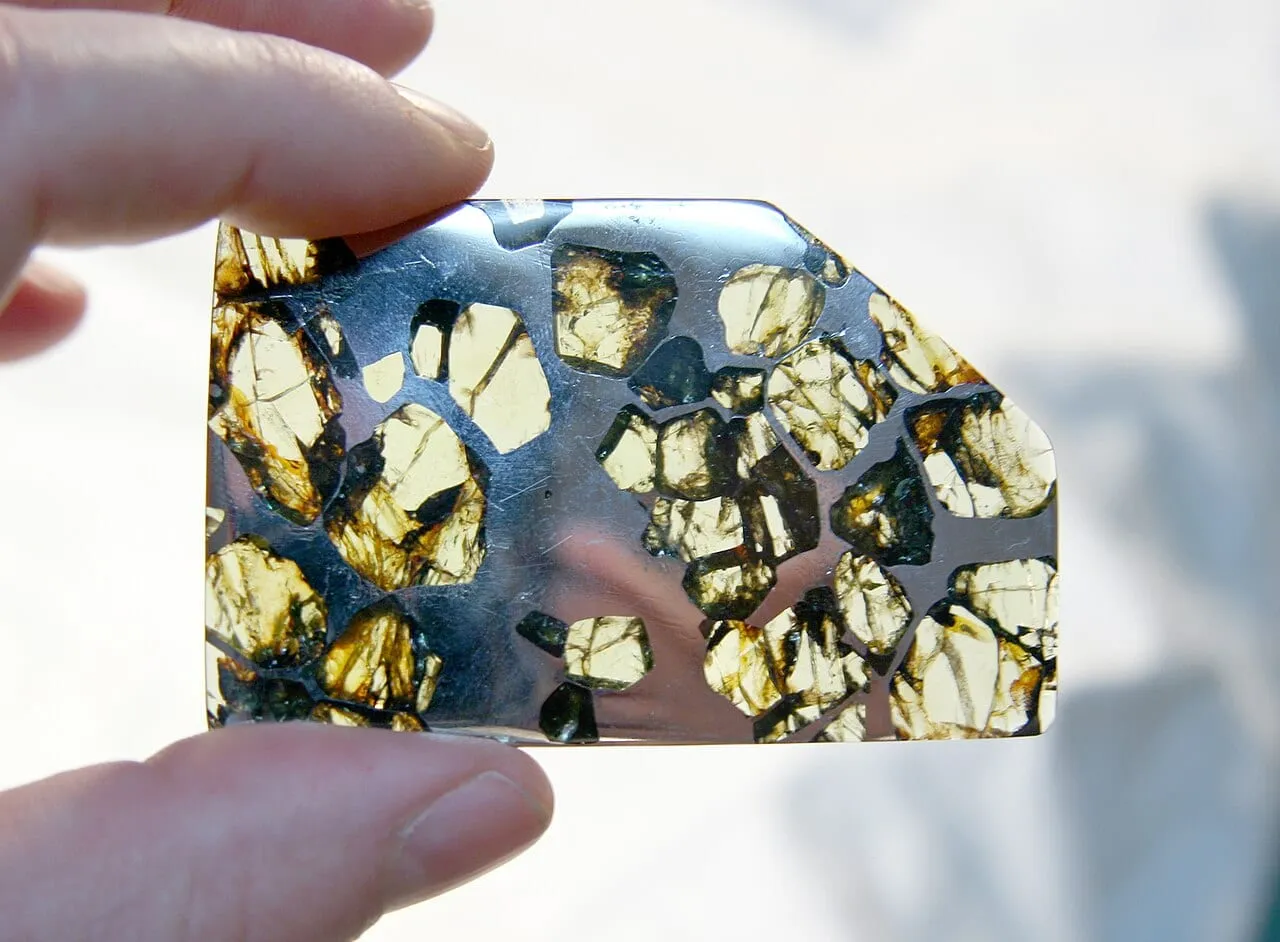
Pallasite
A rare stony-iron meteorite with golden-green olivine crystals set in shining iron–nickel metal, counted among the most beautiful meteorites.