VarietyA variety of Beryl
Heliodor
Be₃Al₂Si₆O₁₈Helidor
The sunny yellow variety of beryl: its name is Greek for “gift of the sun”, and iron gives it its colour.
Also known as: Golden beryl · Yellow beryl
- Popularly: Semi-precious stone
- Gemstone
In short
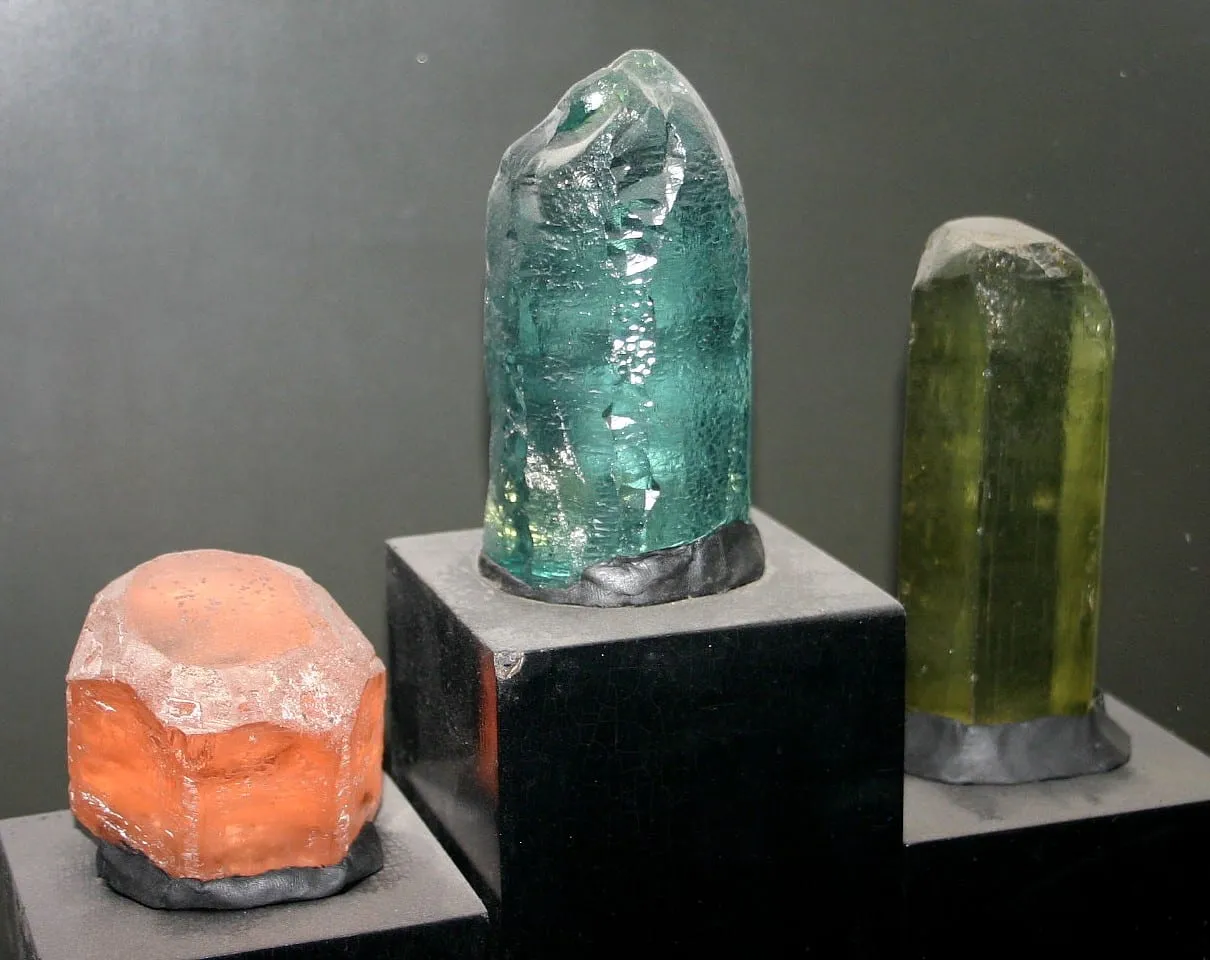
Heliodor is the colour variety of beryl that runs from pale yellow to golden yellow and greenish yellow. It gets its colour from iron in the crystal and is also sold as “golden beryl”. Unlike emerald it is usually clean, and it is hard and durable; large stones are available too. That is why it is used in jewellery both as faceted stones and in large cuts.
Photos
How does it form?
Like the other varieties of beryl, heliodor forms mostly in pegmatites, veins of rock in which large crystals grow from the last fluids left by a cooling magma. Aquamarine, which is also coloured by iron, can occur in the same pegmatites; in Namibia heliodor was recognised as a separate kind in a pegmatite that also yielded aquamarine. The Volyn pegmatites of Ukraine are also known for their greenish-yellow beryl.
What is it used for?
- Jewellery: Being hard and durable, it is used in rings, earrings and necklaces. Heliodor is also available in large sizes.
- Treatment: Some greenish beryl is heated to turn it into aquamarine; conversely, aquamarine can be irradiated to make heliodor.
- Collecting: Well-formed large crystals and big cut stones are held in collections and museums.
Where does the colour come from?
The colours of beryl come from trace elements in the crystal structure. The yellow of heliodor comes from ferric iron (Fe³⁺) ions, while the blue of aquamarine is linked to ferrous iron. The same element in a different charge state can give blue or yellow in the same mineral.
Where does the name come from?
“Heliodor” comes from the Greek helios (sun) and doron (gift): “gift of the sun”. According to the International Gem Society, the name began as a trade name for golden beryl from the Rössing area of Namibia, and it is now used for any gem-quality, golden-yellow beryl.
What determines its value?
Value depends mostly on the saturation of the colour: pure golden-yellow and vivid lemon-yellow tones are more sought after than pale or greyish stones. Golden beryl is usually clean, so eye-visible inclusions lower the value, and the quality of the cut matters too. Because heliodor is available in fairly large sizes, size does not push the value up as sharply as in other gems. Since some stones are made by irradiating aquamarine, it matters that the seller states whether the colour is natural or treated.
This information is educational, not buying, selling or investment advice. Value varies enormously with quality and treatment.
How to recognise it
- 1
Its colour runs from pale yellow to lemon yellow, golden yellow and greenish yellow.
- 2
Its hardness is 7.5–8: it scratches glass and quartz, and is harder than the similarly coloured citrine (7).
- 3
Unlike emerald it is usually clean, with very few eye-visible inclusions.
- 4
Its crystals are hexagonal prisms whose ends often look cut flat.
- 5
To tell it from citrine, yellow topaz and coloured glass, refractive index and specific gravity are measured; a gem laboratory is needed for a firm answer.
Fakes and imitations
What shops usually don’t tell you:
- Irradiated aquamarine: aquamarine can be irradiated to turn it into heliodor; the seller should disclose this.
- Dyed or impregnated stones are also on the market.
- Citrine, yellow topaz and coloured glass can be passed off as heliodor because of their similar colour.
Myths and misconceptions
MythHeliodor and golden beryl are different minerals.
FactBoth are the yellow variety of beryl. Some sources reserve “golden beryl” for pure golden yellow and “heliodor” for greenish yellow, but according to the International Gem Society the name heliodor is now used for any gem-quality, golden-yellow beryl.
MythThe yellow colour of beryl is natural and the stone has not been treated.
FactJust as greenish beryl can be heated to turn it into aquamarine, aquamarine can be irradiated to turn it into heliodor. These treatments are common and the seller should disclose them.
What is it believed to be good for?
This section reports beliefs; it is not health information. There is no scientific evidence for these claims and no stone replaces medical treatment.
The meanings people give this stone, and who holds them:
- In the “name-gem” custom described by Kunz, heliodor was matched with the name Hugh; he writes that it was considered an exceedingly good omen when the name-gem, birthstone and patron saint's gem were all the same.
- Today crystal-therapy sources claim that heliodor gives joy, drives away negative feelings and brings a hopeful outlook.
- The same circles say that heliodor strengthens determination and courage and helps one stay composed in the face of uncertainty.
What science says
There is no scientific evidence that heliodor brings luck, joy or courage. The “sun” comparison comes from the stone's name and colour: its yellow comes from traces of iron in the crystal.
Did you know?
Its name comes from the Greek helios (sun) and doron (gift). The name was applied in 1910 to the greenish-yellow beryl crystals from the Rössing area of Namibia.
A flawless cut beryl of about 2,054 carats on display in the Hall of Gems of the Smithsonian in Washington is probably the largest cut golden beryl known.
Where is it found?
Loading map…
- Rössing Mountains, Erongo Region, Namibia · Type localityThe name heliodor is said to have originated in 1910 from the greenish-yellow beryl crystals of this area
- Volodarsk-Volynskyi (Khoroshiv), Zhytomyr Oblast, Ukraine · Major depositThe Volyn pegmatites; Ukraine is one of the source countries of heliodor
- Teófilo Otoni area, Minas Gerais, Brazil · Major depositThe Minas Gerais pegmatites; Brazil is among the main sources of heliodor and golden beryl
- Central Madagascar (Antsirabe area) · Known localityMadagascar is among the countries producing heliodor; shown at region level
- Sverdlovsk Oblast (Ural pegmatites), Russia · Known localityRussia is among the countries producing heliodor; the Mursinka–Alabashka area of the Urals is famous for fine beryl crystals
- Connecticut pegmatites, USA · Historic sourceKunz reports yellow and green beryl from Connecticut; heliodor is also cited from Maine and New Hampshire in New England
Locations are approximate to protect sites. Red dots mark places in Türkiye. Open in the big map →
Frequently asked questions
What is heliodor?
Heliodor is the colour variety of beryl that runs from pale yellow to golden yellow and greenish yellow. It gets its colour from iron in the crystal and is also sold as “golden beryl”. Unlike emerald it is usually clean, and it is hard and durable; large stones are available too. That is why it is used in jewellery both as faceted stones and in large cuts.
What is heliodor used for?
Jewellery: Being hard and durable, it is used in rings, earrings and necklaces. Heliodor is also available in large sizes. Treatment: Some greenish beryl is heated to turn it into aquamarine; conversely, aquamarine can be irradiated to make heliodor. Collecting: Well-formed large crystals and big cut stones are held in collections and museums.
How hard is heliodor?
It has a hardness of 7.5–8 on the Mohs scale. It scratches glass and steel; a steel knife cannot scratch it. Its specific gravity is 2.68–2.72 g/cm³.
Where is heliodor found?
Its best-known localities: Rössing Mountains, Erongo Region, Namibia; Volodarsk-Volynskyi (Khoroshiv), Zhytomyr Oblast, Ukraine; Teófilo Otoni area, Minas Gerais, Brazil; Connecticut pegmatites, USA; Central Madagascar (Antsirabe area).
How can you tell if heliodor is real?
Its colour runs from pale yellow to lemon yellow, golden yellow and greenish yellow. Its hardness is 7.5–8: it scratches glass and quartz, and is harder than the similarly coloured citrine (7). Unlike emerald it is usually clean, with very few eye-visible inclusions. Irradiated aquamarine: aquamarine can be irradiated to turn it into heliodor; the seller should disclose this.
Is heliodor valuable?
On the “street to diamond” value ladder it sits on step 5 of nine: Ornamental stone. Value depends mostly on the saturation of the colour: pure golden-yellow and vivid lemon-yellow tones are more sought after than pale or greyish stones. Golden beryl is usually clean, so eye-visible inclusions lower the value, and the quality of the cut matters too. Because heliodor is available in fairly large sizes, size does not push the value up as sharply as in other gems. Since some stones are made by irradiating aquamarine, it matters that the seller states whether the colour is natural or treated.
What is heliodor good for?
In the “name-gem” custom described by Kunz, heliodor was matched with the name Hugh; he writes that it was considered an exceedingly good omen when the name-gem, birthstone and patron saint's gem were all the same. Today crystal-therapy sources claim that heliodor gives joy, drives away negative feelings and brings a hopeful outlook. The same circles say that heliodor strengthens determination and courage and helps one stay composed in the face of uncertainty. There is no scientific evidence that heliodor brings luck, joy or courage. The “sun” comparison comes from the stone's name and colour: its yellow comes from traces of iron in the crystal. This section reports beliefs; it is not health information. There is no scientific evidence for these claims and no stone replaces medical treatment.
Family


Sources
- Heliodor Value, Price, and Jewelry Information · International Gem Society
- Beryl (Golden beryl and heliodor) · Wikipedia
- Handbook of Mineralogy: Beryl · Mineralogical Society of America
- The Curious Lore of Precious Stones (G. F. Kunz) · J. B. Lippincott Company; Project Gutenberg, 1913
- Khoroshiv · Wikipedia
- Rössing uranium mine · Wikipedia
External links
Draft: awaiting expert reviewReport an error ↗
On the same step
Agate
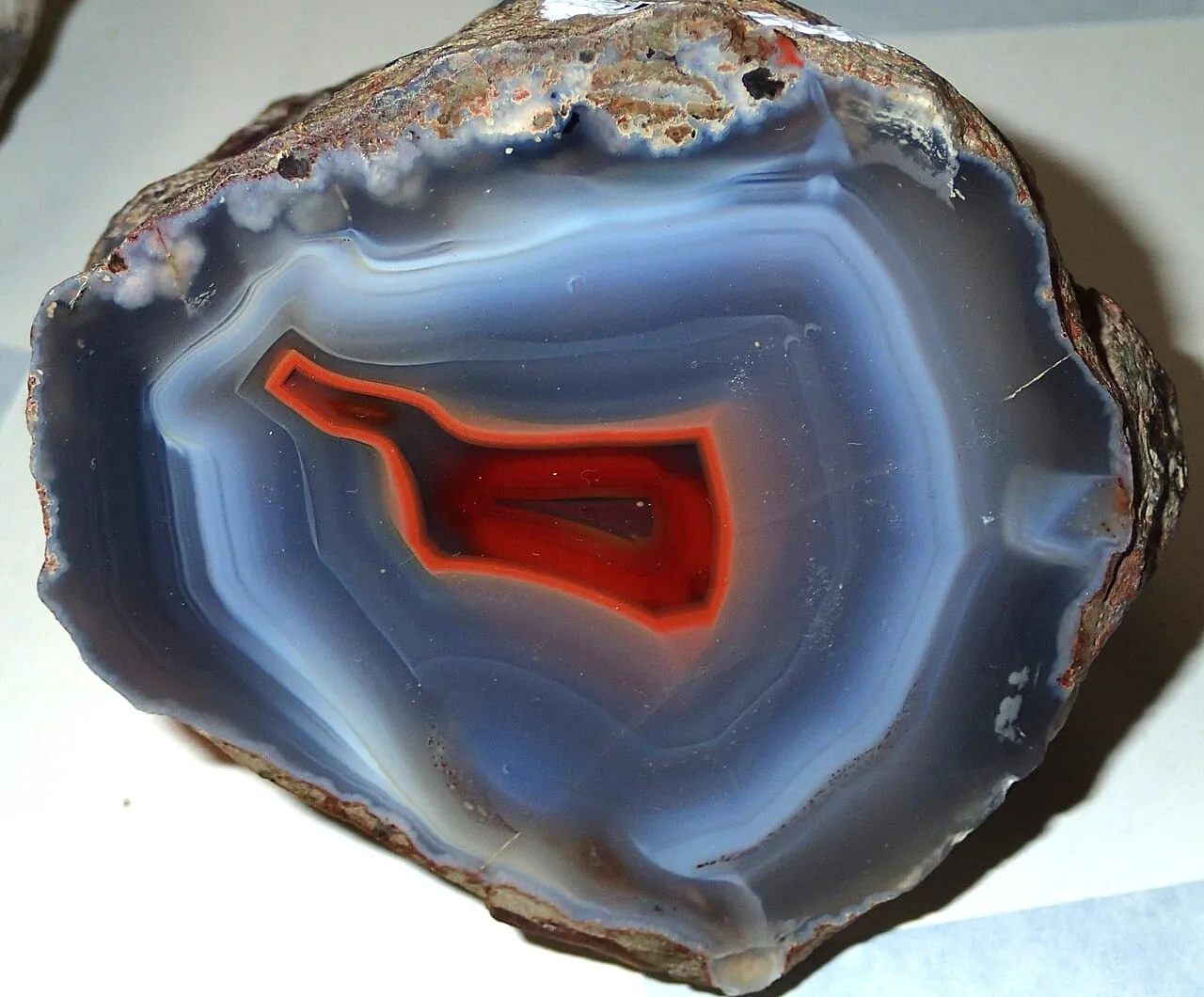
The banded variety of chalcedony: it grows layer by layer in hollows in volcanic rock and shows a new pattern every time it is cut.
Almandine
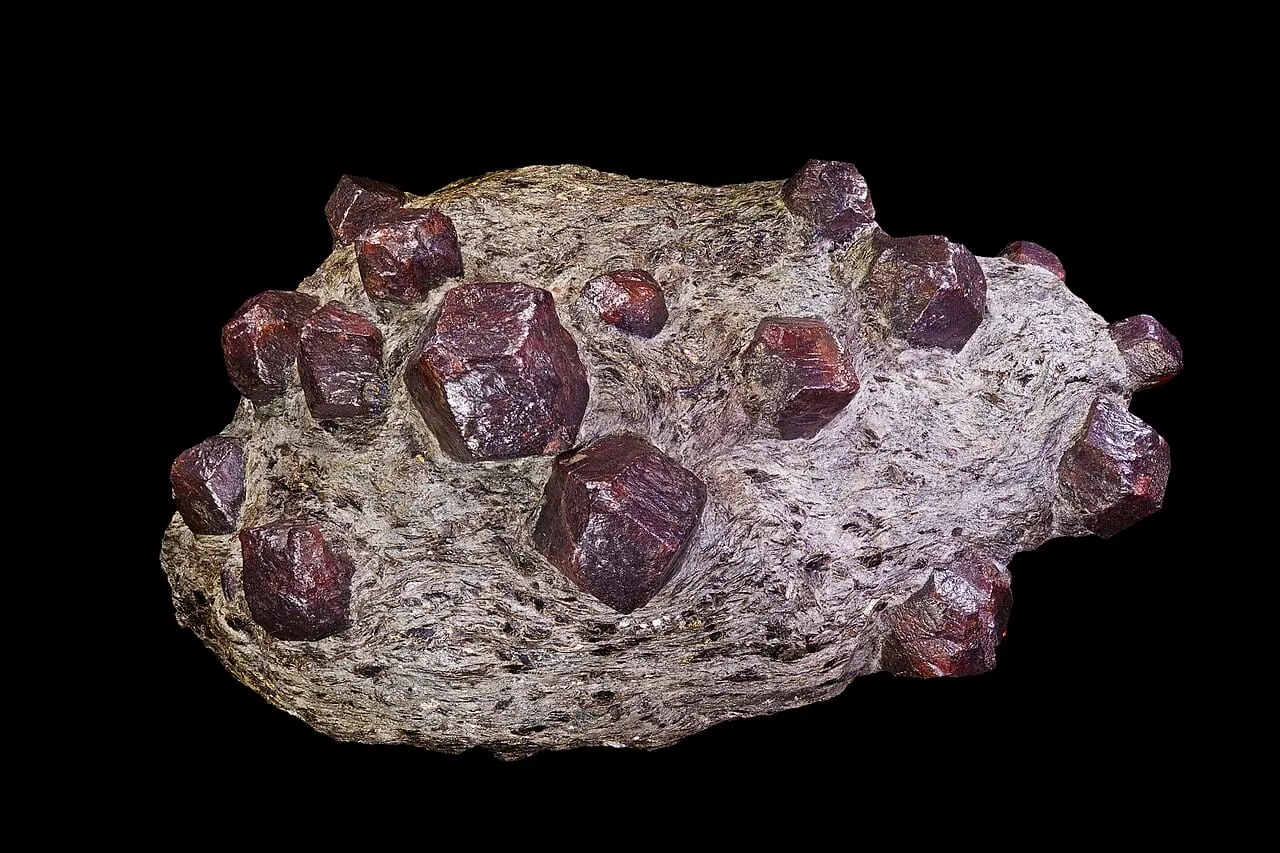
The commonest garnet: a deep red, iron-rich stone named after the ancient city of Alabanda in Anatolia, used in jewellery and in sandpaper alike.
Amazonite
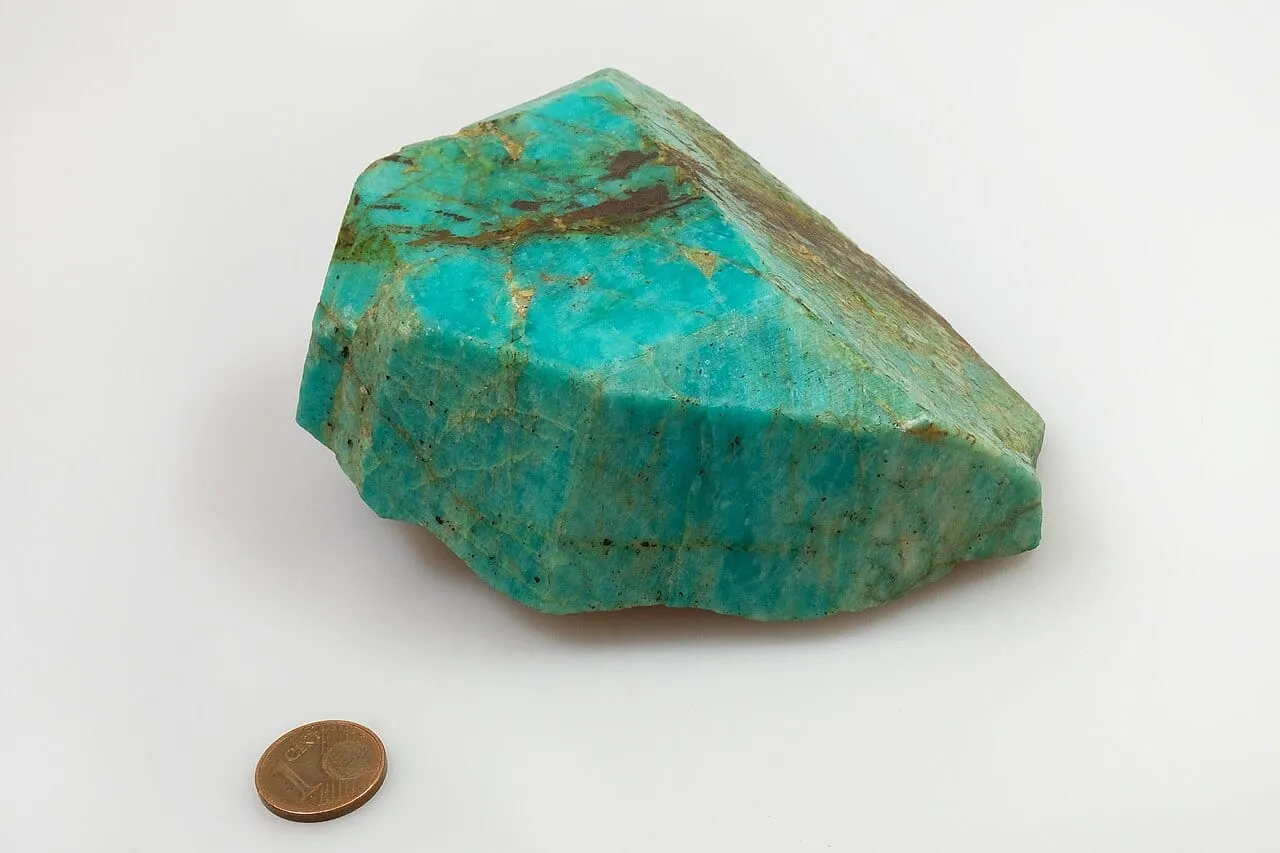
A turquoise-like green-blue feldspar: a variety of microcline worn as jewellery for more than three thousand years, but it can release lead.