Everyday name
Lime
Kireç
Lime is not a stone but a caustic substance made by burning limestone in a kiln: quicklime is calcium oxide, slaked lime is calcium hydroxide.
Also known as: Quicklime (calcium oxide) · Slaked lime (calcium hydroxide) · Hydrated lime · Lime putty · Whitewash
- Popularly: Ore and raw material
- Everyday
- Industrial
- Handle with care
In short
Lime is made by burning limestone or chalk in kilns at over 900 °C. In the heat, the calcium carbonate in the stone gives off carbon dioxide and turns into calcium oxide, or quicklime. Adding water to quicklime releases a great deal of heat and produces slaked lime (calcium hydroxide). Slaked lime has been used for thousands of years in mortar, plaster and whitewash; on the wall it slowly absorbs carbon dioxide from the air and turns back into calcium carbonate, in a sense becoming stone again. Both forms of lime are strong alkalis: they can burn skin and cause lasting eye damage.
In scientific terms
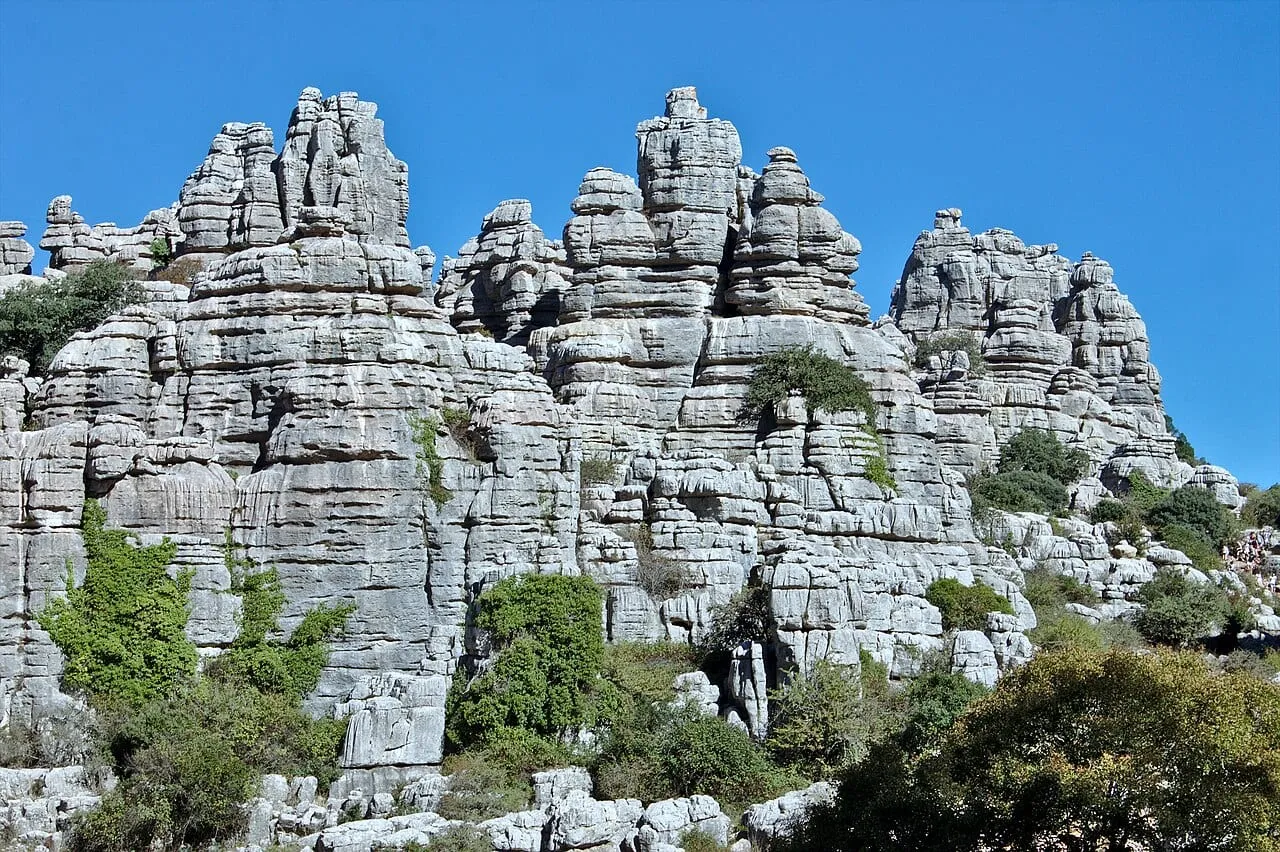
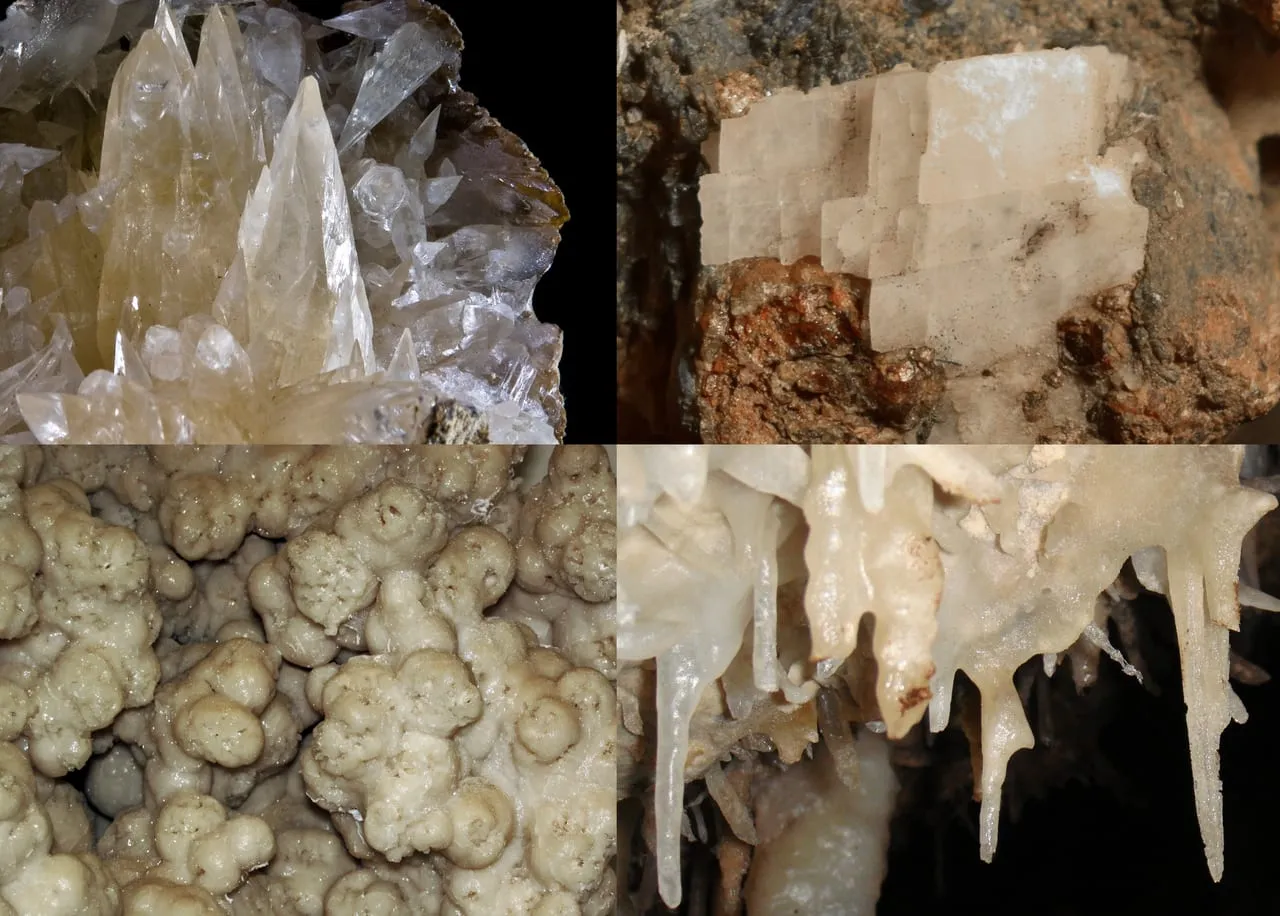
This is an everyday name; in science it means these stones:

How is it made?
Lime-making is a technique thousands of years old. Lumps of limestone or chalk are burned in kilns at over 900 °C. At this temperature calcium carbonate (CaCO₃) gives off carbon dioxide (CO₂) and becomes calcium oxide (CaO), or quicklime. Adding water to quicklime is called slaking: the reaction releases a lot of heat and produces slaked lime, calcium hydroxide (Ca(OH)₂). Lime slaked with excess water becomes a thick paste called lime putty. Used as mortar or whitewash, slaked lime absorbs carbon dioxide from the air, turns back into calcium carbonate and hardens.
What is it used for?
- Building: Lime mortar and lime plaster have been used in historic buildings for thousands of years, and lime is still found in mortars, plasters and some types of cement.
- Whitewash: Slaked lime thinned with water is brushed onto walls, giving a cheap, breathable white coating.
- Industry: It is used in steelmaking to remove impurities, and in the paper and chemical industries.
- Water treatment: It is used in drinking water and wastewater treatment to adjust acidity and settle out pollutants.
- Agriculture: It is used to correct acid soils.
Lime in Türkiye
In Anatolia lime is the traditional material of building and whitewash, and the brilliant white walls of village houses were often painted with lime wash. Horasan mortar, made by mixing lime with crushed brick and tile, was used in the Byzantine, Seljuk and Ottoman periods for cisterns, aqueducts and bathhouses because it resists water. Today, lime-based mortars rather than cement are preferred for repairing historic buildings, because they are more compatible with old stone and brick.
What determines its value?
Lime is an industrial raw material sold by the tonne. Its value depends on its calcium oxide content (purity), its reactivity (how quickly it slakes with water), its particle size and the purity of the limestone burned. Burning lime takes a great deal of energy, so fuel costs matter too, and the carbon dioxide released from the stone adds to lime’s climate footprint.
This information is educational, not buying, selling or investment advice. Value varies enormously with quality and treatment.
How to recognise it
- 1
Quicklime comes as white or greyish lumps or powder. In contact with water it heats up, gives off steam and falls apart into powder, so it must never be tested with bare hands or without eye protection.
- 2
Slaked lime is a fine white powder, or a paste mixed with water (lime putty).
- 3
Limestone is hard and fizzes when a drop of vinegar is added. Fresh lime does not fizz, because it is not a carbonate, although after long exposure to air its surface turns back into carbonate.
Fakes and imitations
What shops usually don’t tell you:
- The white crust that builds up in kettles and taps is popularly called “lime” (limescale), but it is calcium carbonate deposited from hard water. Chemically it is closer to limestone than to lime.
- Lime and plaster are often confused: both are white powders, but plaster is made from gypsum and is calcium sulfate.
Safety
Quicklime and slaked lime are strong alkalis: they burn the skin, can cause lasting eye damage, and their dust irritates the airways. Quicklime becomes very hot when it meets water, which can cause burns. When working with lime, wear gloves, safety goggles and a dust mask, and keep lime away from children. If lime gets into the eyes, rinse them at once with plenty of clean water for a long time and seek medical help without delay.
Myths and misconceptions
MythThe lime in a kettle is lime.
FactThe white deposit in a kettle is calcium carbonate left behind when hard water is heated; it is not lime but a chemical relative of limestone. That is why it fizzes and dissolves in acids such as vinegar or citric acid.
MythLime and limestone are the same thing.
FactLimestone is a natural rock (calcium carbonate). Lime is the calcium oxide made by burning that rock in a kiln, and the calcium hydroxide made from it; it does not occur ready-made in nature.
Did you know?
Lime mortar hardens by absorbing carbon dioxide from the air and slowly turning back into calcium carbonate: lime made from stone becomes stone again in the wall. This is known as the lime cycle.
The phrase “in the limelight” comes from the brilliant stage lighting of 19th-century theatres, made by heating a piece of quicklime to incandescence in an oxygen and hydrogen flame.
Horasan mortar, used by Byzantine, Seljuk and Ottoman builders, was made by mixing lime with crushed brick and tile; because it could set even under water, it was used in cisterns, aqueducts and bathhouses.
Frequently asked questions
What is lime?
Lime is made by burning limestone or chalk in kilns at over 900 °C. In the heat, the calcium carbonate in the stone gives off carbon dioxide and turns into calcium oxide, or quicklime. Adding water to quicklime releases a great deal of heat and produces slaked lime (calcium hydroxide). Slaked lime has been used for thousands of years in mortar, plaster and whitewash; on the wall it slowly absorbs carbon dioxide from the air and turns back into calcium carbonate, in a sense becoming stone again. Both forms of lime are strong alkalis: they can burn skin and cause lasting eye damage.
What is lime used for?
Building: Lime mortar and lime plaster have been used in historic buildings for thousands of years, and lime is still found in mortars, plasters and some types of cement. Whitewash: Slaked lime thinned with water is brushed onto walls, giving a cheap, breathable white coating. Industry: It is used in steelmaking to remove impurities, and in the paper and chemical industries. Water treatment: It is used in drinking water and wastewater treatment to adjust acidity and settle out pollutants. Agriculture: It is used to correct acid soils.
How can you tell if lime is real?
Quicklime comes as white or greyish lumps or powder. In contact with water it heats up, gives off steam and falls apart into powder, so it must never be tested with bare hands or without eye protection. Slaked lime is a fine white powder, or a paste mixed with water (lime putty). Limestone is hard and fizzes when a drop of vinegar is added. Fresh lime does not fizz, because it is not a carbonate, although after long exposure to air its surface turns back into carbonate. The white crust that builds up in kettles and taps is popularly called “lime” (limescale), but it is calcium carbonate deposited from hard water. Chemically it is closer to limestone than to lime.
Is lime valuable?
On the “street to diamond” value ladder it sits on step 2 of nine: Raw material by the tonne. Lime is an industrial raw material sold by the tonne. Its value depends on its calcium oxide content (purity), its reactivity (how quickly it slakes with water), its particle size and the purity of the limestone burned. Burning lime takes a great deal of energy, so fuel costs matter too, and the carbon dioxide released from the stone adds to lime’s climate footprint.
Is lime dangerous?
Quicklime and slaked lime are strong alkalis: they burn the skin, can cause lasting eye damage, and their dust irritates the airways. Quicklime becomes very hot when it meets water, which can cause burns. When working with lime, wear gloves, safety goggles and a dust mask, and keep lime away from children. If lime gets into the eyes, rinse them at once with plenty of clean water for a long time and seek medical help without delay.
Sources
- Lime (material) · Wikipedia
- NIOSH Pocket Guide to Chemical Hazards: Calcium oxide · Centers for Disease Control and Prevention (CDC/NIOSH)
- Horasan harcı · Vikipedi
- Limescale · Wikipedia
- Whitewash · Wikipedia
- Lime mortar · Wikipedia
- Limelight · Wikipedia
External links
Draft: awaiting expert reviewReport an error ↗
On the same step
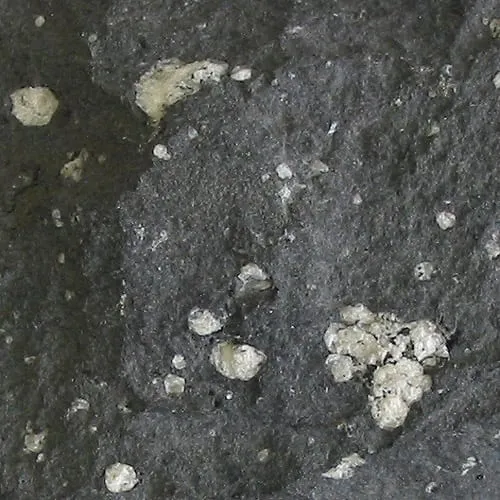
Andesite
The rock of volcanic arcs, named after the Andes — and the pink-grey stone of Ankara Castle.
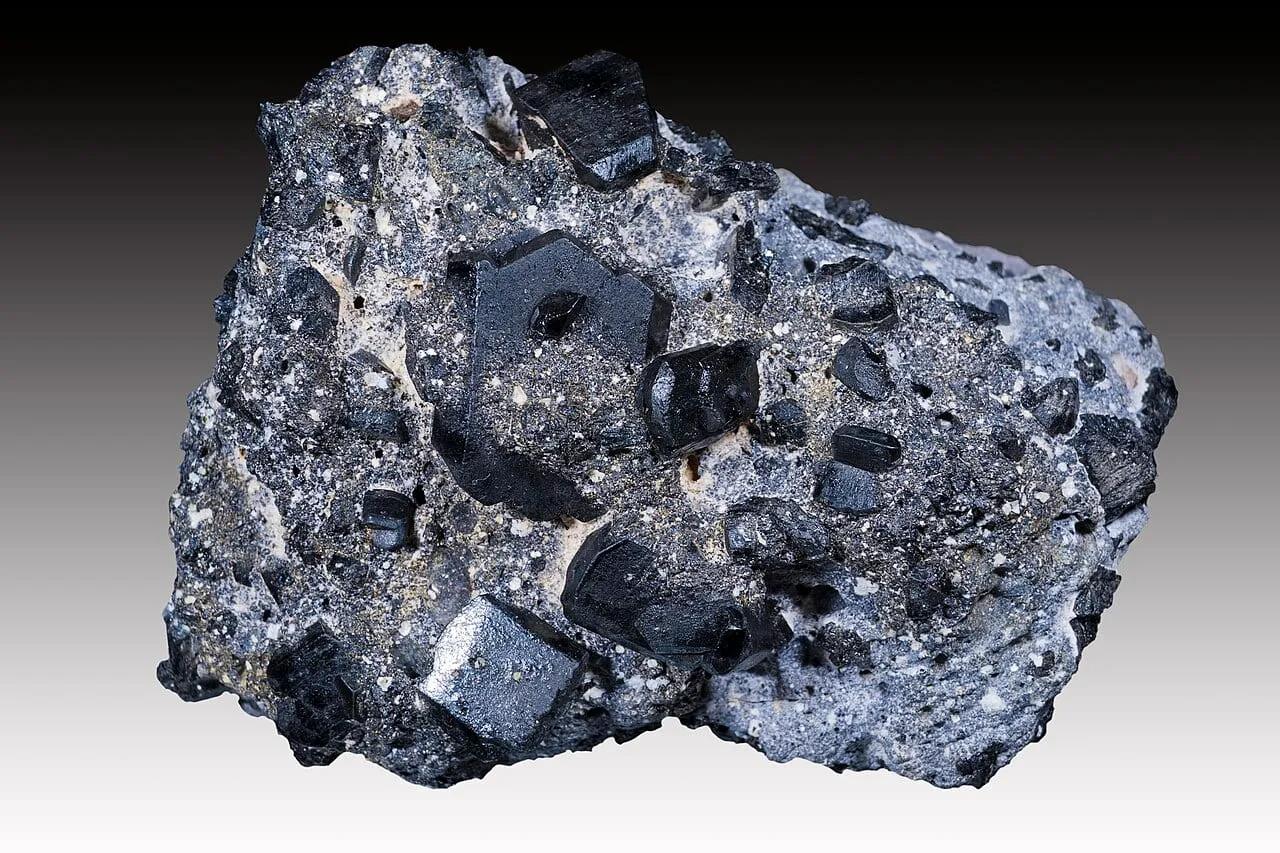
Augite (pyroxene)
The most common pyroxene, which darkens basalt and gabbro: inconspicuous, yet one of the key building blocks of Earth’s crust.
Basalt
The rock of the ocean floors and the Moon’s dark plains — the most common volcanic rock on Earth.