VarietyA variety of Quartz
Tiger's eye
SiO₂Kaplan gözü
A golden-brown stone with a silky band of light gliding across it, born from quartz and fine asbestos fibres growing together.
Also known as: Tiger eye · Hawk's eye (blue-grey form)
- Ornamental
In short
Tiger's eye is a golden-yellow to brown variety of quartz that contains very fine, parallel fibres. When it is cut into a dome shape (cabochon) and polished, a bright band of light glides across its surface as the stone moves; this is called the cat's-eye effect (chatoyancy). The best examples come from South Africa.
How does it form?
Tiger’s eye is found in very old banded iron formations in the Asbestos Mountains of South Africa’s Northern Cape. For a long time it was thought that quartz had replaced pre-existing blue asbestos (crocidolite) fibres while keeping their shape. A study published in 2003 painted a different picture: quartz and crocidolite are deposited at the same time from hot, mineral-rich water seeping into a thin crack in the rock. As the crack opens and seals again and again, this paired growth repeats, building up the stone’s fibrous texture.
Colour and shimmer
When part of the iron in the crocidolite fibres oxidises, the stone turns golden yellow and brown. Where the fibres stay unoxidised, the result is bluish-grey hawk’s eye. The silky shimmer and gliding band of light come from the parallel fibres reflecting light. To show the effect best, the stone is cut as a dome with the fibres lying parallel to its base.
What is it used for?
Tiger’s eye is a popular ornamental stone for beads, cabochons, ring stones and small carvings. Rock that combines bands of tiger’s eye, red jasper and shiny black hematite is called “tiger iron”; it comes from South Africa and Western Australia.
How to recognise it
- 1
Turn it under a light and a bright band glides across the surface with a silky shimmer.
- 2
It is almost as hard as quartz: a steel knife struggles to scratch it.
- 3
The same stone may have bluish-grey (hawk's eye) or dark brown bands next to golden areas.
- 4
Neon-bright, evenly coloured stones with an unusually sharp band of light may be fibre-optic glass.
Fakes and imitations
What shops usually don’t tell you:
- Fibre-optic glass: shows a similar band of light and is made in many colours; seen from the side, its fibres form a very regular, honeycomb-like pattern.
- Heated tiger's eye: golden stones turn reddish brown when gently heated. Most stones sold as “red tiger's eye” are produced this way.
- Bleached and dyed tiger's eye: dark stones can be lightened with acid; green, pink or purple colours are usually dyed and should be disclosed.
Safety
Tiger's eye contains fibres of crocidolite, an asbestos mineral. Because the fibres are locked inside hard quartz, wearing and handling polished stones is harmless. Dust produced when cutting, grinding or sanding rough material, however, should not be inhaled: work wet and wear a suitable dust mask.
Did you know?
From 1873 onwards, textbooks said tiger's eye formed when quartz gradually replaced asbestos fibres. A study published in 2003 showed this was wrong: the quartz and the fibres grew at the same time.
The blue-grey form is called hawk's eye; in these stones the fibres were not oxidised, so they keep the original bluish colour of crocidolite.
Where is it found?
Loading map…
- Asbestos Mountains (between Prieska and Griquatown), Northern Cape, South Africa · Major depositBanded iron formations of Griqualand West; source of the finest tiger's eye
- Kuruman area, Northern Cape, South Africa · Major depositNorthern end of the Asbestos Mountains
- Pilbara, Western Australia · Known locality“Tiger iron”, made of bands of tiger's eye, red jasper and hematite
Locations are approximate to protect sites. Red dots mark places in Türkiye. Open in the big map →
Family
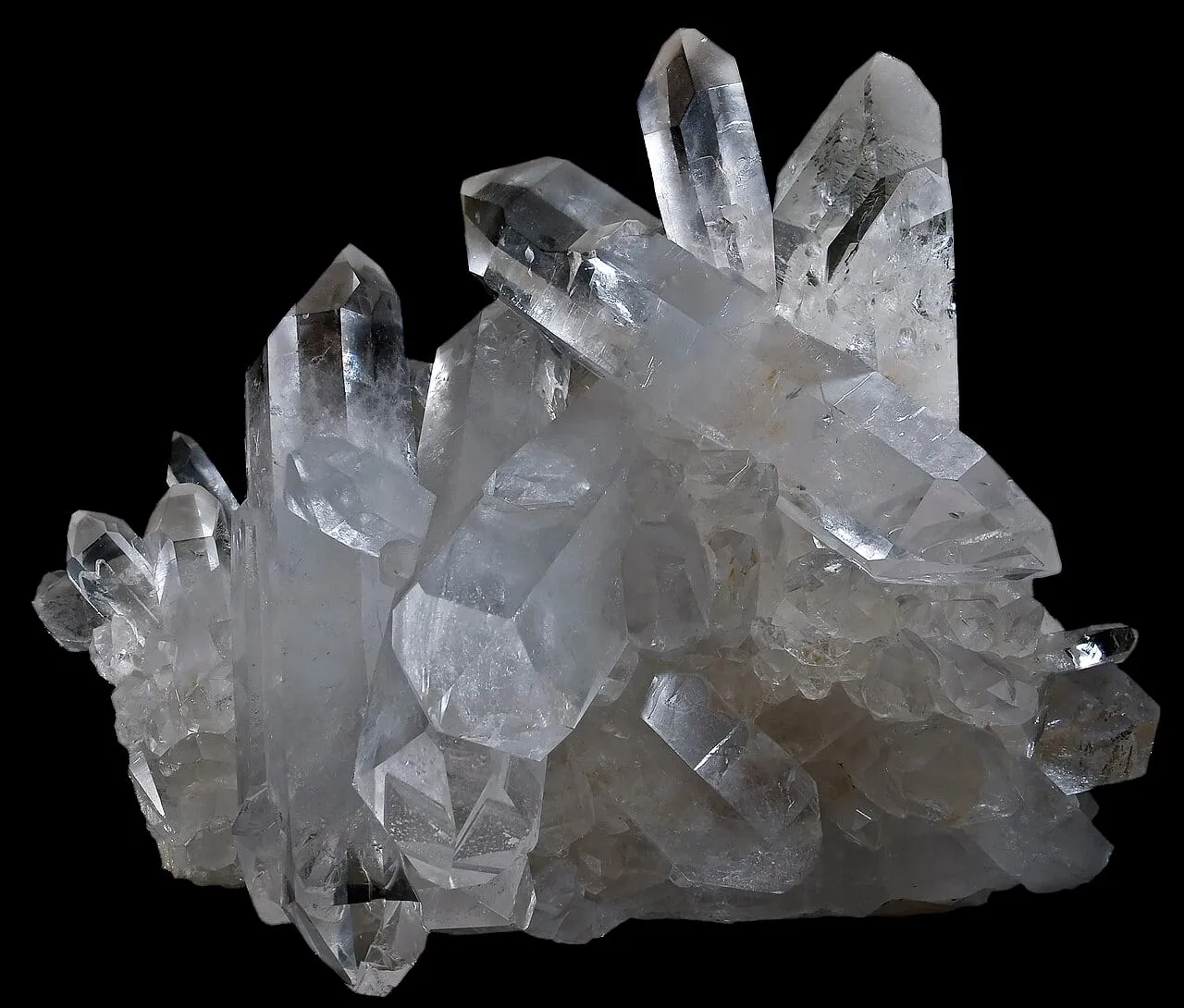

Sources
- New interpretation of the origin of tiger's-eye (Heaney & Fisher), Geology 31(4) · Geological Society of America, 2003
- Tigereye · Encyclopaedia Britannica
- Structure of tiger's eye reevaluated after 125 years · Penn State University, 2003
External links
Draft: awaiting expert reviewReport an error ↗
On the same step
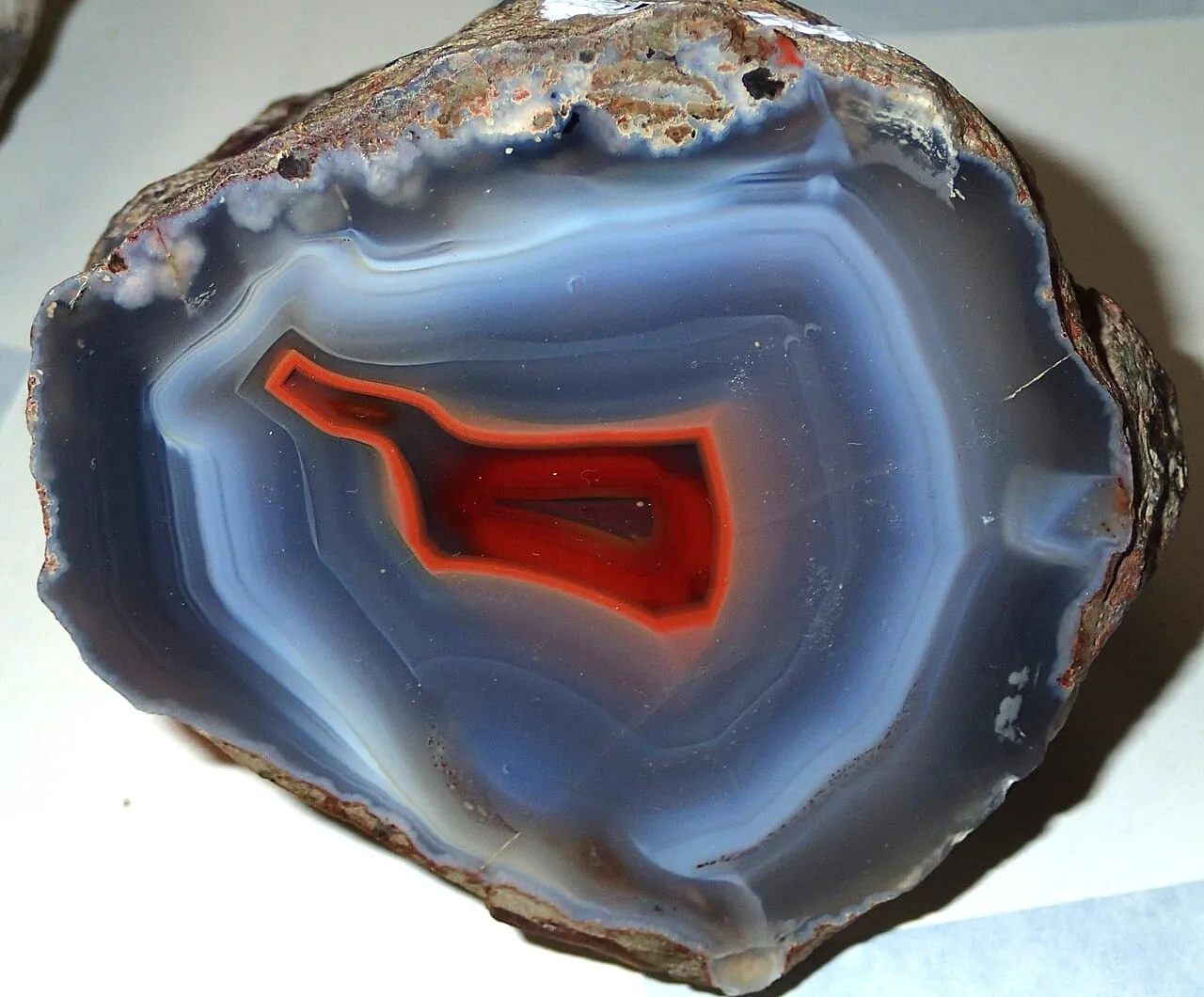
Agate
The banded variety of chalcedony: it grows layer by layer in hollows in volcanic rock and shows a new pattern every time it is cut.
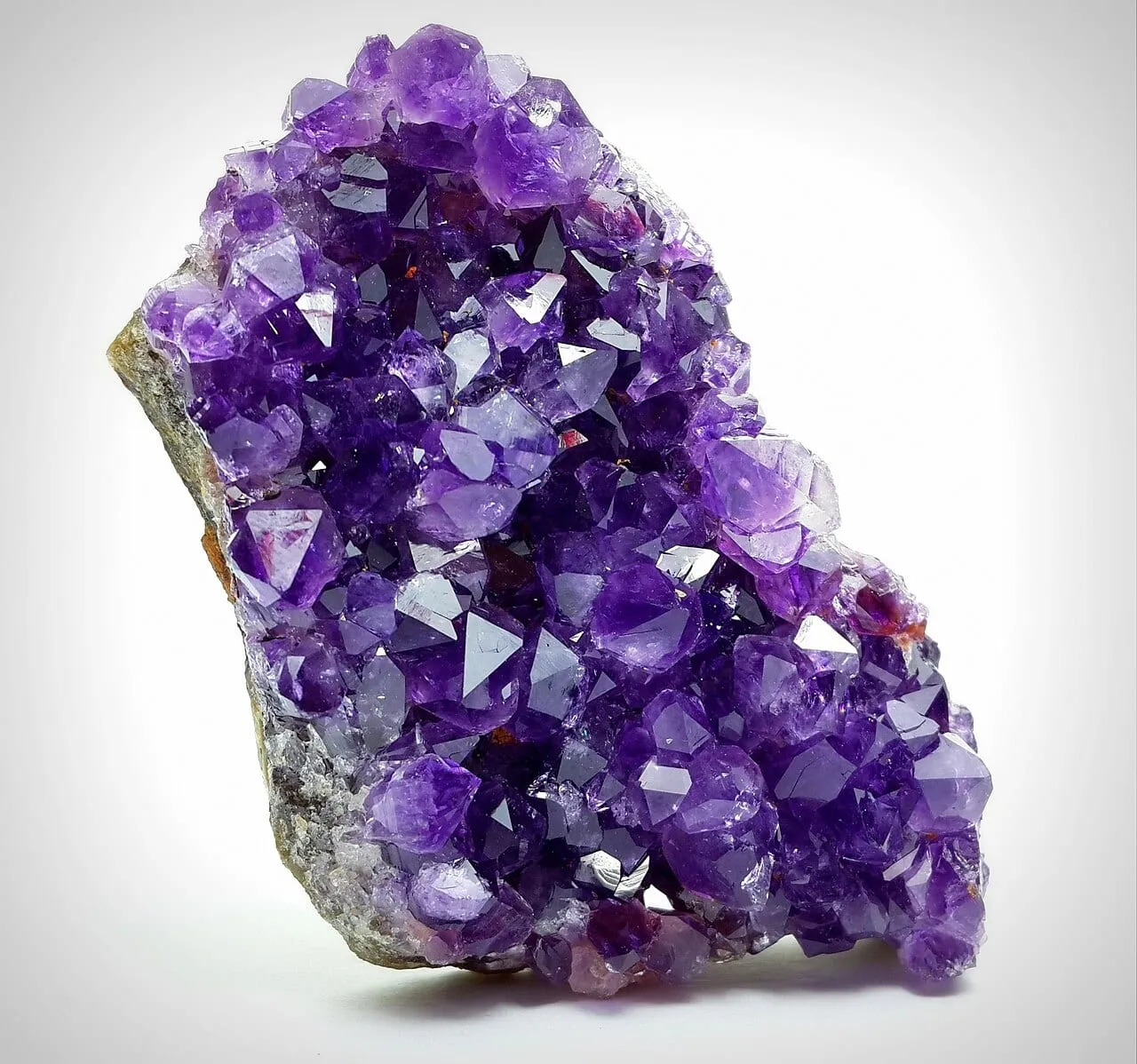
Amethyst
The purple variety of quartz, coloured by traces of iron working together with natural radiation.
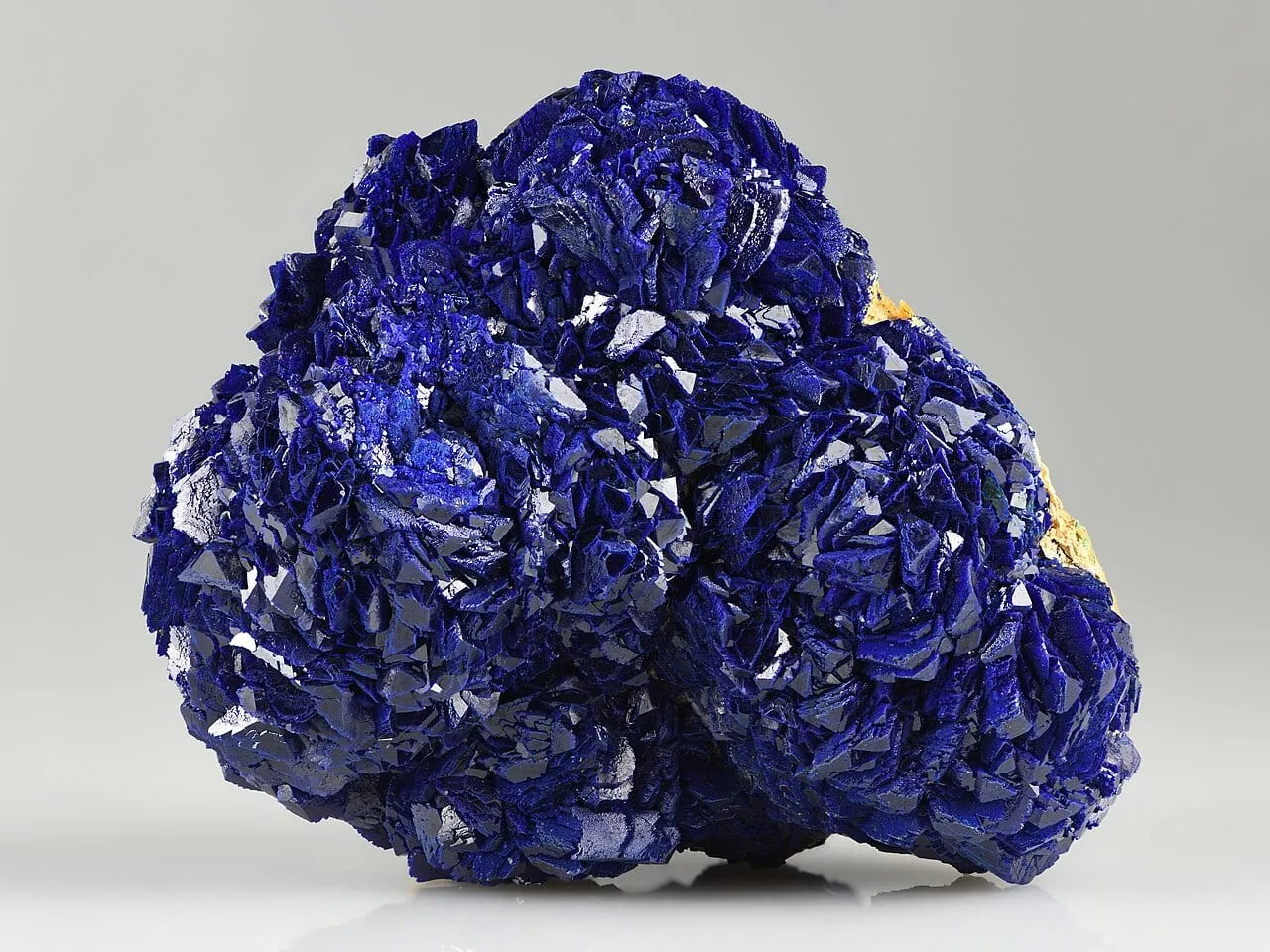
Azurite
A deep blue copper mineral that was the most important blue pigment of medieval and Renaissance painters.