Rock
Rhyolite
Riyolit
Granite’s volcanic twin: a silica-rich rock born from sticky lava, often pink and banded.

In short
Rhyolite is a pale rock that forms when magma with the same make-up as granite erupts from a volcano and cools quickly at the surface. Because it cools fast its crystals are tiny; sometimes no crystals form at all and natural glass such as obsidian is produced. Rhyolite volcanoes have produced some of the largest and most violent eruptions known.
How does it form?
Rhyolite forms when very silica-rich magma erupts and cools quickly. The more silica magma contains, the more viscous it becomes: rhyolite lava moves not like a runny liquid but like a thick, slowly creeping paste, usually building lava domes or short, thick flows. If the magma is rich in gas, the eruption becomes extremely explosive, producing pumice, volcanic ash and ignimbrite. Giant calderas such as Yellowstone were formed by eruptions of this kind.
If the lava cools very quickly, crystals cannot form and volcanic glasses such as obsidian and perlite are produced instead. Rhyolite’s slowly cooled plutonic equivalent is granite; the two have almost the same chemical composition.
Rhyolite in Türkiye
In Cappadocia, near Niğde, Göllüdağ is a volcanic complex of mainly rhyolitic to rhyodacitic lava domes, known for its extensive obsidian deposits; its obsidian was used for making tools in prehistoric times. In eastern Anatolia, the activity of Mount Nemrut in Bitlis has ranged in composition from basalt to rhyolite.
Rhyolite is not used as a building stone as much as granite, but it is quarried for crushed stone and, in some regions, as walling stone.
How to recognise it
- 1
It is pale: pink, light grey, white or reddish brown, often with thin, wavy colour bands.
- 2
Glassy quartz and white or pink feldspar crystals may be visible in the fine-grained groundmass.
- 3
It is hard and brittle; a steel knife cannot scratch it, and broken edges can be sharp.
- 4
The difference from granite is grain size: granite’s crystals are large, rhyolite’s are tiny.
Fakes and imitations
What shops usually don’t tell you:
- The green, speckled stone sold in jewellery as “rainforest jasper” is not jasper at all but a rhyolite.
- Rhyolite, obsidian and pumice are different cooling forms of the same kind of magma, but some brightly coloured pieces sold as “volcanic glass” are man-made glass.
- The boundaries between rhyolite, dacite and trachyte are defined by chemical analysis, so names given by eye may be wrong.
Did you know?
About 30 rhyolite lava flows erupted since Yellowstone’s last great eruption have nearly filled its caldera; some cover as much as 340 km².
Rhyolite lava is so sticky that Yellowstone’s flows advanced at most a few hundred feet a day, oozing on for months or even years.
Where is it found?
Loading map…
- Yellowstone National Park, Wyoming, USA · Major depositAbout 30 rhyolite lava flows erupted since the last caldera-forming eruption have nearly filled the Yellowstone Caldera.
- Landmannalaugar, Iceland · Known localityKnown for its multicoloured rhyolite mountains.
- Göllüdağ, Niğde, Türkiye · Known localityA volcanic complex of mainly rhyolitic to rhyodacitic lava domes, known for its extensive obsidian deposits.
Locations are approximate to protect sites. Red dots mark places in Türkiye. Open in the big map →
Sources
- Rhyolite · Encyclopaedia Britannica
- Lava flows and associated hazards at Yellowstone · U.S. Geological Survey, Yellowstone Volcano Observatory
- Göllüdağ · MTA, Türkiye Volkanları (TurkVolc)
External links
Draft: awaiting expert reviewReport an error ↗
On the same step
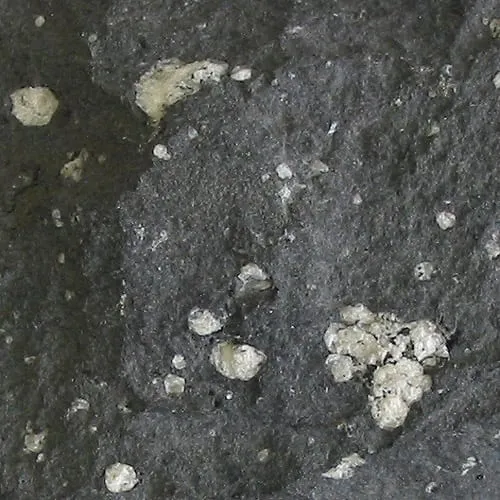
Andesite
The rock of volcanic arcs, named after the Andes — and the pink-grey stone of Ankara Castle.
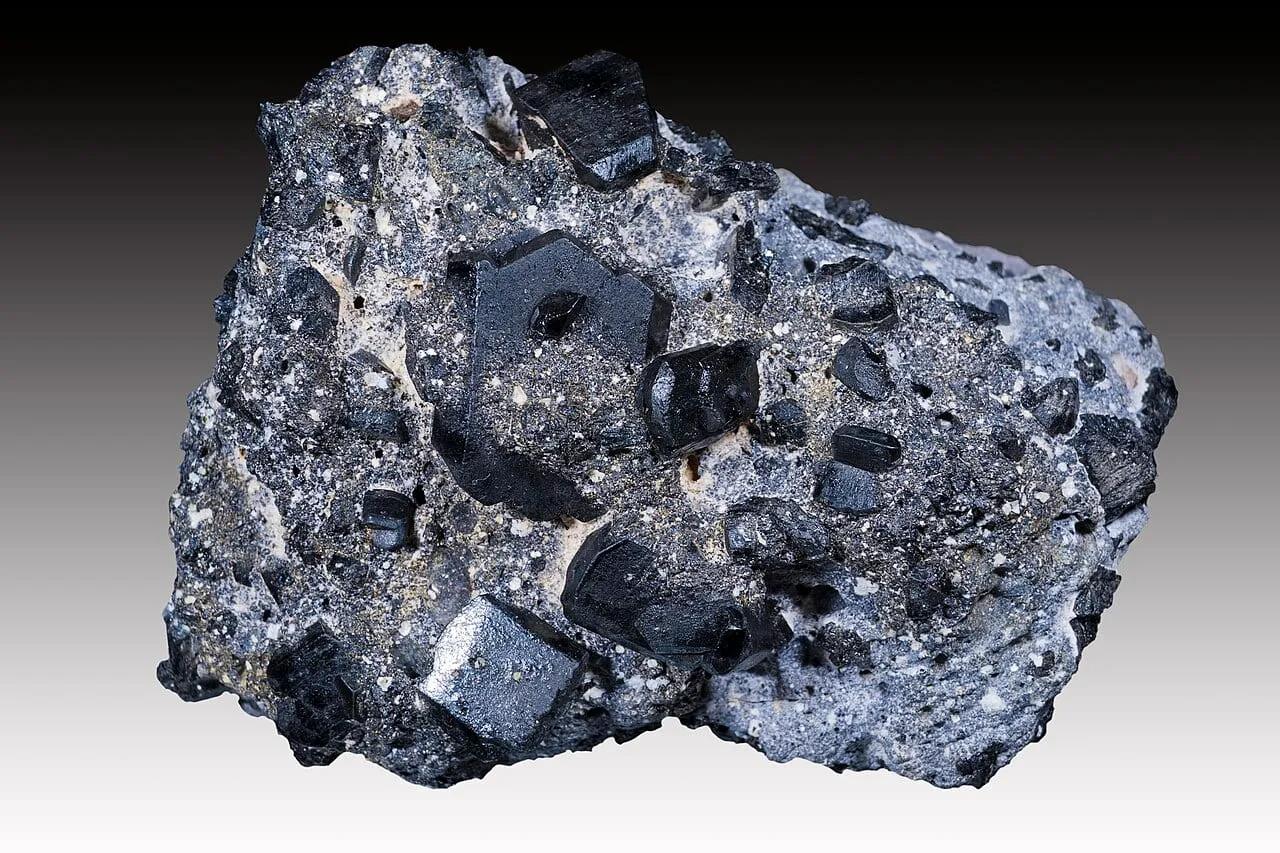
Augite (pyroxene)
The most common pyroxene, which darkens basalt and gabbro: inconspicuous, yet one of the key building blocks of Earth’s crust.
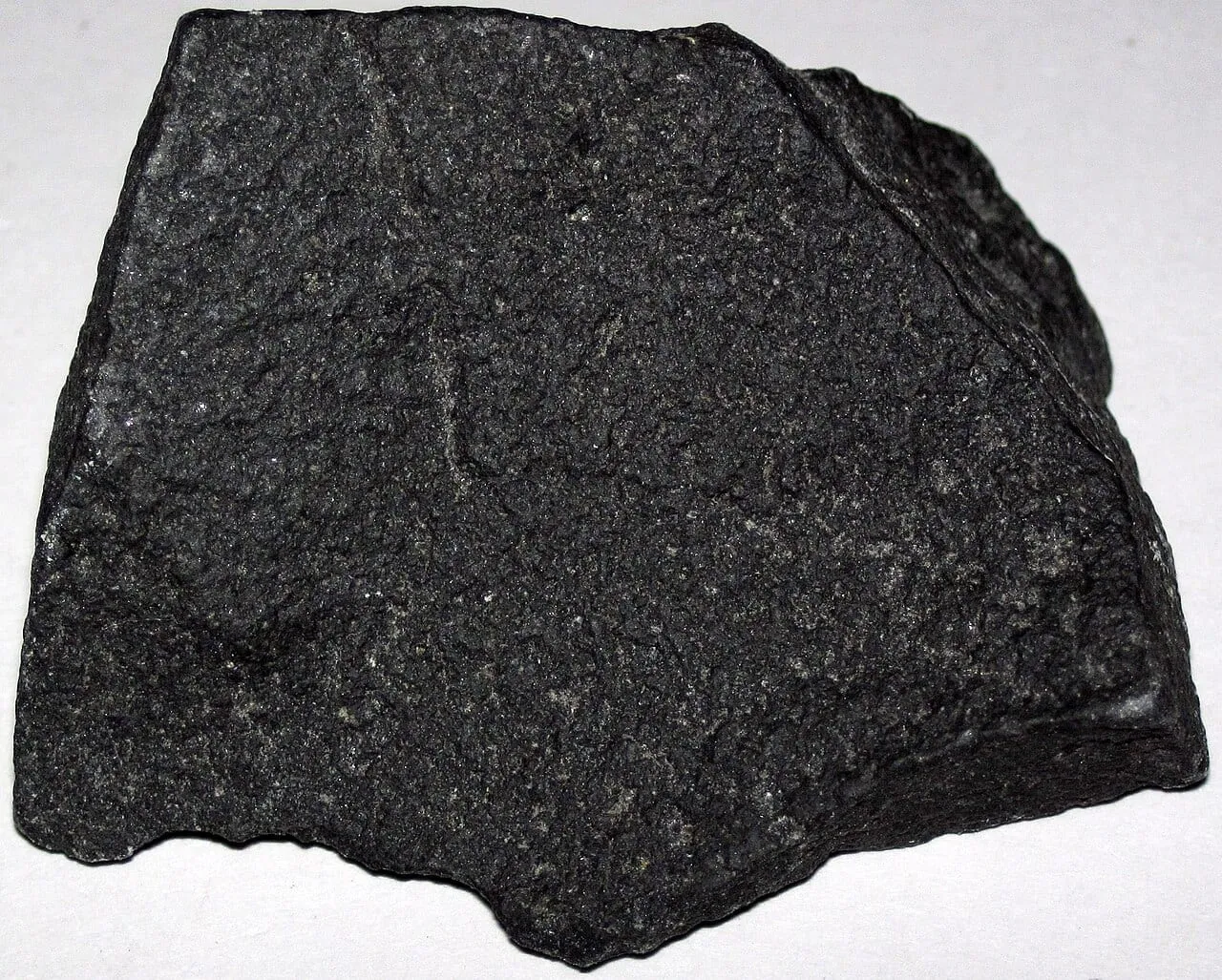
Basalt
The rock of the ocean floors and the Moon’s dark plains — the most common volcanic rock on Earth.