Mineral
Epidote
Ca₂(Al₂Fe³⁺)(Si₂O₇)(SiO₄)O(OH)Epidot
Known for its pistachio green, a common, lustrous, prismatic mineral of rocks altered by heat, pressure and hot water.
- Ornamental
.jpg)
In short
Epidote is a green mineral made of calcium, aluminium, iron, silicon, oxygen and hydrogen. It is usually pistachio green or dark green. It forms when rocks are changed by heat, pressure and hot water, and collectors love its glossy crystals.
How does it form?
Epidote forms mainly during low- to medium-grade metamorphism. When dark igneous rocks such as basalt are transformed by heat and pressure, greenish schists result, and epidote is one of the minerals that gives them their colour. Epidote can also form when hot water alters the plagioclase feldspar in rocks (hydrothermal alteration). Finding epidote in a rock therefore gives geologists a clue to how that rock was changed in the past. Epidote’s colour, density and optical properties vary with its iron content: the more iron, the darker the colour.
What is it used for?
Epidote has no important industrial use; its value comes mainly from collector specimens. The dark green, lustrous crystals from the Knappenwand in Austria are among the most famous epidote specimens in the world. Clear crystals are occasionally cut, but their dark colour and strong pleochroism mean they are rarely used in jewellery.
Unakite, a rock containing epidote, is widely used for beads, pendants and small ornaments thanks to its speckled pink-and-green look.
How to recognise it
- 1
Its colour is typically pistachio green or yellowish green; dark crystals can look almost black.
- 2
Crystals are deeply striated along their length and show one perfect cleavage.
- 3
It is strongly pleochroic: as you turn a crystal, its colour shifts between green, yellow and brownish tones.
- 4
It scratches glass (hardness 6–7). It is also common as yellowish green fillings in rock fractures and veins.
Fakes and imitations
What shops usually don’t tell you:
- Unakite is not a mineral but a rock made of pink feldspar, green epidote and quartz. It is a popular ornamental stone, but selling it as “epidote” is incorrect.
- Dark green epidote can be confused with actinolite, green tourmaline and olivine. Crystal shape, cleavage and pleochroism help tell them apart; cut stones need a laboratory for certain identification.
Did you know?
Its name comes from the Greek epidosis, “increase”, referring to one side of the crystal’s cross-section being longer than the opposite side.
Epidote gives its name to the epidote group; allanite and clinozoisite belong to the same group.
Where is it found?
Loading map…
- Knappenwand, Untersulzbach Valley, Salzburg, Austria · Major depositWorld-famous for exceptional epidote crystals
- Prince of Wales Island, Alaska, USA · Known localityLarge, lustrous crystals from around Sulzer
- Tormiq Valley, Gilgit-Baltistan, Pakistan · Known locality
- Le Bourg-d'Oisans, Isère, France · Historic source
Locations are approximate to protect sites. Red dots mark places in Türkiye. Open in the big map →
Sources
- Handbook of Mineralogy: Epidote · Mineralogical Society of America
- Epidote · Encyclopaedia Britannica
External links
Draft: awaiting expert reviewReport an error ↗
On the same step
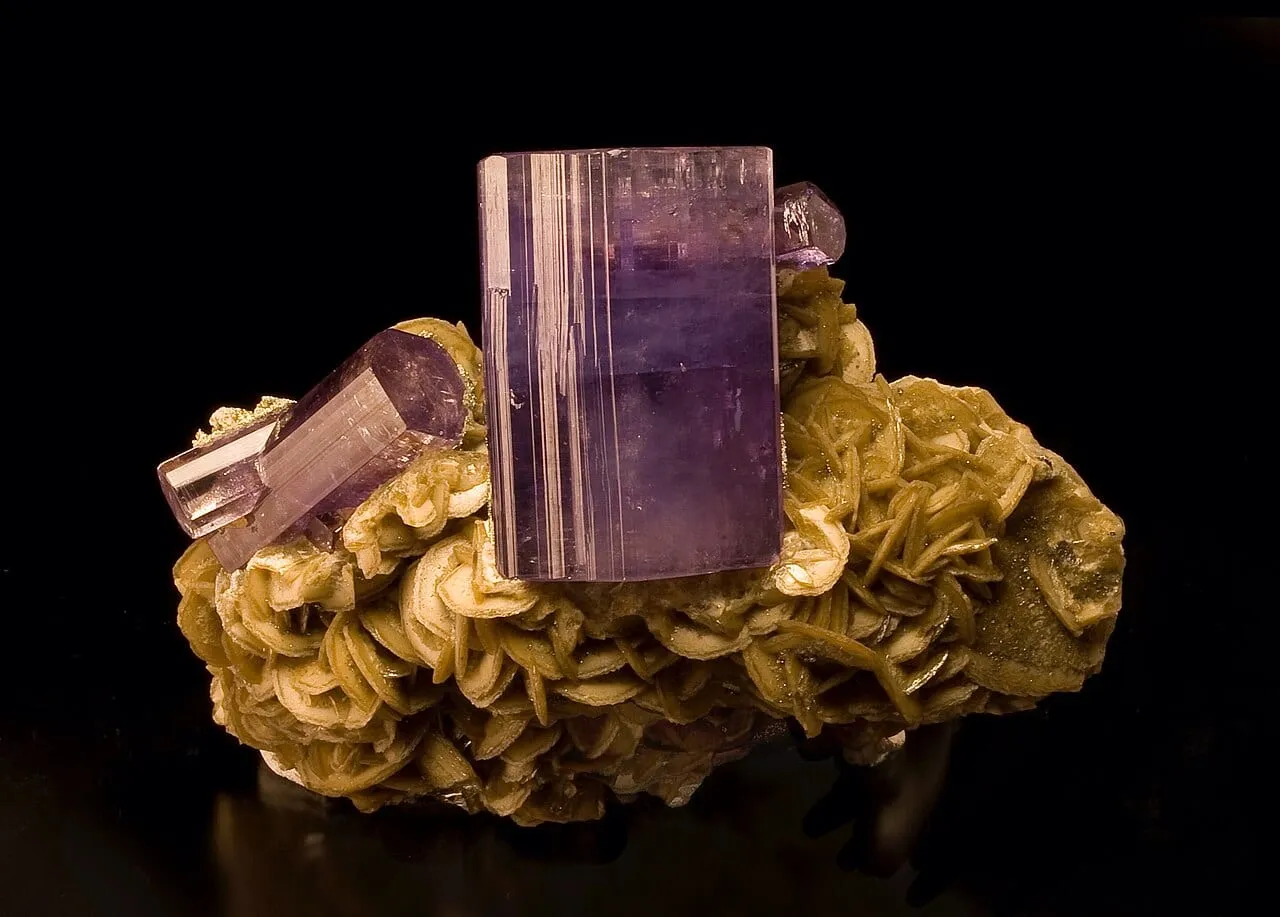
Apatite
A mineral cousin of our teeth and bones, the source of the phosphorus in fertilisers, and number 5 on the Mohs scale.
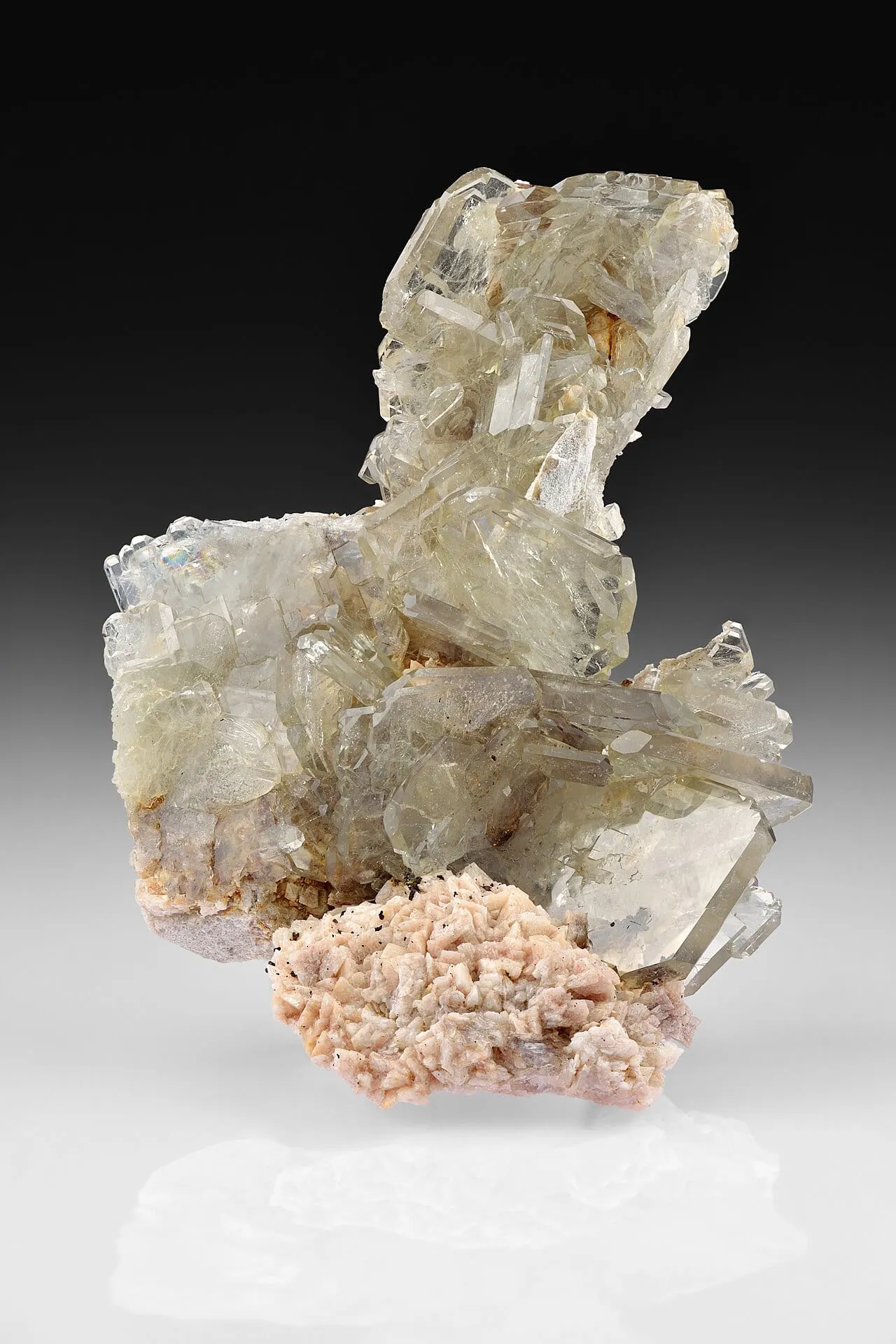
Baryte
A pale barium mineral that feels surprisingly heavy in the hand; even its name comes from the Greek word for heavy.
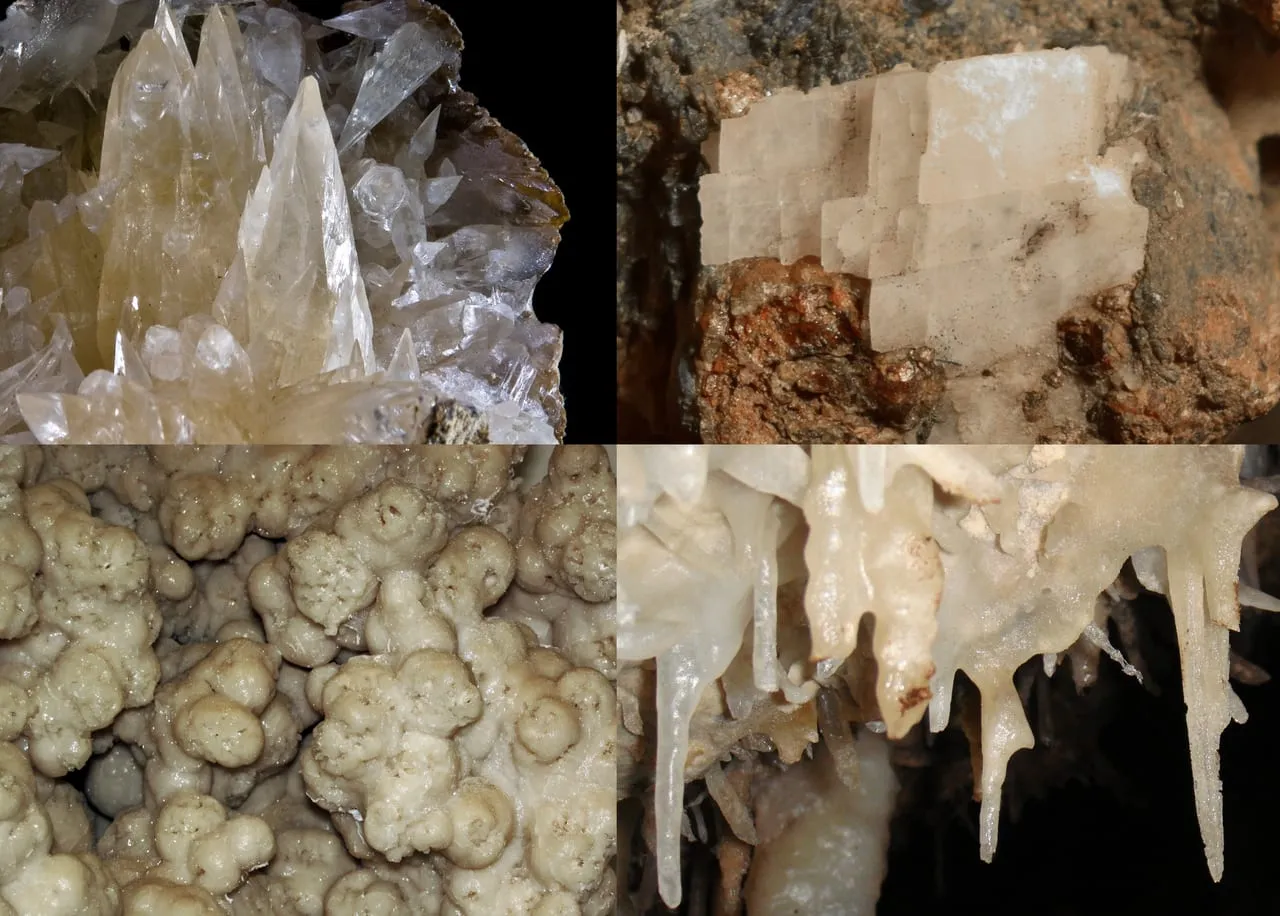
Calcite
The main mineral of limestone, marble and cave stalactites: it fizzes in acid, and its clear crystals show everything double.