VarietyA variety of Beryl
Aquamarine
Be₃Al₂Si₆O₁₈Akuamarin
The blue member of the beryl family, named after seawater: often found as large, clear, nearly flawless crystals.
- Gemstone
In short
Aquamarine is the variety of the mineral beryl that ranges from blue to greenish blue. It gets its colour from iron in its crystal structure. It is the same mineral as emerald, but usually has far fewer inclusions, so it can be cut into large, clear stones.
How does it form?
Aquamarine forms mostly in granite pegmatites: very coarse-grained veins and pockets where rare elements such as beryllium collect in the last stage of a cooling magma. There is plenty of space and time for crystals to grow there, so aquamarine crystals can be very large and clean. The Brazilian state of Minas Gerais is one of the most important sources; Nigeria, Madagascar, Mozambique and Pakistan also produce aquamarine.
Where does the colour come from?
Aquamarine’s colour comes from iron in the crystal structure. Different forms of iron give different colours: one strengthens the blue, the other the yellow, and together they make the stone look greenish. Heating removes the yellow component and leaves a purer blue, which is why most aquamarines on the market have been heated.
What makes it valuable?
A deep, saturated blue is the most sought after; pale stones are far more common. Because aquamarine is usually clean, eye-visible inclusions noticeably lower its value. The quality of the cut matters too: a well-cut stone makes even a light colour look livelier.
How to recognise it
- 1
Its colour is usually a light, pastel blue or greenish blue; deep, saturated blue stones are rare.
- 2
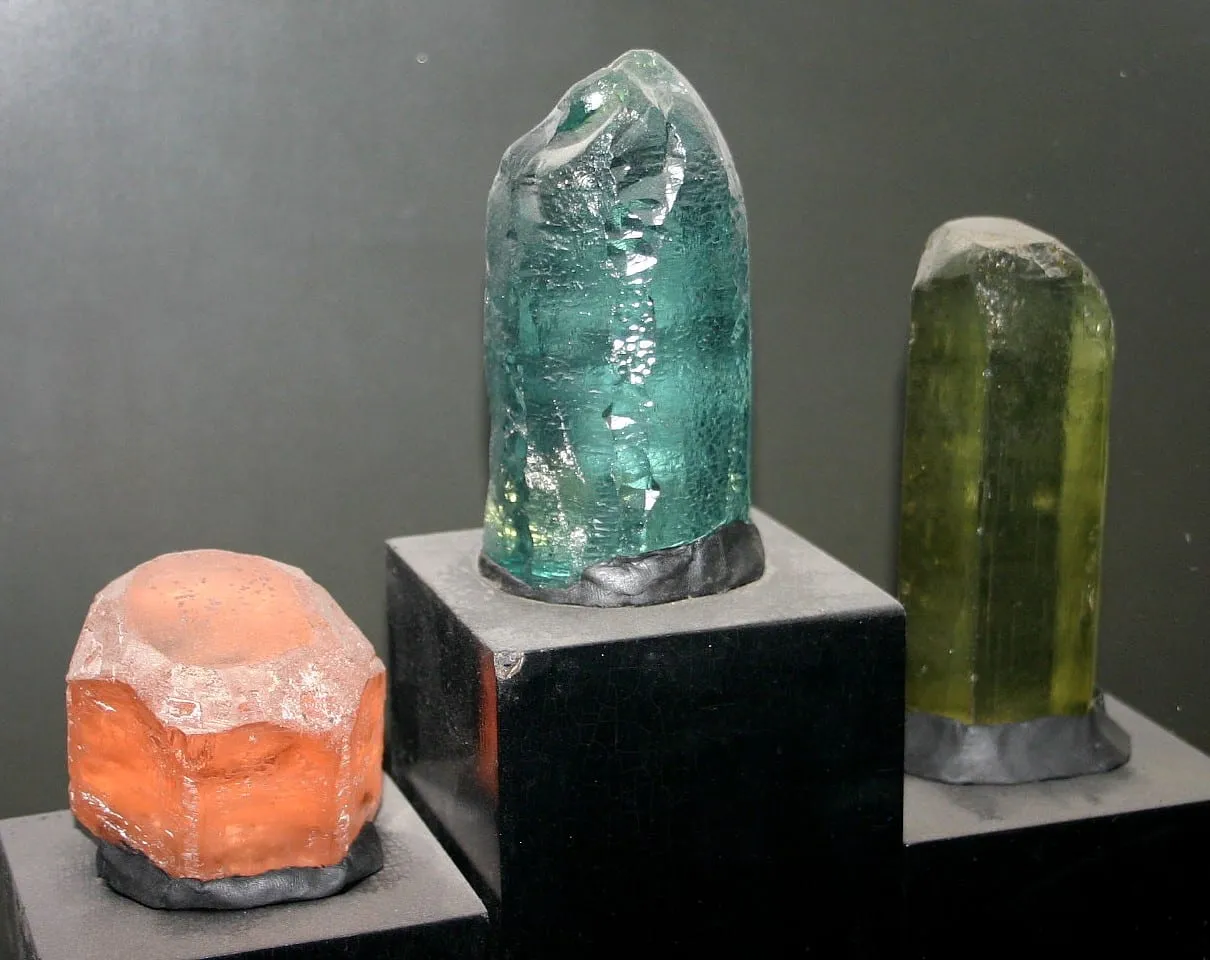
Its crystals form long, six-sided prisms that are often clear and clean.
- 3
Its hardness is 7.5–8, so it scratches glass and quartz.
- 4
As you turn the stone, the blue can shift slightly: bluer in one direction, almost colourless in another (pleochroism). Telling it reliably from blue topaz and glass needs a gem laboratory.
Fakes and imitations
What shops usually don’t tell you:
- Heat treatment: greenish or yellowish aquamarines are heated at relatively low temperatures to turn them a purer blue. The treatment is very common, permanent and usually undetectable; sellers are still expected to disclose it.
- Blue topaz: topaz, usually irradiated and heated to make it blue, looks very much like aquamarine. It is noticeably heavier (specific gravity about 3.5 against about 2.7 for aquamarine) and easily told apart in a laboratory.
- Blue glass and synthetic blue spinel are also used to imitate aquamarine; glass may show round air bubbles.
- “Santa Maria” originally meant the deep blue stones of the Santa Maria de Itabira mine in Brazil; today it is often used as a colour term for deep blue aquamarine from any source and should not be read as a statement of origin.
Did you know?
The world's largest cut aquamarine, the “Dom Pedro”, is an obelisk of 10,363 carats, about 36 cm tall; it has been on display at the Smithsonian's National Museum of Natural History in Washington since 2012.
The name comes from the Latin “aqua marina”, meaning “seawater”.
Where is it found?
Loading map…
- Pedra Azul, Minas Gerais, Brazil · Major depositThe pegmatites of Minas Gerais are a leading aquamarine source; the world’s largest cut aquamarine, the “Dom Pedro”, came from this area
- Santa Maria de Itabira, Minas Gerais, Brazil · Historic sourceOrigin of the trade name “Santa Maria” for deep blue stones
- Mount Antero, Colorado, USA · Known localityAquamarine crystals in high-mountain pegmatites; aquamarine became Colorado’s state gemstone in 1971
- Shigar Valley, Gilgit-Baltistan, Pakistan · Known localityLarge, well-formed crystals from Karakoram pegmatites
Locations are approximate to protect sites. Red dots mark places in Türkiye. Open in the big map →
Family

Sources
- Aquamarine Description (Gem Encyclopedia) · GIA
- Dom Pedro Aquamarine to Go on View at the Smithsonian’s Natural History Museum · Smithsonian Insider, 2012
- Colorado State Gemstone: Aquamarine · State Symbols USA
- Handbook of Mineralogy: Beryl · Mineralogical Society of America
External links
Draft: awaiting expert reviewReport an error ↗
On the same step
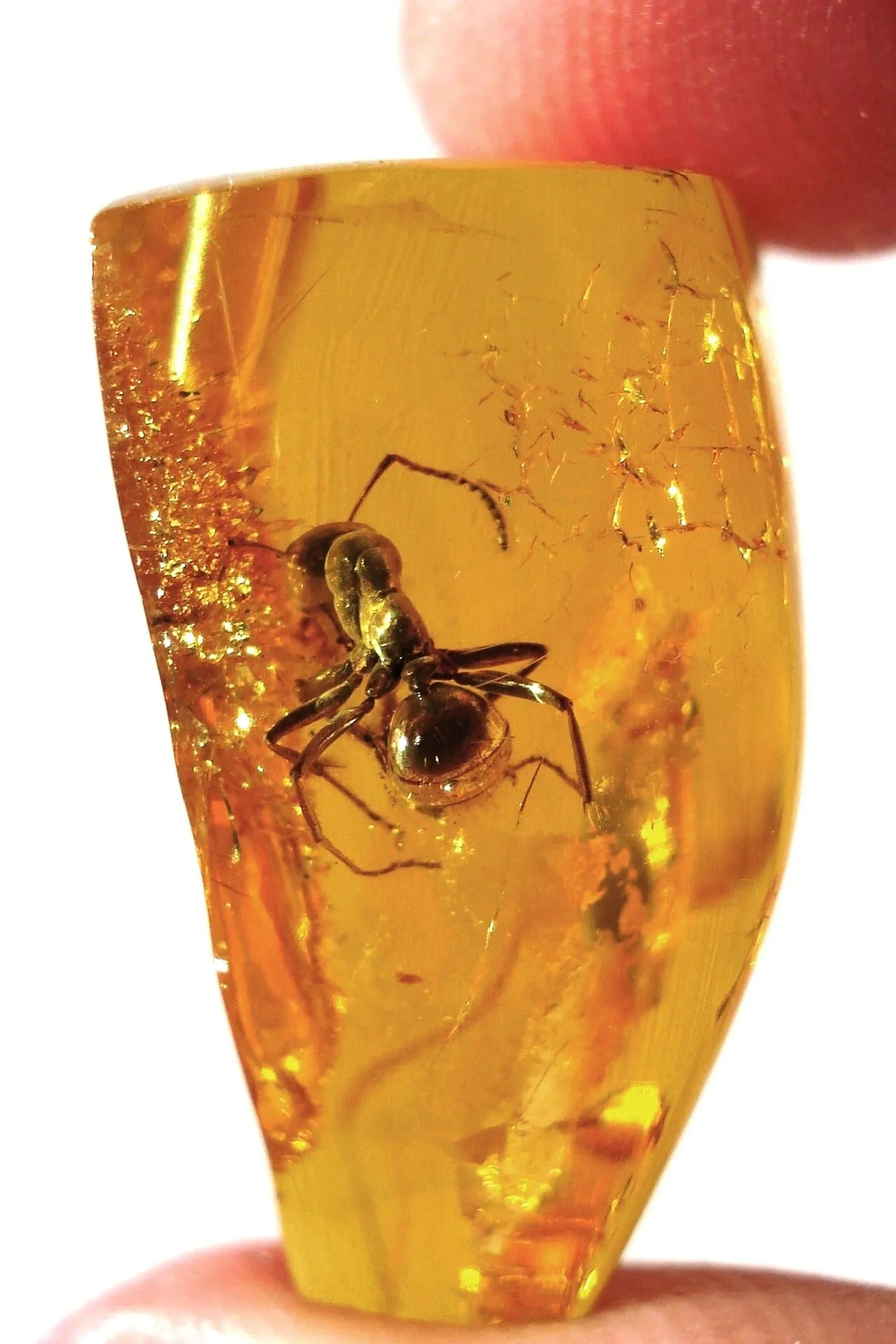
Amber
Tree resin fossilised over millions of years: a light, warm organic gem that sometimes holds prehistoric insects.
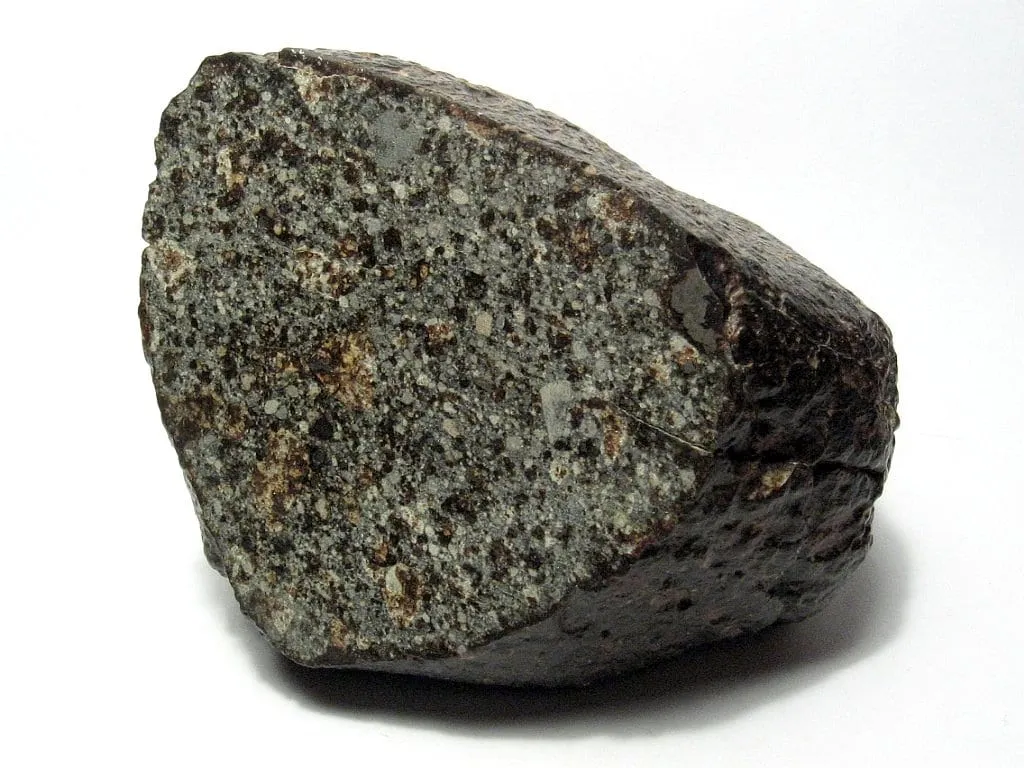
Chondrite
A leftover from the birth of the Solar System, full of tiny once-molten droplets, and the commonest kind of meteorite to fall to Earth.
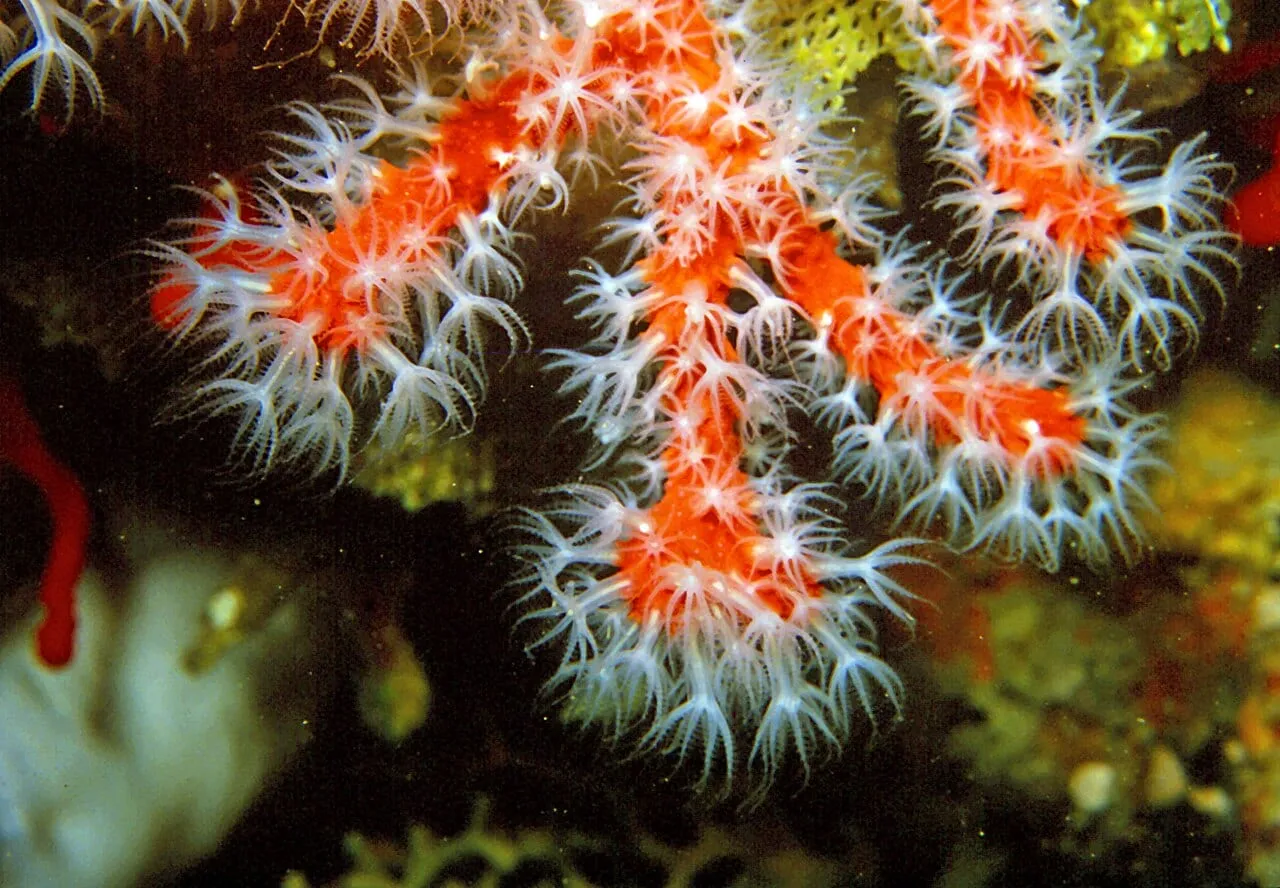
Coral
The red limestone skeleton of tiny deep-sea animals: an organic gem that grows so slowly it needs protecting.