Everyday name
Evil eye bead
Nazar boncuğu
The evil eye bead is not a stone but glass: an eye-shaped amulet built up from coloured layers of glass, still handmade in traditional workshops near İzmir.
Also known as: Nazar · Nazar boncuğu · Blue eye bead · Eye bead
- Popularly: Common stone
- Everyday
- Important in Türkiye
In short
Although many people think of it as a stone, the evil eye bead (Turkish “nazar boncuğu”) is not a natural stone but a handmade glass bead. Layers of white, light blue and black glass are added in concentric rings onto a dark blue glass body to make it look like an eye. The dark blue colour comes from metal compounds such as cobalt added to the glass. Eye-shaped glass beads have been used around the Mediterranean and the Middle East for thousands of years; in Türkiye the nazar is pinned to babies, hung on doors and in cars, and worn as jewellery against the “evil eye”. Traditional beads are still made by hand by a few craftsmen in the village of Görece and nearby Kurudere, in the Menderes district of İzmir.
In scientific terms
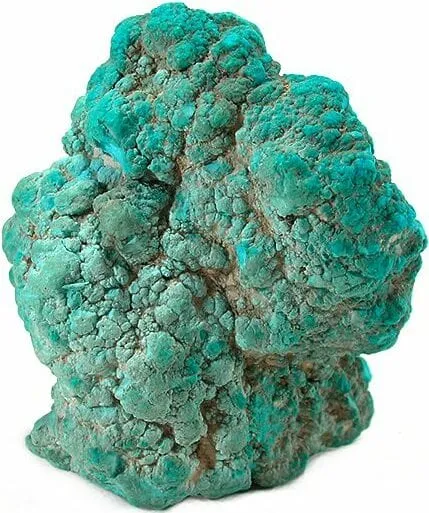
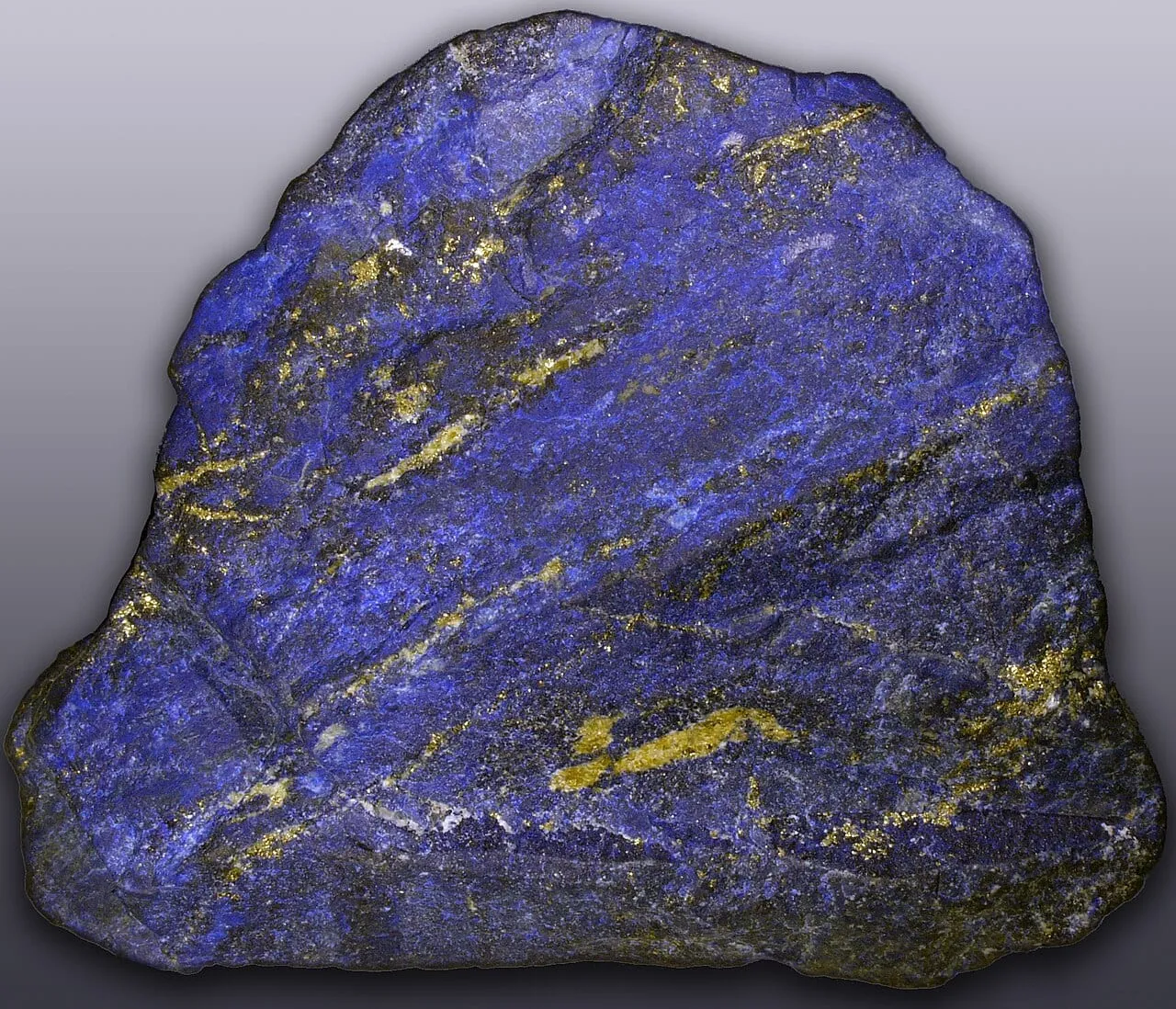
This is an everyday name; in science it means these stones:

What is it used for?
- Traditional amulet: It is pinned to babies’ clothes and cradles and hung at doors and house entrances, on car mirrors and in shops.
- Jewellery and decoration: It is used in necklaces, bracelets, earrings, key rings and wall decorations.
- Souvenir: It is one of Türkiye’s best-known souvenirs.
How is it made?
The traditional evil eye bead is made by hand in small glass furnaces. The craftsman winds molten dark blue glass around the end of a long iron rod to form the body of the bead. Drops of white, light blue and black glass melted from thin glass rods are then applied in concentric rings on top of the body, creating the eye. The bead is cooled slowly so that the glass does not crack. The dark blue comes from cobalt, such a strong colouring agent that only a little needs to be added to the glass.
Evil eye beads in Türkiye
The evil eye bead is one of Türkiye’s most familiar symbols. Traditional glass bead making lives on today in the village of Görece and nearby Kurudere, in the Menderes district of İzmir. The workshops, which used to operate in the city centre, moved here because of the smoke and fire risk of their furnaces. Only a few craftsmen still make the beads by hand; some of the beads on the market are mass-produced glass or plastic.
What determines its value?
The evil eye bead is an inexpensive ornament and souvenir. Handmade traditional glass beads are worth more than mass-produced plastic or printed ones; their value depends on the glassmaking skill, the brightness of the colours, the size and the craftsman’s labour. As fewer and fewer masters keep the tradition alive, handmade beads are becoming more special.
This information is educational, not buying, selling or investment advice. Value varies enormously with quality and treatment.
How to recognise it
- 1
Being glass, it feels cold and fairly heavy in the hand, and small air bubbles may be visible inside. Plastic imitations are light, feel warm and often show a mould seam.
- 2
In handmade beads every eye is slightly different; the rings are not perfectly round and the glass layers stand slightly proud at the edge. Factory-made or printed ones are identical to one another.
- 3
The hanging hole or wire loop was made with an iron rod while the glass was still hot, so its edges are rounded.
Fakes and imitations
What shops usually don’t tell you:
- Some evil eye beads on the market are mass-produced in plastic, resin or ceramic, or have the eye printed on the surface; they are not traditional handmade glass beads.
- Turquoise, lapis lazuli or blue-dyed stones sold as “evil eye stones” are not evil eye beads either, although blue stones are worn in Anatolia with a similar belief.
Myths and misconceptions
MythThe evil eye bead is a stone.
FactThe evil eye bead is not a natural stone but glass, handmade or factory-made (and sometimes plastic). Its colour comes not from nature but from metal compounds such as cobalt added to the glass.
MythThe evil eye bead is a Turkish invention.
FactEye-shaped glass beads are far older than the Turks: they have been made and used around the Mediterranean and the Middle East for some 3,600 years. The nazar is a living Anatolian branch of this ancient Mediterranean glass tradition.
What is it believed to be good for?
This section reports beliefs; it is not health information. There is no scientific evidence for these claims and no stone replaces medical treatment.
The meanings people give this stone, and who holds them:
- In Anatolia and around the Mediterranean, the bead is believed to protect its wearer by drawing upon itself the “evil eye” of envious or malicious looks; that is why it is pinned to babies and hung in new homes, cars and shops.
- According to folk belief, if the bead cracks or breaks, it has absorbed a very strong evil eye to protect its owner and should be replaced.
- Blue is believed to be a shield against evil. One explanation is that the belief arose because blue-eyed people, rare in the Mediterranean and the Middle East, were thought to cast the evil eye.
What science says
Protection against the evil eye is not a claim science can test but a deep-rooted cultural belief, and the bead lives on as a harmless and much-loved tradition. A bead cracks because of internal stresses in the glass, temperature changes or knocks. An evil eye bead should never replace real safety precautions for babies and children; small beads can be a choking hazard if they end up in a baby’s mouth.
Did you know?
The oldest known glass beads with eye patterns date back to around 1600 BCE; they were made throughout the ancient world, from Mesopotamia to Egypt and from Phoenicia to Rome.
Cobalt is a very intense colouring agent: very little of it is needed to turn glass deep blue.
The workshops in Görece moved there from central İzmir because of the smoke and fire risk of their furnaces.
Where is it found?
Loading map…
- Görece, Menderes, İzmir, Türkiye · Known localityVillage where a few craftsmen still make evil eye beads by hand in traditional glass furnaces; there are workshops in nearby Kurudere too.
Locations are approximate to protect sites. Red dots mark places in Türkiye. Open in the big map →
Frequently asked questions
What is evil eye bead?
Although many people think of it as a stone, the evil eye bead (Turkish “nazar boncuğu”) is not a natural stone but a handmade glass bead. Layers of white, light blue and black glass are added in concentric rings onto a dark blue glass body to make it look like an eye. The dark blue colour comes from metal compounds such as cobalt added to the glass. Eye-shaped glass beads have been used around the Mediterranean and the Middle East for thousands of years; in Türkiye the nazar is pinned to babies, hung on doors and in cars, and worn as jewellery against the “evil eye”. Traditional beads are still made by hand by a few craftsmen in the village of Görece and nearby Kurudere, in the Menderes district of İzmir.
What is evil eye bead used for?
Traditional amulet: It is pinned to babies’ clothes and cradles and hung at doors and house entrances, on car mirrors and in shops. Jewellery and decoration: It is used in necklaces, bracelets, earrings, key rings and wall decorations. Souvenir: It is one of Türkiye’s best-known souvenirs.
Where is evil eye bead found?
Its best-known localities: Görece, Menderes, İzmir, Türkiye.
Where is evil eye bead found in Türkiye?
Known localities in Türkiye: Görece, Menderes, İzmir, Türkiye.
How can you tell if evil eye bead is real?
Being glass, it feels cold and fairly heavy in the hand, and small air bubbles may be visible inside. Plastic imitations are light, feel warm and often show a mould seam. In handmade beads every eye is slightly different; the rings are not perfectly round and the glass layers stand slightly proud at the edge. Factory-made or printed ones are identical to one another. The hanging hole or wire loop was made with an iron rod while the glass was still hot, so its edges are rounded. Some evil eye beads on the market are mass-produced in plastic, resin or ceramic, or have the eye printed on the surface; they are not traditional handmade glass beads.
Is evil eye bead valuable?
On the “street to diamond” value ladder it sits on step 2 of nine: Raw material by the tonne. The evil eye bead is an inexpensive ornament and souvenir. Handmade traditional glass beads are worth more than mass-produced plastic or printed ones; their value depends on the glassmaking skill, the brightness of the colours, the size and the craftsman’s labour. As fewer and fewer masters keep the tradition alive, handmade beads are becoming more special.
What is evil eye bead good for?
In Anatolia and around the Mediterranean, the bead is believed to protect its wearer by drawing upon itself the “evil eye” of envious or malicious looks; that is why it is pinned to babies and hung in new homes, cars and shops. According to folk belief, if the bead cracks or breaks, it has absorbed a very strong evil eye to protect its owner and should be replaced. Blue is believed to be a shield against evil. One explanation is that the belief arose because blue-eyed people, rare in the Mediterranean and the Middle East, were thought to cast the evil eye. Protection against the evil eye is not a claim science can test but a deep-rooted cultural belief, and the bead lives on as a harmless and much-loved tradition. A bead cracks because of internal stresses in the glass, temperature changes or knocks. An evil eye bead should never replace real safety precautions for babies and children; small beads can be a choking hazard if they end up in a baby’s mouth. This section reports beliefs; it is not health information. There is no scientific evidence for these claims and no stone replaces medical treatment.
Sources
- Nazar (amulet) · Wikipedia
- Görece, Menderes · Wikipedia
- Nazar boncuğu · Vikipedi
- Cobalt glass · Wikipedia
External links
Draft: awaiting expert reviewReport an error ↗
On the same step
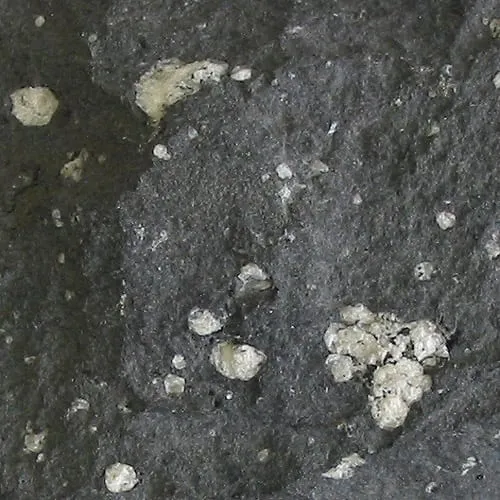
Andesite
The rock of volcanic arcs, named after the Andes — and the pink-grey stone of Ankara Castle.
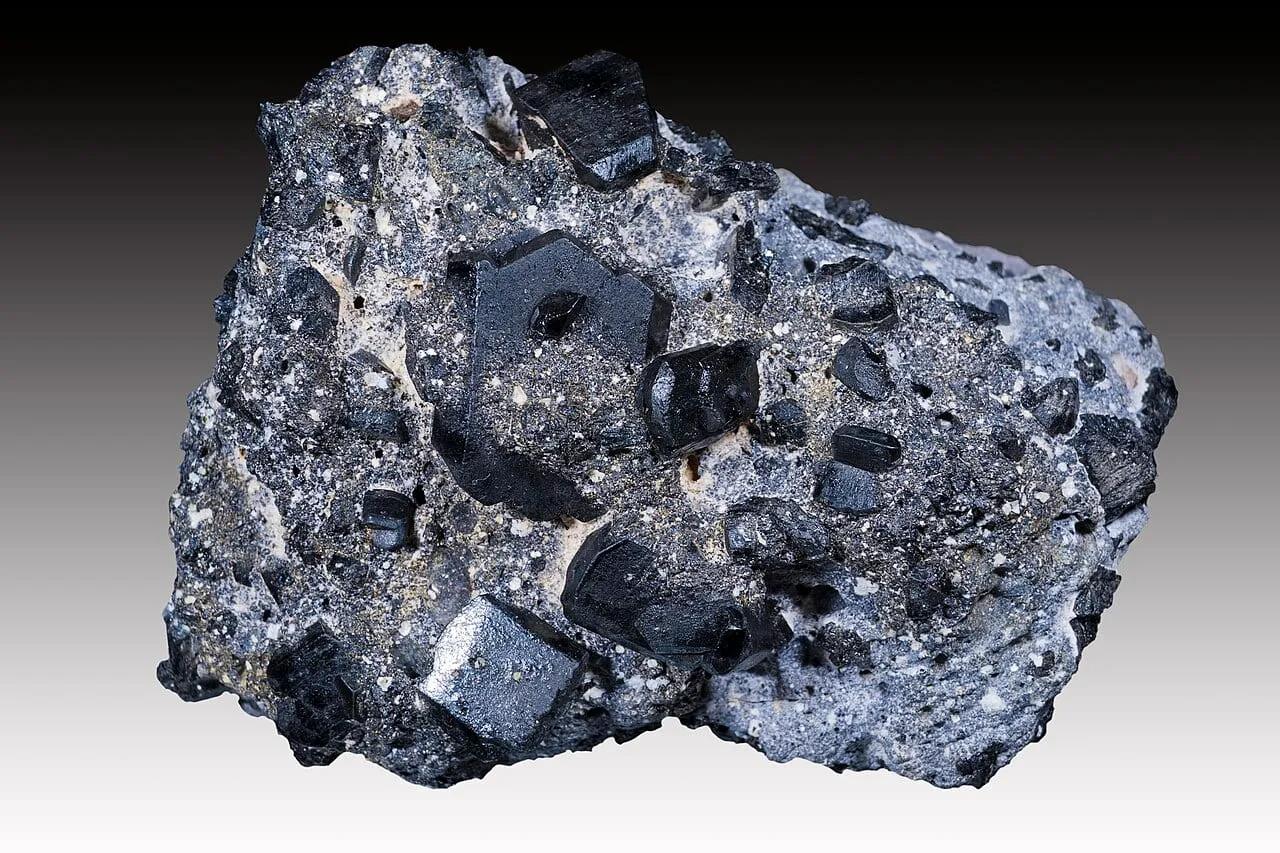
Augite (pyroxene)
The most common pyroxene, which darkens basalt and gabbro: inconspicuous, yet one of the key building blocks of Earth’s crust.
Basalt
The rock of the ocean floors and the Moon’s dark plains — the most common volcanic rock on Earth.