Mineral
Malachite
Cu₂(CO₃)(OH)₂Malakit
A copper mineral known for its light and dark green rings, used for thousands of years as a pigment, ornamental and jewellery stone.
- Ornamental
- Ore

In short
Malachite is a green mineral that contains copper. It forms near the surface of copper deposits, where copper minerals break down in contact with water and air. When it is cut and polished, light and dark green bands appear in rings and waves.
How does it form?
Malachite is a secondary mineral that forms in the near-surface oxidation zone of copper deposits. Copper sulfide minerals dissolve in oxygen-rich water; when this copper-rich water meets carbonate rocks such as limestone, malachite is deposited. It usually grows as lumpy, grape-like masses, stalactites and crusts. Because it grows layer by layer, its cross-sections show characteristic bands. It very often occurs together with blue azurite.
History and uses
Thousands of years ago malachite was used both as a copper ore and as one of the oldest green pigments. In the 19th century, large masses of malachite from Russia’s Ural Mountains were used for vases, columns and tabletop veneers. Today most of the malachite used for ornaments and jewellery comes from the Democratic Republic of the Congo.
Care
Malachite is soft and sensitive to heat, acids and chemicals. Because it scratches easily, it should be worn with care in rings, wiped only with a soft, damp cloth and kept away from ultrasonic cleaners.
How to recognise it
- 1
It is always green; cut surfaces show light and dark green concentric bands.
- 2
It leaves a pale green streak on unglazed porcelain.
- 3
Its hardness is 3.5–4, so a steel knife scratches it. It feels heavier than most stones of the same size (specific gravity about 3.6–4.0).
- 4
It fizzes in dilute acid, which is also why acidic cleaners damage its polish.
Fakes and imitations
What shops usually don’t tell you:
- Plastic and glass imitations: their bands are too regular or form a repeating pattern; plastic feels light and warm in the hand.
- “Reconstituted” malachite made from malachite powder pressed with resin, and laboratory-made synthetic malachite, are also used in jewellery; the seller should disclose this.
- Natural malachite is often treated with wax to fill small voids and improve its lustre. This is common practice but should still be disclosed.
Safety
Malachite is a copper mineral. Handling it or wearing it as jewellery is not a problem, but the dust created by cutting, sanding and polishing is harmful if swallowed or inhaled. Work the stone wet, wear a dust mask and wash your hands afterwards.
Did you know?
Its name comes from the Greek word for mallow, a plant with green leaves.
The ancient Egyptians used ground malachite as a green paint and as eye make-up.
Where is it found?
Loading map…
- Katanga, Democratic Republic of the Congo · Major depositCopper mines around Kolwezi and Lubumbashi; today the main source of ornamental malachite
- Nizhny Tagil and Yekaterinburg, Ural Mountains, Russia · Historic sourceSource of the large, pure malachite masses that decorated 19th-century Russian palaces
- Bisbee, Arizona, USA · Known locality
- Burra, South Australia · Historic source
Locations are approximate to protect sites. Red dots mark places in Türkiye. Open in the big map →
Sources
- Handbook of Mineralogy: Malachite · Mineralogical Society of America
- Malachite: Uses and properties of the mineral and gemstone (H. M. King) · Geology.com
External links
Draft: awaiting expert reviewReport an error ↗
On the same step
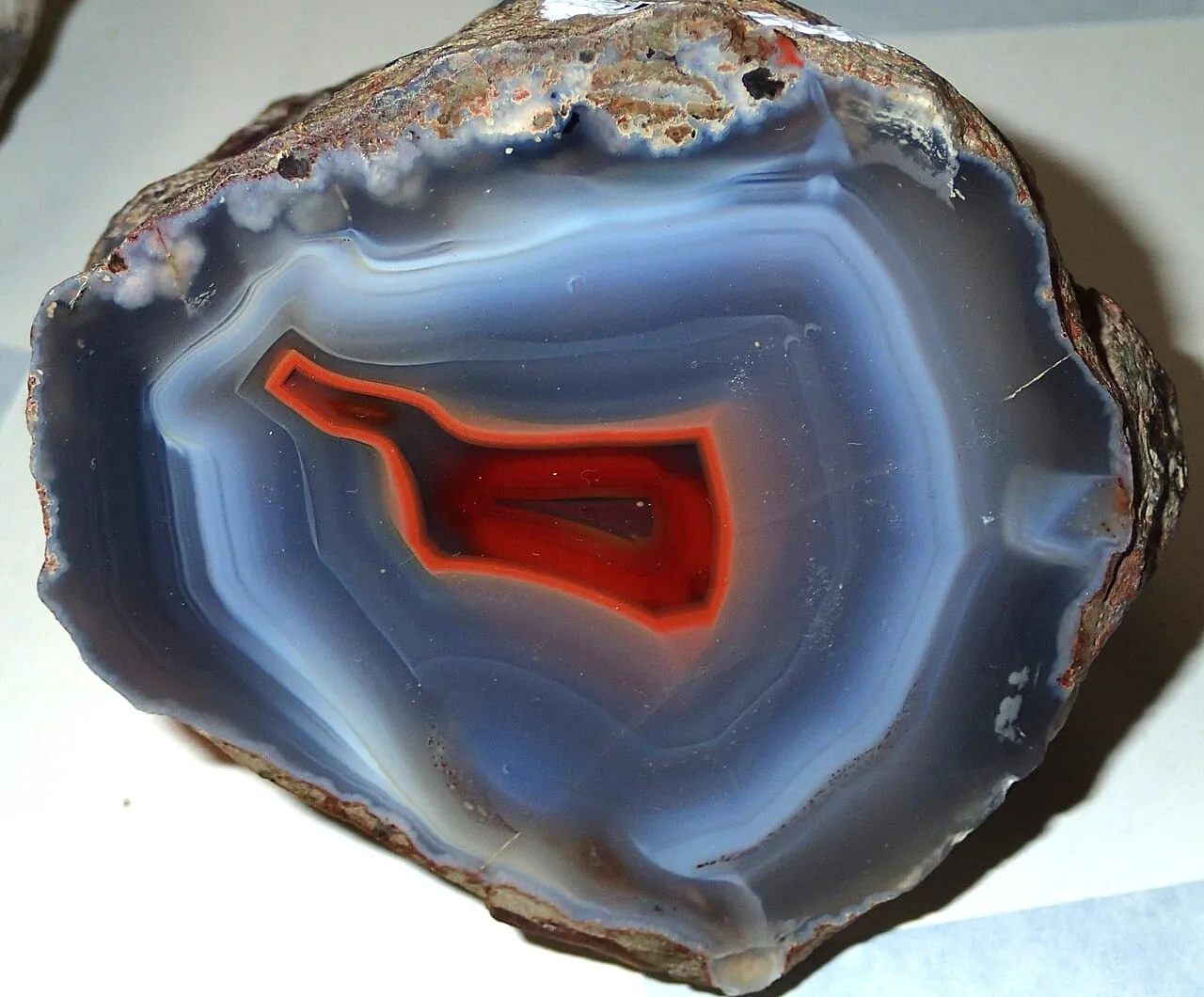
Agate
The banded variety of chalcedony: it grows layer by layer in hollows in volcanic rock and shows a new pattern every time it is cut.
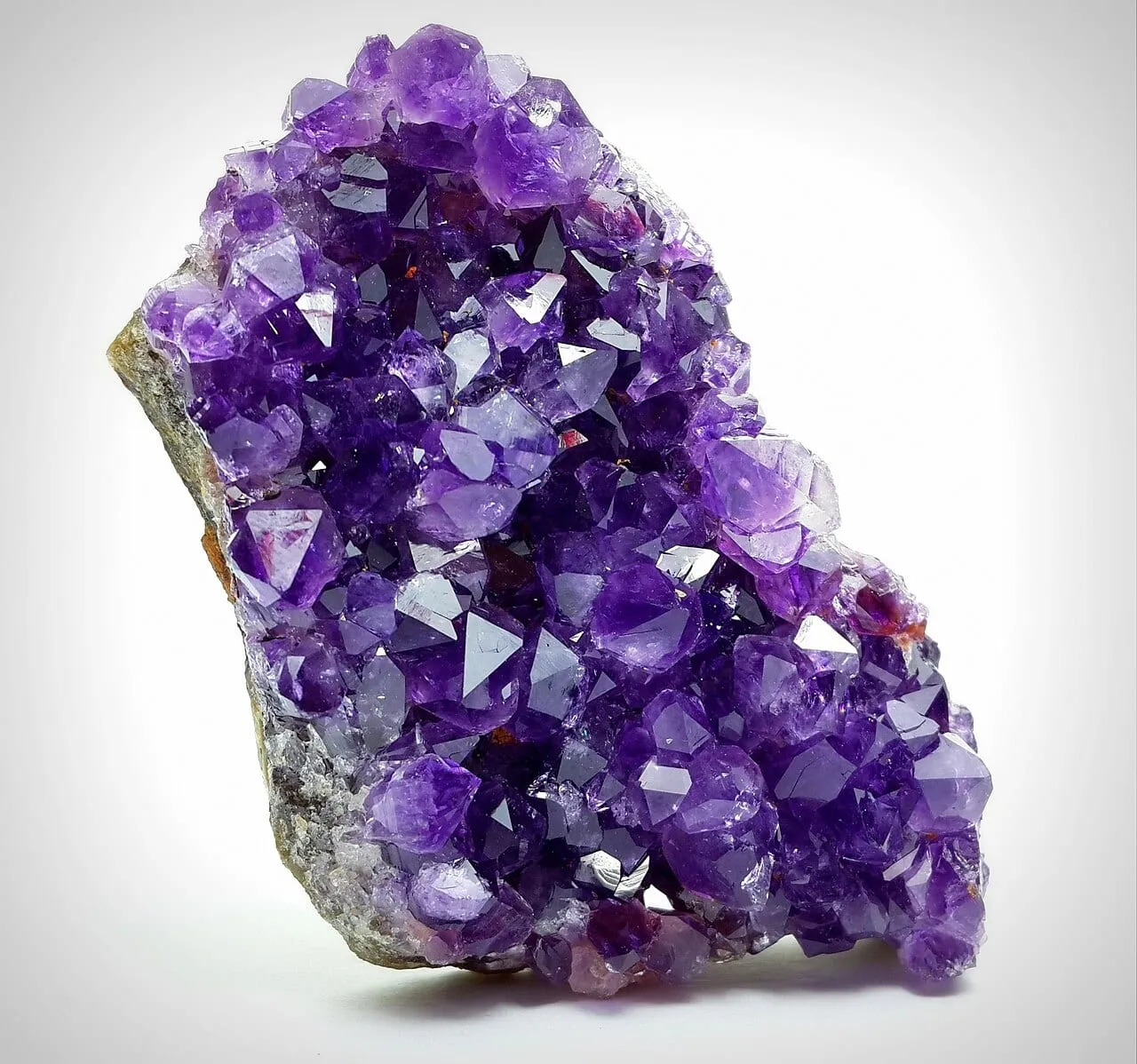
Amethyst
The purple variety of quartz, coloured by traces of iron working together with natural radiation.
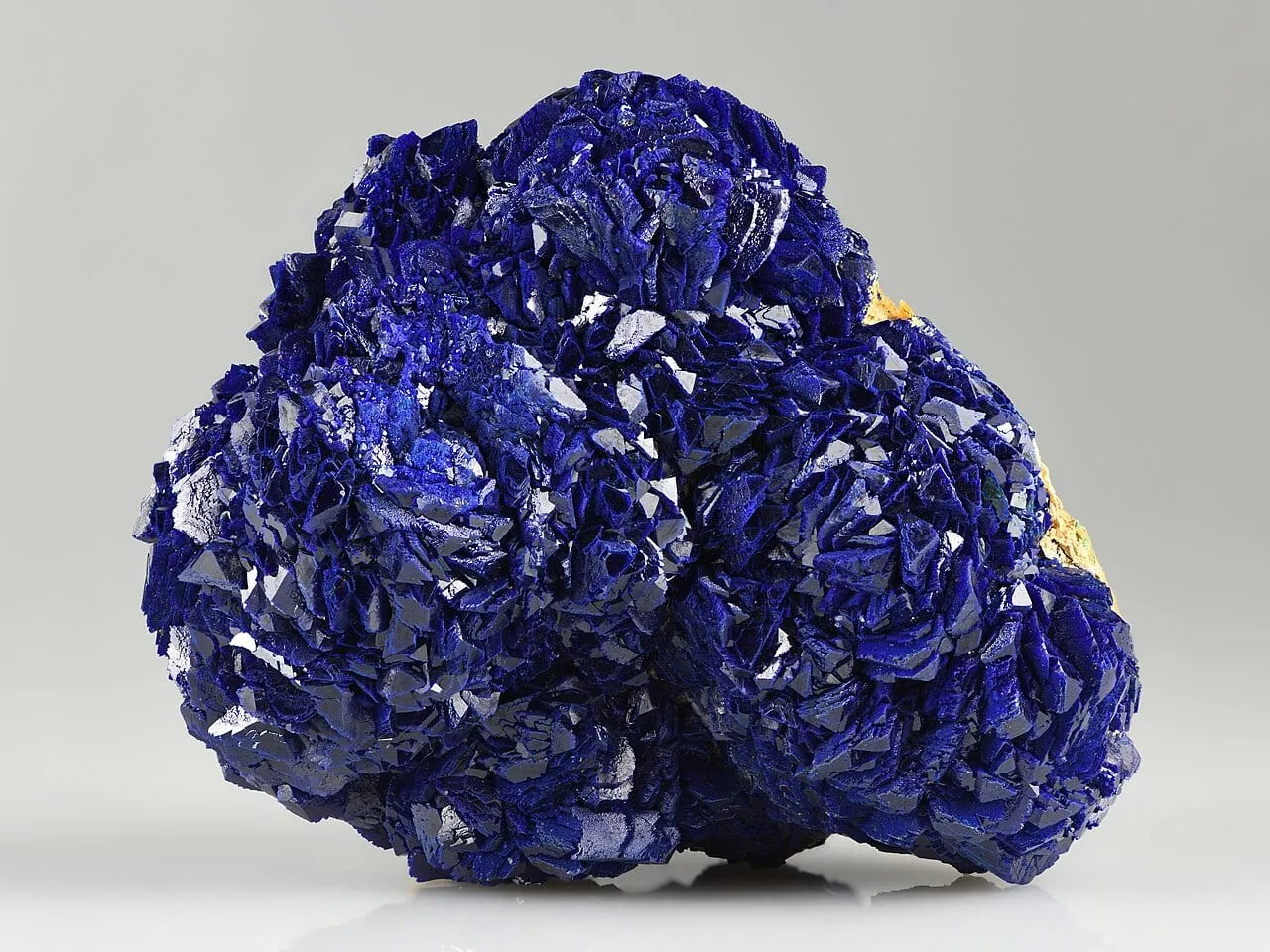
Azurite
A deep blue copper mineral that was the most important blue pigment of medieval and Renaissance painters.